

Some thoughts
It was not the pandemic, certainly not the Ukraine war and even less other political upheavals that broke the neck of the Geneva Motor Show, last known as #gims: First of all, it was wrong personnel decisions. It already started with the election of Olivier Rihs as salon director, who had wild plans from 2019 but otherwise no idea, least of all of the automotive industry. It continued with Sandro Mesquita, who continued Rihs’ work on a similarly unprofessional level.
Whereby: the fish has been stinking from the head for years. There is a “Fondation du Salon international de l’automobile de Genève” headed by Maurice Turrenttini and a “Comité permanent du Salon international de l’automobile” with 13 members – and all of them, together with the Swiss importers’ association “auto schweiz”, have both failed to recognise the signs of the times and have not wanted to move from their high horses. The city and canton of Geneva have also contributed their fair share to the misery. But of course, as always, everyone else is to blame.
Of course, the first Covid-related cancellation in 2020 was a heavy blow for what was once the world’s most important motor show. But even then it was clear that the ship would run aground: All the new concepts that Rihs had pushed were not worth the paper they were written on. The cancellation was probably not even inconvenient for the organisers at the time; it had to be assumed that after the cancellations of various manufacturers, the spectators would not have come to Geneva in the masses they had been used to at Switzerland’s second-largest event in earlier years.
They had already put the cart before the horse: instead of reducing costs, which would have benefited both exhibitors and visitors, everything was to be even bigger, more beautiful, more radiant. They wanted to lure Google, Facebook, Amazon to Geneva, adorn themselves with big names as speakers, spent lots and lots of money from the foundation’s assets on new ideas – but nobody was interested in them. A car show is a car show – the spectators are not interested in all the fuss around it. Sure, visitor numbers were dropping, but hey, even just half a million visitors is clearly more than: Zero.
The fact is: for all their whining, even the manufacturers haven’t yet come up with a better idea than the classic auto show. They may claim that online presentations and road shows and brand-owned events are much more efficient and cost much less per customer contact. But they don’t reach the masses, only the contacts from their own address files. Always the same ones. And that’s not all: People who are interested in cars come to a car show. Maybe they can’t or don’t want to buy a new car, but they come voluntarily. With pleasure. They give up a few hours of their time to find out what’s new, to see what’s exciting or cool or innovative. And then they certainly talk about it with their work colleagues or friends or family members, so they multiply their visit.
With the Festival of Speed and the Concours d’Elegance in Pebble Beach, the luxury and hypercar manufacturers have found new places to present their latest products. But this is also something like incest, it is a very small, very exclusive audience that enjoys canapés and champagne; the happy news is then spread via the media. But Volkswagen, Renault and Fiat can’t reach their clientele at such fancy events – and they still make up about 99.9 percent of car buyers. Two-thirds of whom will never be able to afford more than one used car anyway. The 99 Bugatti Mistrals won’t shake the industry out of its sales doldrums.
It’s just not the case that the majority of customers want to buy their cars online without incurring any costs. Some people still think long and hard about buying a new car, which is the second most expensive purchase after housing. They want information and advice – and not some robot boots or agency models that call all services for potential buyers into question or do away with them altogether. A certain buying fatigue could well be due to miserable service. And if all these people are then only spammed, no longer receive anything tangible, are only allowed to view their dreams, which may well consist of an Opel Corsa, on a screen, then. well. A lot of the fundamental crisis in the car industry is self-made (including the semiconductor crisis, by the way).
You have to give people what they want. And many, many of these people want to crowd in front of the Ferrari stand to catch a glimpse of the latest product from Maranello. Then to pick up the brochure for the Peugeot 208 at Peugeot, which they might be able to afford as a used car in three years’ time. The game is incredibly simple – and all the marketing drivel is unnecessary. Instead of getting bigger and bigger, even more extraordinary, even more alien to the industry, it would have been better to introduce (building) restrictions in Geneva. And the hoteliers and innkeepers to stop charging such absurd prices. And they should have limited themselves a little in the way they charge for stand rents. And perhaps once thought of relying more on direct sales. Apparently this works well, the Brussels Salon will take the place of Geneva with a handshake. And even Auto Zürich, definitely not our favourite fair, did much better last year.
Those gentlemen (there are no ladies, as far as I know, neither in the Comité nor in the Foundation) who have now finally killed Geneva probably don’t care. They are already looking forward to the trip in November 2023 to the #gims in Doha in Qatar, that beautiful country where human rights can still be trampled on and the attitude of “your poverty pisses me off” is lovingly and extensively cultivated. Perhaps they could hire former Geneva State Councillor Pierre Maudet as a guide, although, no, he was on paid holiday in Abu Dhabi. Anyway, it is a tragedy what happened in Geneva in the last few years. And even if the car industry doesn’t seem to have a problem with the fact that Geneva no longer exists, as can be seen from various media reports: I will miss something both as a spectator and as a reporter. The manufacturers’ boards and Geneva officials may not care, but at least half a million people probably feel the same way. All potential customers, by the way.
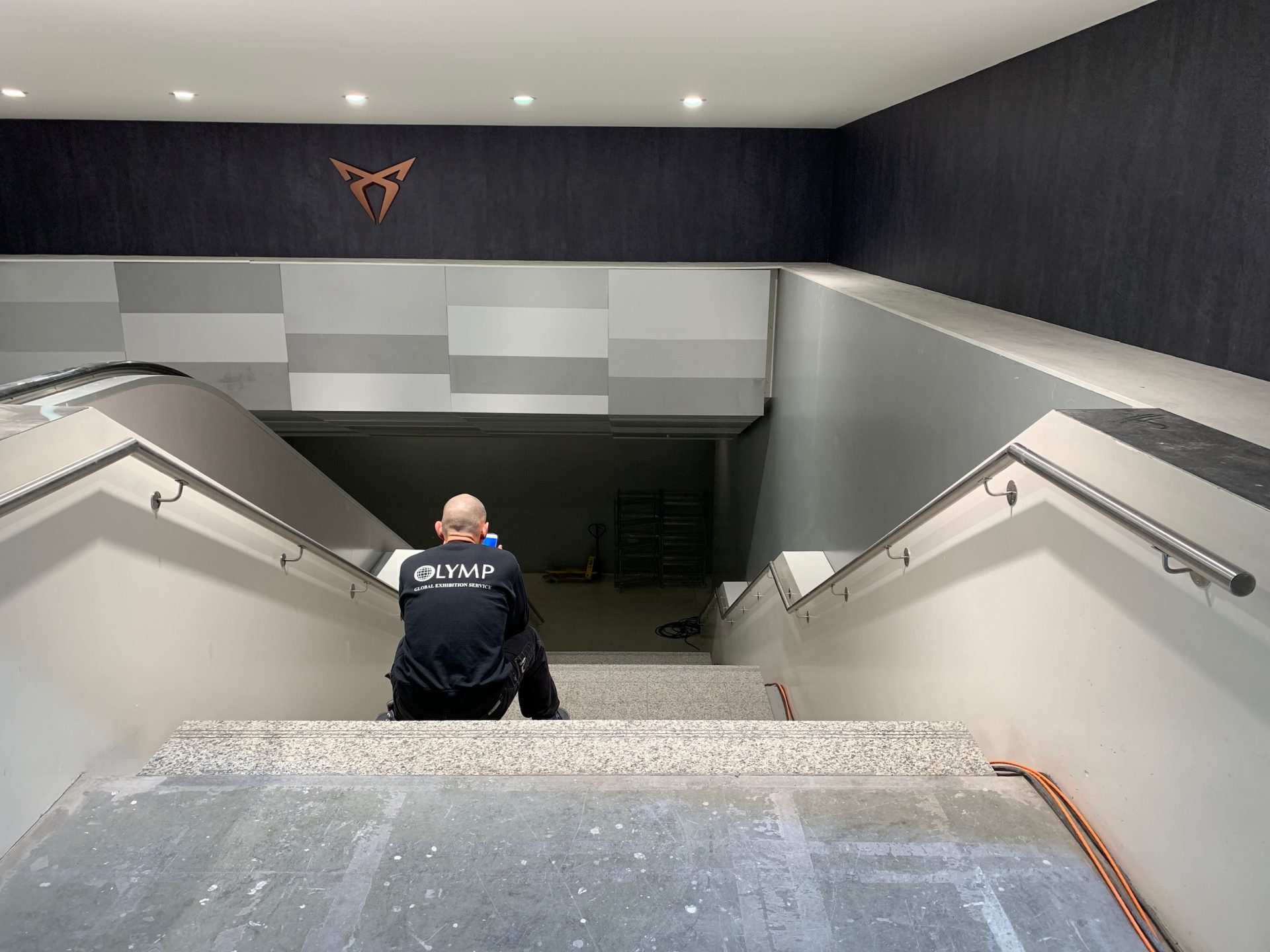
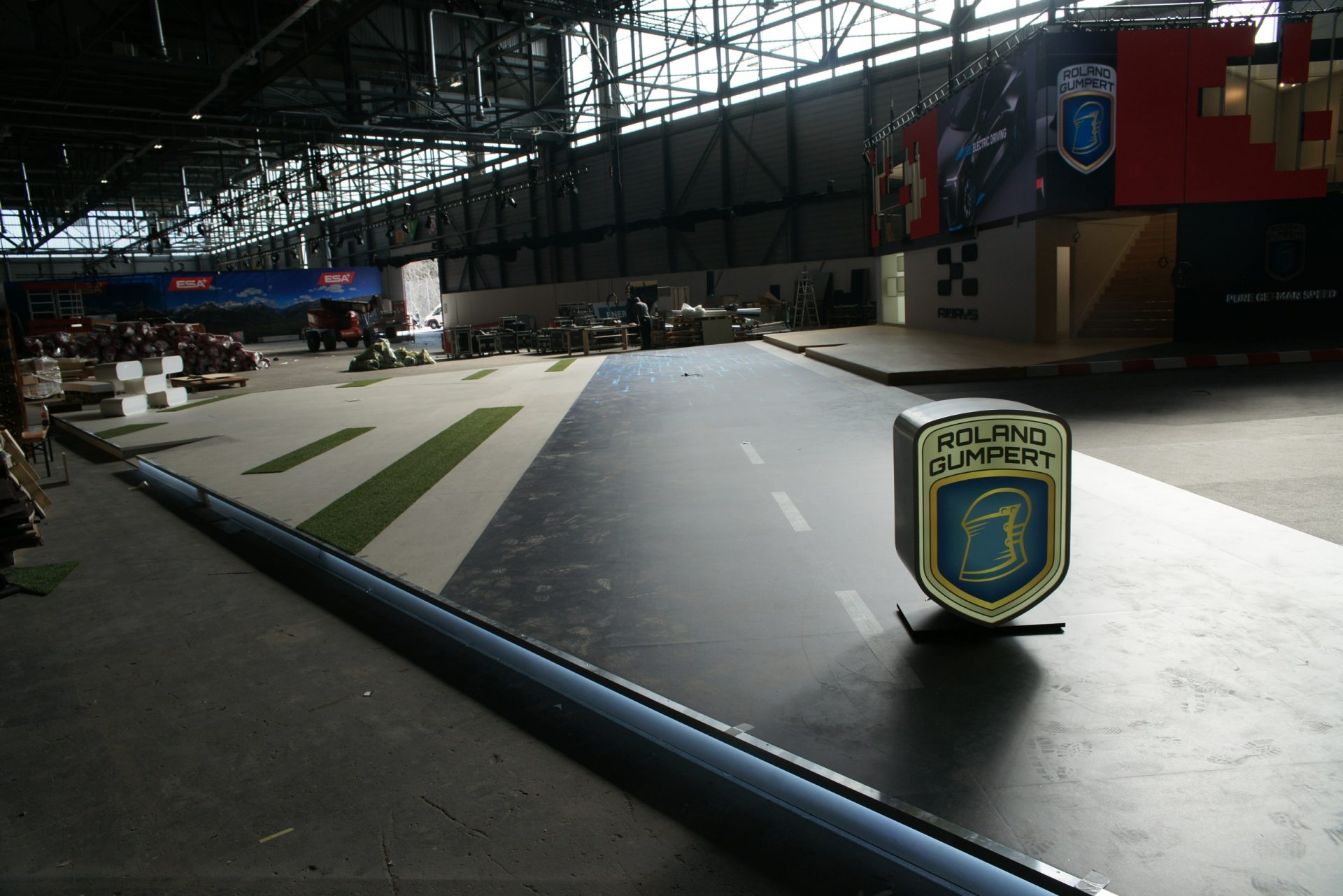
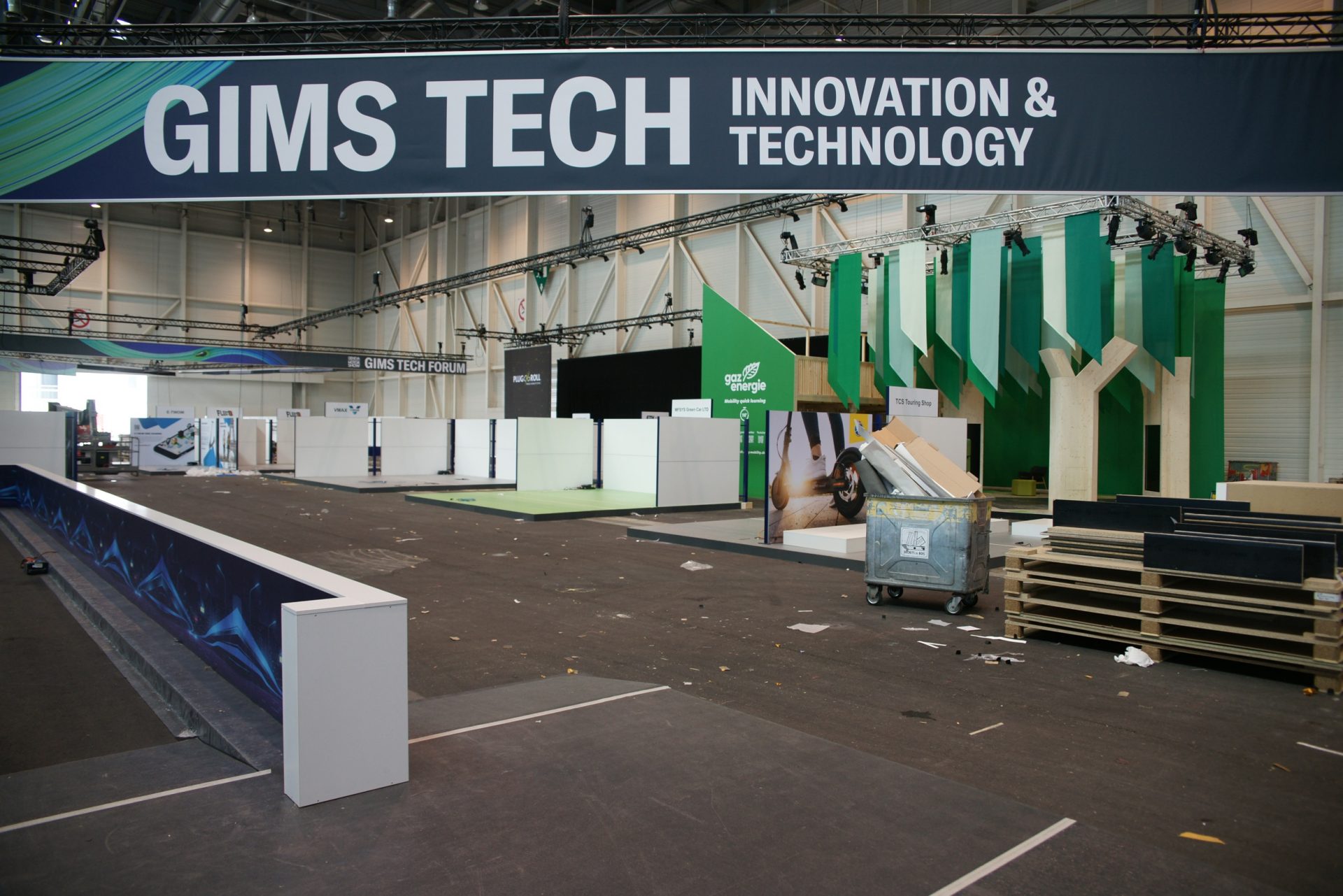
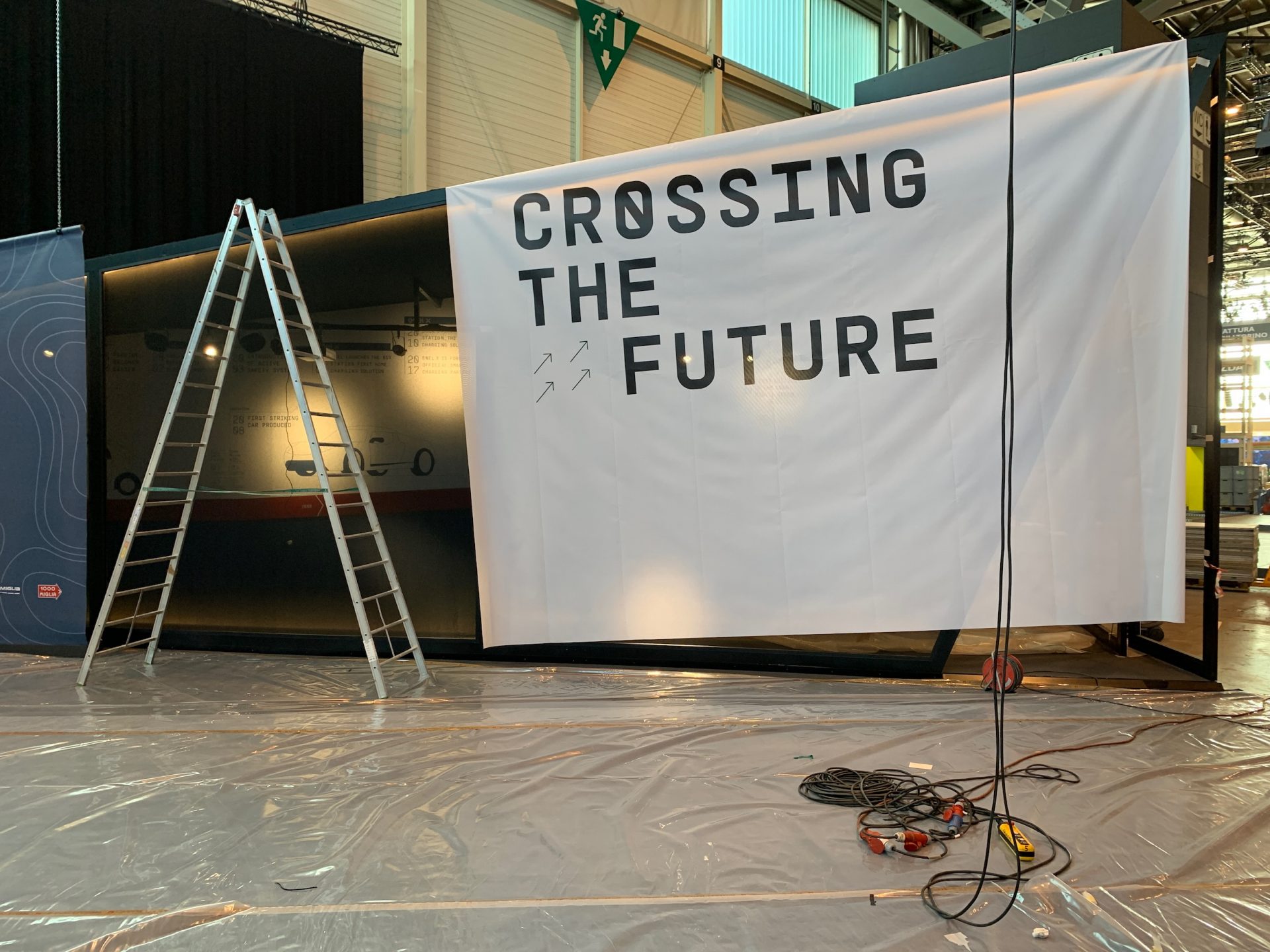
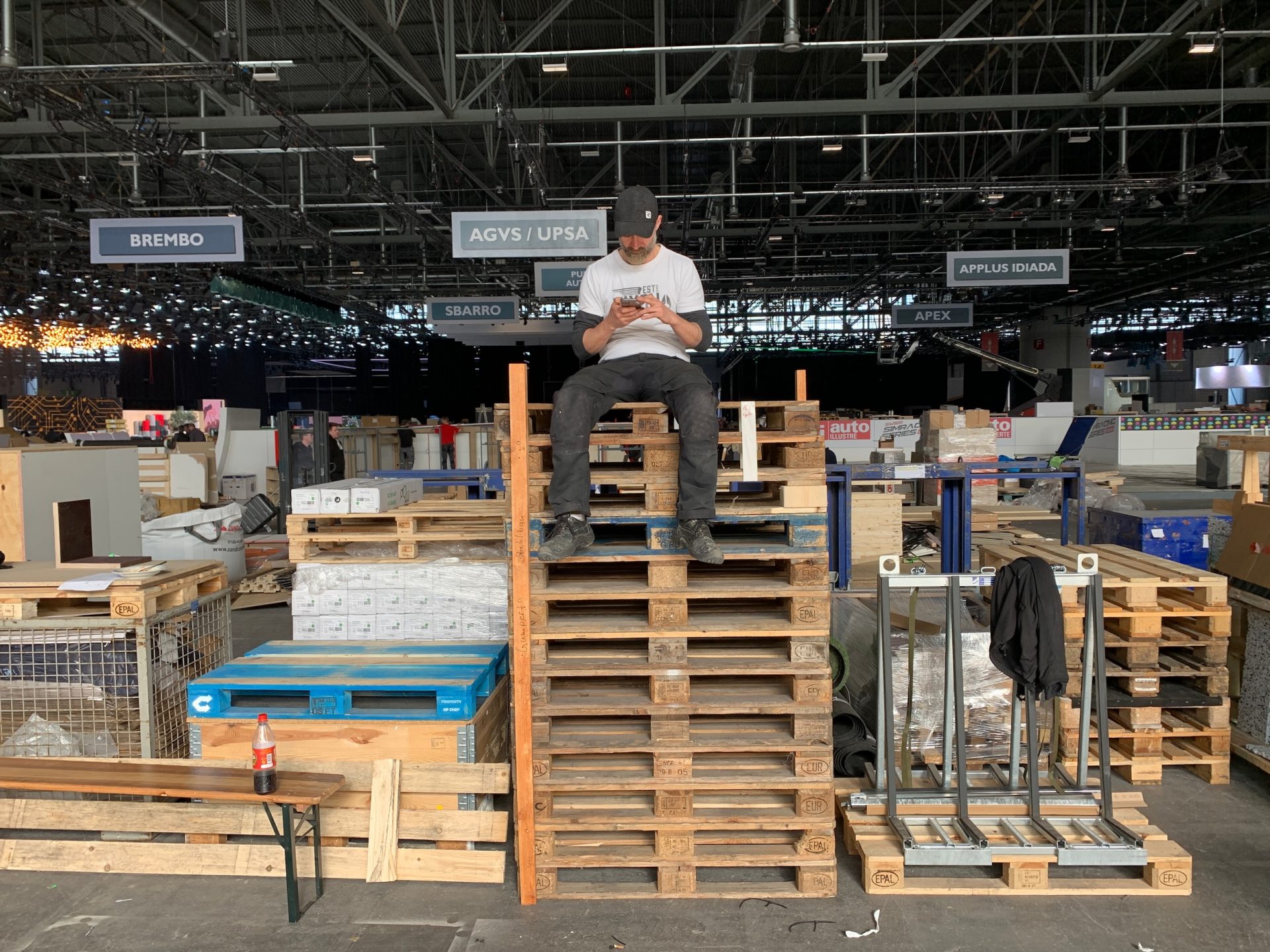
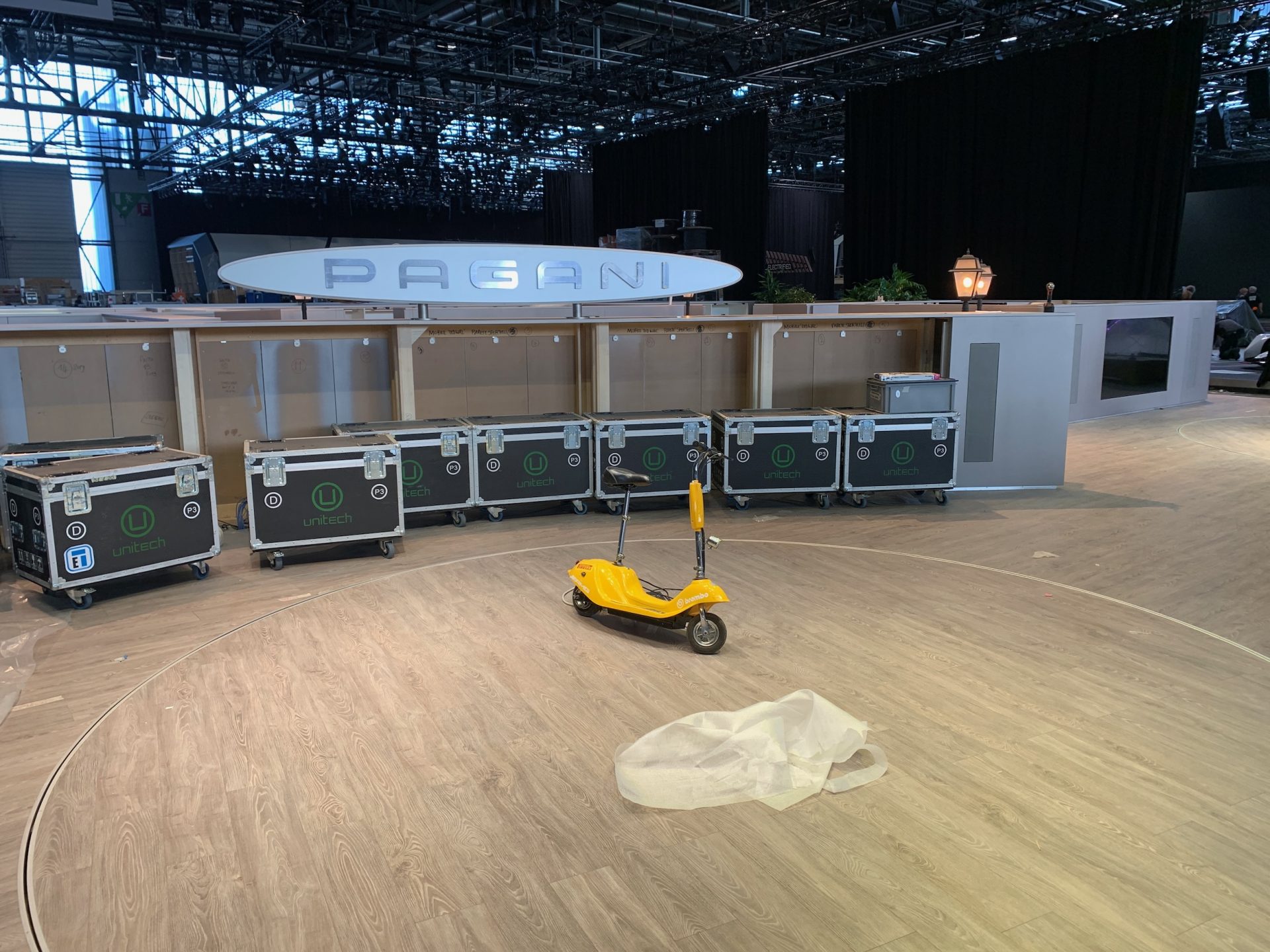
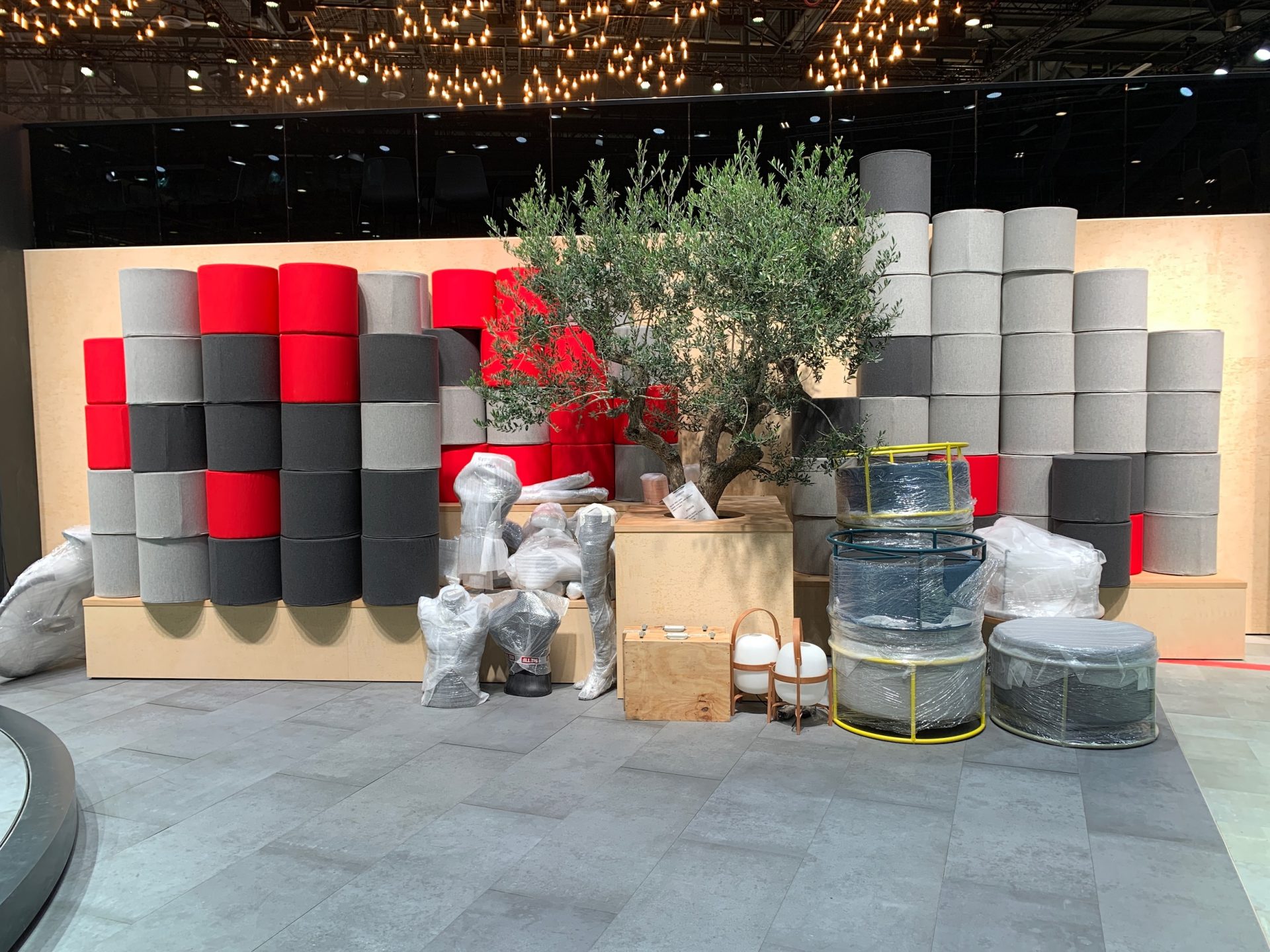
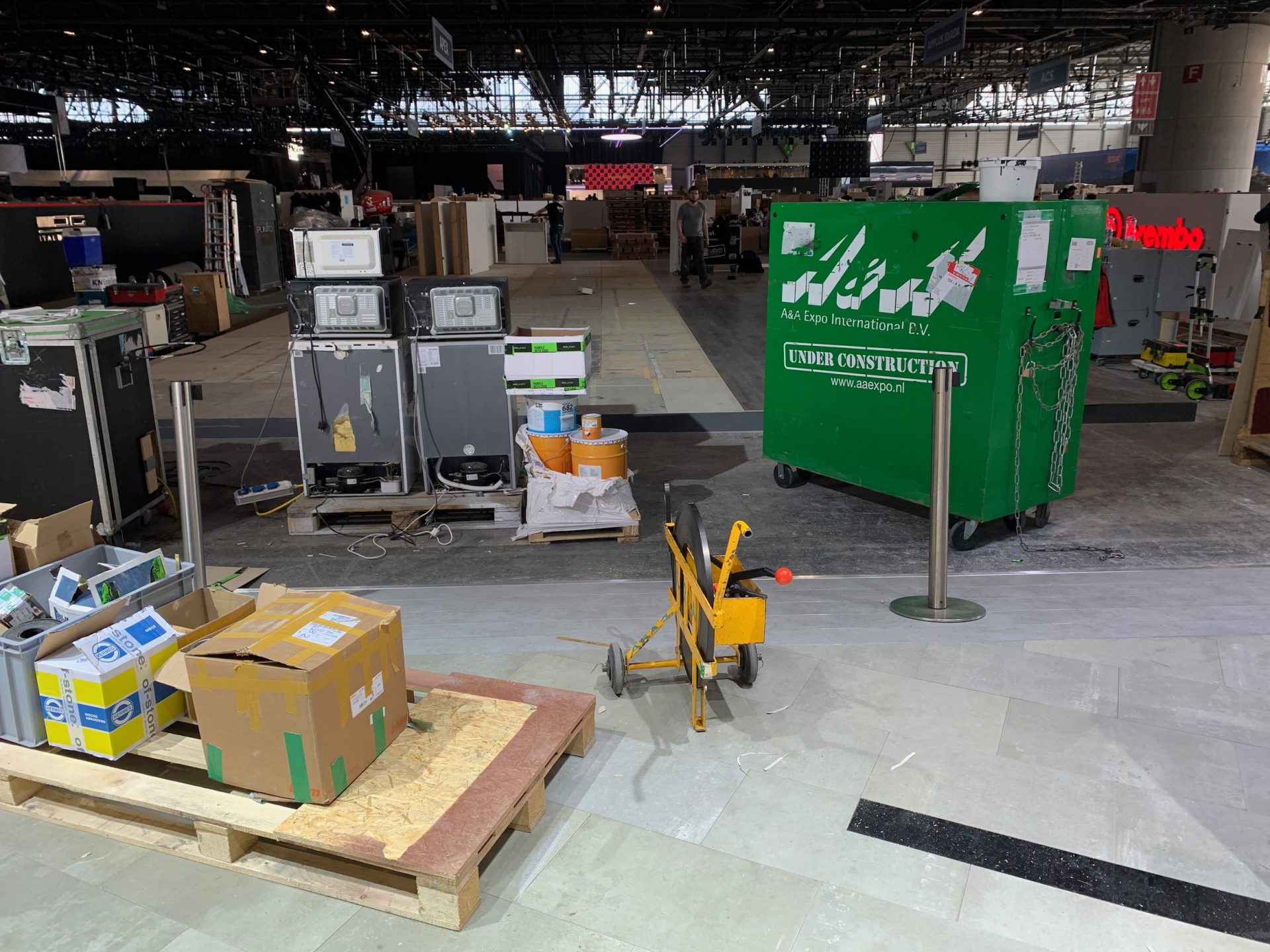
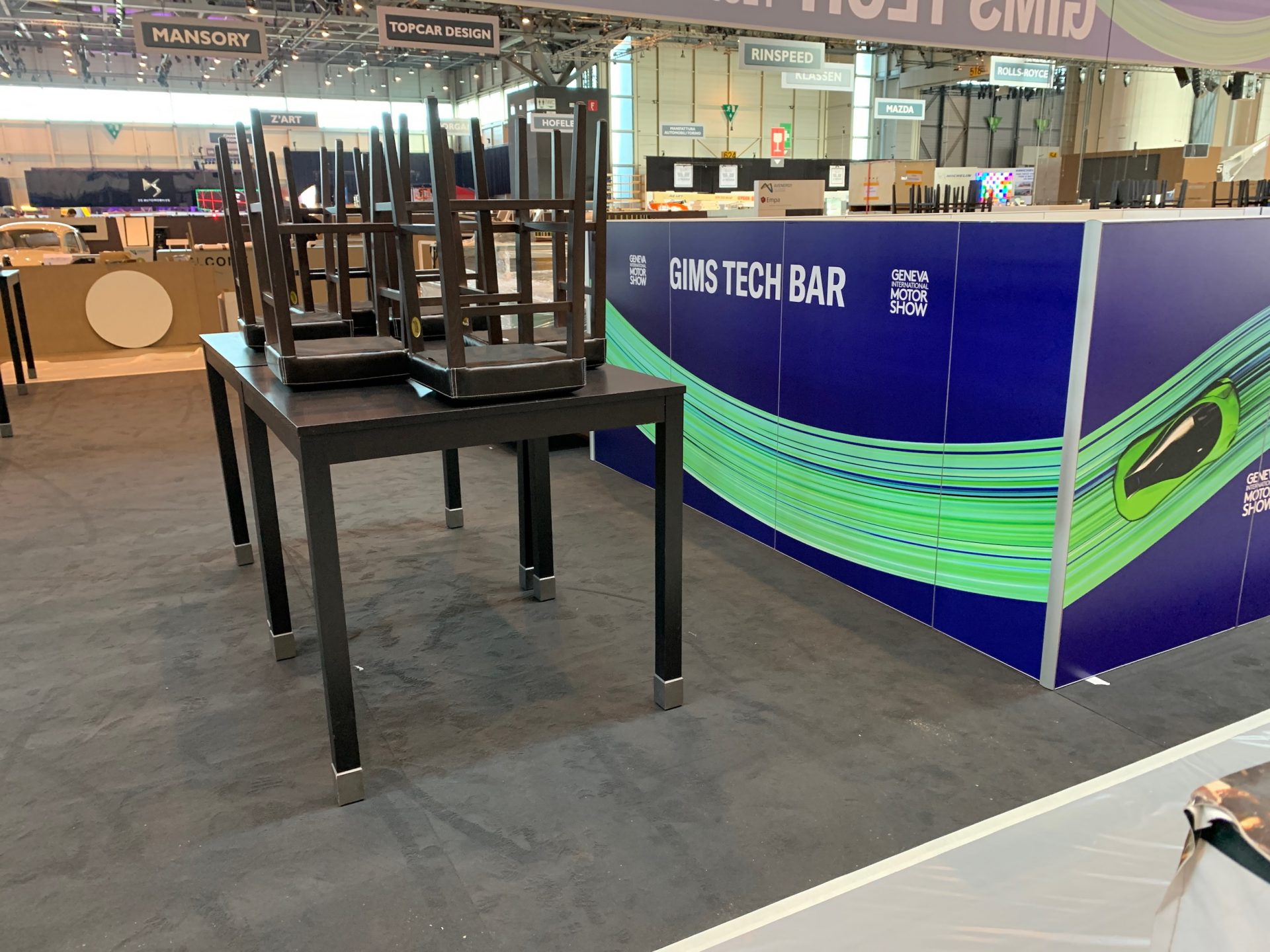
The photos are from 2020, when #gims had to be cancelled at short notice.
Be First to Comment