
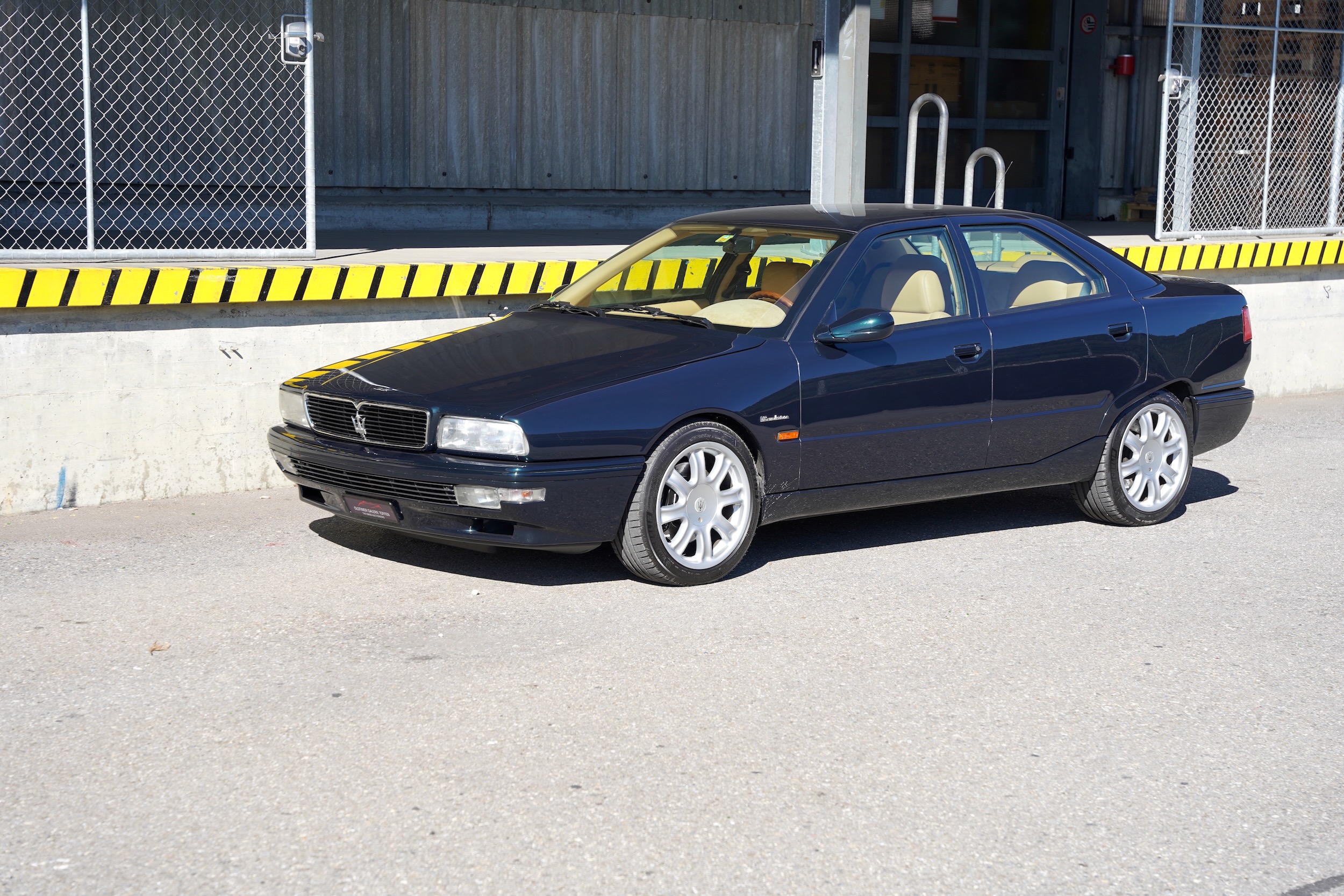
The better one
Of course we should have dedicated a story to the Maserati Biturbo long ago. But it’s all so complicated – and we also realise that we won’t make many friends if we describe the “little ones” too praiseworthily. So we’ll leave it at that for the time being, touching only very briefly on the history and then concentrating on the fourth-generation Quattroporte. With which we were recently allowed to take a trip.

So, the Biturbo. They came from that era when Alejandro de Tomaso was in charge at Maserati. How this came about is a story as wild as it is beautiful, one that can only take place in Italy. Just a little anecdote on the side: de Tomaso paid the equivalent of 155 euros for Maserati in 1975. So for everything, factory, floor, parts, everything. De Tomaso now felt the need to turn Maserati into a large-scale manufacturer. To do this, he needed a cheaper model that no longer had to be hand-built – he had in mind a competitor to BMW’s 3 Series. Development began in 1978, and the Biturbo was presented as early as 1981.

Over the years, there were numerous versions, including a Spyder and the four-door Biturbo 420/425 saloons with an 85 millimetre longer wheelbase. These in turn gave rise to the 430/430 4v, which were virtually identical in construction but had larger engines. Finally, in 1993, the Quattroporte was introduced, the fourth generation. This in turn was based on the Ghibli, which was a successor to the 222, which was a descendant of the first Biturbo. Everything still clear? So now we have the Ghibli (Tipo AM336), whose wheelbase was extended by 45 millimetres so that the two-door could become a four-door. The design was done by Marcello Gandini – and that should explain why we are so enthusiastic about the smallest of all Quattroporte, the Tipo 337 introduced in 1994.

The shape is great. Full stop. Not only because the Quattroporte has the wonderful, cut wheel arches at the rear. In fact, it is this extremely clean wedge shape with the high-set luggage compartment that still inspires today – a straight line, only Gandini managed that. With a length of 4.55 metres and a width of 1.81 metres, the Maserati looks compact today – and offers the rear passengers an astonishing amount of space despite a wheelbase of only 2.65 metres. And a decent boot to boot. And compare: BMW 3 Series (E36/E46), Audi A4 (B4/B5) and especially Mercedes C-Class (W202).

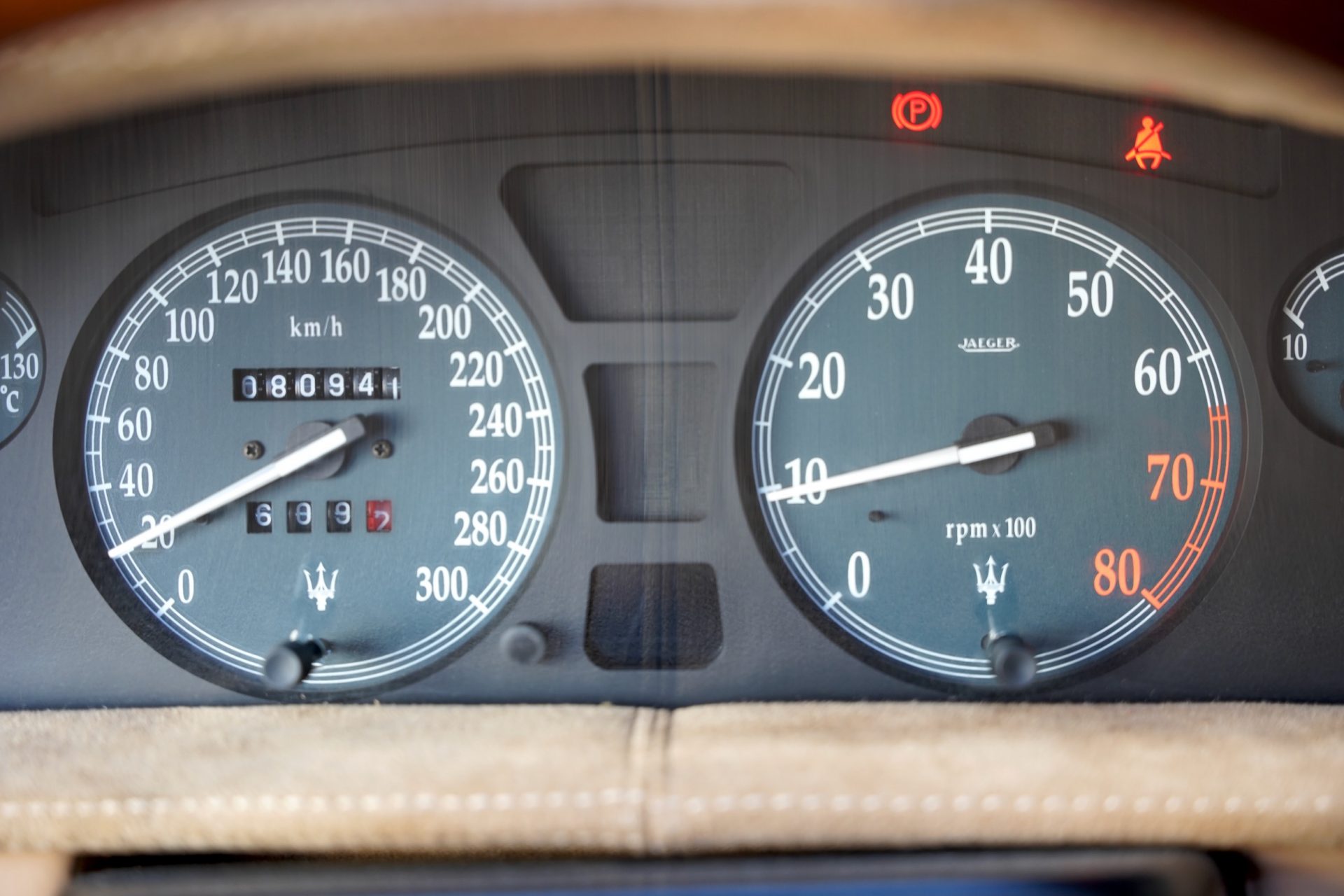
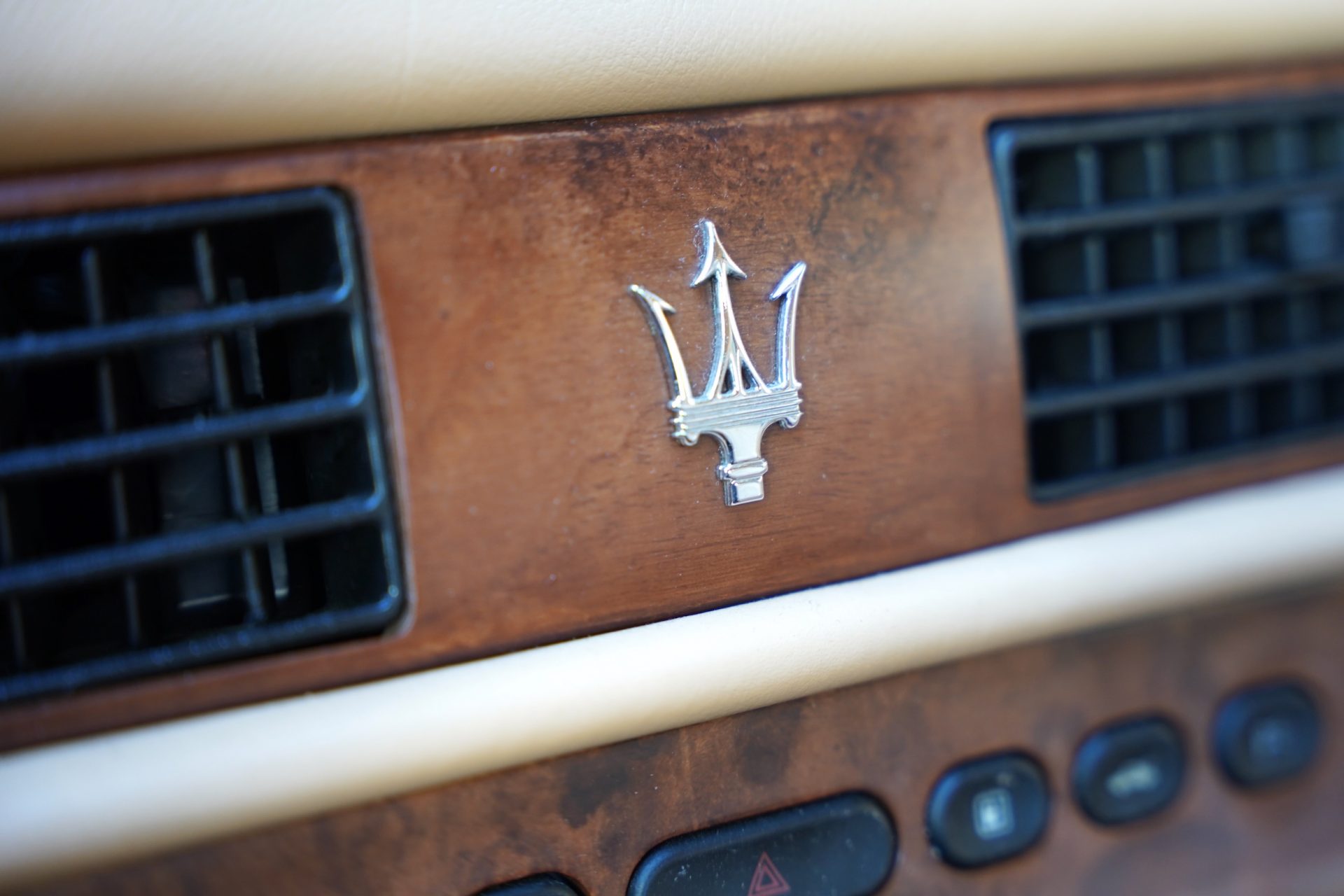
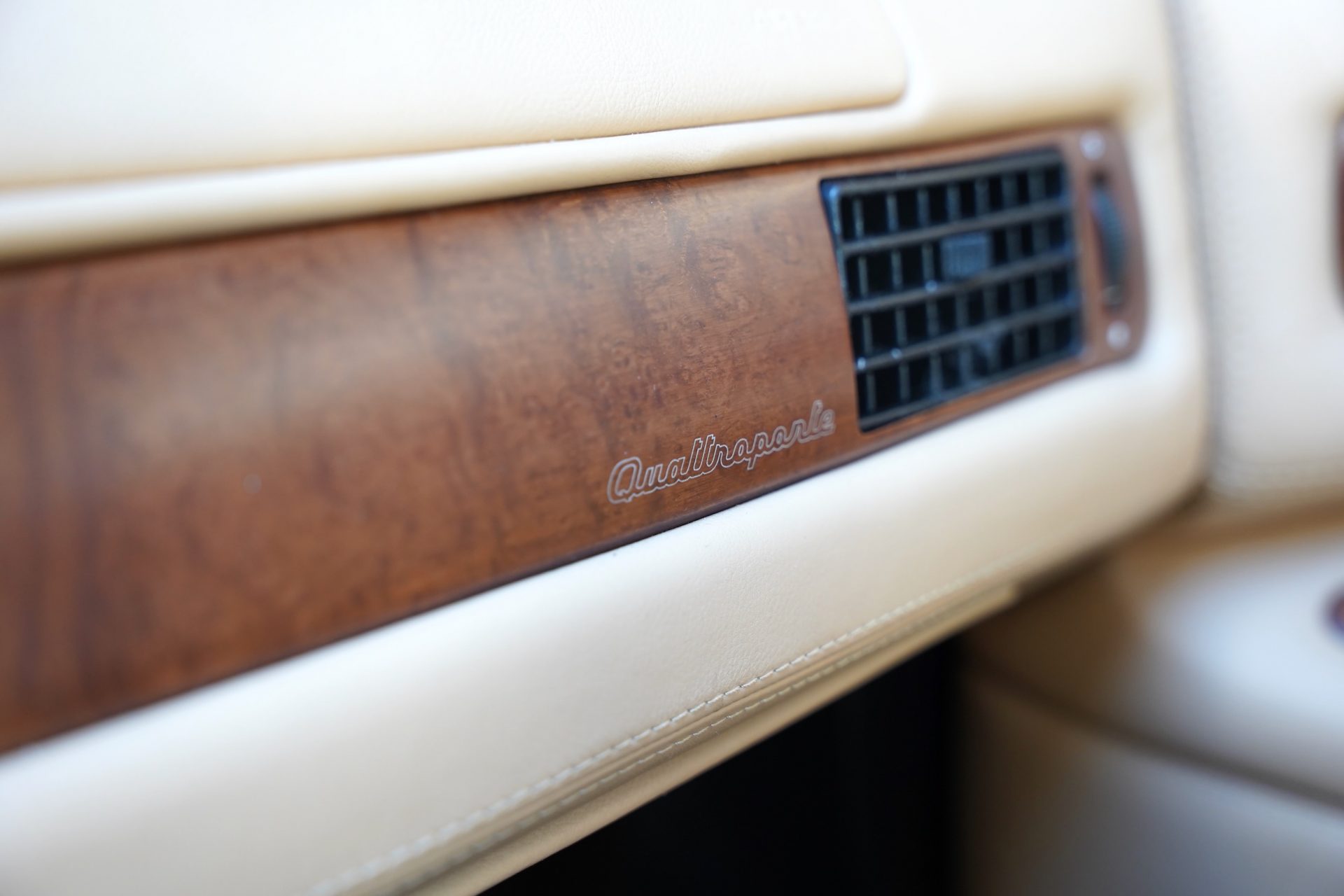
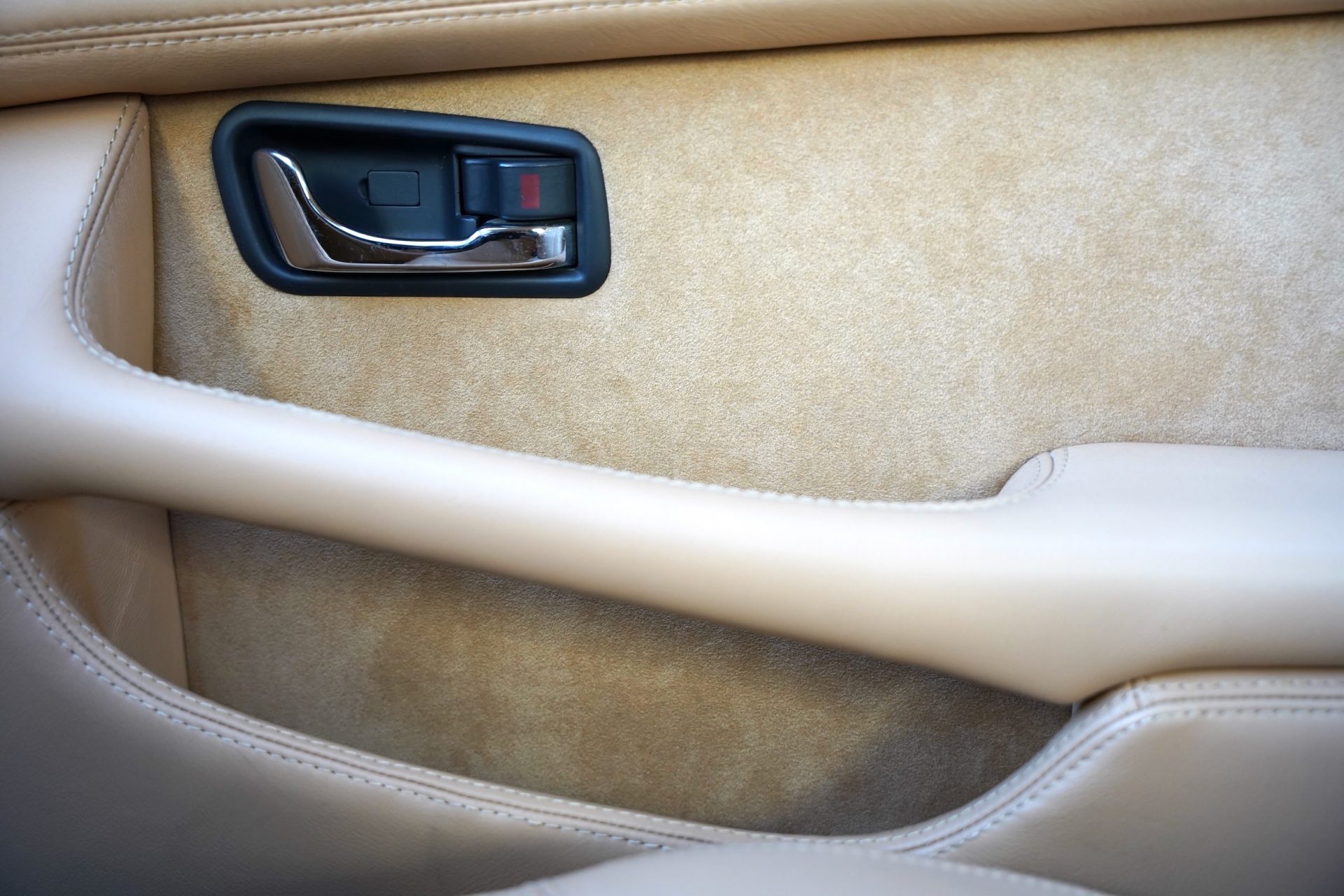

And we haven’t even talked about the interior yet. Fine wood, leather, Alcantara, it’s a true splendour. Even today, it’s simply beautiful. Sure, a Maserati Quattroporte V8 3.2 Evo cost a hefty 108,800 Swiss francs in 1999, but a Mercedes C43 AMG also came to 97,700 Swiss francs. And inside and out it looked like a C-Class of the time, more like, let’s not talk about that. And then there was also: eight cylinders.
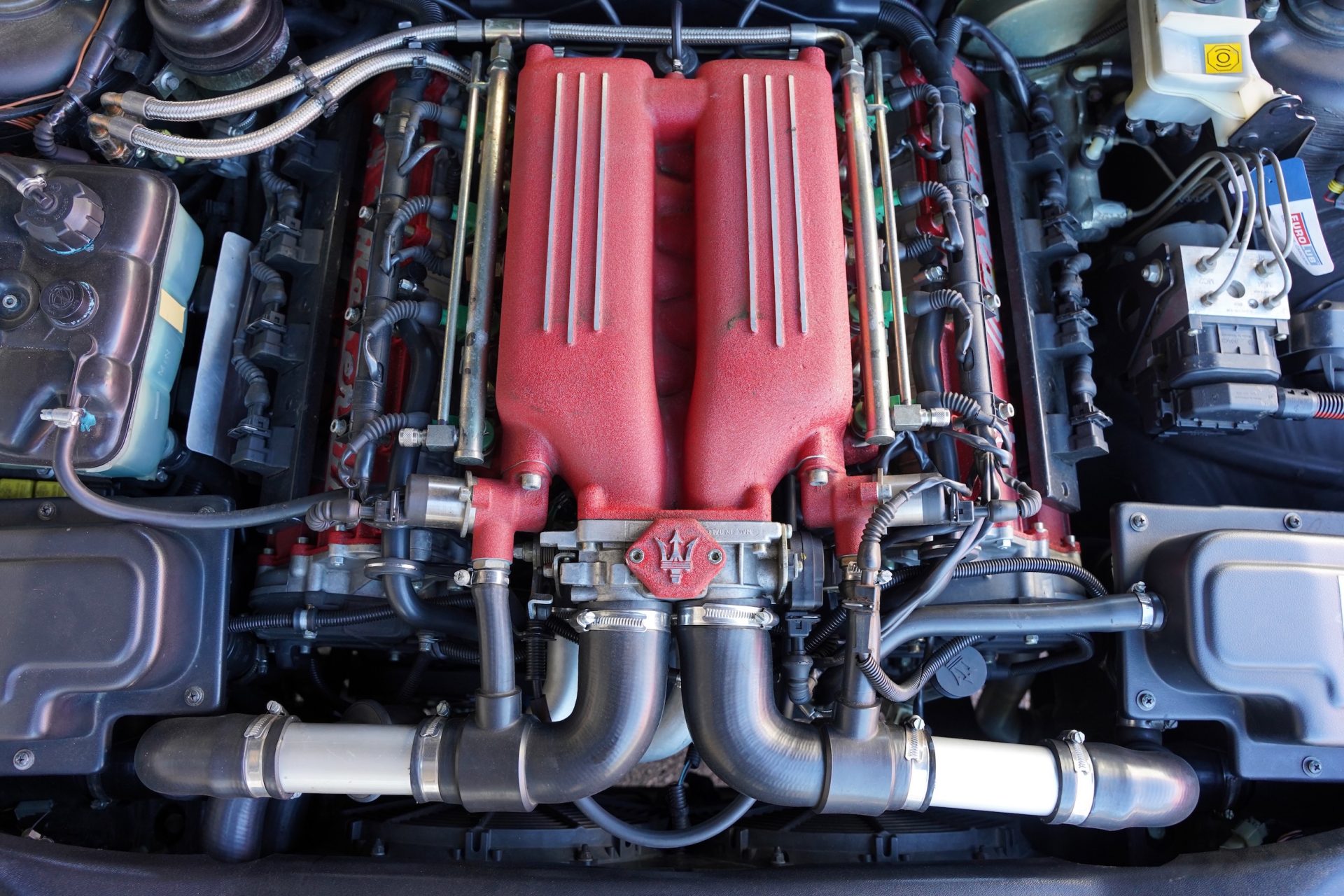
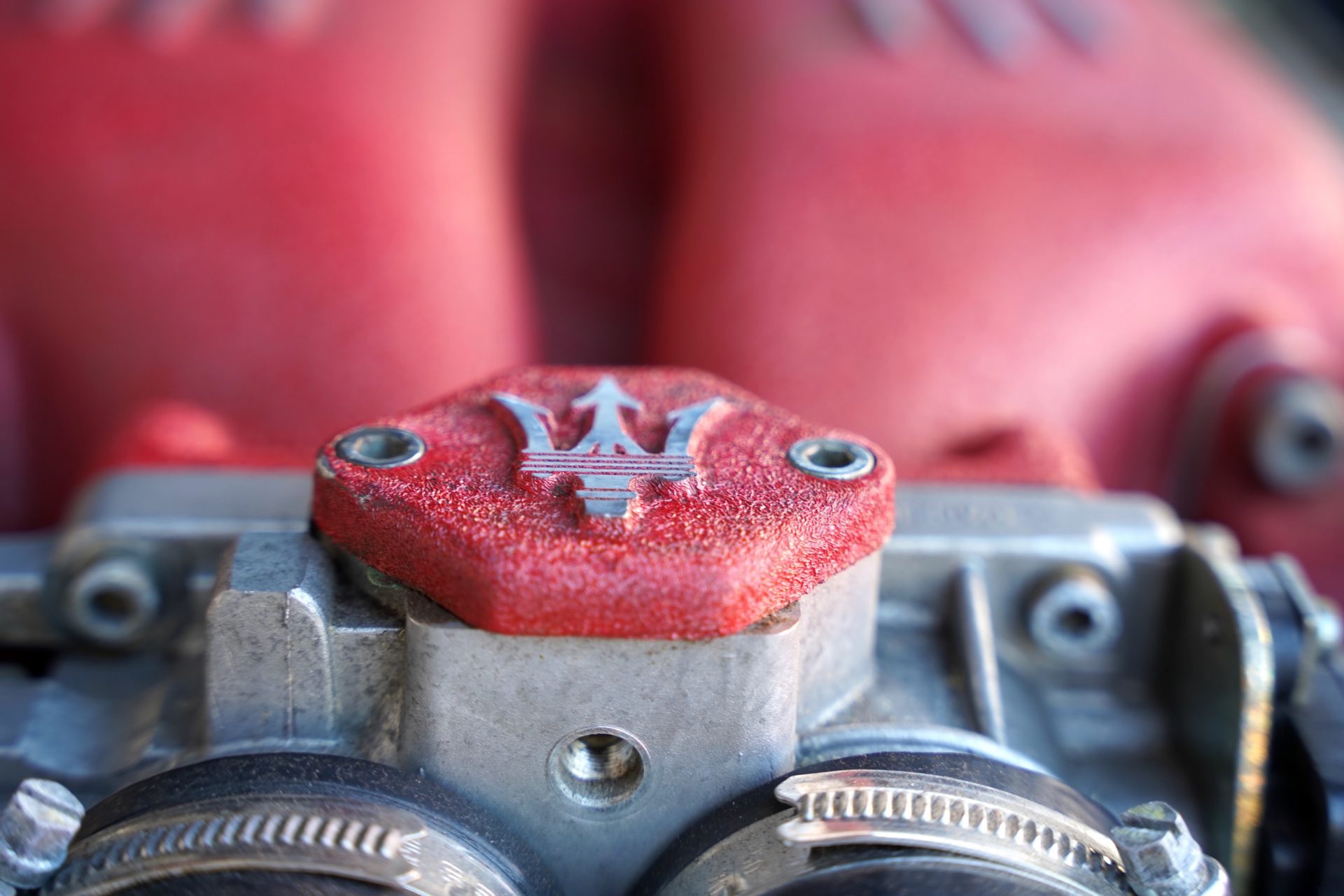
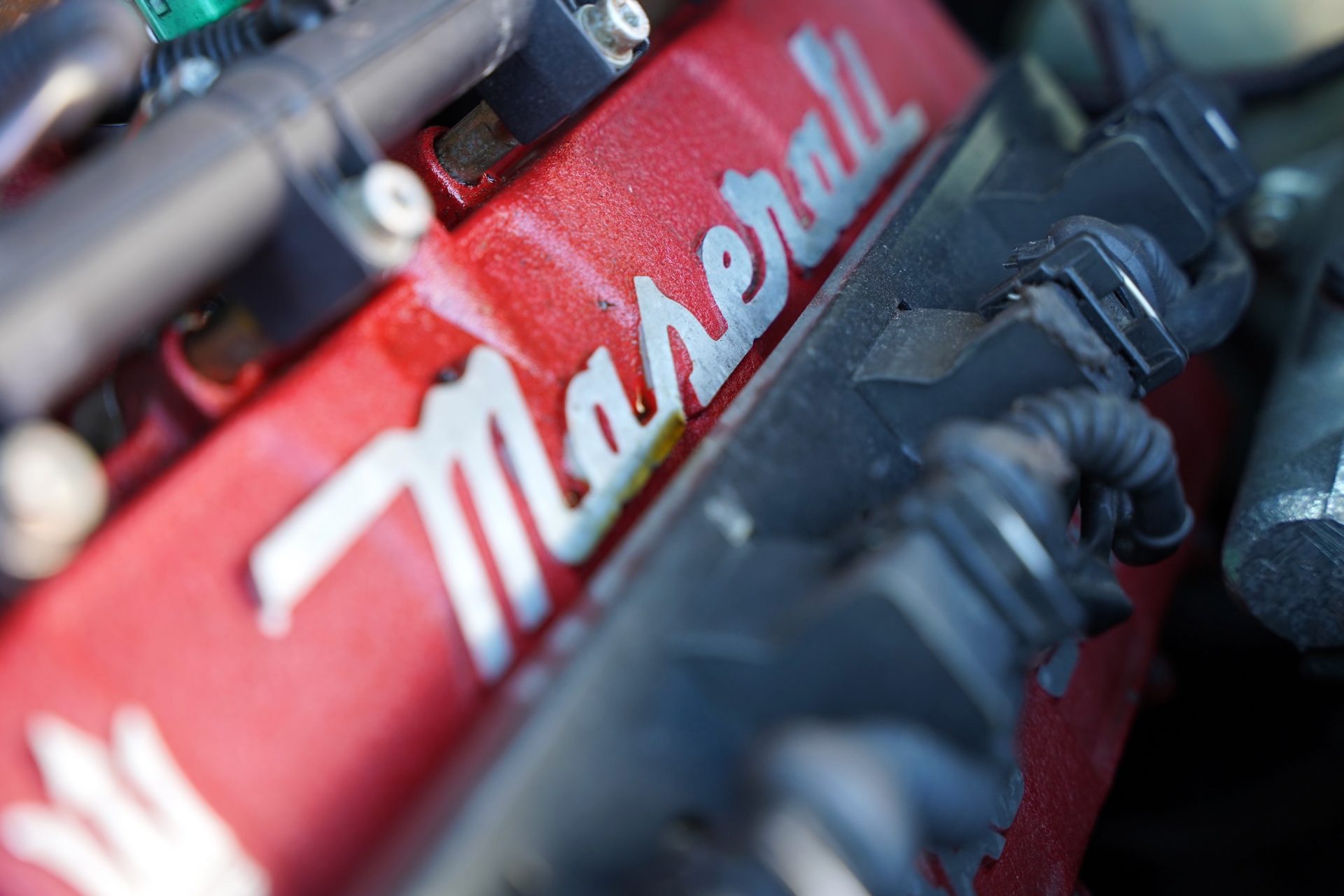
The Biturbo had begun its career as a two-litre six-cylinder with twin turbocharging. In principle, it was a fine machine, but at the beginning it was not sophisticated enough. Over the years, the engine became better, stronger and larger. From 1996 onwards, there was also the eight-cylinder engine with 3.2 litres displacement, four overhead camshafts, four valves per cylinder. And still quite a hefty 335 hp at 6400 rpm. This carried it, manually shifted over six gears, to 100 in less than 6 seconds, and towards the top it only stopped at 270 km/h. No, there weren’t many vehicles that were faster back then.
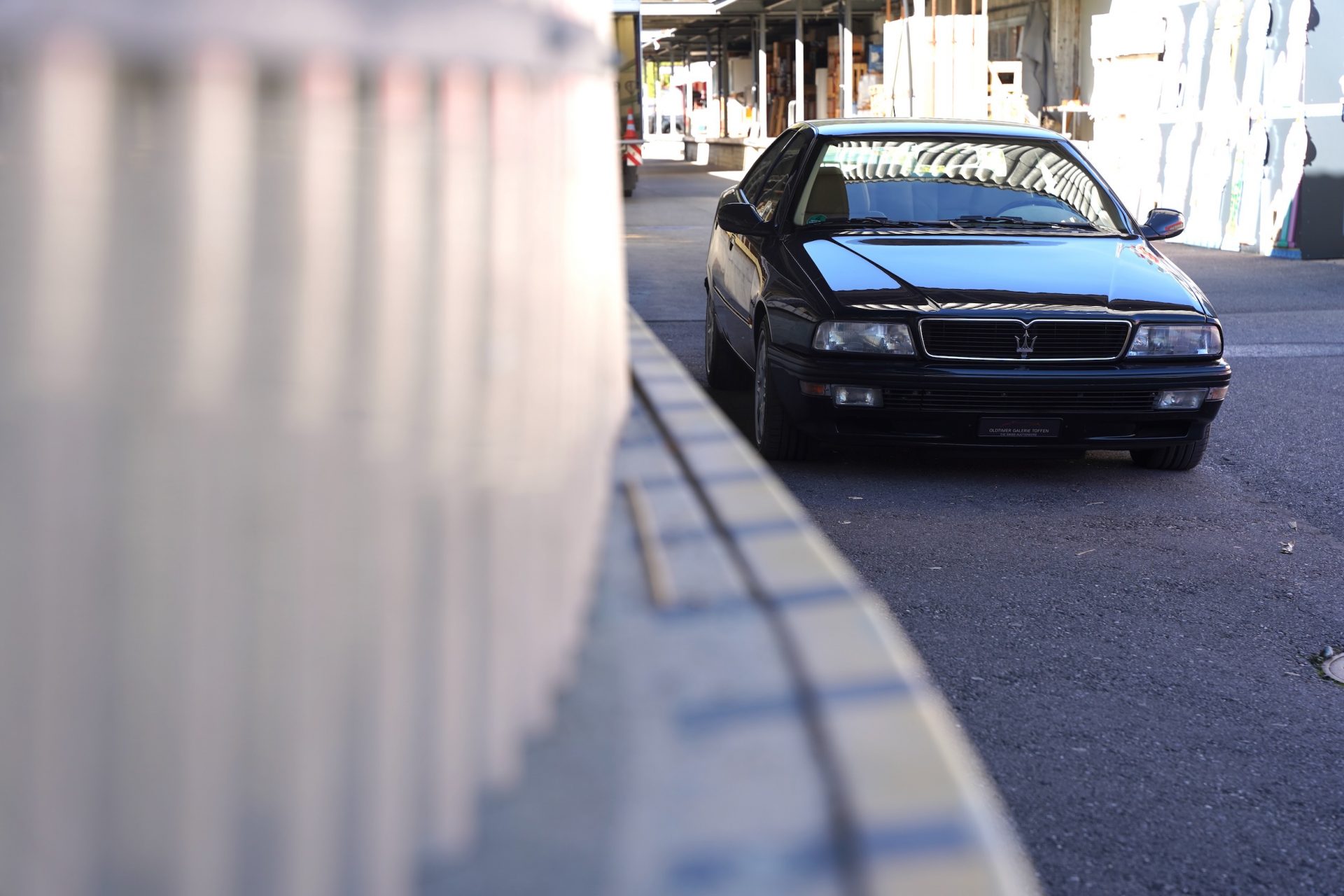
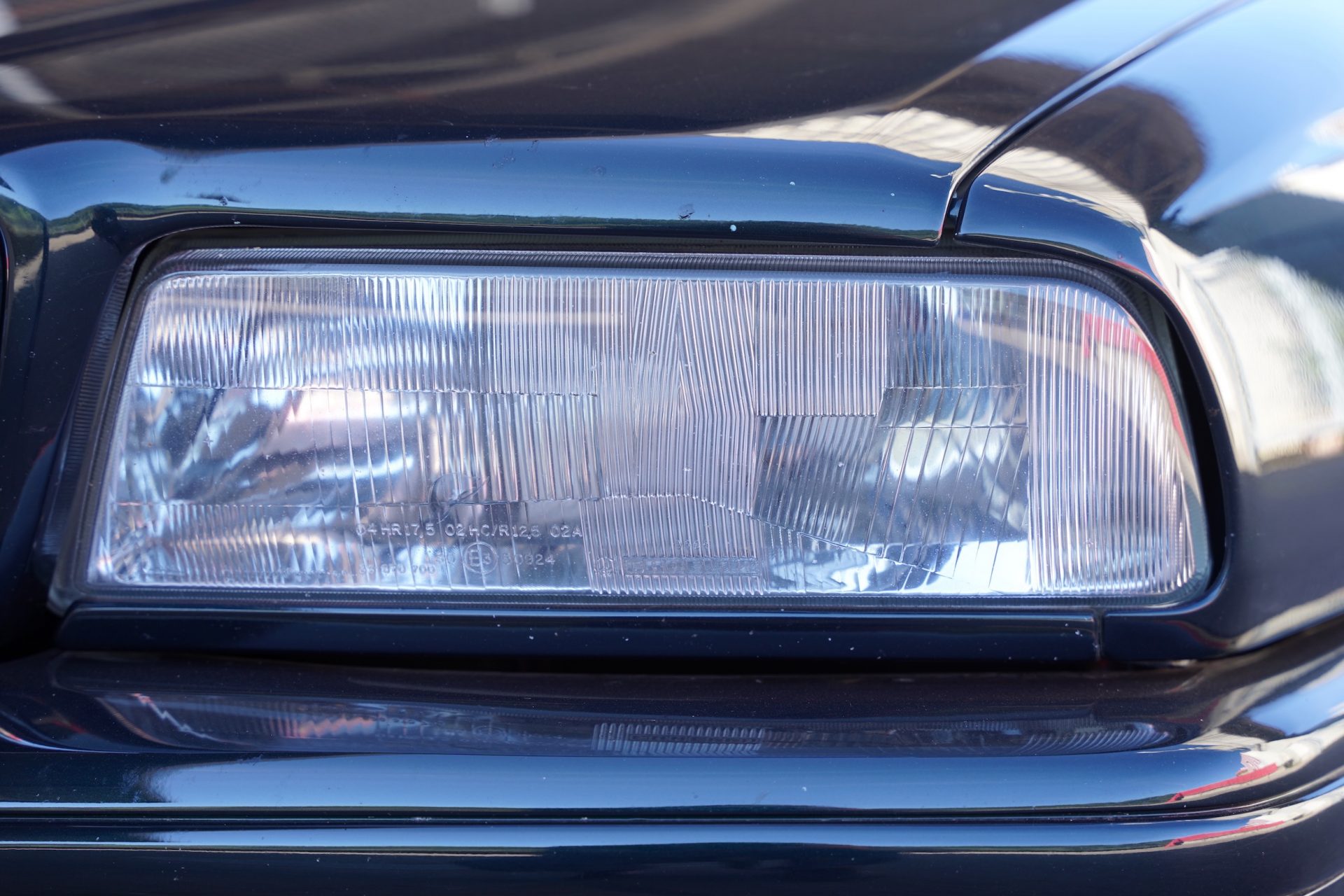
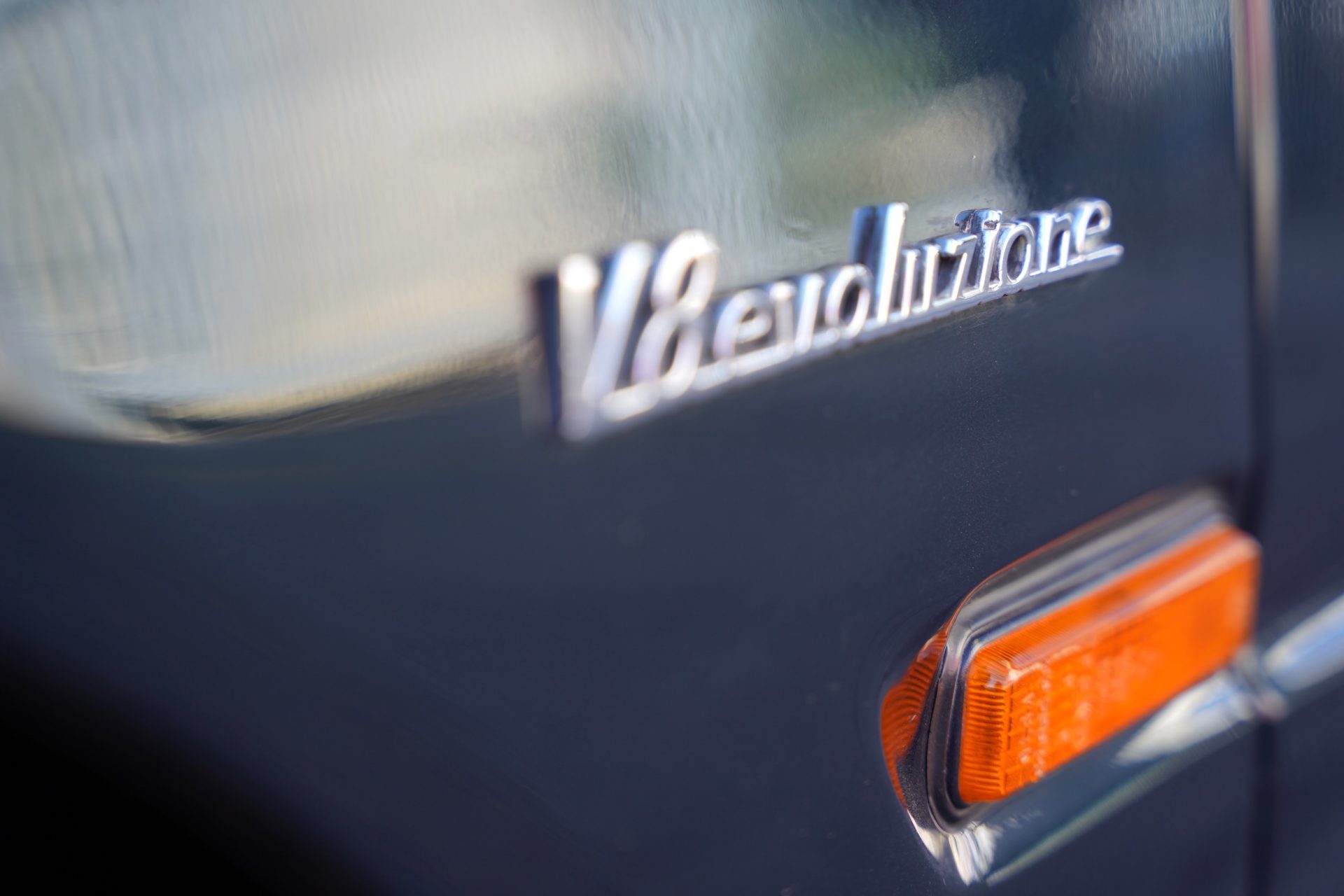
Yet the Maserati was somehow uprooted, the fourth generation of the Quattroporte was a transitional model between many fronts. When it was developed, Alejandro de Tomaso was already pretty broke. When it came onto the market, Fiat took over the helm at Maserati shortly afterwards. And from 1997 onwards, Ferrari was in the lead. This, however, was good for the Quattroporte, because already in 1998 it came as “Evoluzione”, 400 improvements are said to have been made with the help of Ferrari. Above all, work was done on the engine, there were new cylinder heads, a modified crankshaft, new pistons – the reliability was on a much higher level. The interior of the Tipo 337 was also upgraded.

So we were on the road with just such an eight-cylinder Evo, manually shifted (there was also a four-speed automatic from BTR). It was a very rare product, until 2001 only 340 examples were built (in total only 2400 Quattroporte IV were built). Our test vehicle is in wonderful condition, the interior looks like new, even the paintwork shines. And then this Maserati sounds so wonderful even at idle, beautifully quiet, but you can already hear that it can do it. And it can do it perfectly, you don’t really feel any turbo lag, it pulls up sovereignly. And it goes splendidly. The suspension, with adjustable dampers developed by Koni, is an excellent compromise between sportiness and comfort, they already had Modena excellently under control at that time (see also driving report Maserati MC20).

This fine example in “Verde Brooklands” and with 81’000 kilometres on the clock, which we didn’t want to give away, will be auctioned by the Oldtimer Galerie in Toffen on 15 October. The estimated price is between 28,000 and 32,000 Swiss francs – this valuation is solely due to the fact that the Biturbo family of Maserati unfortunately does not have the best reputation. And the Quattroporte is therefore extremely underestimated. And yet, as an eight-cylinder Evo (with a few Ferrari genes), it is a more than just wonderful vehicle, cool, exceptional, discreet. If someone wants to make it available to us as a company car – but no matter.

All offers of the autumn auction of the Oldtimer Gallery can be found: here. And we still have plenty of good stuff in the archives.
Be First to Comment