

Then don’t
Again and again, more and more often, we are scolded that “radical” only features articles about expensive cars. We have to accept this criticism, it’s true. But we are not entirely to blame – there are simply hardly any new and affordable cars left. Among the actual new cars there are a lot of E (i.e. expensive) and sports cars (i.e. also expensive), the range of small cars or even just reasonable compacts is getting smaller and smaller. Citroën and Peugeot have buried their small cars, the Fiesta is going away, the smallest models in the Volkswagen group are history anyway, even Renault’s Zoe has to make way; Mercedes probably doesn’t want to offer anything below the Maybach in future. But we’d really like to, especially the smallest ones are a matter of the heart for us – it’s fun to completely squeeze out such a dwarf on a hill, to push it to its limits. And maybe even to present the rear to a supposedly sportier model (including the pilot).

Well, showing the rear is not quite so easy with the Toyota Aygo X (the X should be pronounced “Cross”). Because there is only one engine, a 1-litre three-cylinder with 72 hp and 93 Nm maximum torque. You can see it from these figures: no turbo, a very classic naturally aspirated engine. Although Toyota states the kerb weight of its 3.70-metre-long midget to be just over 1000 kilos, it is still not possible to drive the car at a reasonably fast pace. And we’re not even looking at the paper (0 to 100 km/h in 15.6 seconds according to the factory), but simply following the rest of the traffic. Sure, we’re spoiled, we’ve spent a few years with wild diesel torque monsters that have been surpassed by even fiercer e-engines, but when you’re sportily locking down from the third to the second shaft for an overtaking manoeuvre, the brush is fully down, you’re slowly approaching the red zone at 6000 rpm, but the opponent is still about the same distance away as before the gear change manoeuvre, then. Then you don’t.
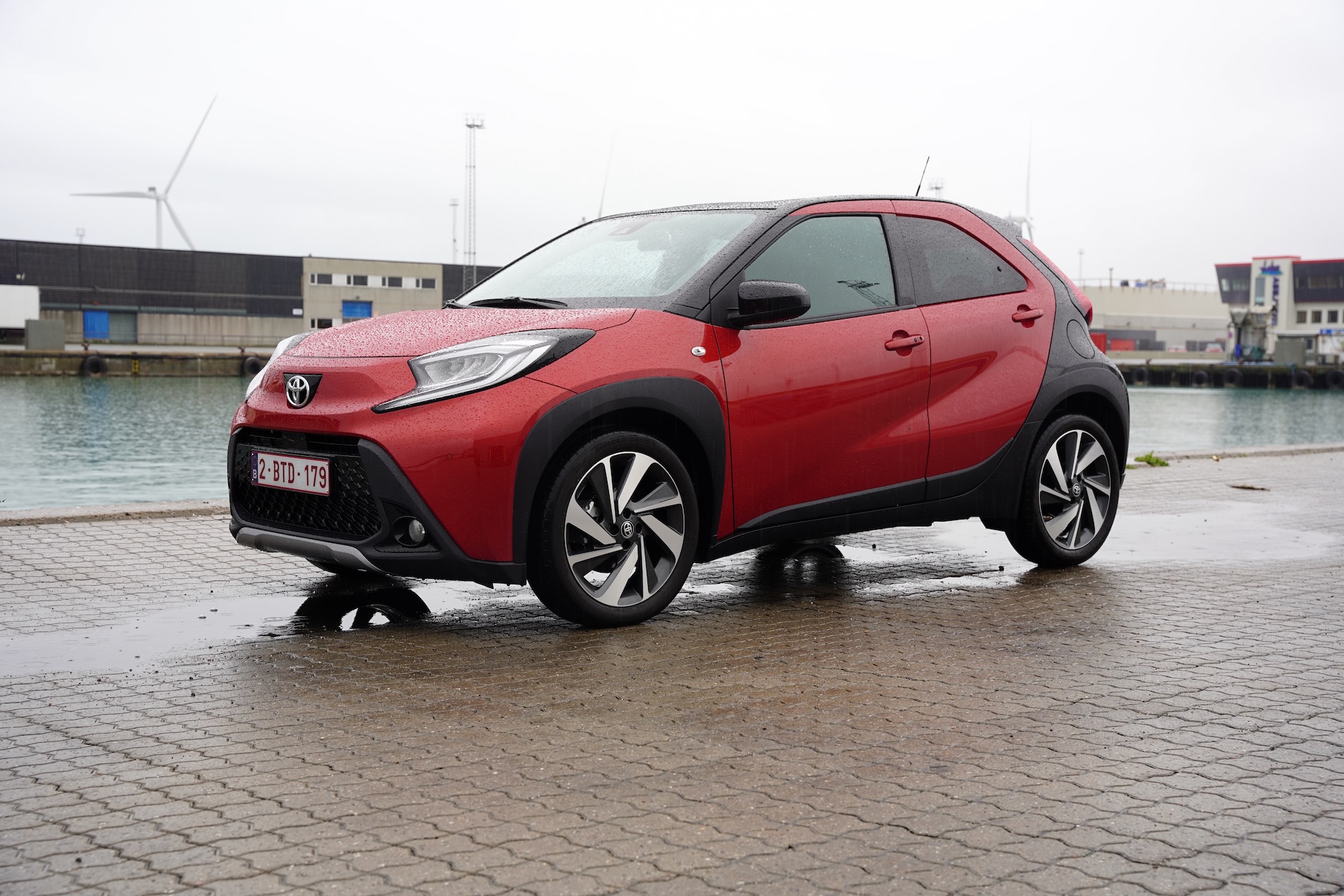
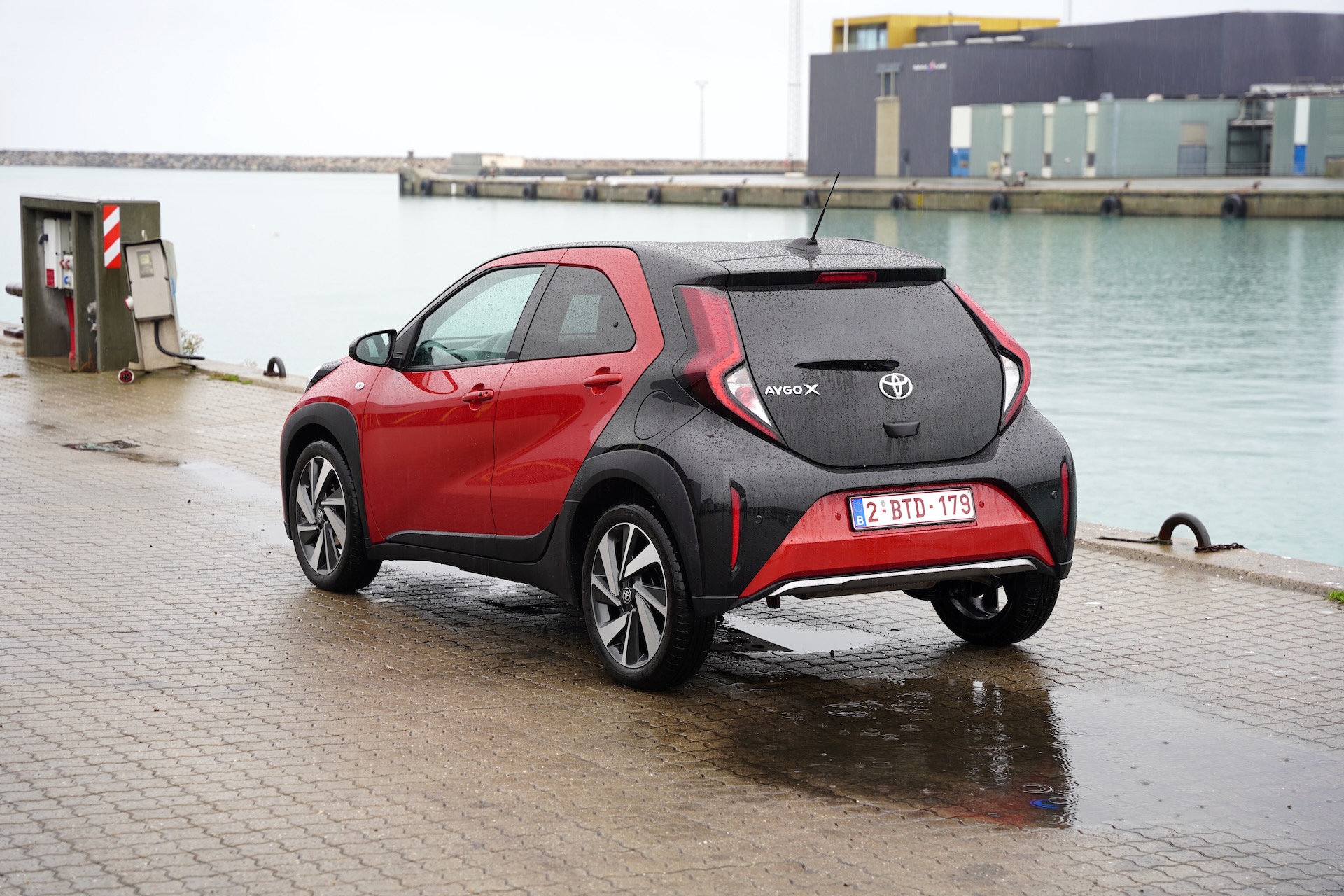
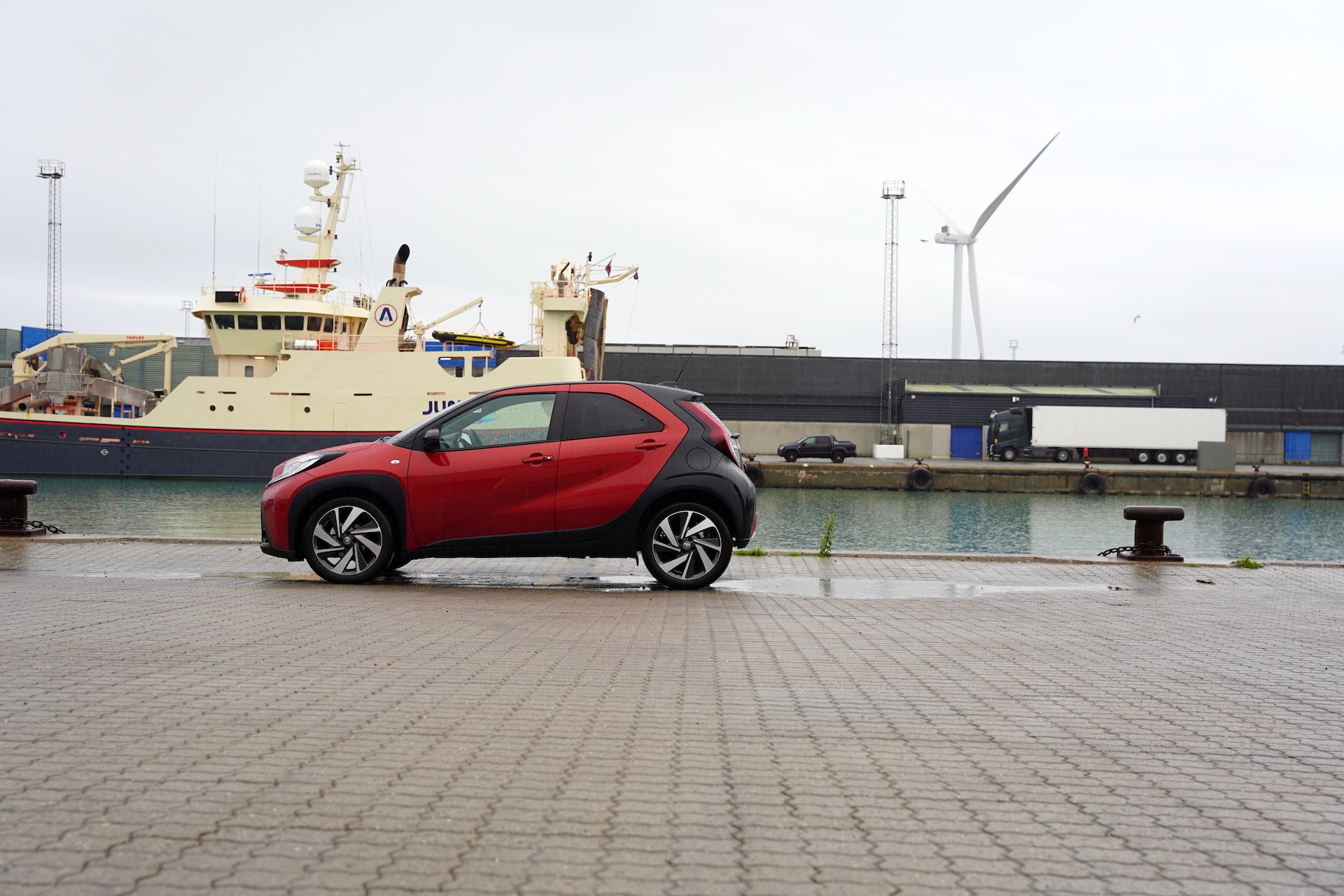
So differently. Stay in third gear, get a running start, suck in, take advantage of the slipstream, pull out at the last moment – and then hope that the straight is long enough for it to be enough. And that the candidate for overtaking doesn’t suddenly get the idea of wanting to accelerate a little. And that the wind will also be kind enough to come from behind. Along with the evening sun and homesickness. And nothing else. To be honest: We are quite amazed at how lazy the little Toyota is. Our Lancia Y10 with its 45 horses would have made it wet. Not only straight ahead, but also up hills. But the Aygo X doesn’t want to be a mountain mouse, it’s a city SUV.

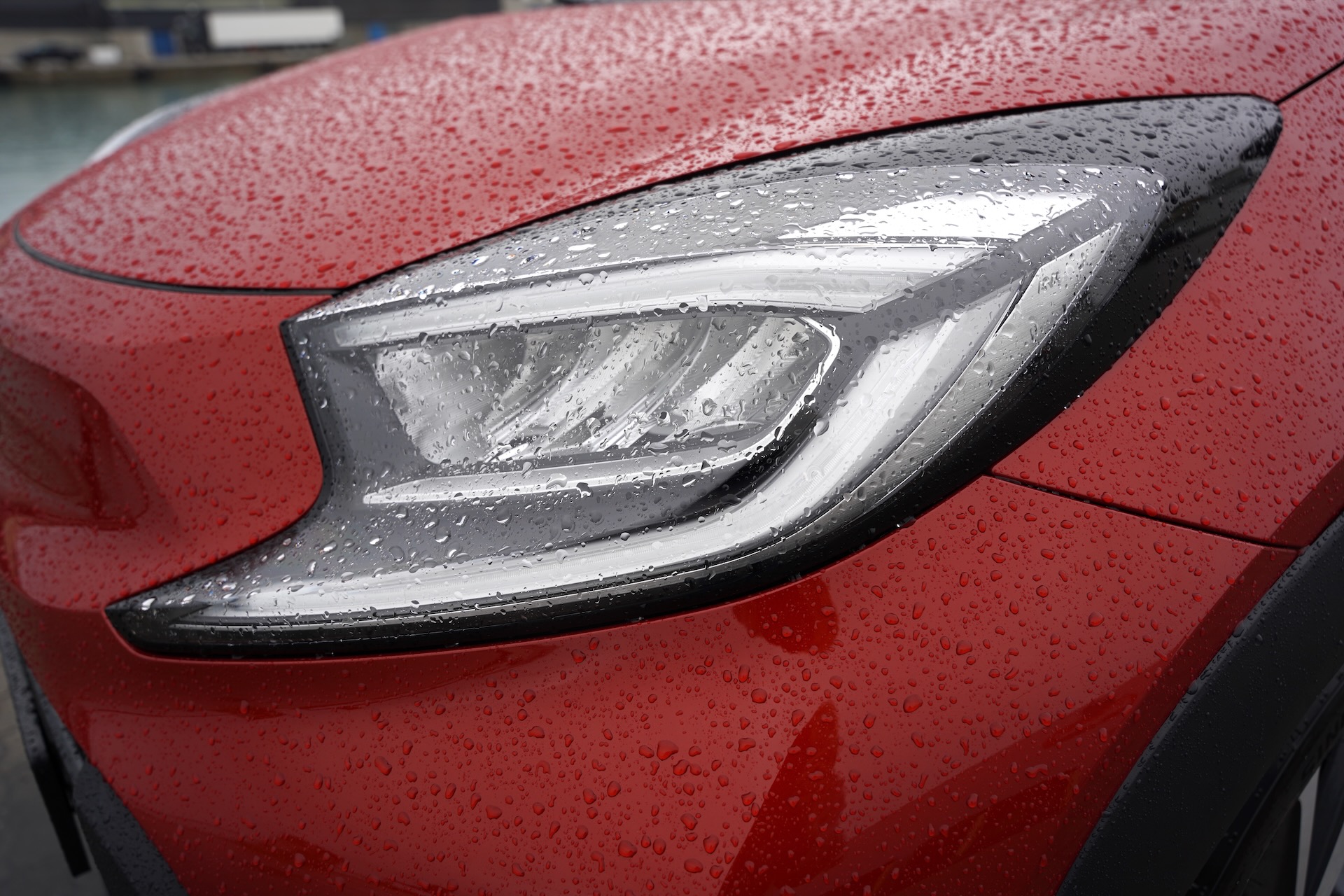
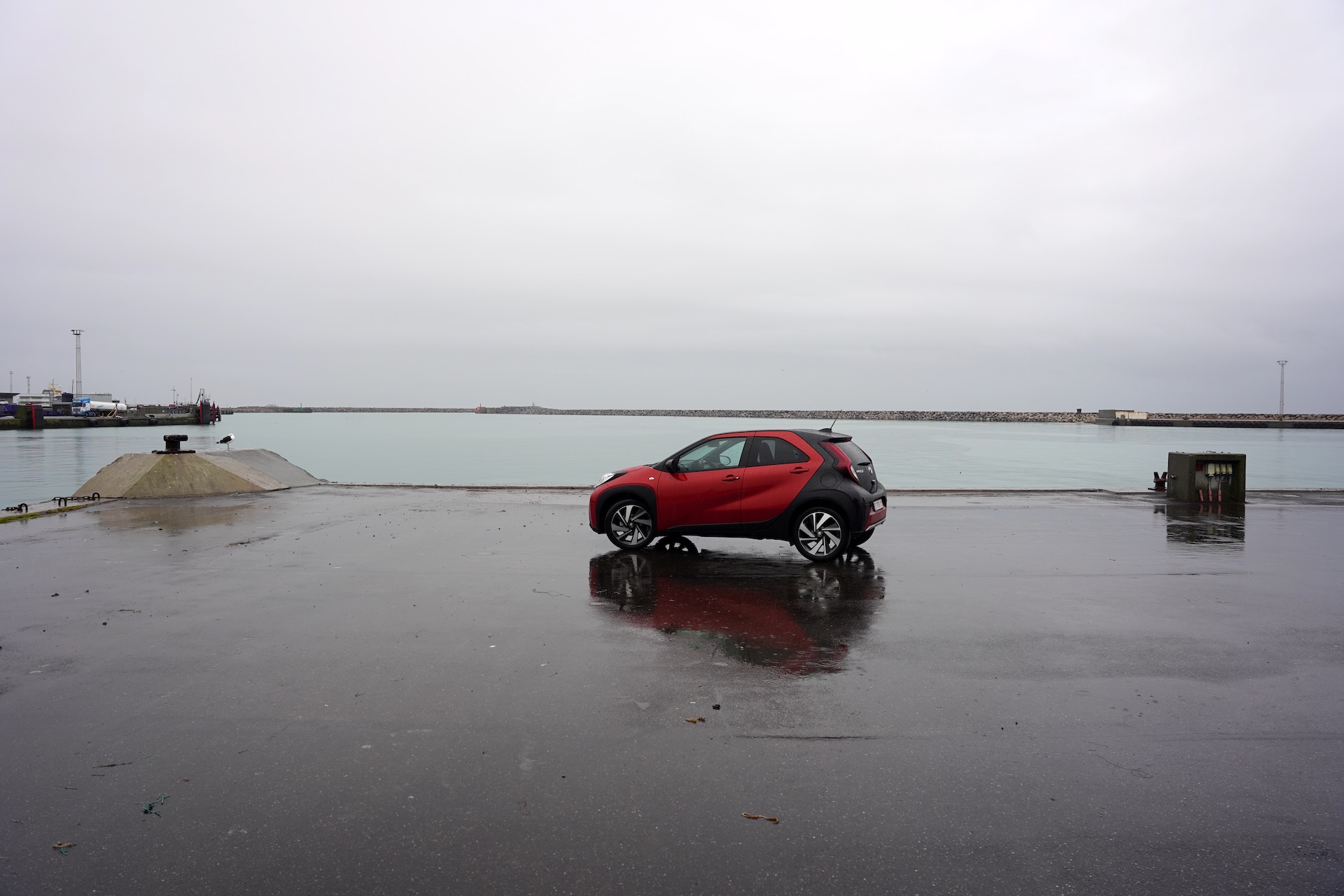
And it does that quite well in many respects. First of all: it looks good. The Aygo X easily fulfils Toyota boss Akiro Toyoda’s specification of “no more boring cars”. It is based on a shortened Yaris platform, but is still 23 centimetres longer than its predecessor – and the Japanese designers have used this to create a neat little car, very independent. With at least decent space in the front seats. And also some boot space, 231 litres to be more precise. If you fold down the rear seats, because you don’t need them for sitting anyway, it becomes 829 litres. Not so great is the high loading sill and the somewhat small opening. But you can’t have everything – Gisele Bündchen isn’t cut out to be a football defender.
What is good, however, is the design of the interior. There is a large, easy-to-read display directly in front of the steering wheel. And then there’s a huge touchscreen in the middle, which can be used to operate virtually all the vehicle’s functions; further down are the controls for the ventilation. However, the labelling there is tiny. The seats (in the front) are good, otherwise there is a lot of plastic inside, but that is common in this segment of small cars. The once common Japanese mix of what felt like seven materials is finally a thing of the past, and Toyota has put more effort into it than is usual in this price segment. The workmanship also makes a very good first impression.

Now we move to the side streets, the competition is simply too strong on the main road. The steering is a little harsh, but sufficiently precise, the suspension comfort is quite decent – and the little Japanese car is pleasantly clear (even when parking, by the way – the rear is finished where you can see it). You won’t be driving at wild speeds anyway, and up to that point it keeps well on track; the manual five-speed is also easy to operate. We wonder, however, what the effect will be on fuel consumption if the three-cylinder engine is driven consistently – the 4.8 litres according to WLTP given by the factory will hardly be enough. But this is nothing new either: downsizing is not the last word in wisdom. And perhaps a gentle boost would inspire a more relaxed driving style – in the end, it is the driver who has a not insignificant influence on consumption.

In Germany, such a Toyota Aygo X is available from 15’890 Euros – and in Switzerland, surprisingly, from 15’900 Swiss Francs. That seems very fair to us, even if the performance is not really that great. On the other hand, the discovery of slowness is still a noble goal for many a contemporary; deceleration also leads to serenity. And if you drive more slowly, you can enjoy this beautiful car for longer. Even in the basic version, there is a distance control system, and if you add a little extra, you get the full package with all the assistants and safety features that cars seem to need today. Less can be more, but that’s for everyone to decide.
We also have more powerful vehicles in our archive.
Be First to Comment