

Rising star
No, we don’t want to tell the whole Wankel story here, maybe another time. And the first two generations of the Mazda RX-7 are not the focus here either, but they will certainly be at some other time. Just this much: The RX-7 (internal designation: SA2) was launched in 1978. Its 1.1-litre two-rotor rotary engine, developed by Kenichi Yamamoto, produced 105 hp, giving the Mazda very respectable performance figures: 0 to 100 in 10 seconds and a top speed of almost 200 km/h. Later, the power output increased to 115 hp, and a total of 471,000 units were built. Its successor, known internally as the FC3S, did not achieve this, with only 272,000 units produced. And that was despite the fact that the Wankel engine, now with turbocharging, initially delivered 150 hp and later up to 218 hp; there was even a convertible version. However, the increase in power was accompanied not only by higher fuel consumption but also a higher price: the RX-7 was moving further and further away from the affordable fun car it had been in its first generation.
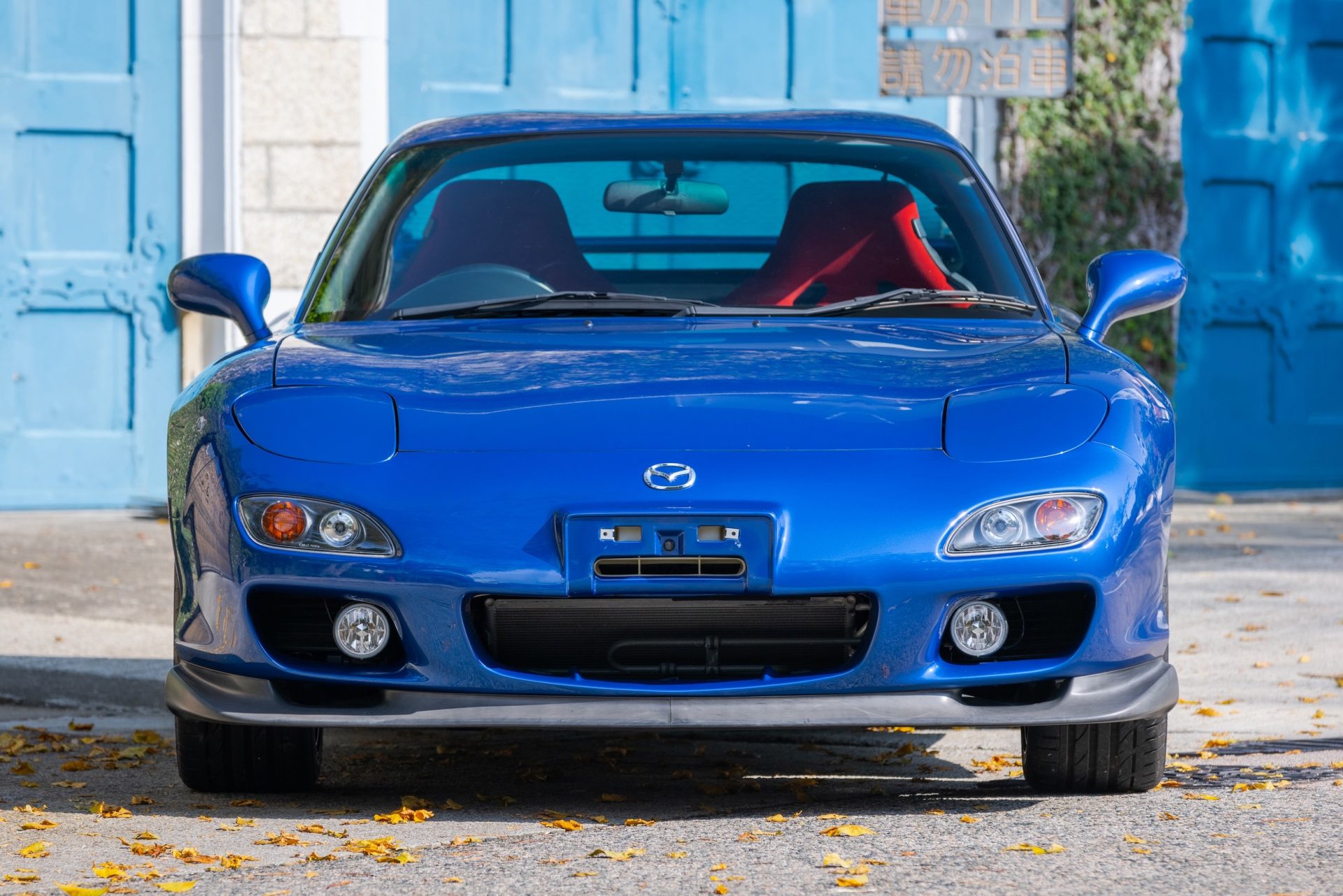
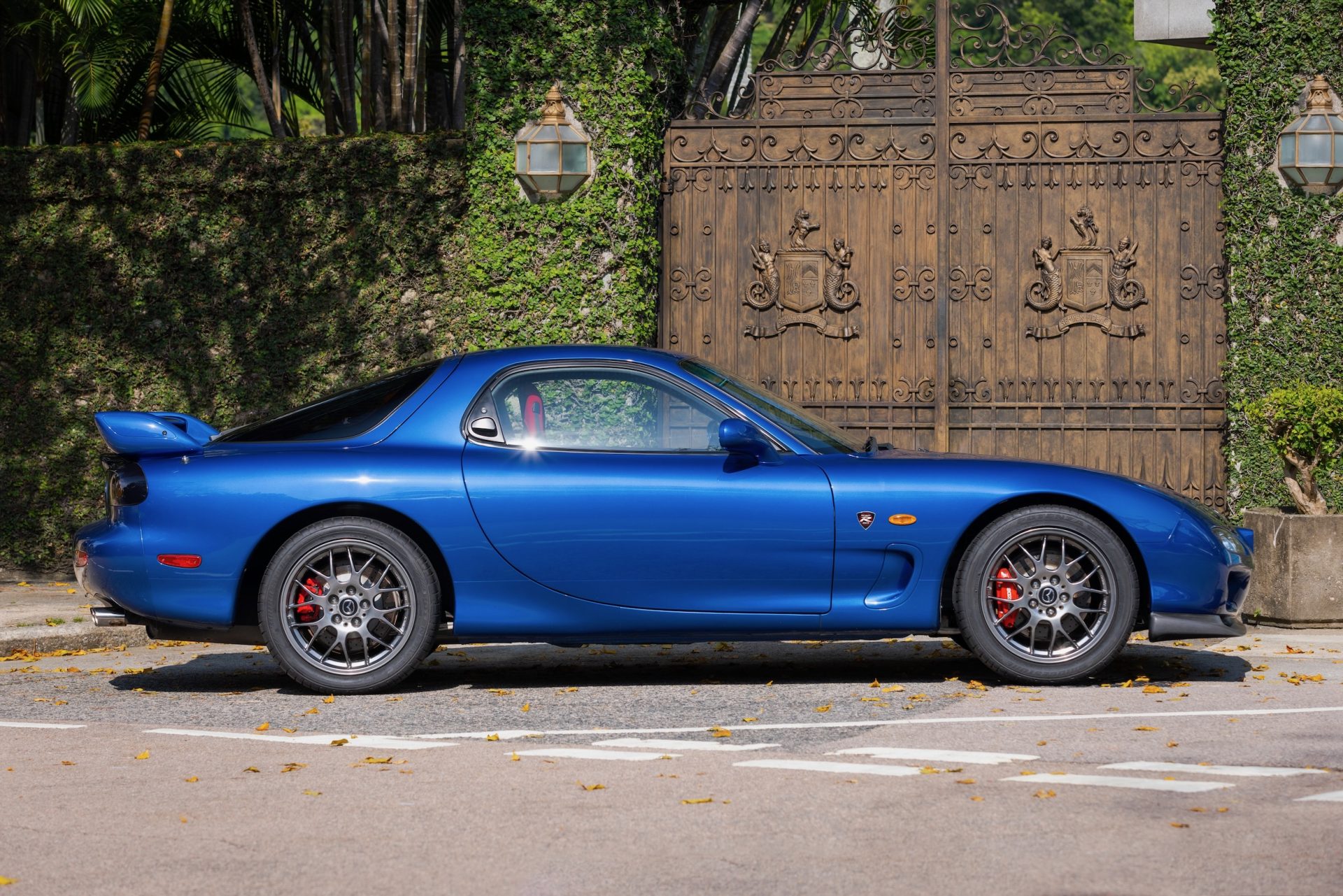
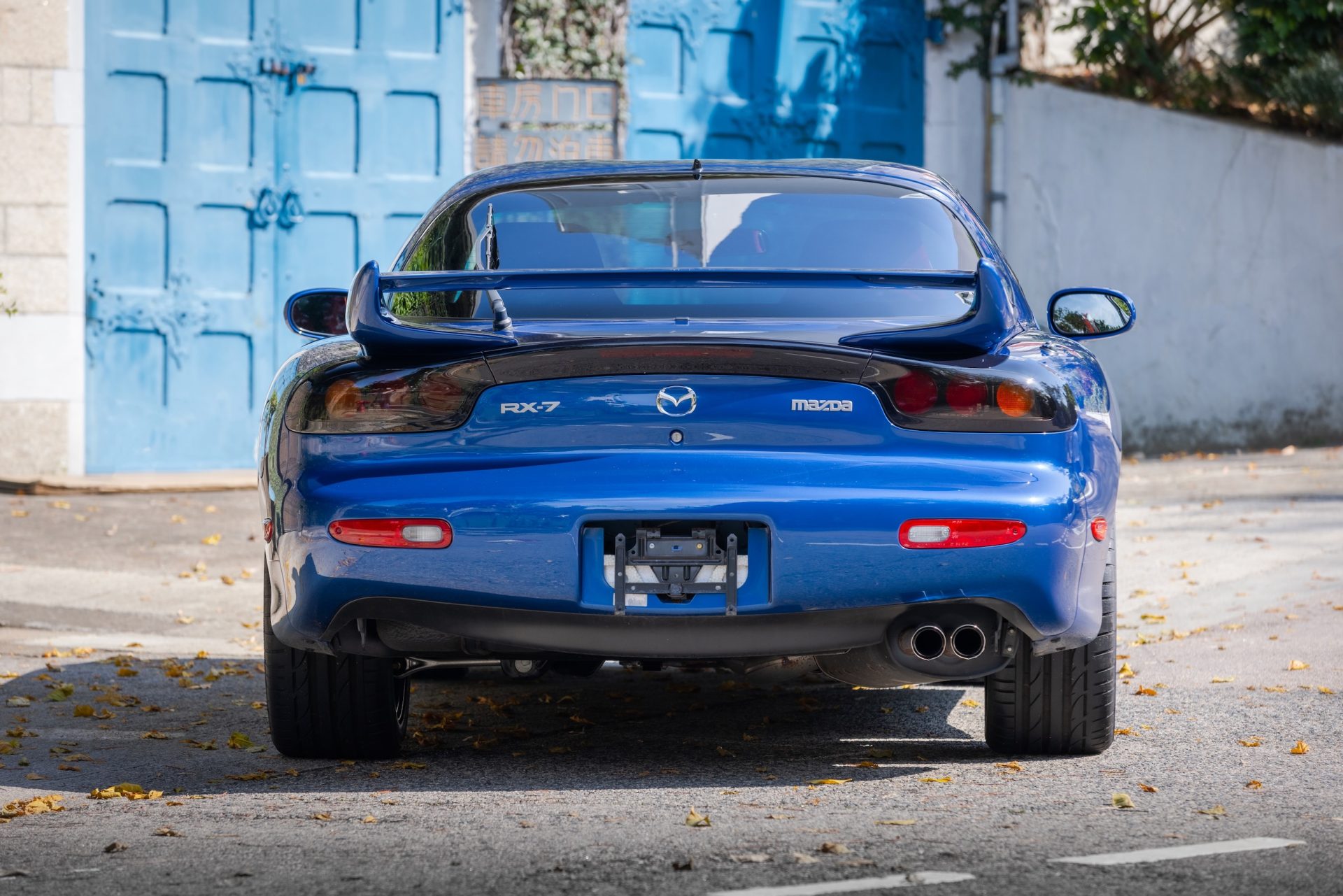
But we are talking here about the final, third generation of the Mazda RX-7, known internally as the FD3S, of which fewer than 69,000 units were sold. This was not because the Japanese car was not a good car, quite the contrary, but it was expensive – and at some point it was no longer available in many markets because it no longer complied with emissions regulations. Yes, fuel consumption was a problem – and contrary to all the doom and gloom, it was not oil but petrol. At the beginning of its long career – the FD3S was produced from 1991 to 2002 – the 2-disc Wankel engine with its 1.3-litre displacement delivered 239 hp and a maximum torque of 294 Nm at 5000 rpm. The performance was outstanding, with 0 to 100 km/h in 5.3 seconds and a top speed of 250 km/h. The attractive Japanese car also owed this to its kerb weight of only 1300 kilograms.
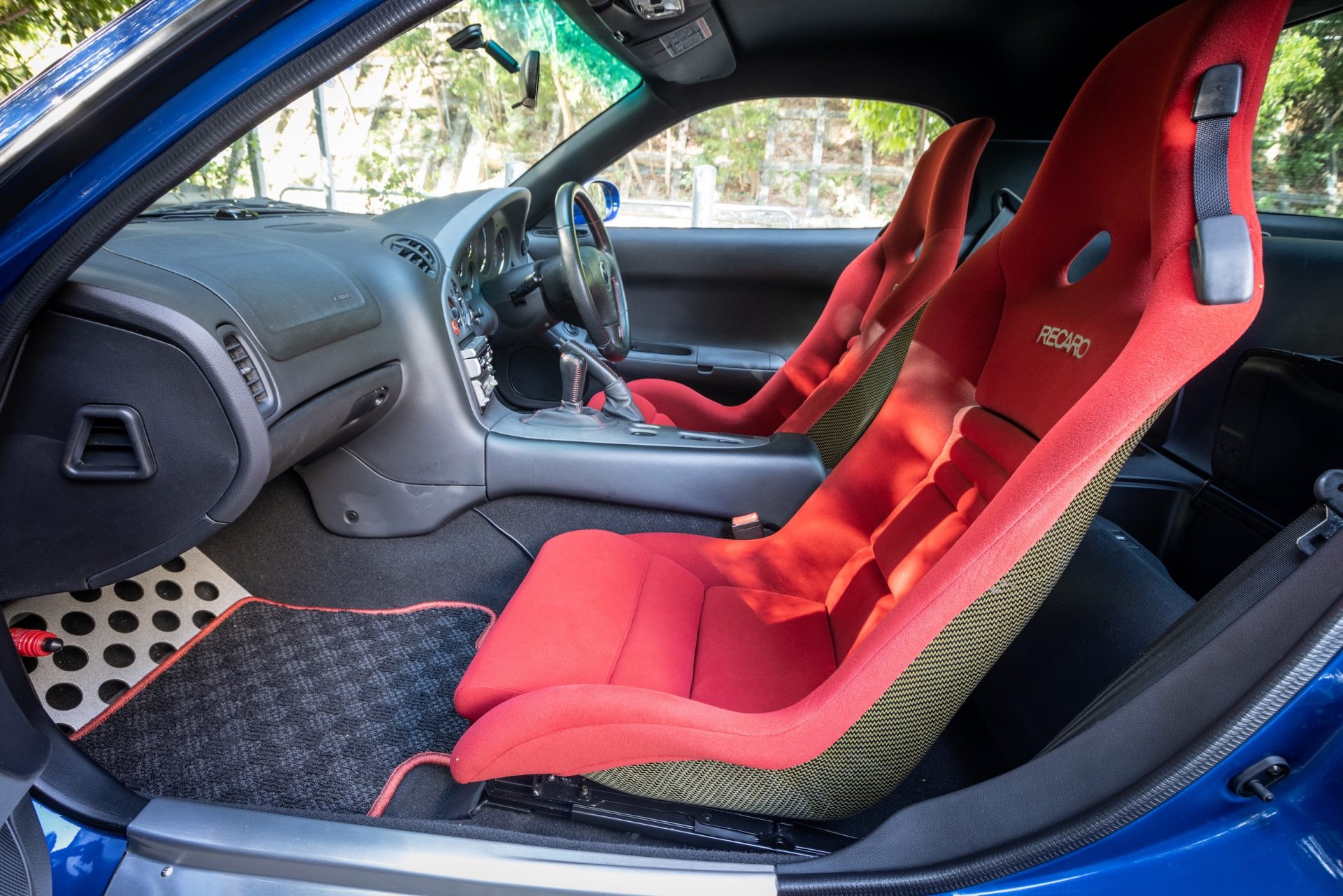

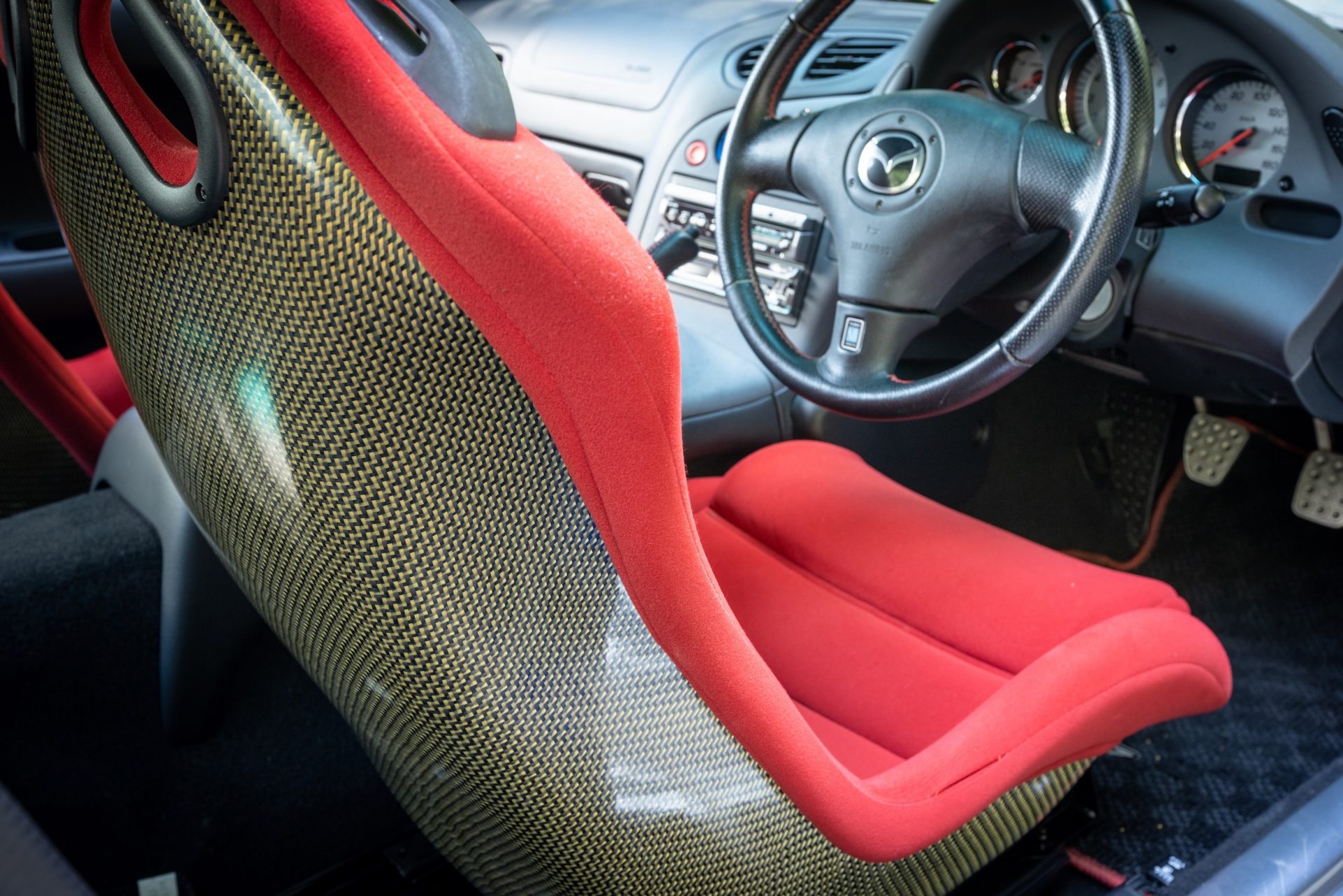
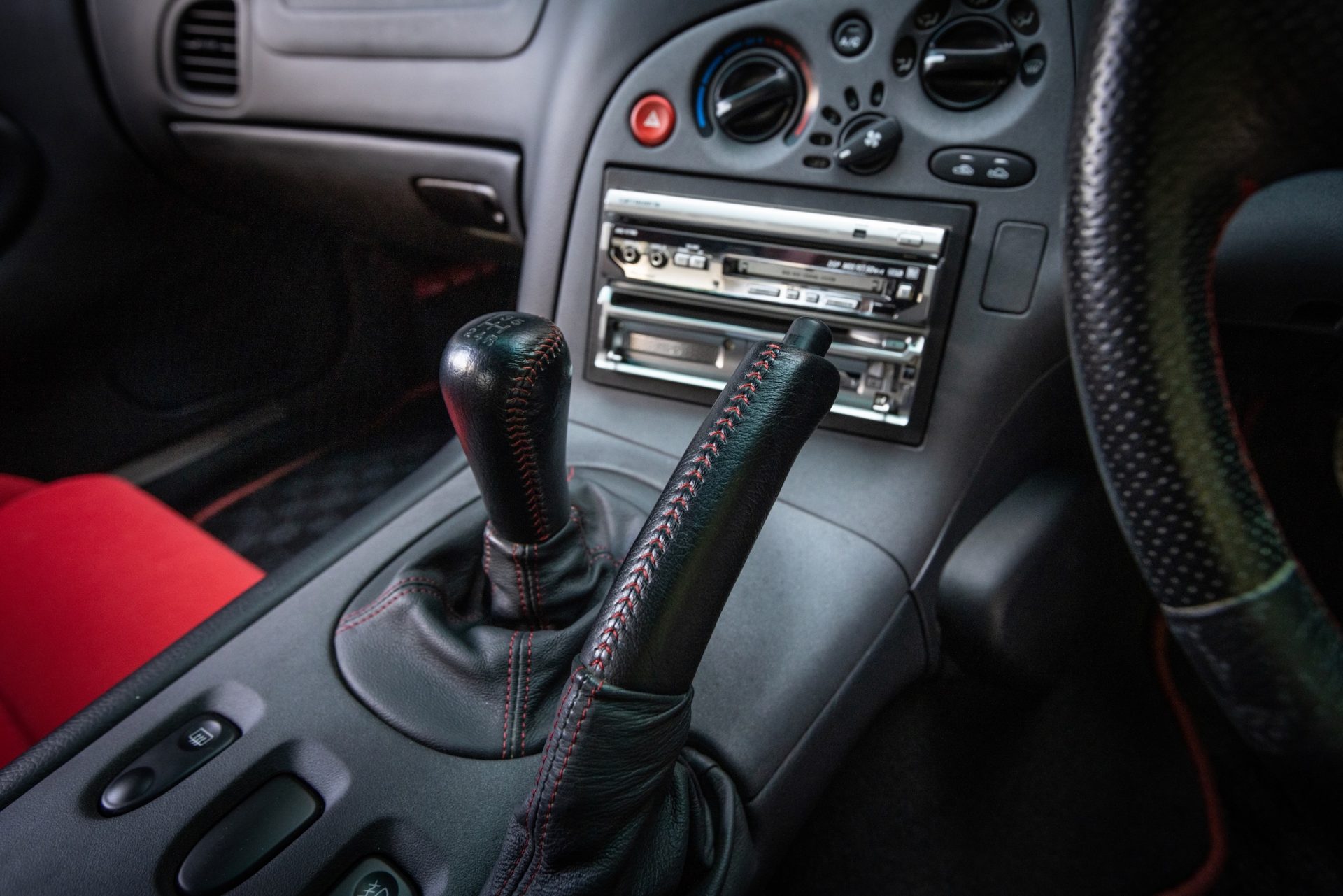
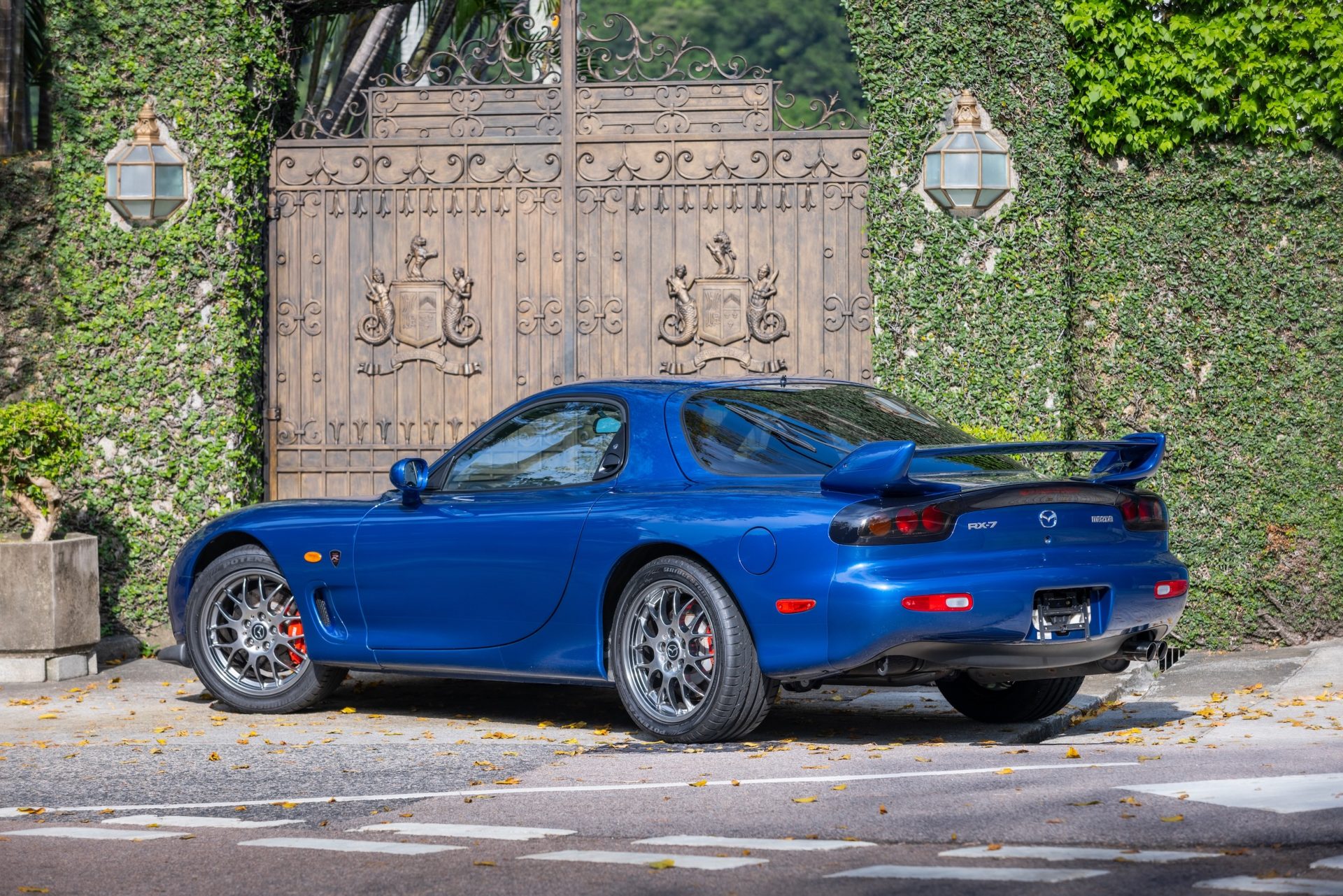
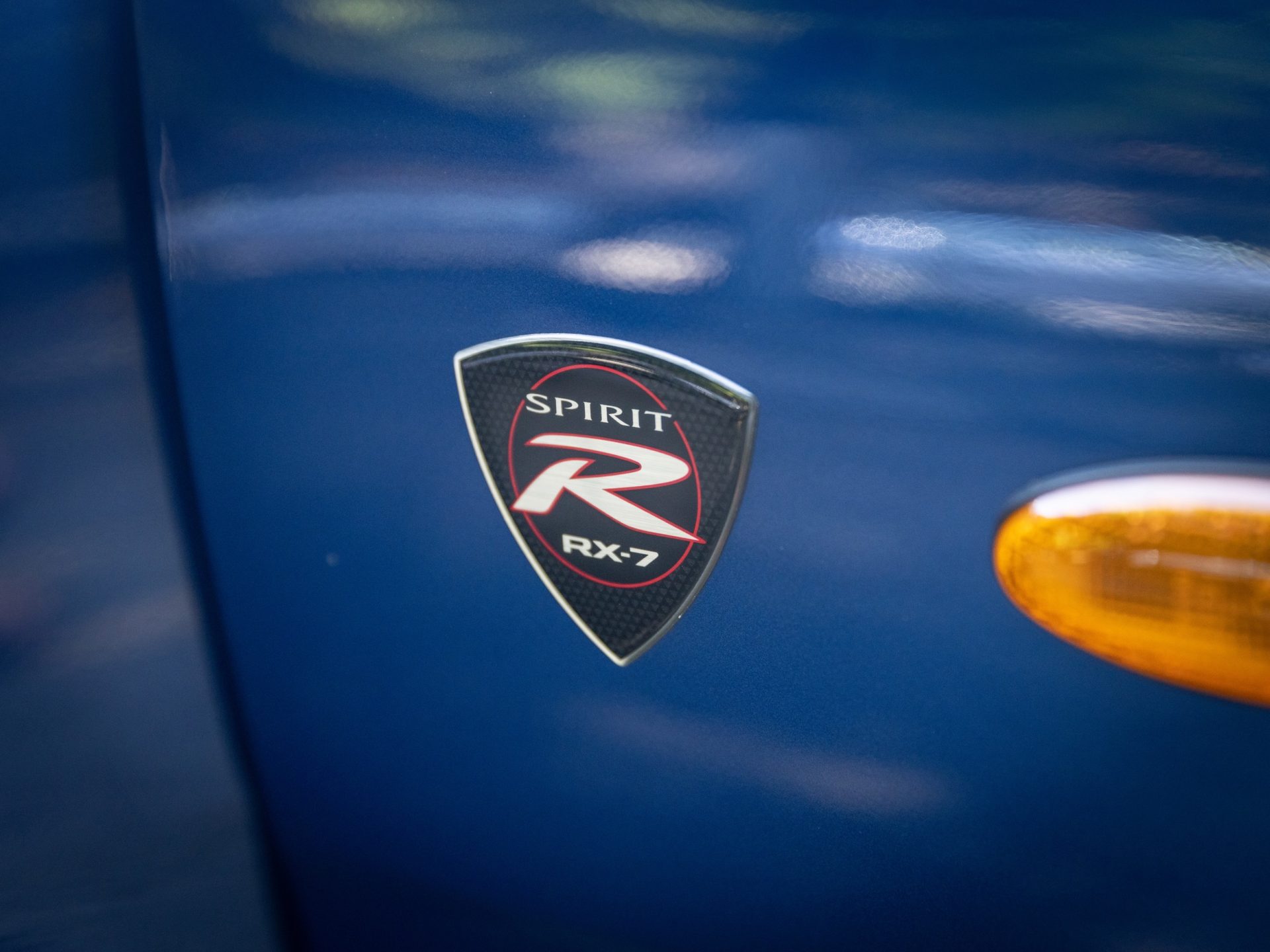
Let’s be clear: the Mazda RX-7 offered (and still offers) an exceptionally enjoyable driving experience. The Japanese car was excellently balanced, had outstanding brakes, and you could get used to the noise it made. Nevertheless, it was not taken very seriously in Europe, but there are still plenty of hardcore fans today, especially in Japan, the USA and Australia. And prices are rising steadily – there are various special models that have long since reached six figures. And it was precisely these special models that turned the Mazda RX-7 into a very respectable sports car in some cases. Officially, it never had more than 280 hp and a maximum torque of 314 Nm in Japan, but that was not Mazda’s doing, but rather the law. But a 2002 Spirit R, one of the last 1,500 models produced, certainly still had a few ponies hidden away somewhere; there were three different series, and 1,044 of the Type A shown here were sold. 217 of them in this wonderful mica blue. It is well known that one does not discuss money, but this model recently cost well over $100,000.


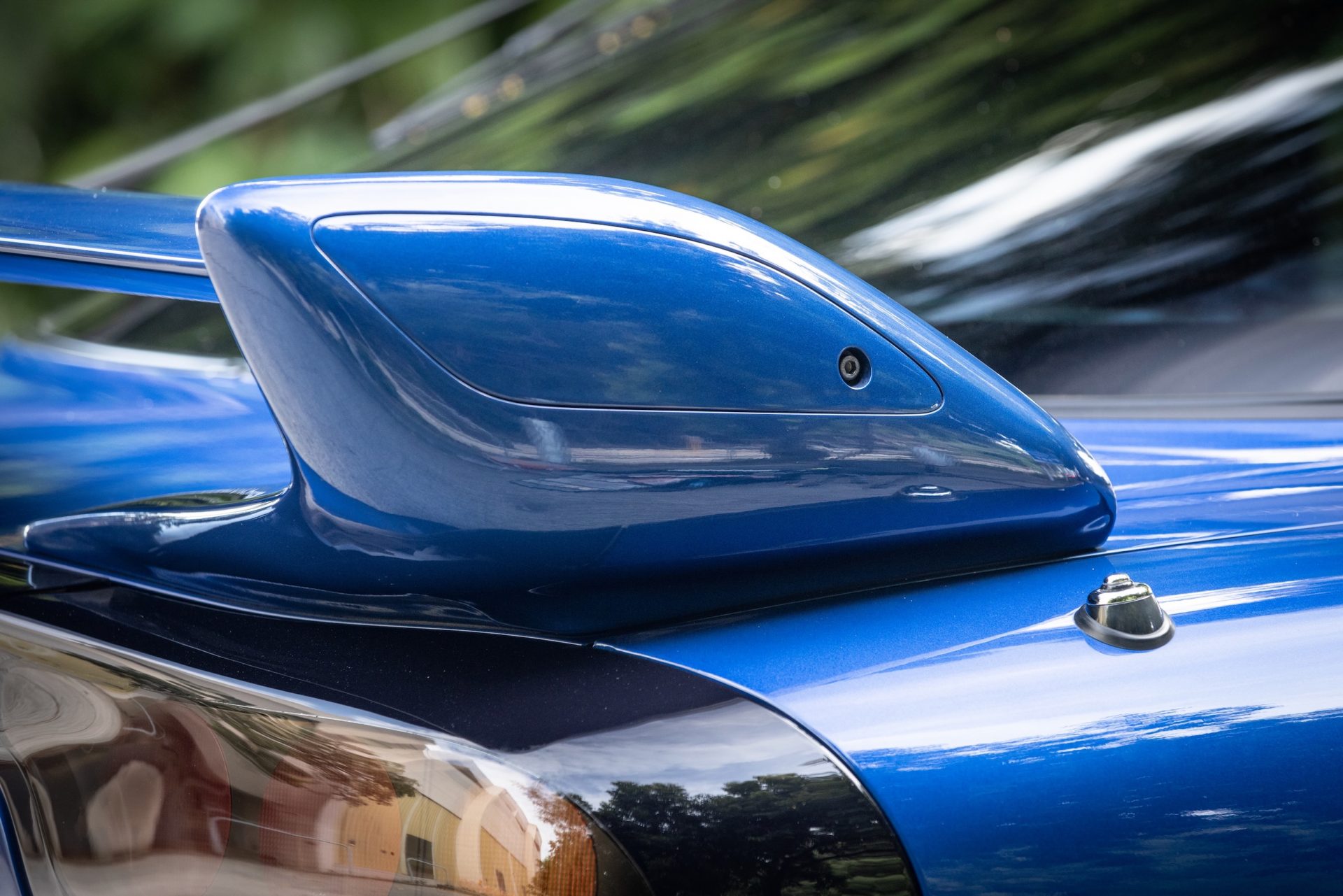
The third-generation Mazda RX-7s are ageing well; in fact, they look better today than ever before. And even if they have spoilers like this Spirit R, that does not detract from the good impression they make. It’s safe to assume that, like other Japanese sports cars from the 1990s, these models will certainly not become any cheaper in the future. Especially since these Wankel Mazdas are of excellent quality and their revolutionary technology continues to perform flawlessly.
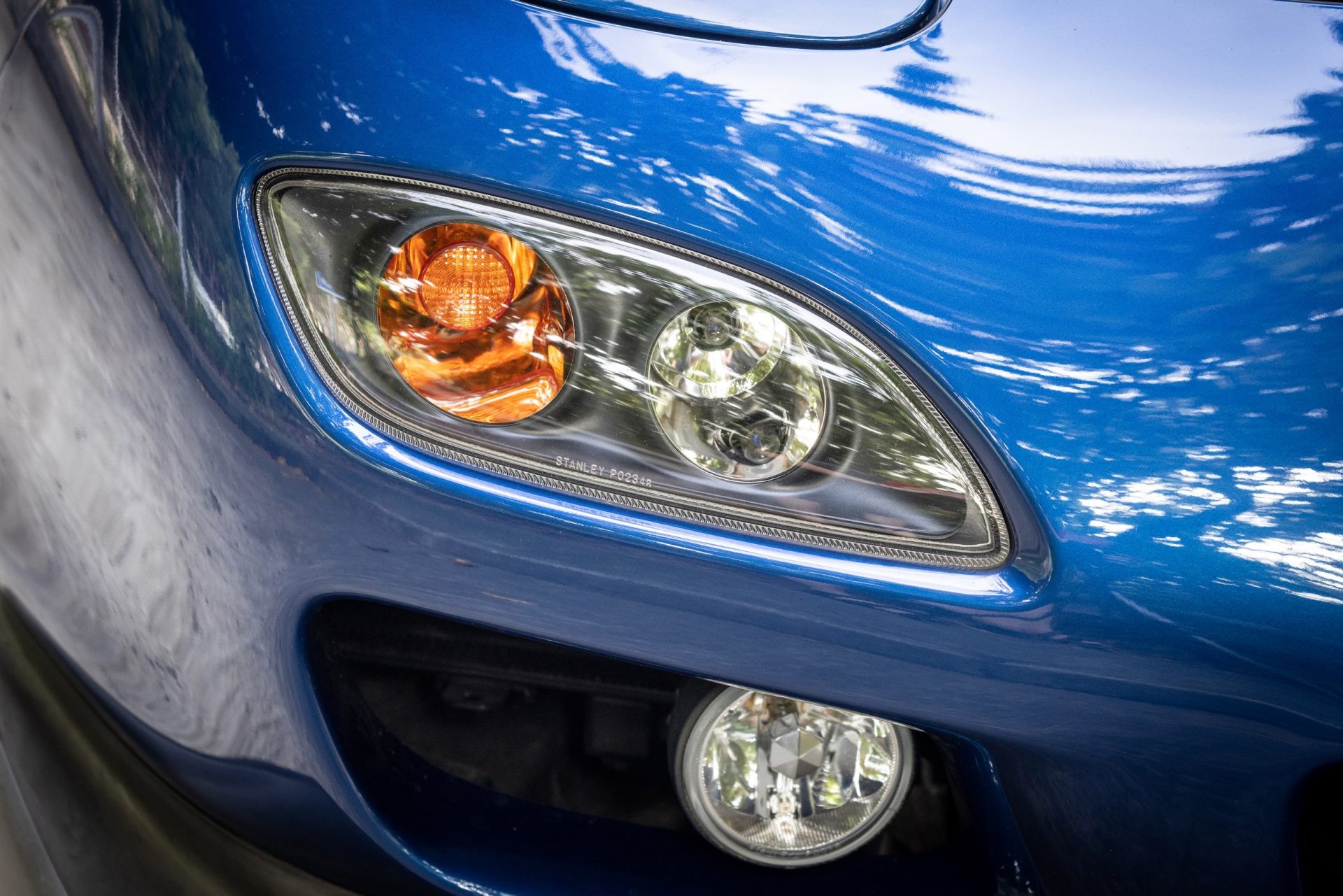
More exciting Japanese cars can be found at Sayonara.
Be First to Comment