

Cult object
The Nissan NISMO 400R is practically sacred among JDM enthusiasts. In 1995, Nissan Motorsports International (NISMO) – having just gained experience at Le Mans with the GT-R LM – unveiled the limited-edition 400R, a road-legal derivative of what it had learned in endurance racing. The GT-R V-Spec of the R33 generation, on which the 400R was based, was already a powerful machine with better brakes, a very sporty chassis design and a lower ride height than the standard GT-R. But the NISMO 400R went a few steps further. The ‘R’ stood for “Racing”, of course, and the ‘400’ referred to the official output of the legendary RB26DETT twin-turbo inline six-cylinder engine with a displacement of 2.6 litres, which was now enlarged to 2.8 litres, equipped with larger N1 turbochargers and designated RBX-GT2. The engine tuning was carried out by REINIK, who had also developed the engines for Nissan’s legendary R32 GT-R in Calsonic livery, which had dominated Group A racing. The 400R was one of the few performance cars that were officially approved that exceeded the limits of the infamous Japanese Gentleman’s Agreement of the 1990s between manufacturers, which limited power on paper to 276 hp and prevented a horsepower war.
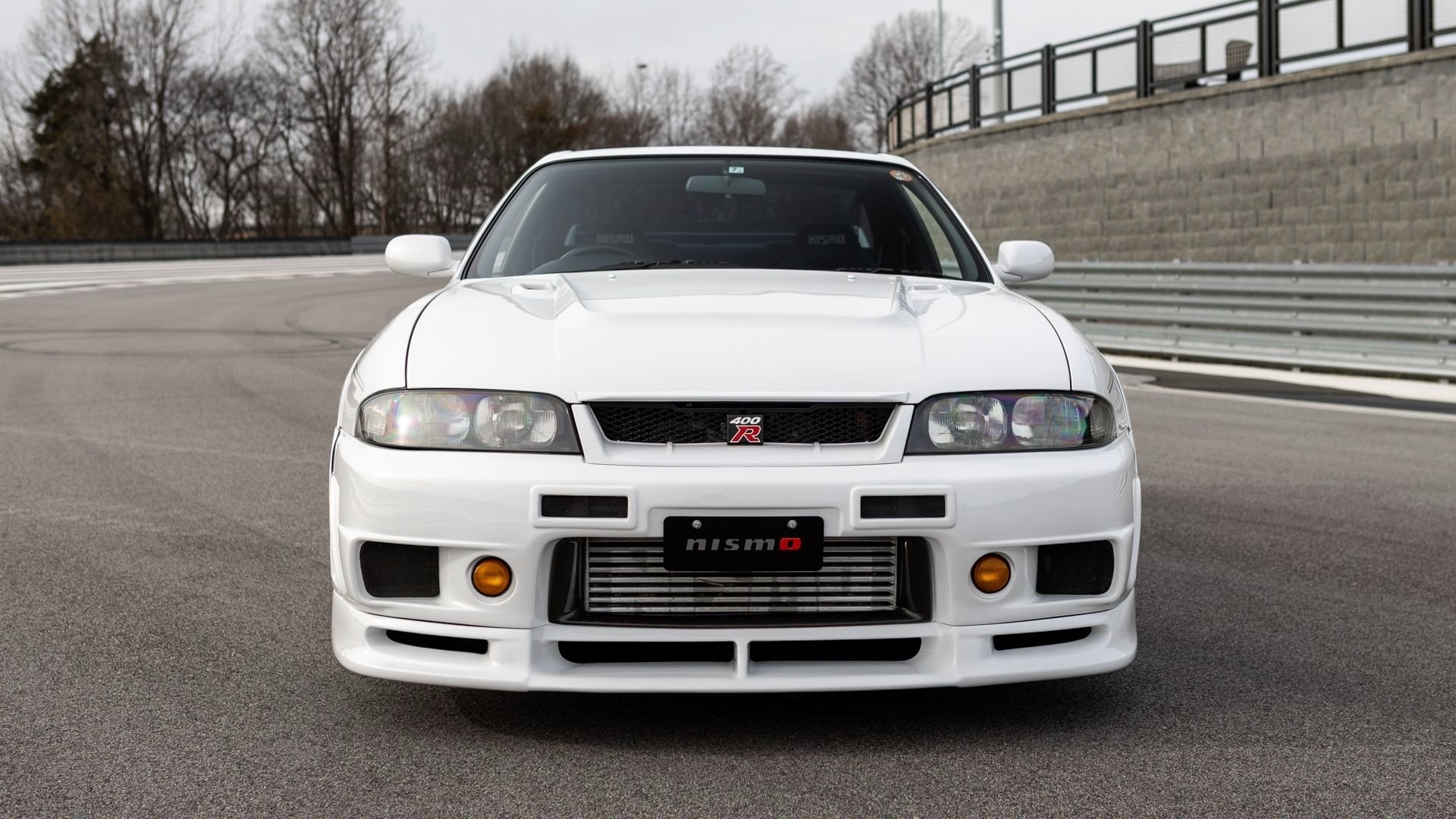
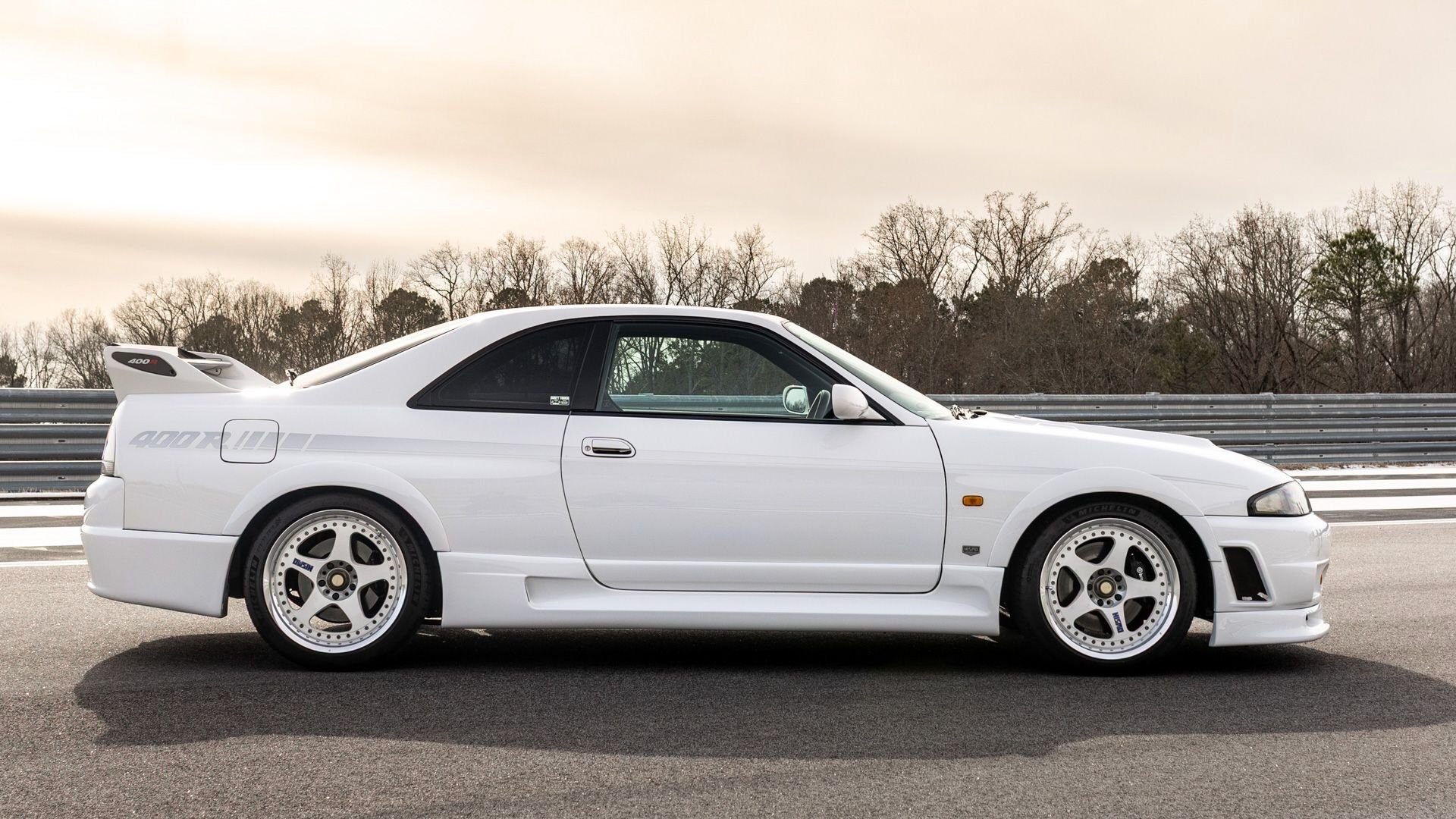
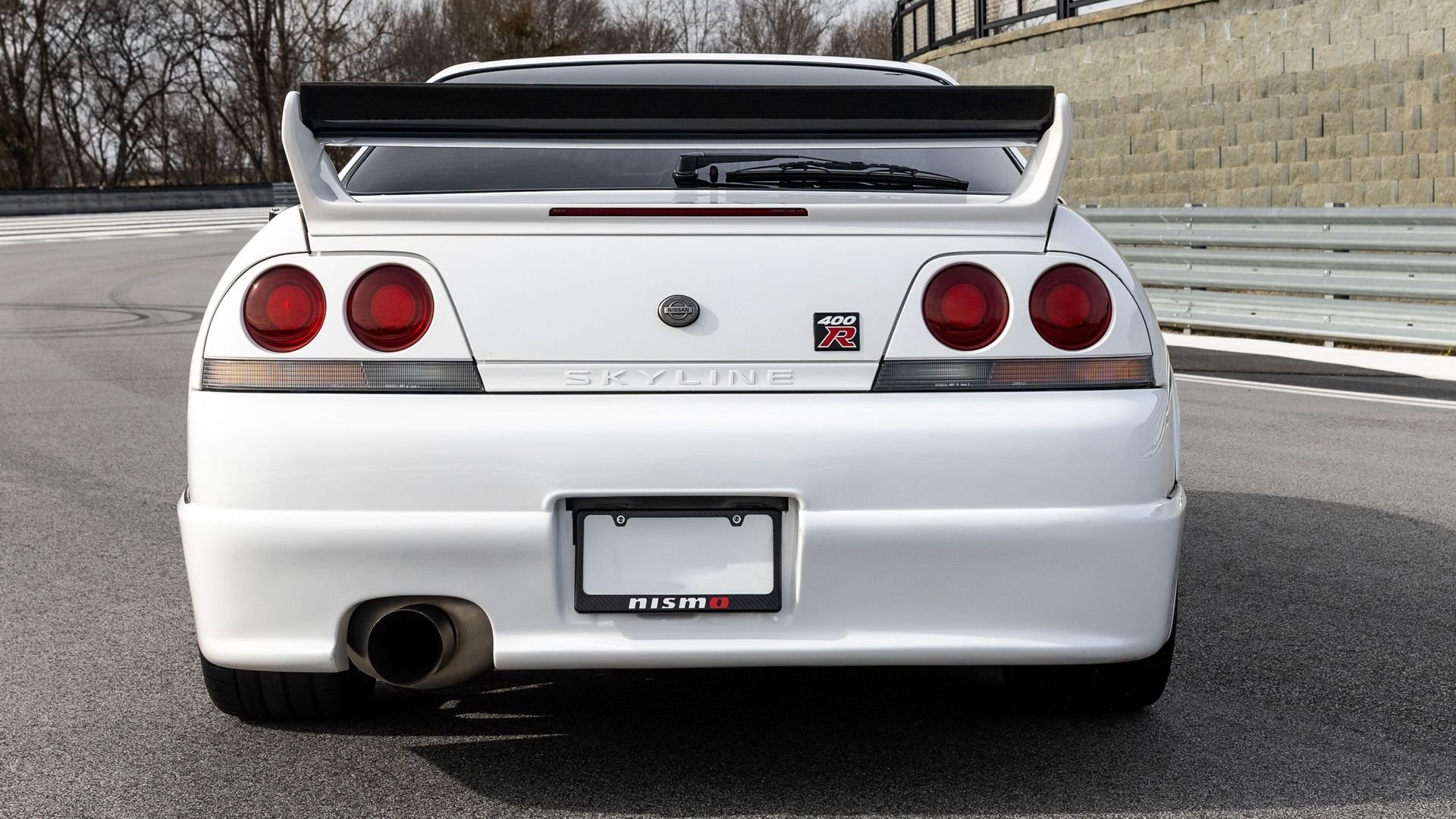
The 400R was hand-built at Nissan’s Omori plant, and NISMO equipped the cars with the coveted three-piece Rays NISMO LM-GT1 wheels, a new exhaust system, a new intercooler and a twin-plate clutch. In addition, the vehicle’s ride height was lowered by almost five centimetres and the suspension was upgraded with NISMO springs and Bilstein shock absorbers. The 400R featured many unique aerodynamic elements, including a new carbon fibre bonnet and rear spoiler, wider fenders, redesigned bumpers with improved airflow, and side skirts. These numerous improvements accelerated the 400R from zero to 60 mph in four seconds and to a top speed of 300 km/h – a road-legal monster with the performance of a supercar.


NISMO planned to produce 100 400Rs, but claims to have completed only 44 by the end of R33 production, of which only 40 have ever been verified. Many 400Rs immediately disappeared into the inventories of exclusive dealers and private collections, only reappearing when importing the R33 into the United States became legal. While it remained forbidden fruit for North American buyers for 25 long years (and only a few made it to England), the NISMO 400R gained an underground following thanks to the Gran Turismo video game racing series. The 400R, which first appeared in the first edition of the series on Sony’s PlayStation in 1998, was one of the most difficult cars to unlock in the game and also one of the fastest. This quickly gave the 400R, which most Americans had never heard of before, cult status. The original Gran Turismo sold nearly 11 million copies worldwide, and the 400R also played a prominent role in the sequels, introducing millions of car enthusiasts from multiple generations to this extremely rare Nissan, which was not available in North America or Europe. (The white vehicle above has the chassis number BCNR33021424 and will be auctioned by Broad Arrow at Amelia Island 2026, with an estimated price of £700,000 to £850,000.)


The vehicle below is chassis number BCNR33006208, perhaps the most famous NISMO 400R, with which Akira Kameyama won the Open Class at Pikes Peak in 1996 and 1998, setting a new course record in 1998. It can be assumed that it had around 800 hp at the time. It will soon be auctioned on collectingcars.com and was most recently part of the Sangfroid collection.


More rare Japanese cars can be found under Sayonara. Everything else is in the archive.
Be First to Comment