

Bear slayer
Last year, MG officially celebrated its 100th birthday, although these kinds of round numbers are always a bit of a problem. What is certain is that William Morris, born in 1877, opened his own bicycle shop at the age of 16, provided the repaired bicycles with a ‘The Morris’ label, dealt with motorcycles from 1901 and opened ‘The Morris Garage’ on Longwall Street in Oxford in 1910. And in 1912, he built his first car, known as the ‘Bullnose Morris’. MG was probably an offshoot of ‘The Morris Garages’ from 1924, when manager Cecil Kimber modified a few Morris Oxfords and wrote MG on these vehicles. The M.G. Car Company Limited was not founded until July 1930, but you can always celebrate a 100th birthday in five years’ time. And no, it is not the intention here to unravel the whole complicated history of MG; this is first and foremost an early snapshot from the early years of the brand, probably the first famous model of the English, the K3.
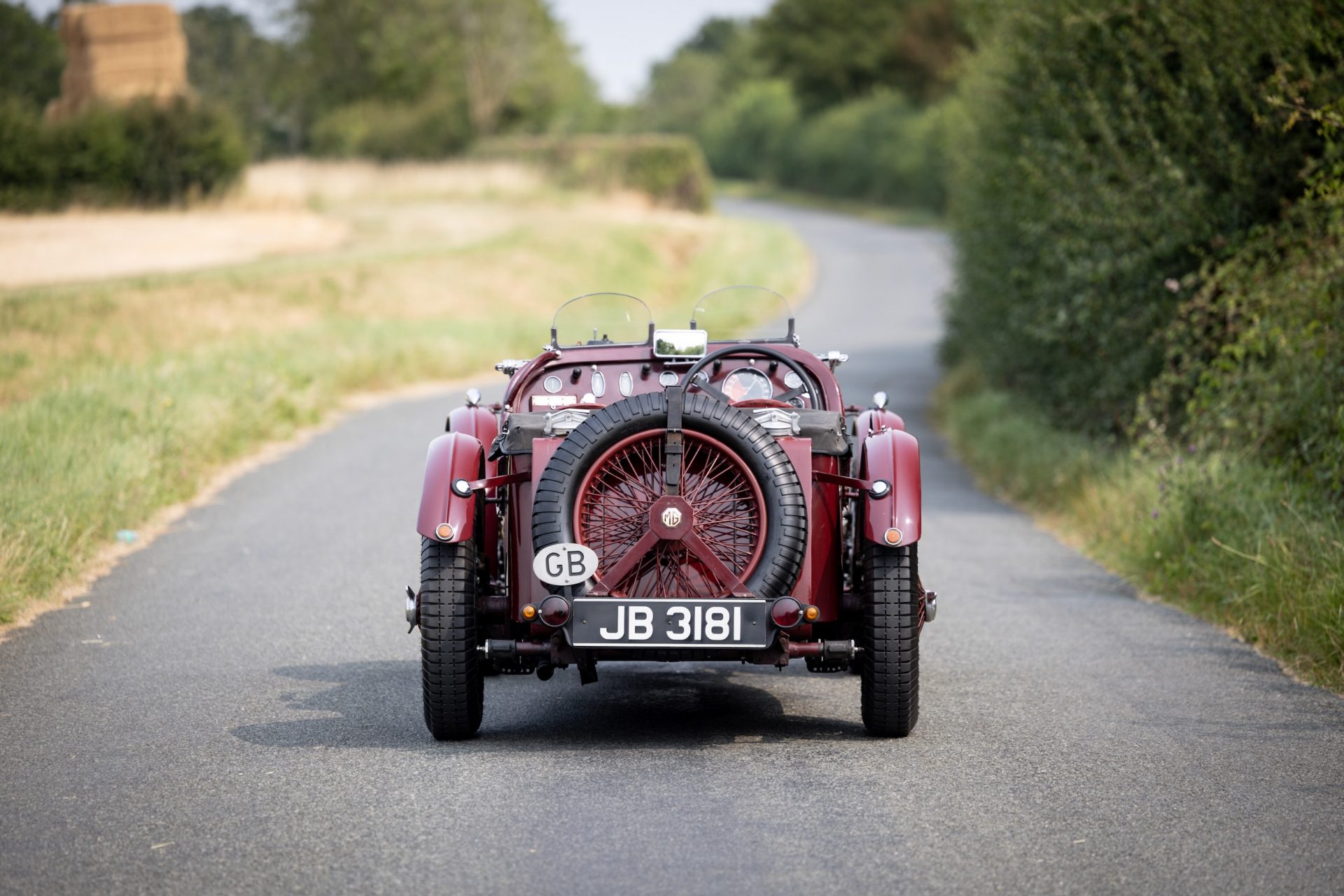
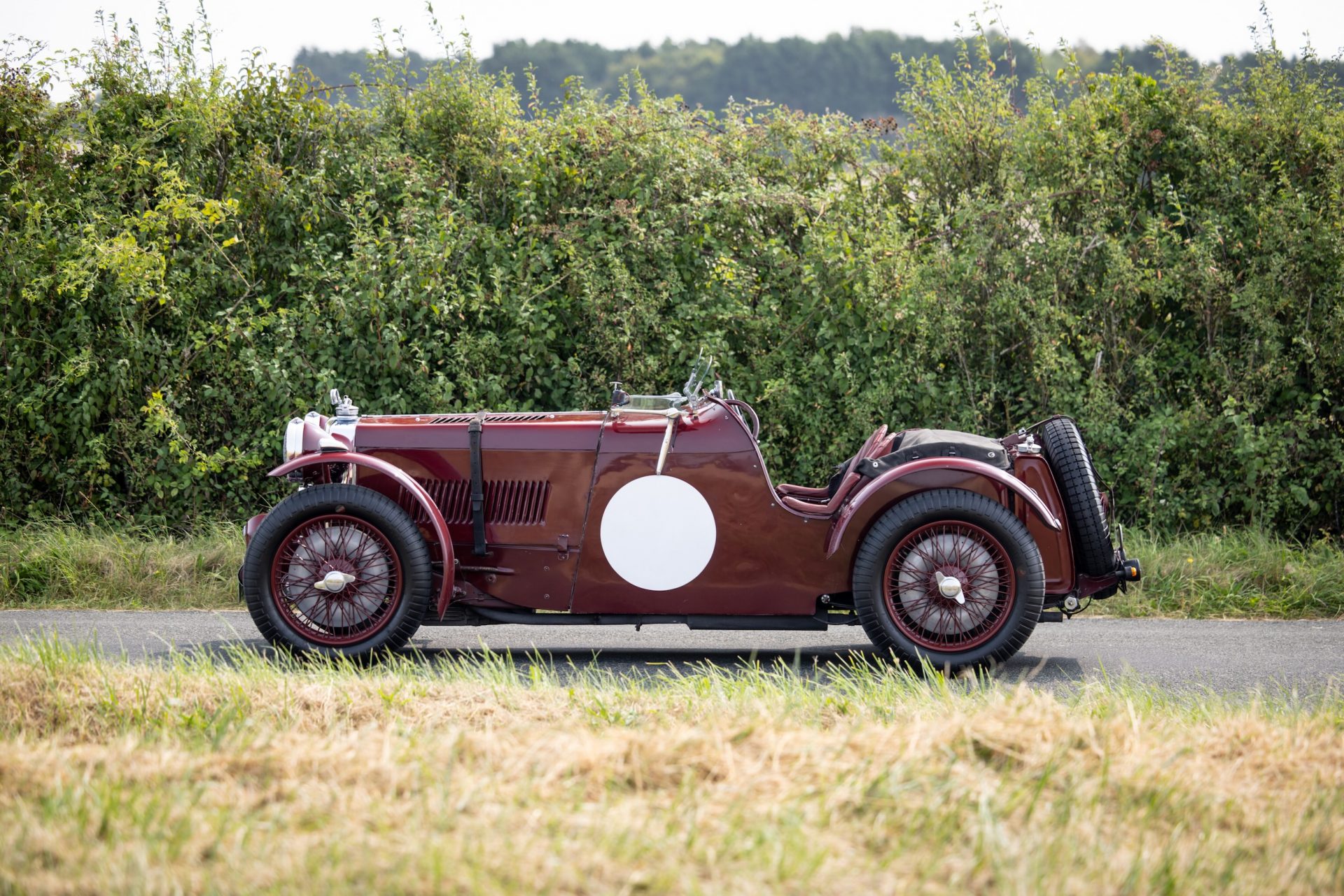
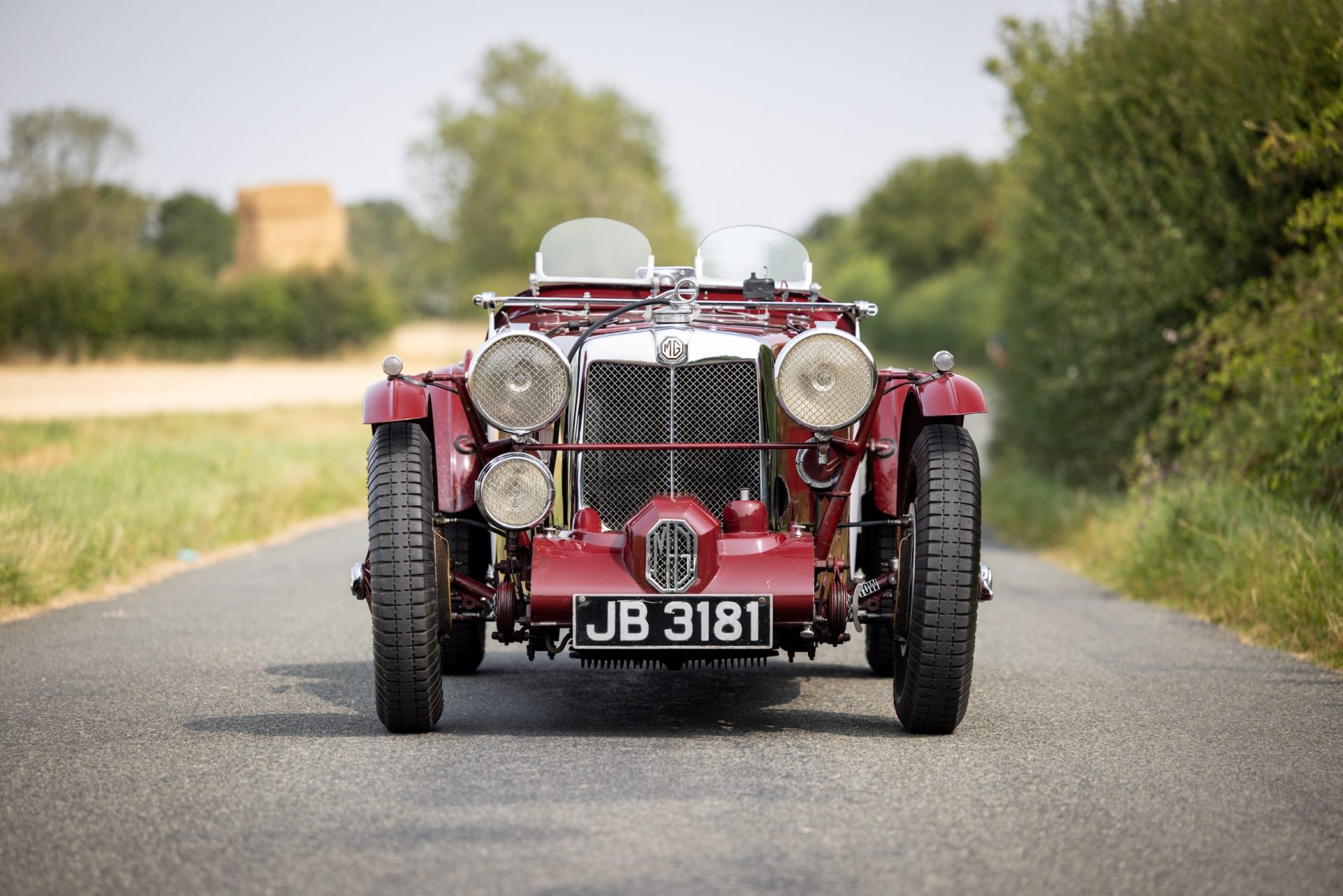
Where there is a K3, there must also be a K1 and a K2. These K-Type MG were introduced in 1932, as successors to the F-Type Magna, they were also called Magnette, little Magna. These vehicles were available with a wheelbase of 2.4 or 2.7 metres, different bodies and a 1.1-litre inline six-cylinder engine (later also with a displacement of 1.3 litres). The K1 had the long wheelbase and, at the beginning, a little over 40 hp. The K2 was the short one with the same engine, and the K3 was the little marvel that, with a Powerplus compressor (later Marshall), achieved a good 120 hp. The greatest success of the K3 was undoubtedly the 4th place in the 24 Hours of Le Mans in 1934 – and the simultaneous win of the ‘Index of Performance’.

But let’s go back a year, to the 1933 Mille Miglia. At the suggestion of the Italian Count Lurani, MG sent a works team to Brescia. Lurani drove a K3 together with the then famous speed record holder trekordler George Eyston, the team also included the winners of Le Mans 1931, Earl Howe and Henry Birkin, a third MG was driven by Bernard Rubin, who had won at Le Mans in 1928 in a Bentley. Lurani actually managed to win his class, came in 21st overall – ahead of a Lancia Dilambda (10th place) and 19 Alfa Romeo, with Tazio Nuvolari taking the victory.
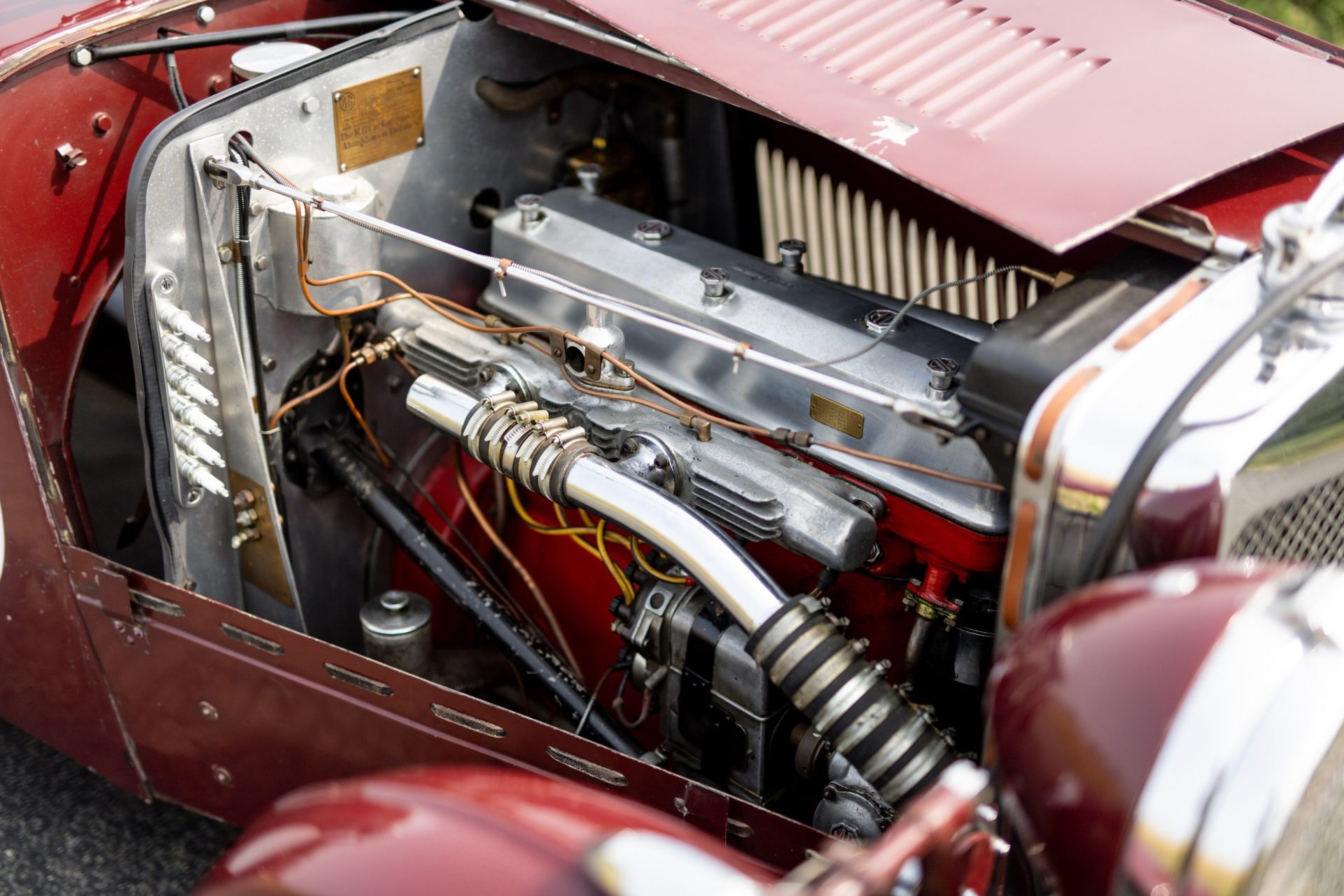
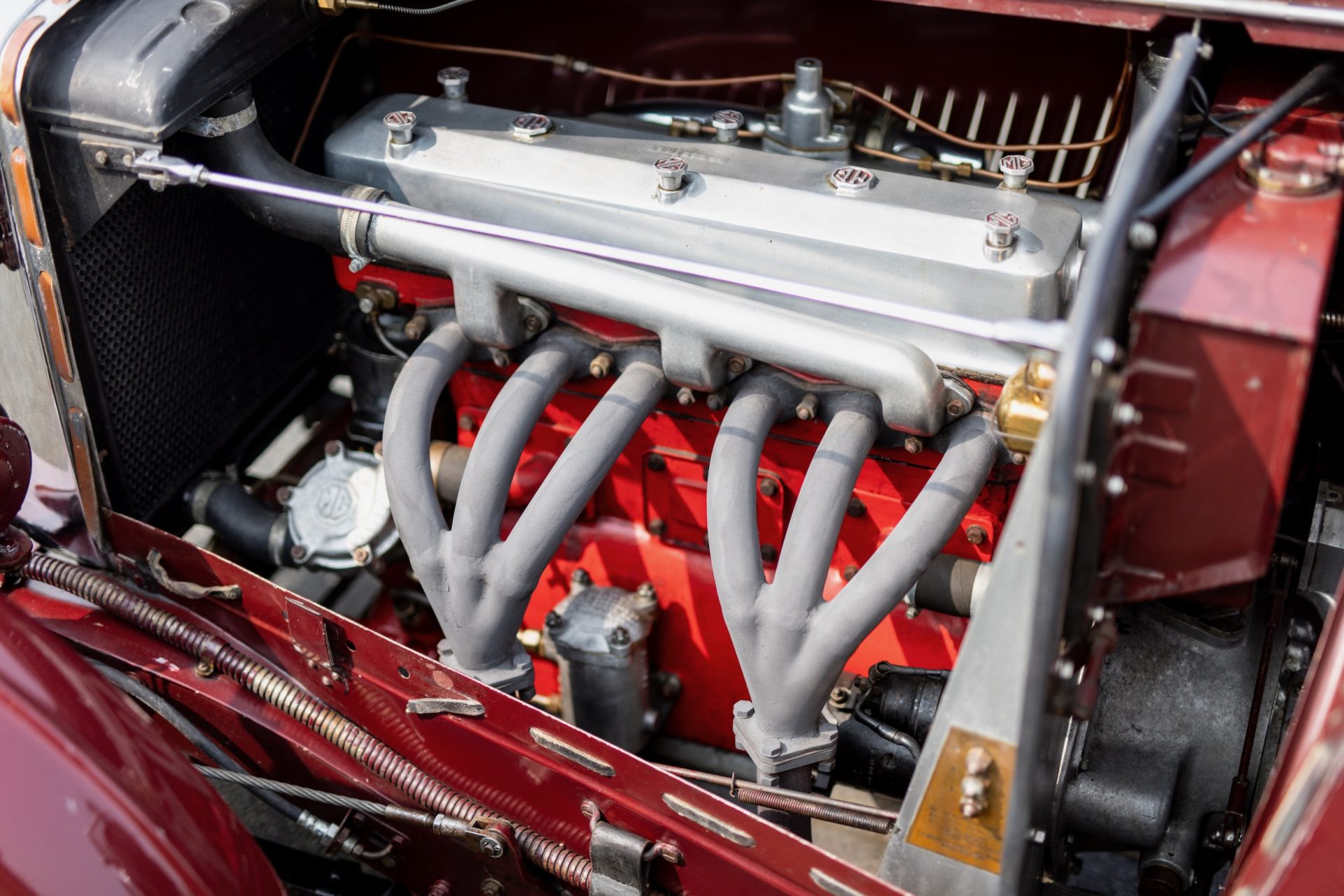
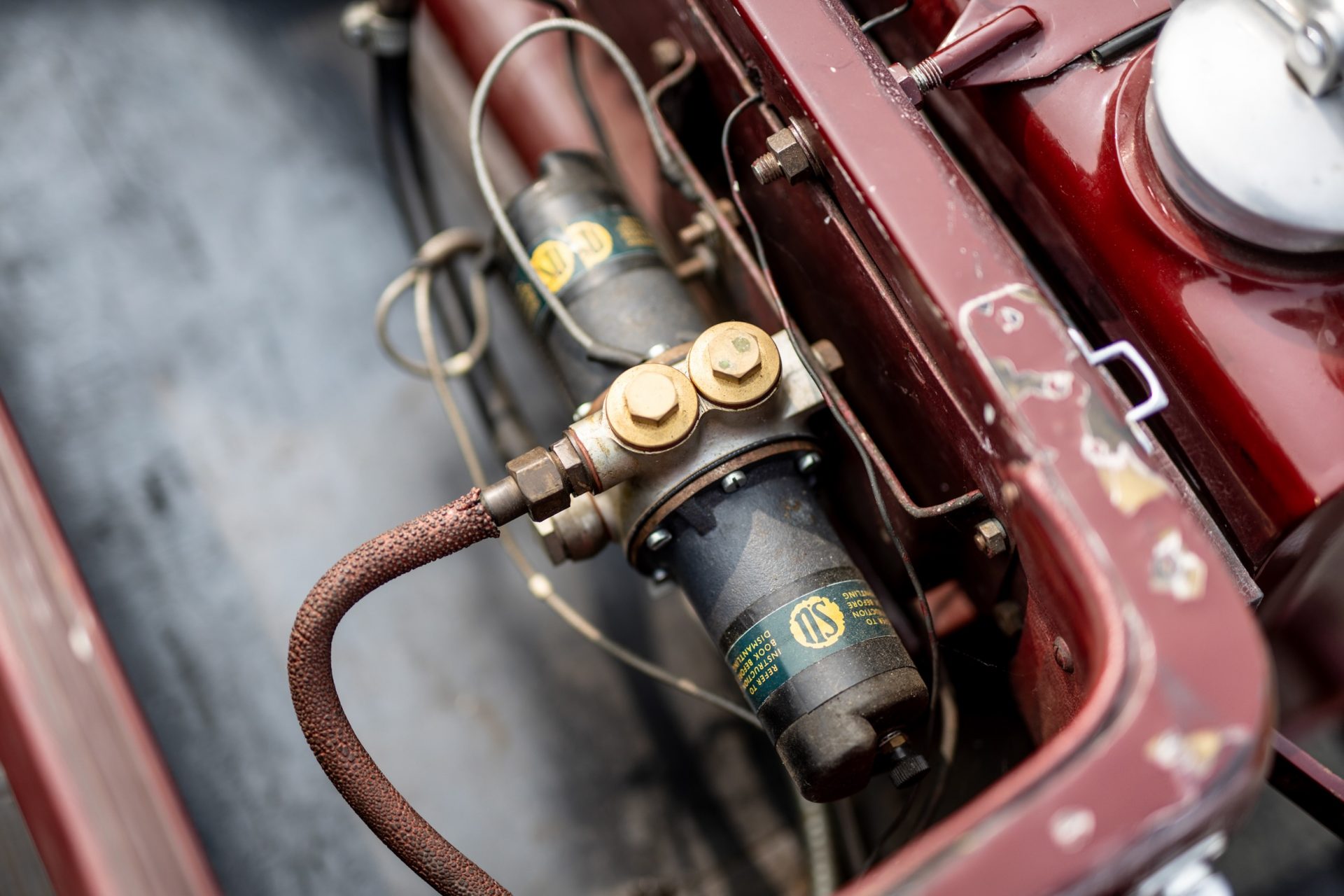
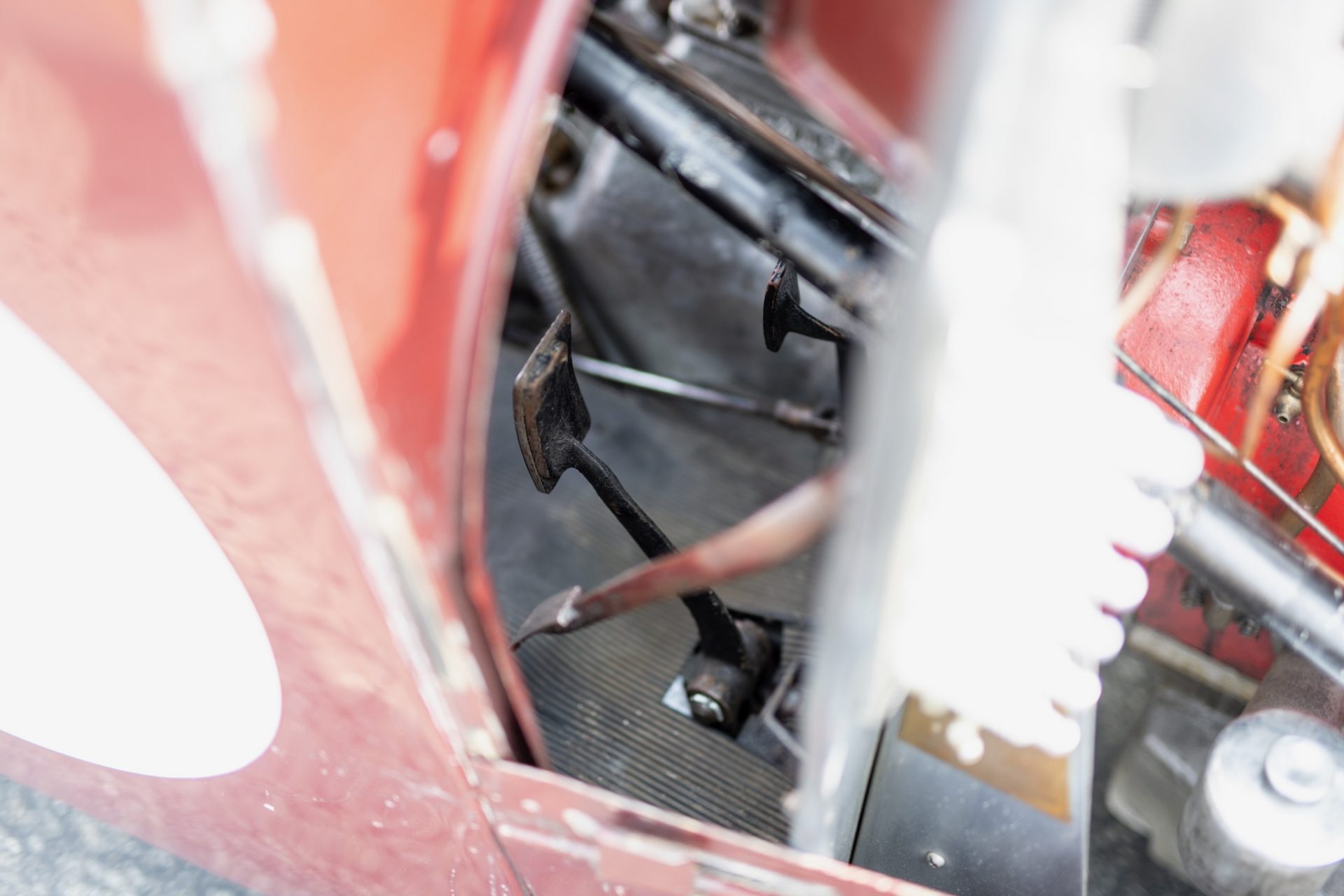
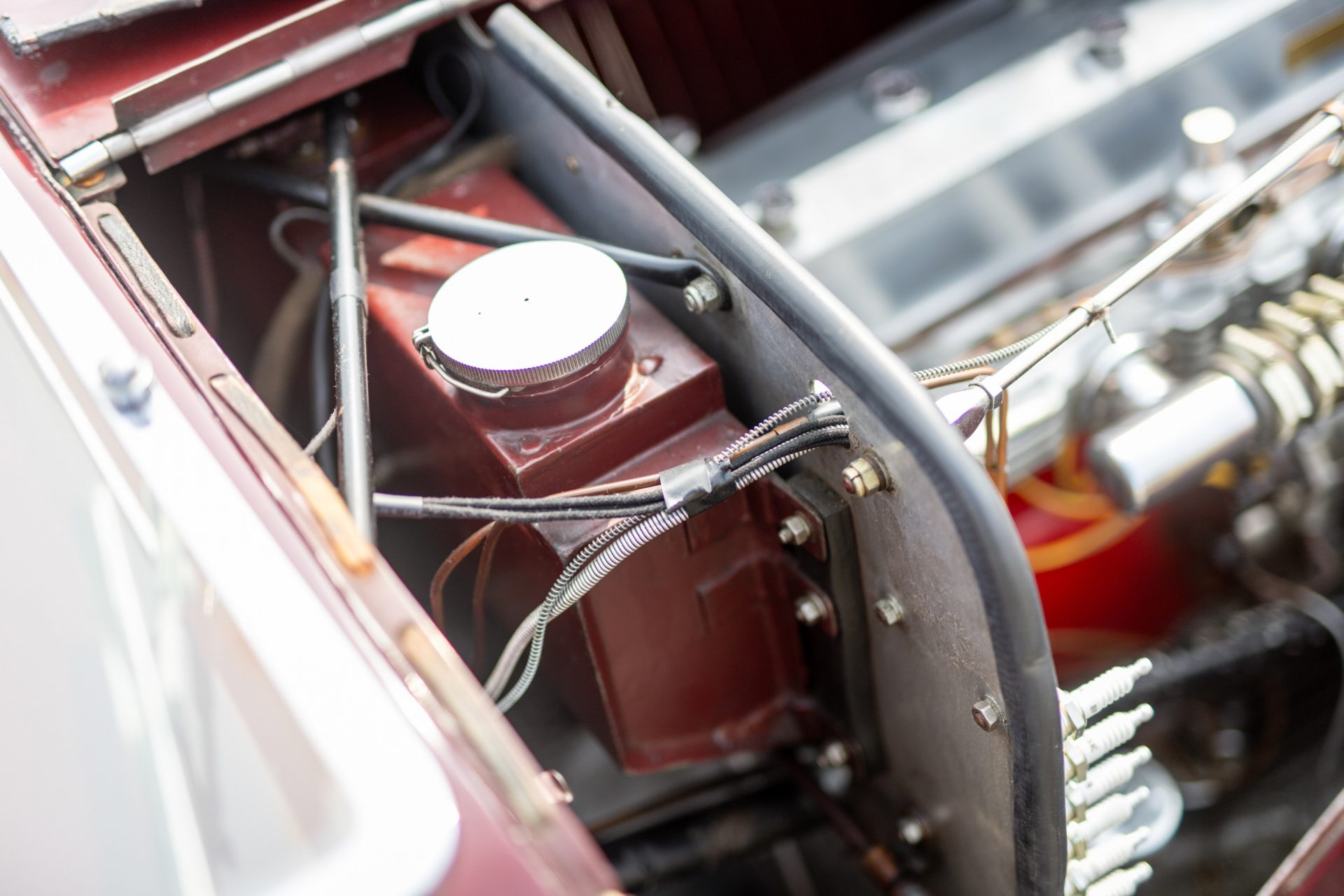
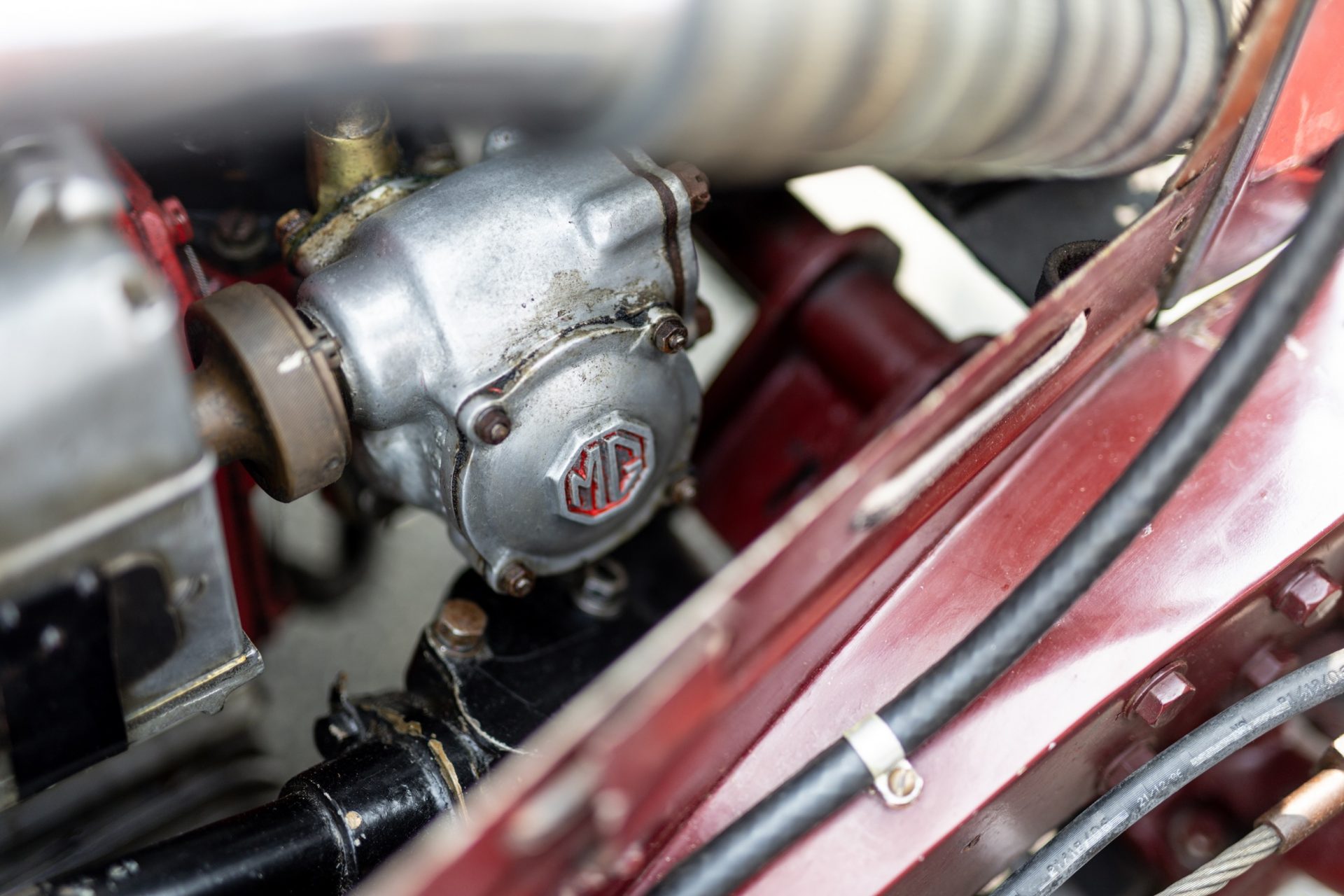
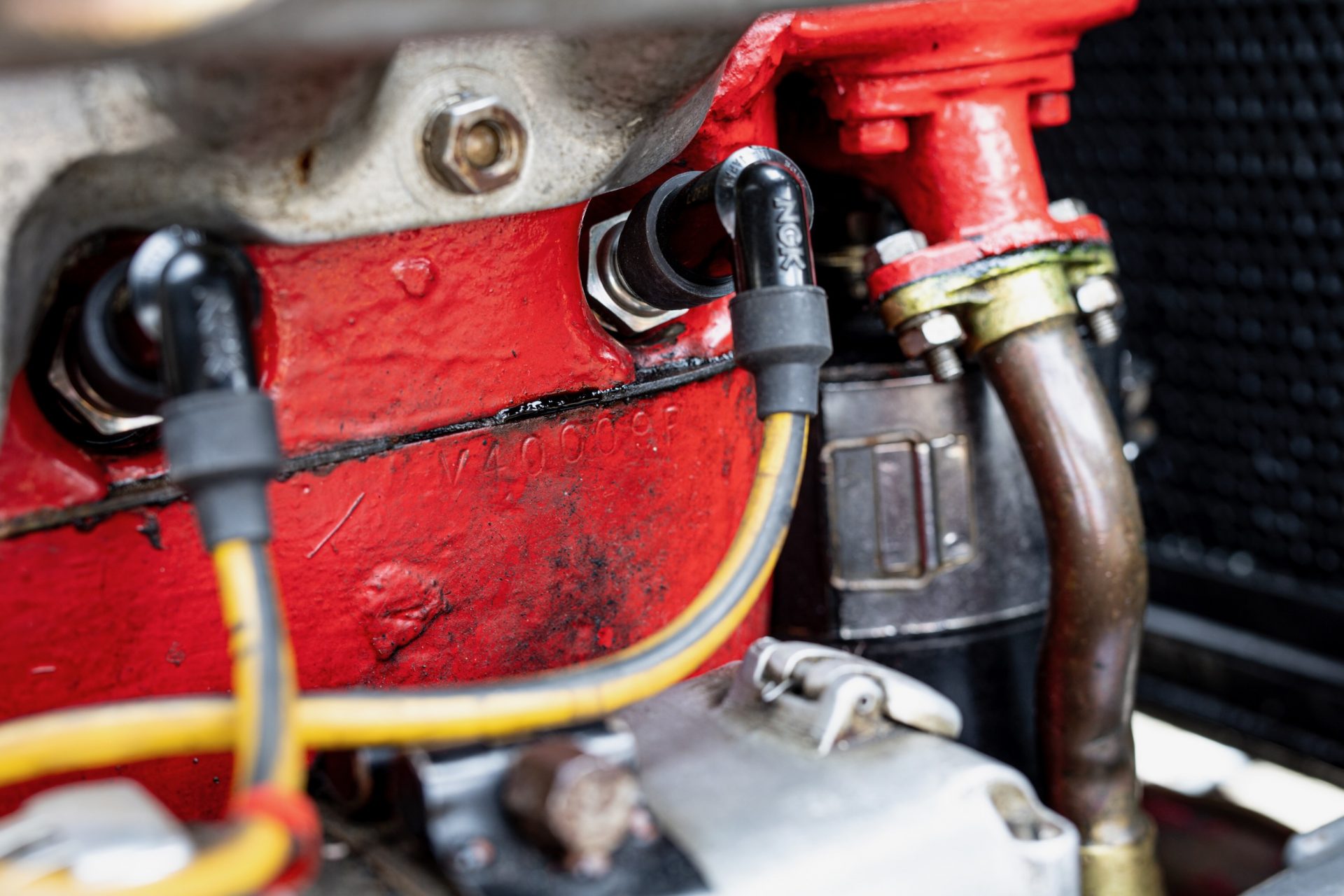
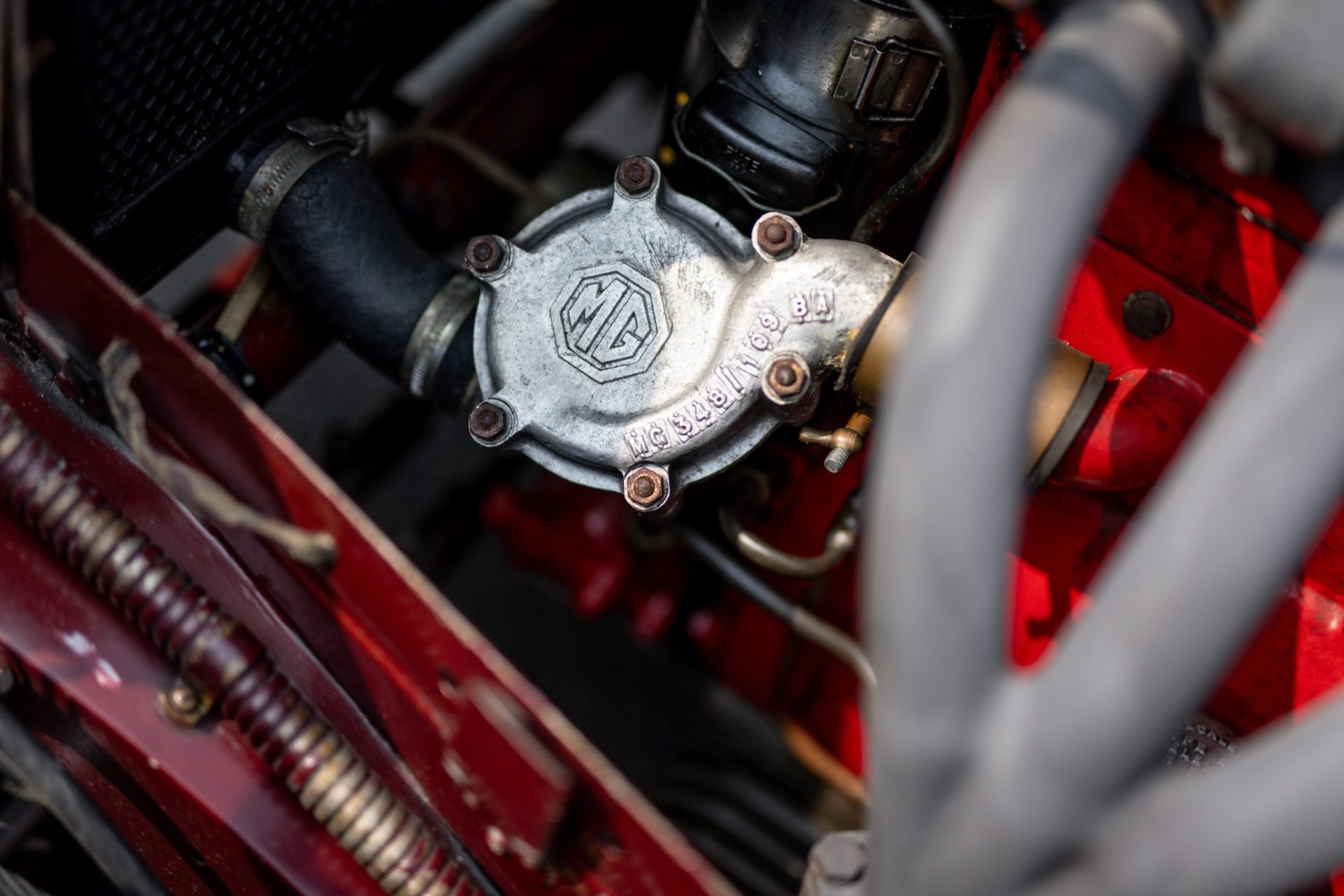
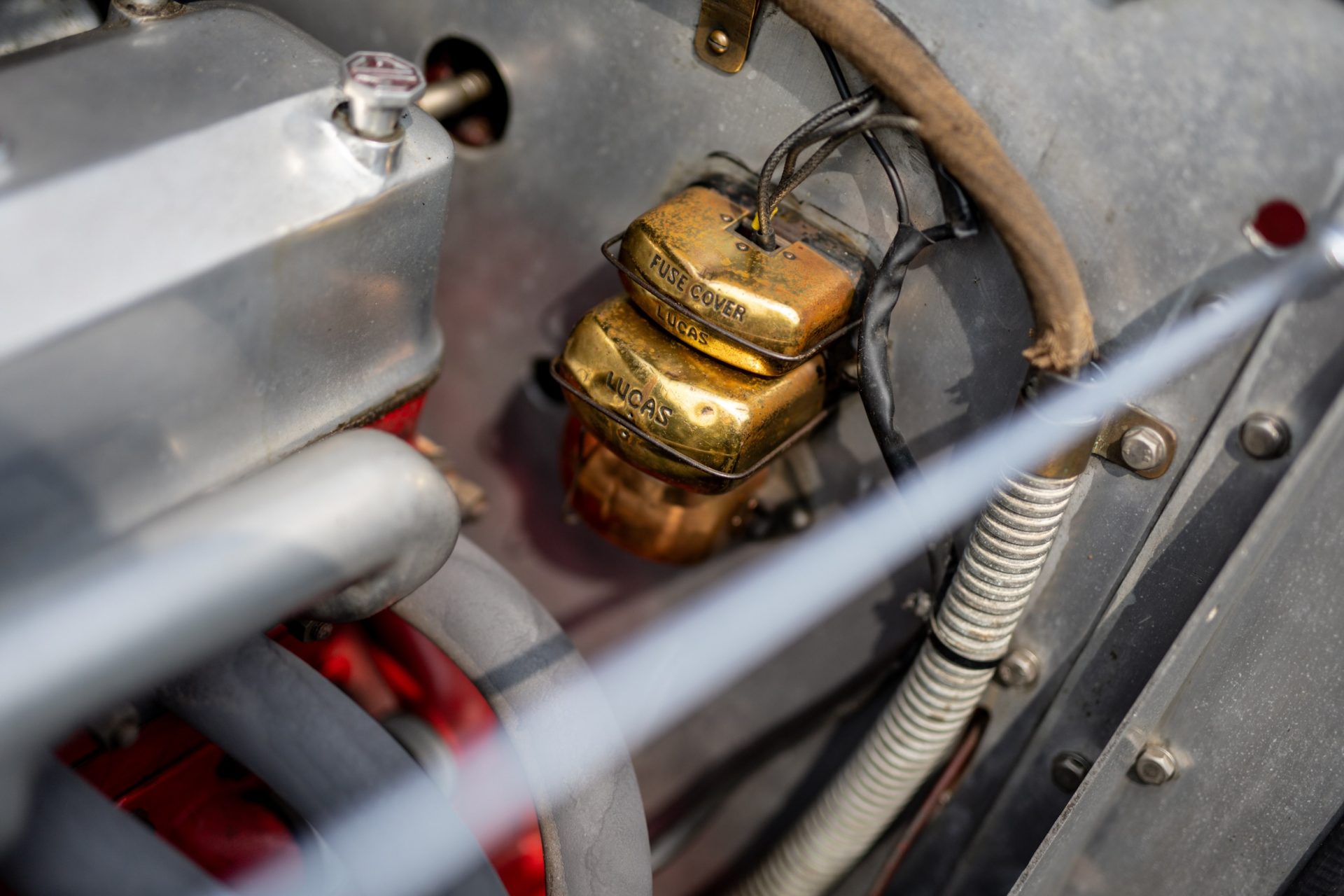
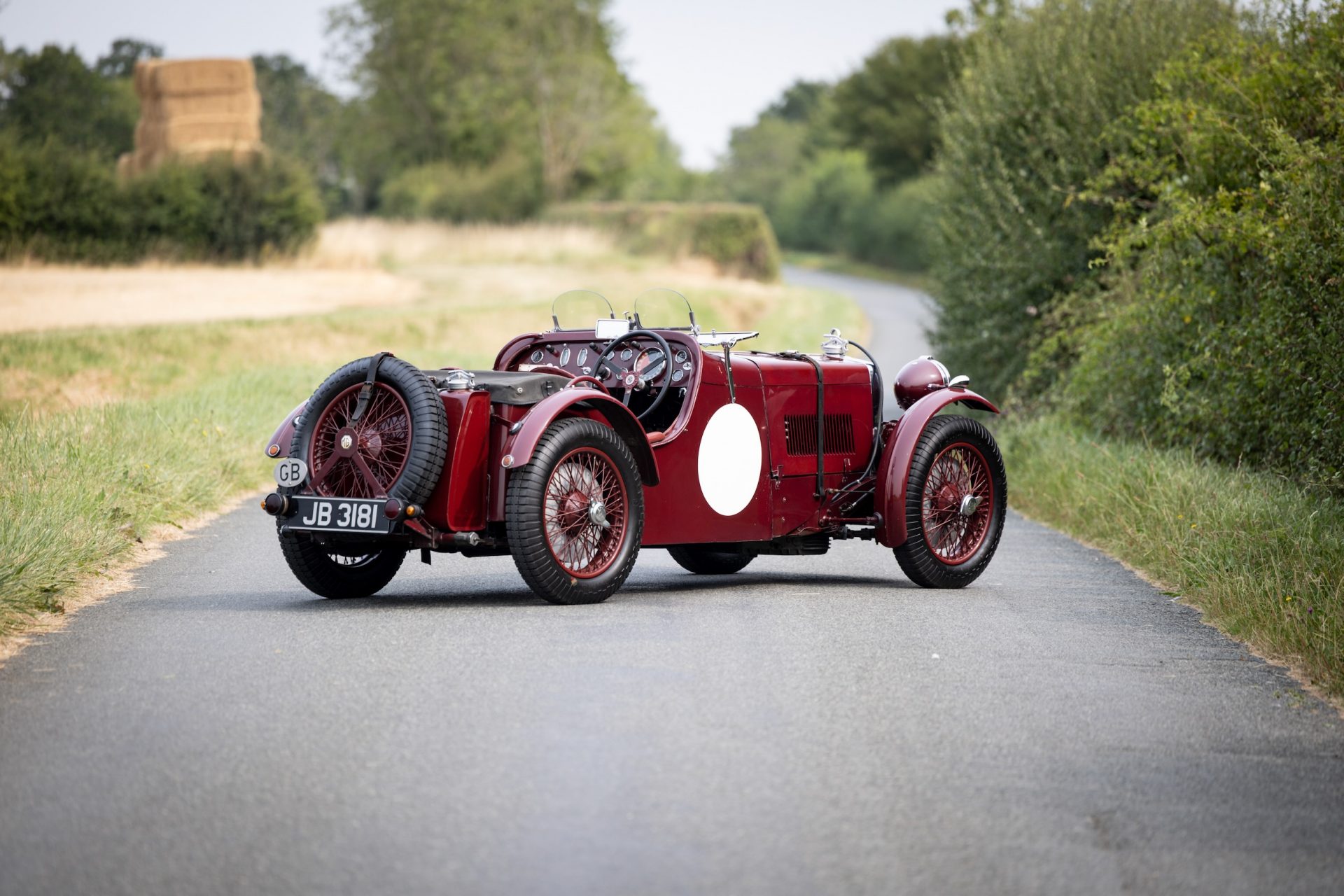
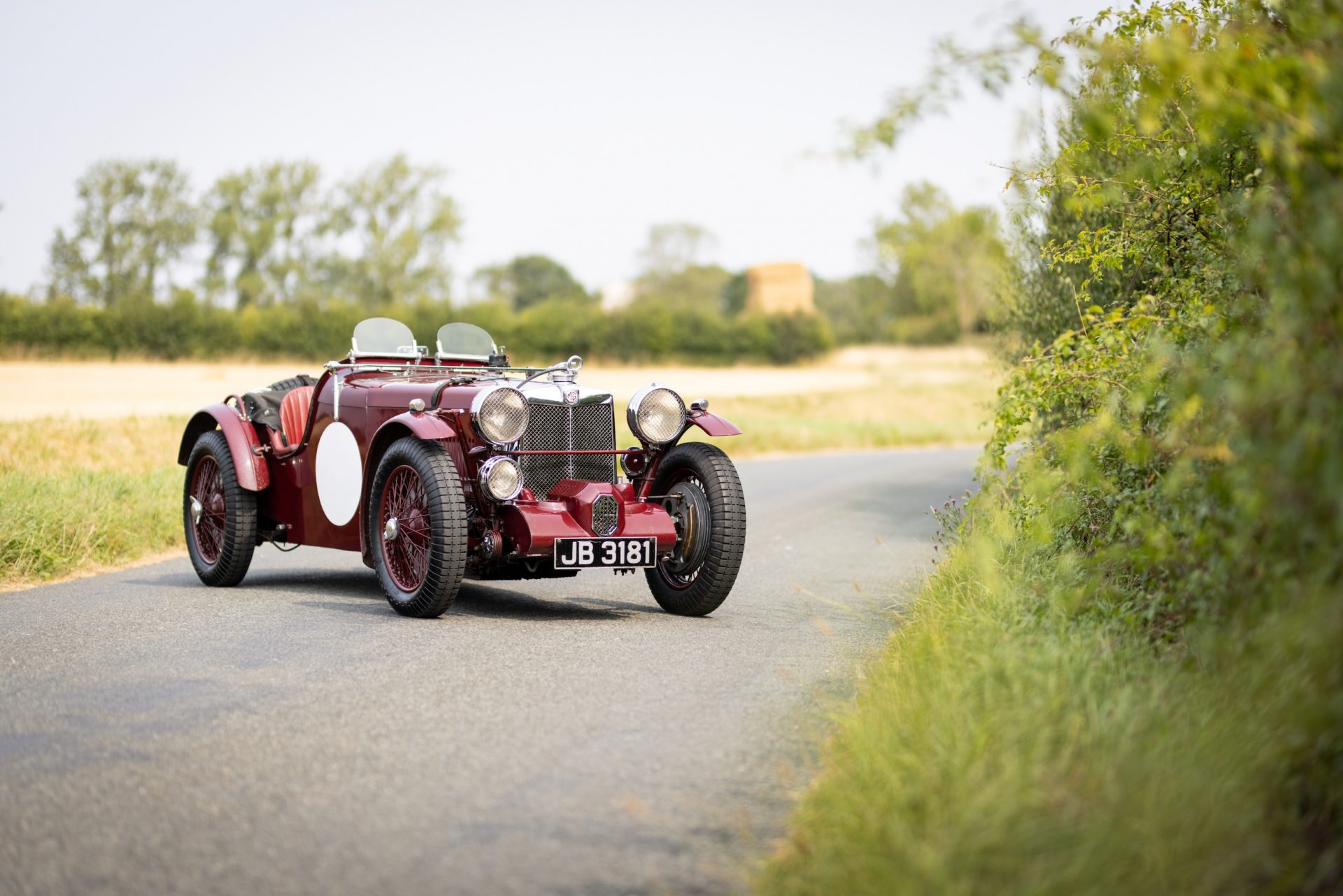
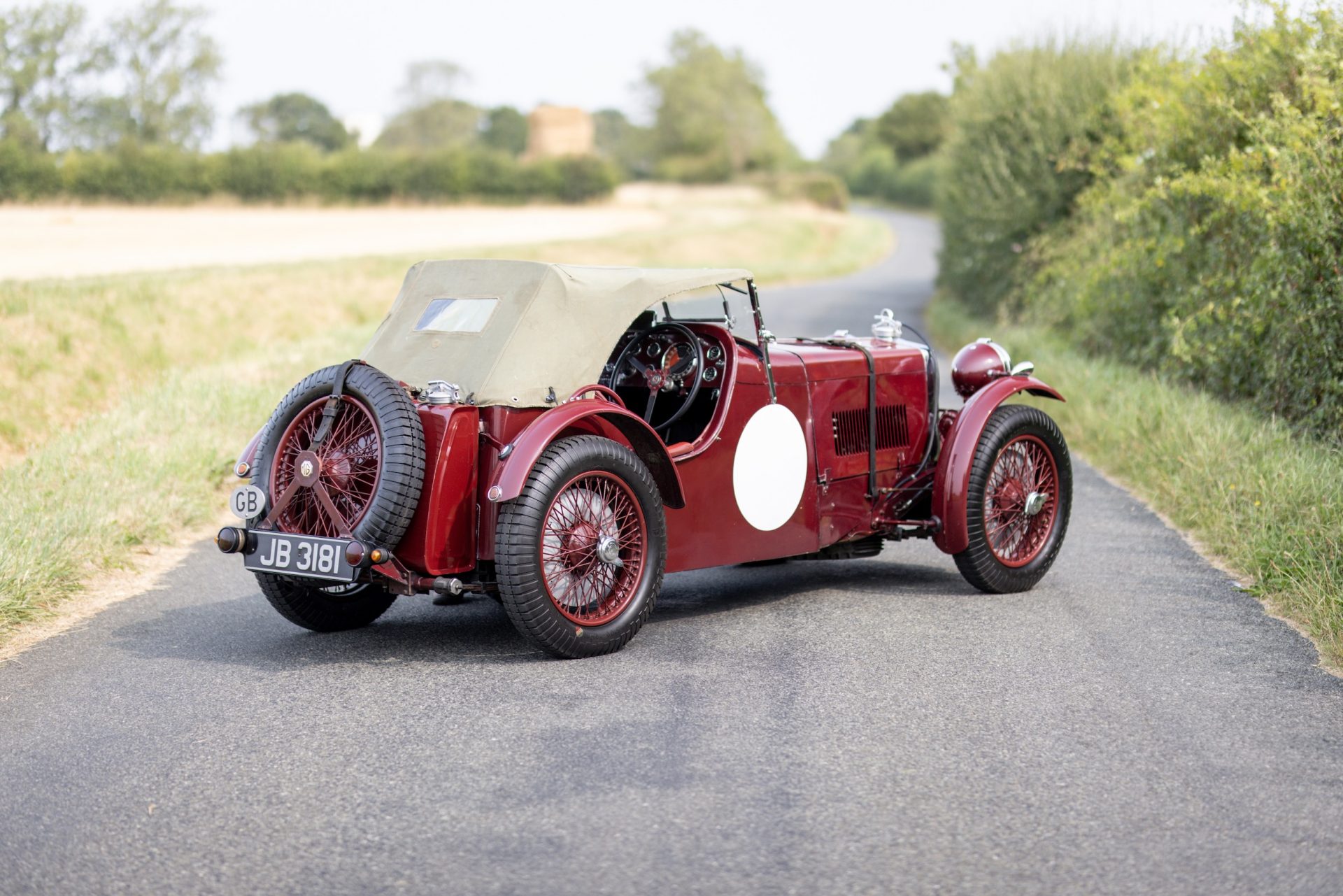
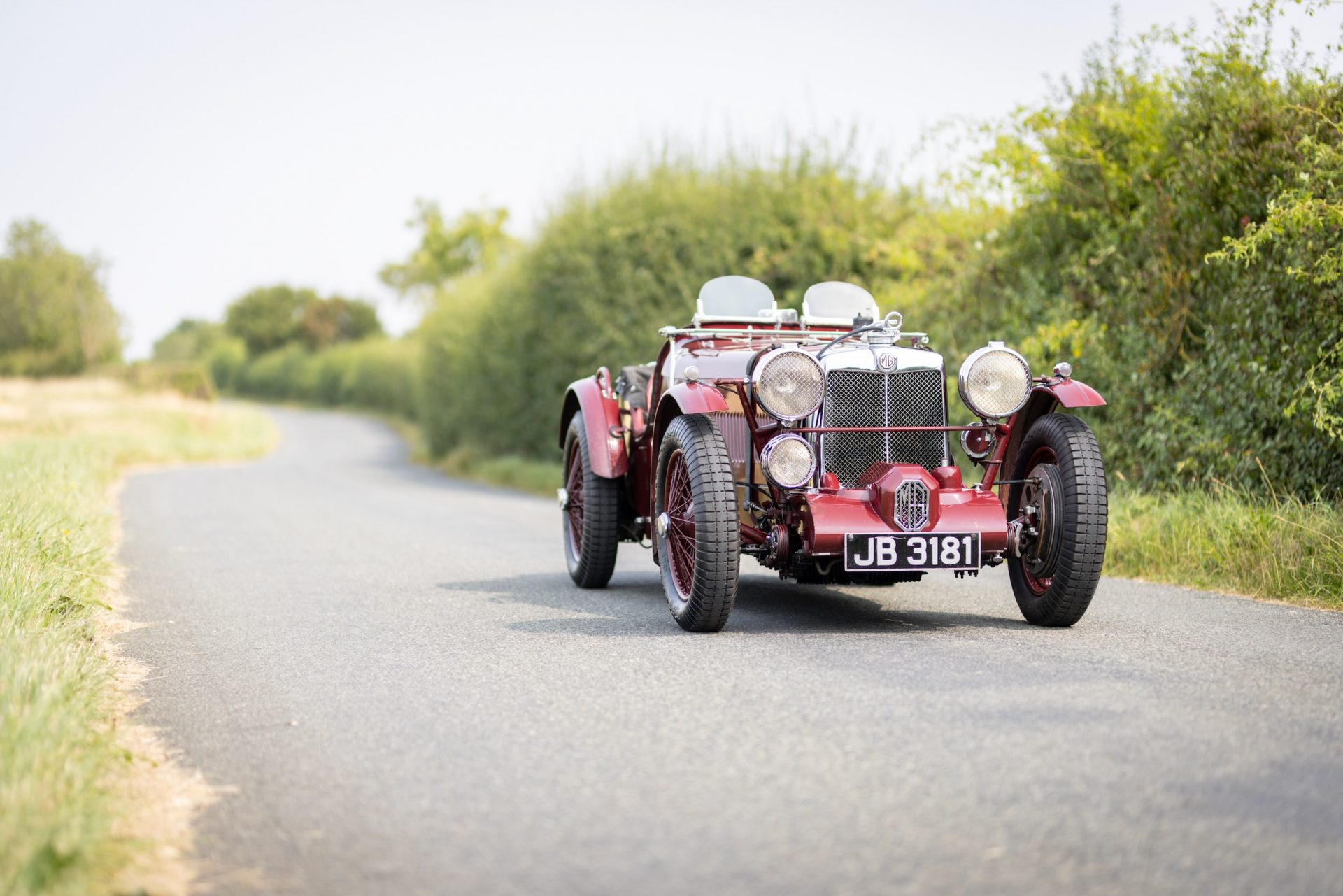
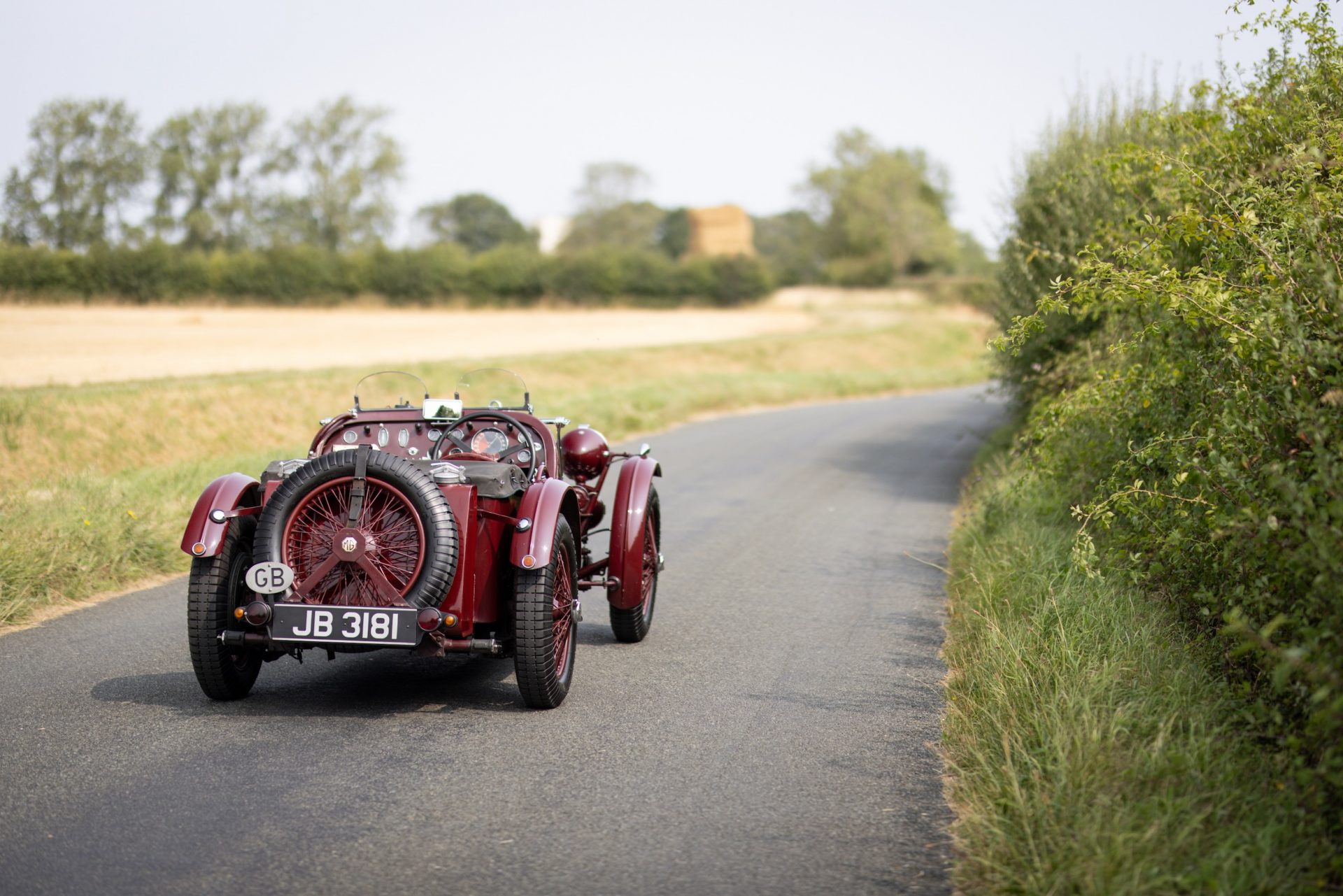
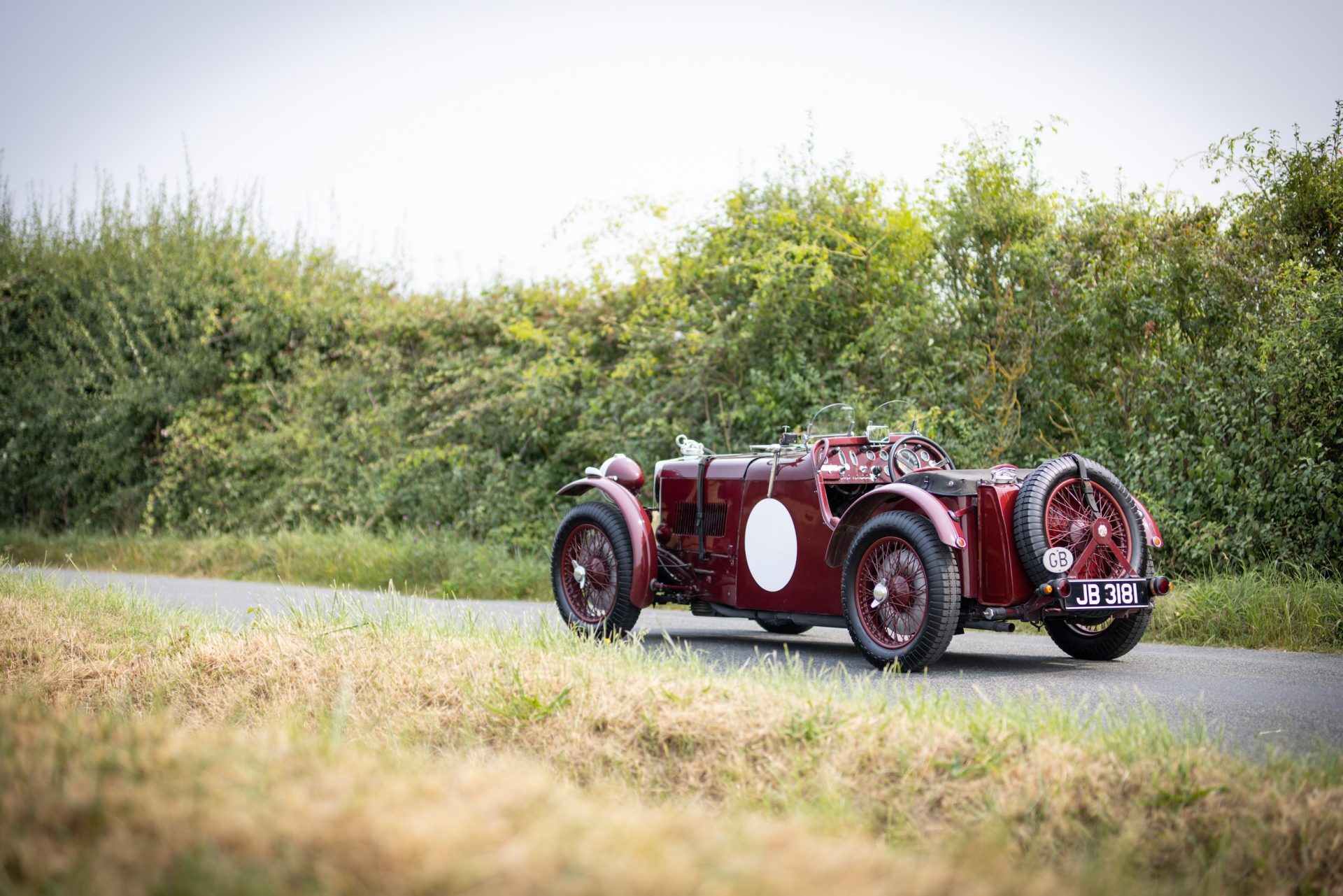
One year later the works team tried again, Lurani was back, as was Howe (as team manager) – and new to the team was E.R. ‘Eddie’ Hall, a very rich textile entrepreneur from Yorkshire. Three new K3s were built, K3015, K3016, K3017, with some improvements over the previous year’s cars. Most notably, the exhaust pipe was moved downwards; the brutal noise had almost cost the co-drivers their hearing the previous year. Graf Lurani was the only one to reach the finish line, 11th overall, second in his class. Howe had an accident, Hall – with his wife Jane as co-driver and mechanic – retired due to engine problems. This vehicle, K3017, is shown here.
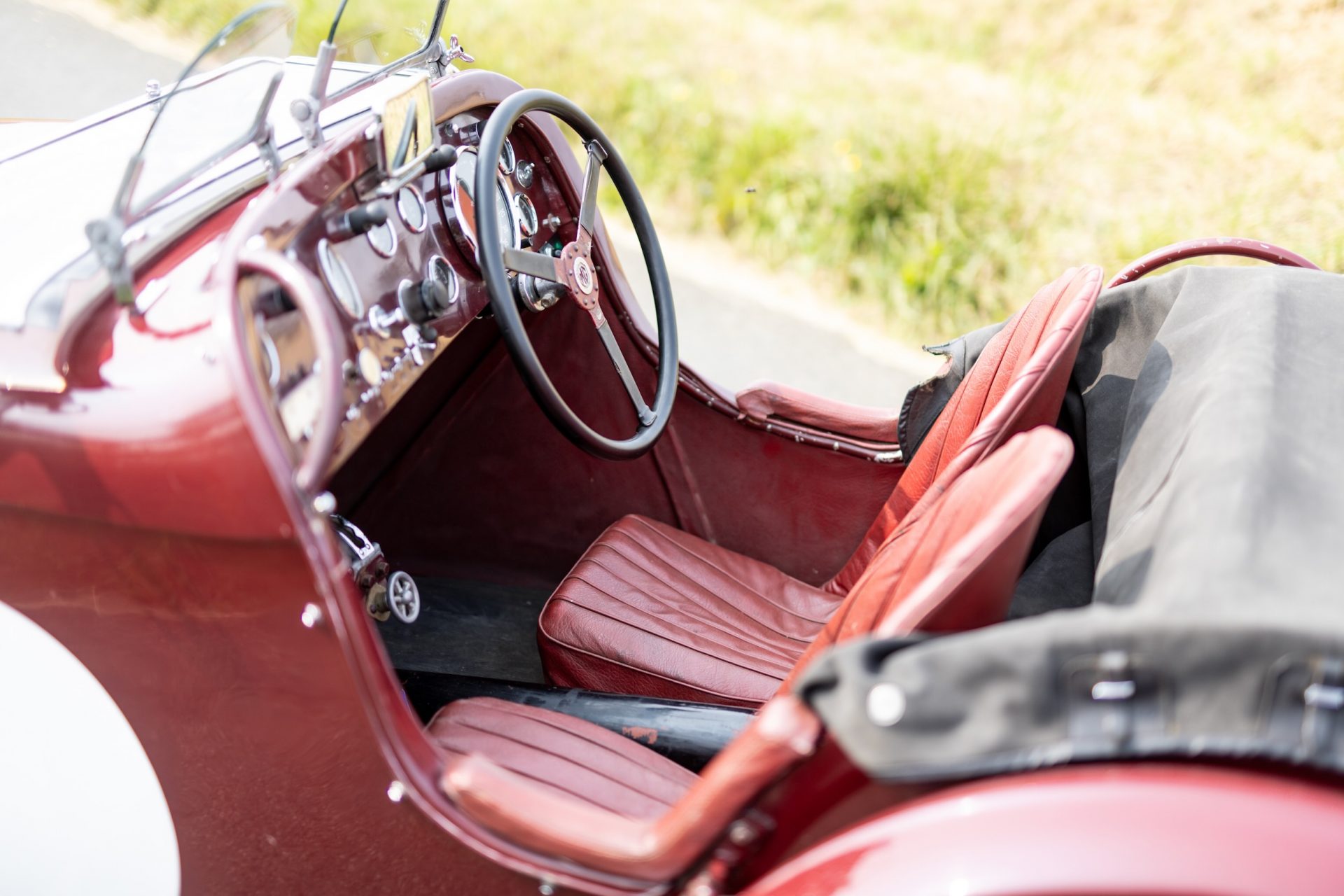
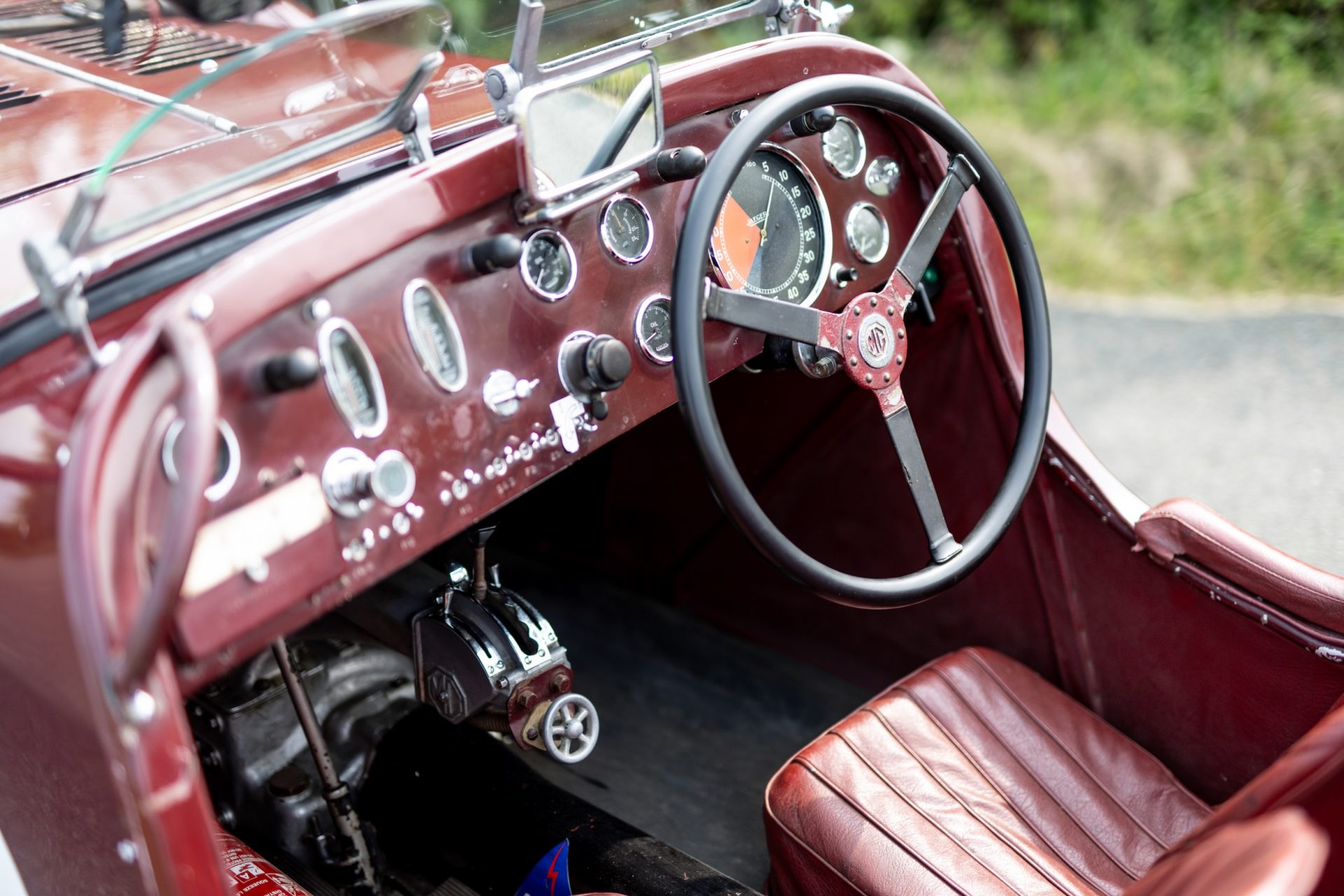
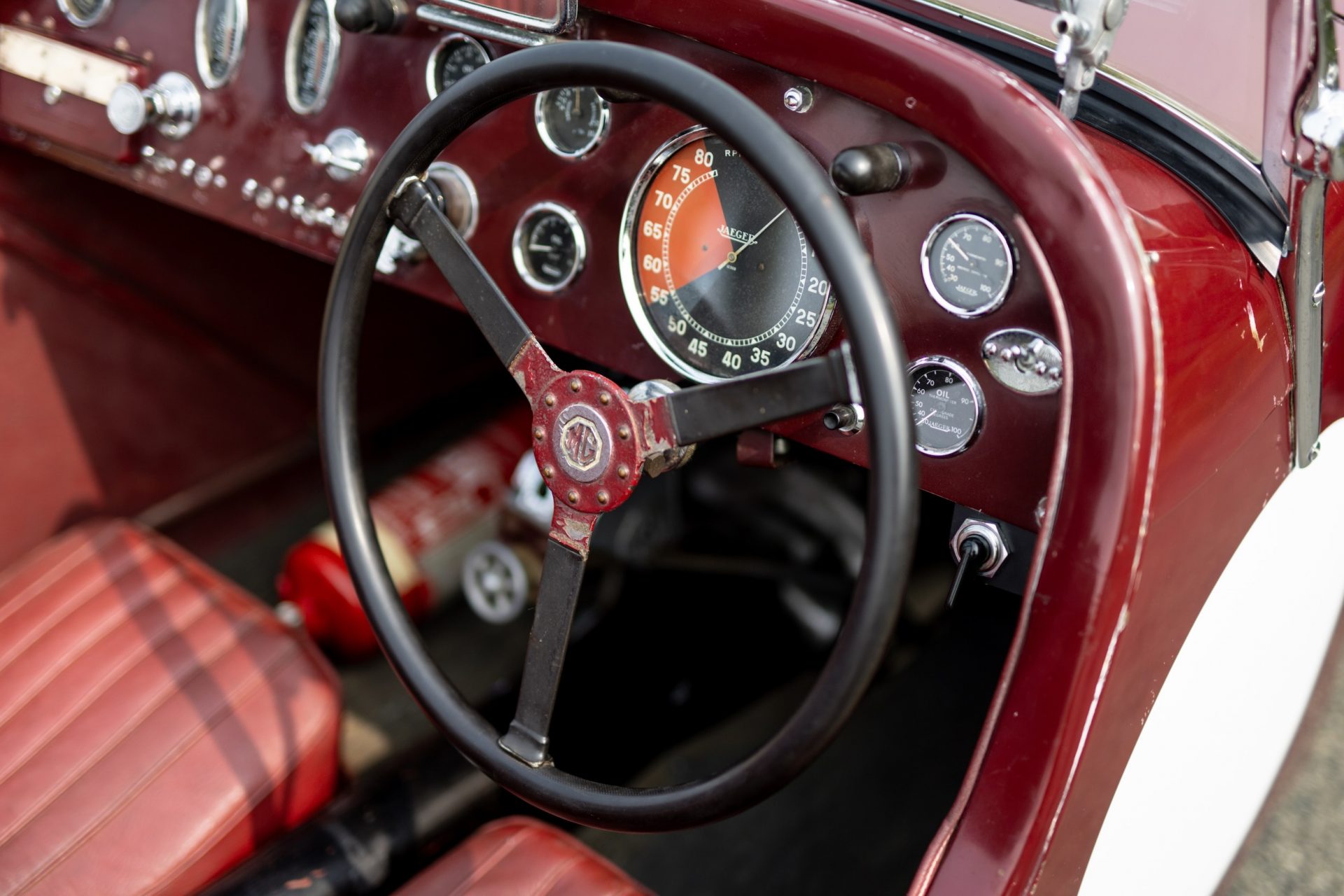
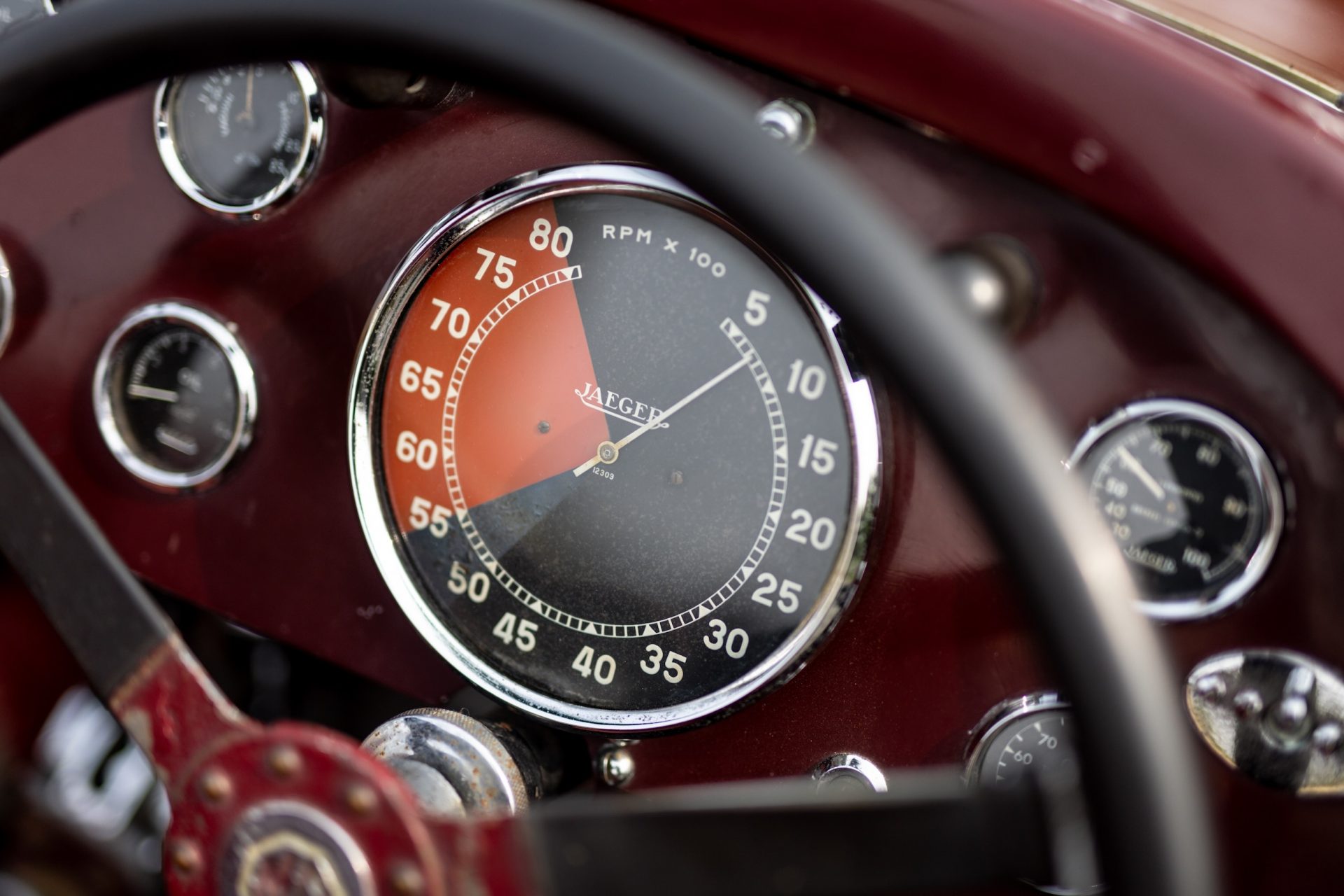
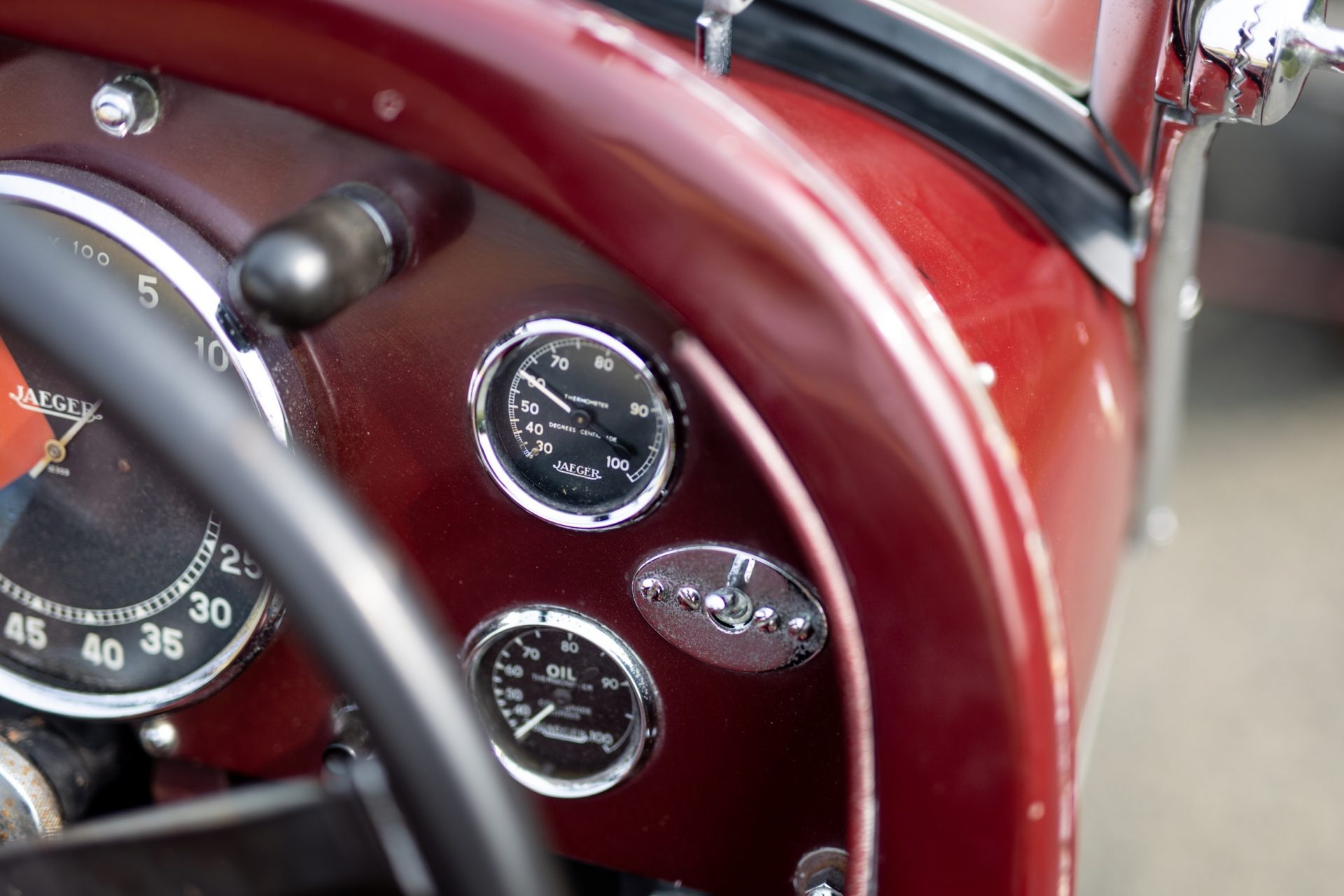
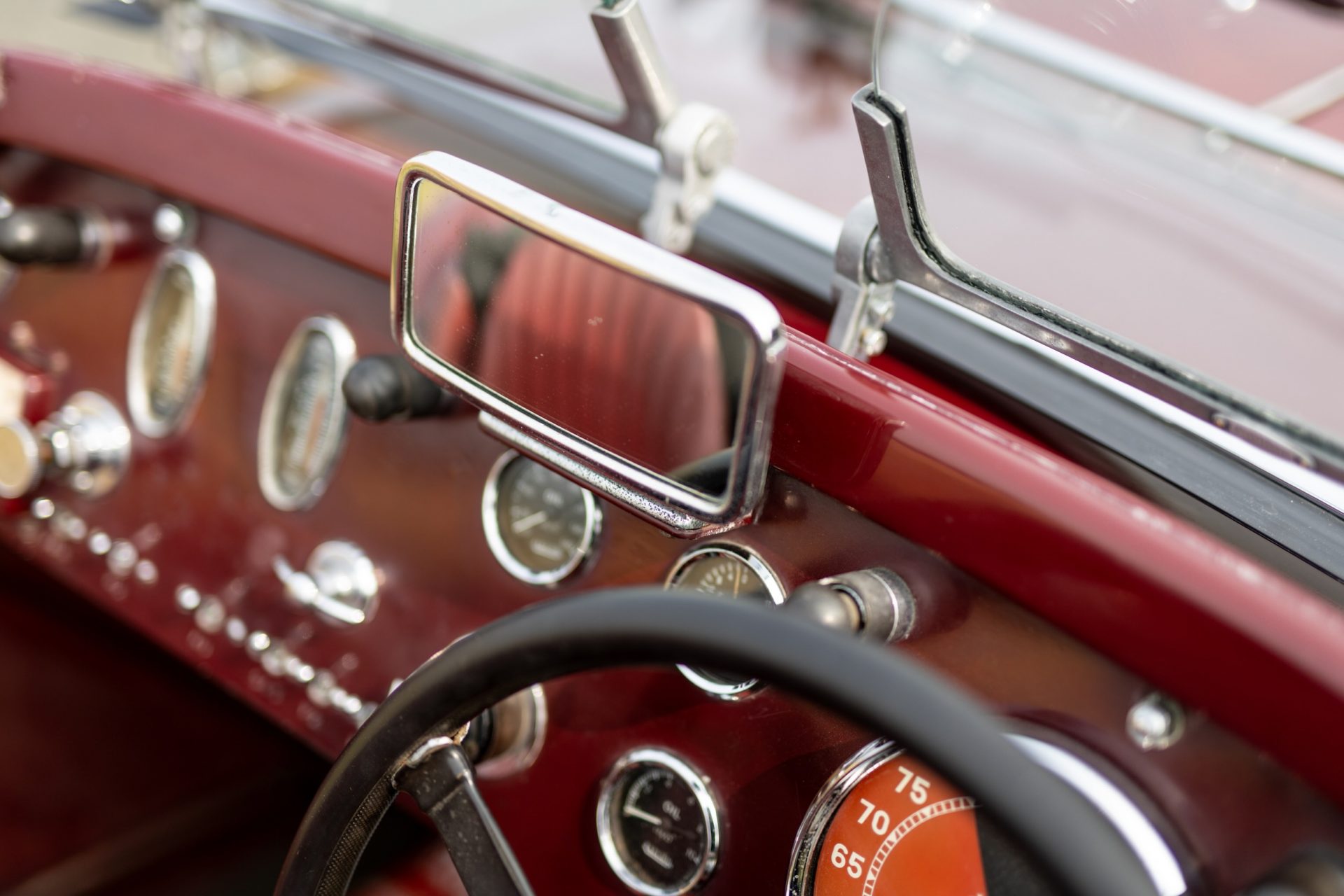
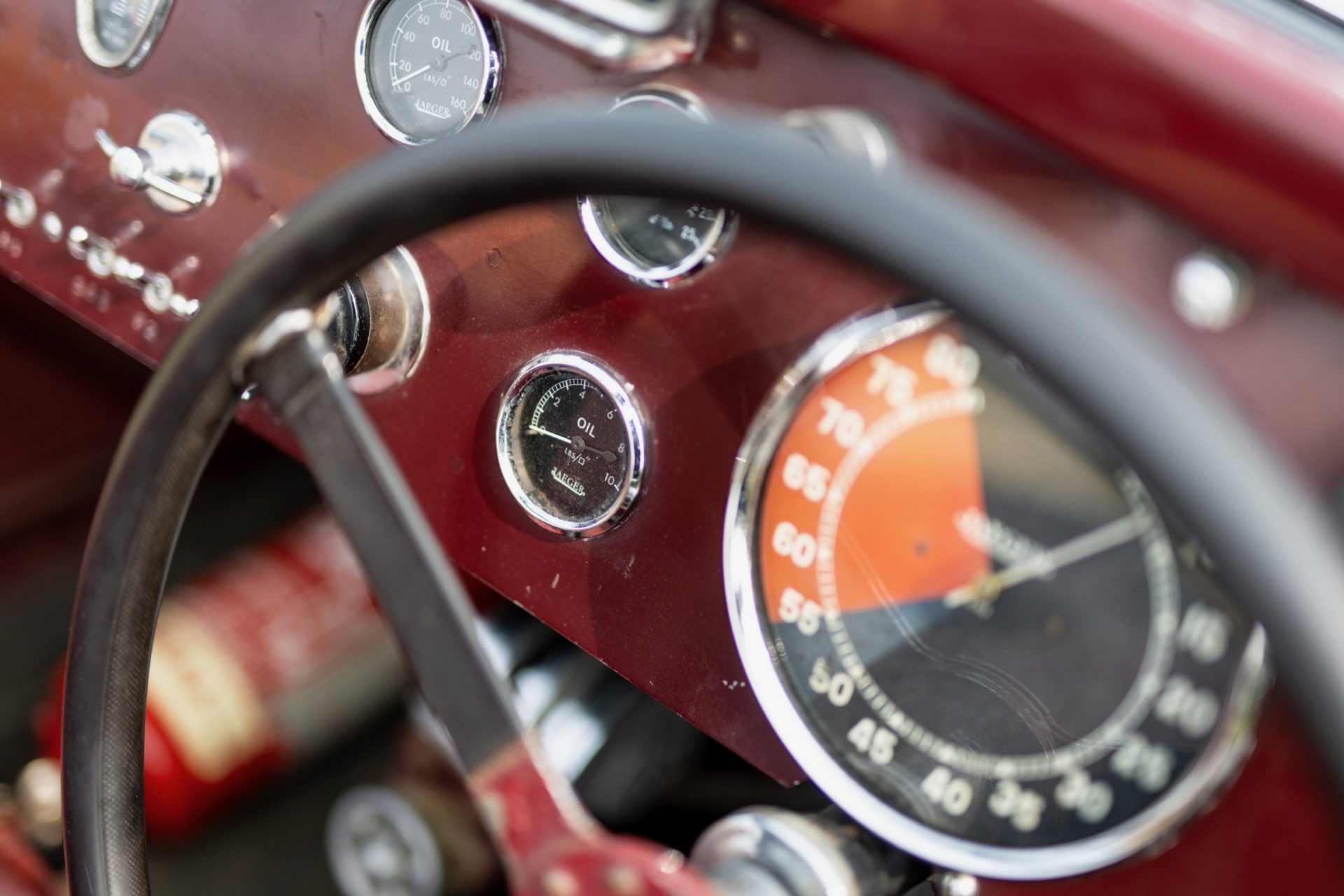
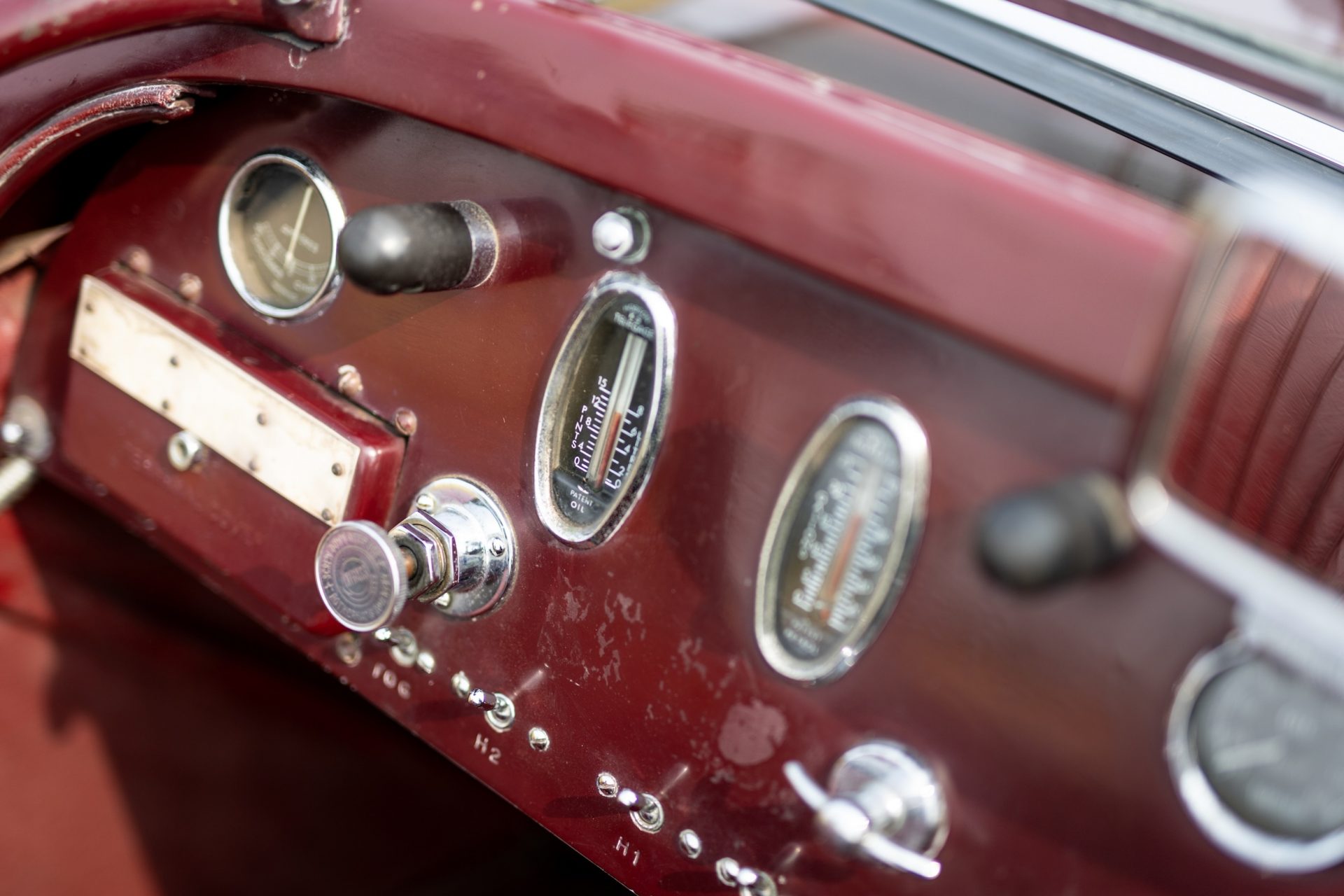
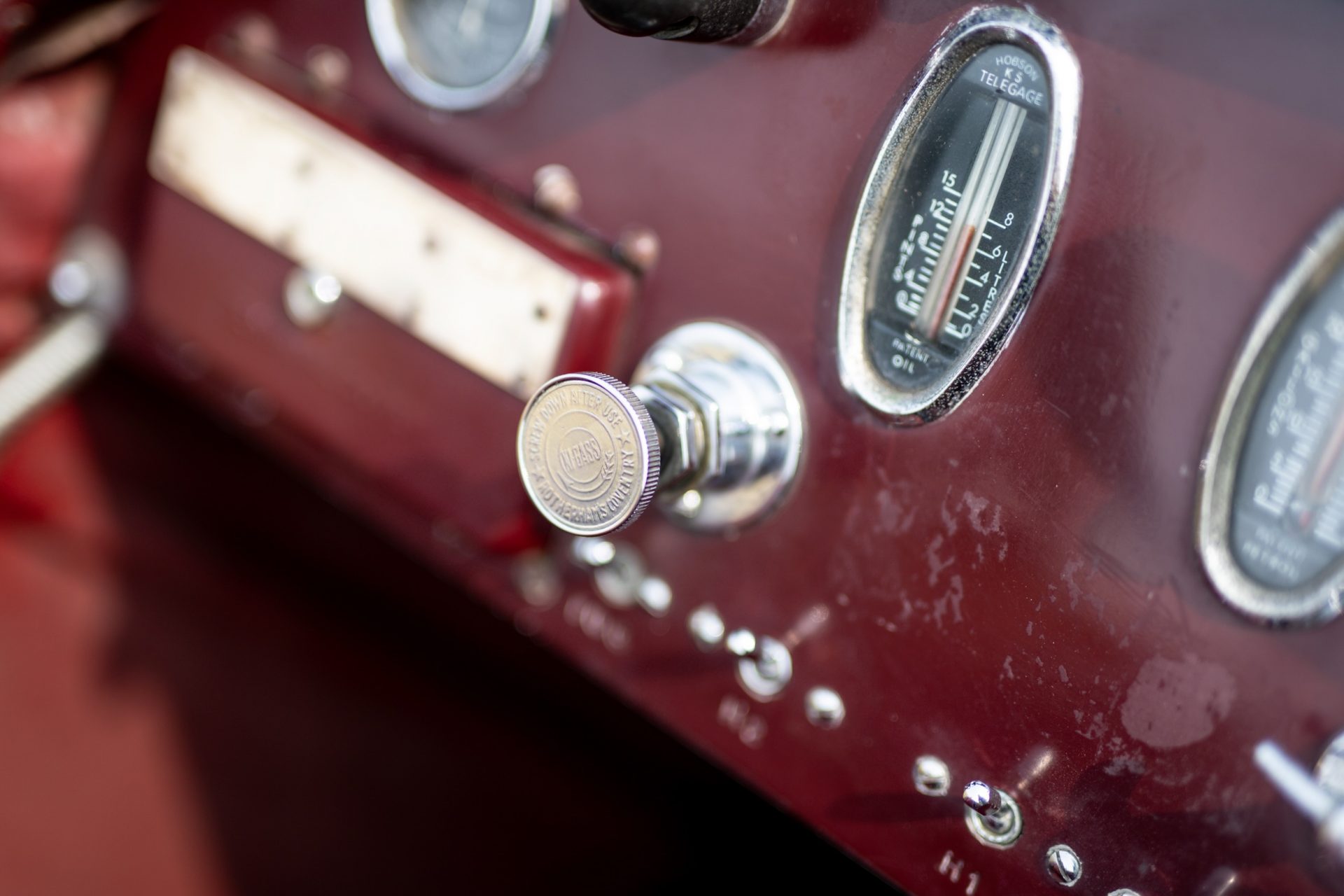
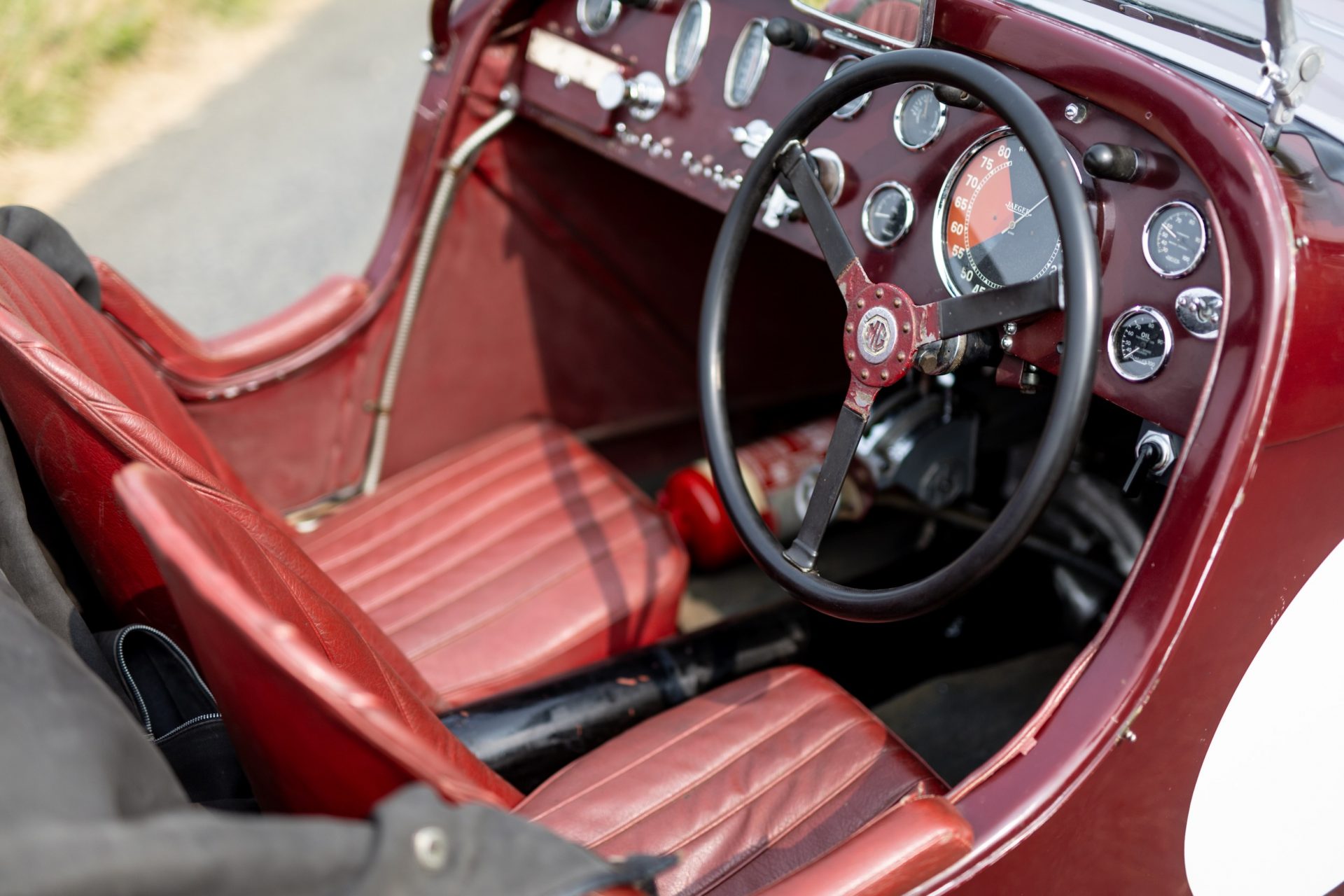
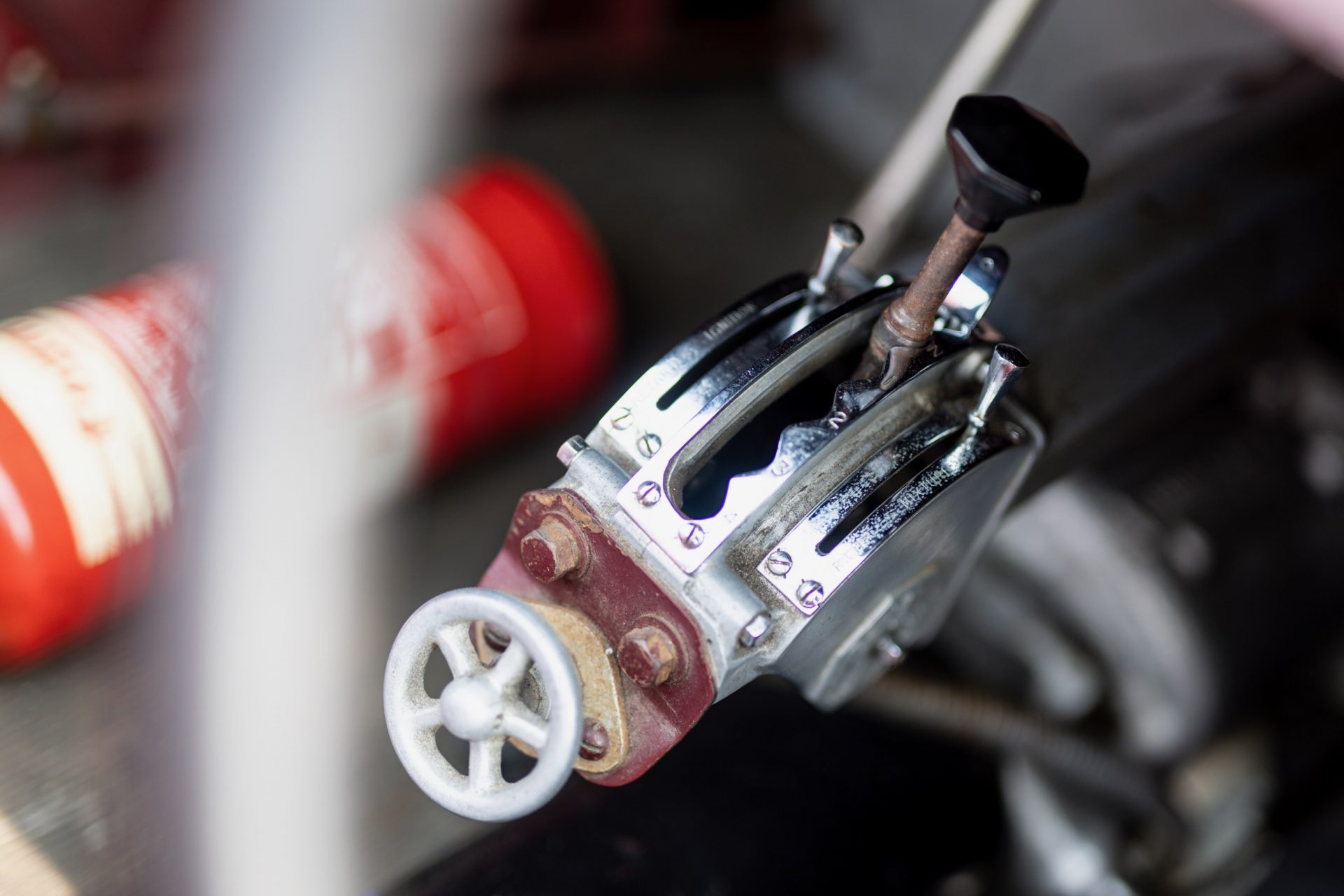
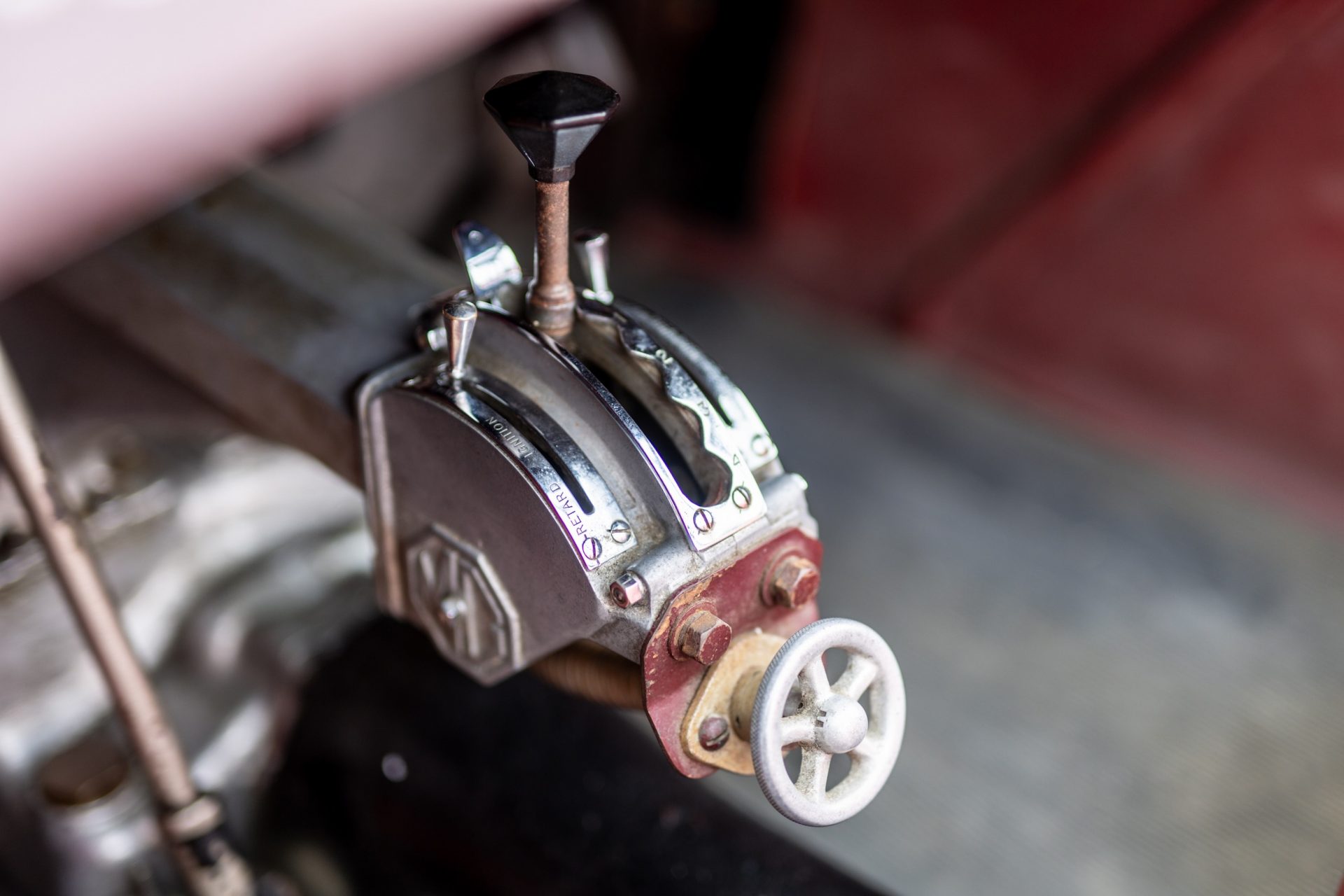
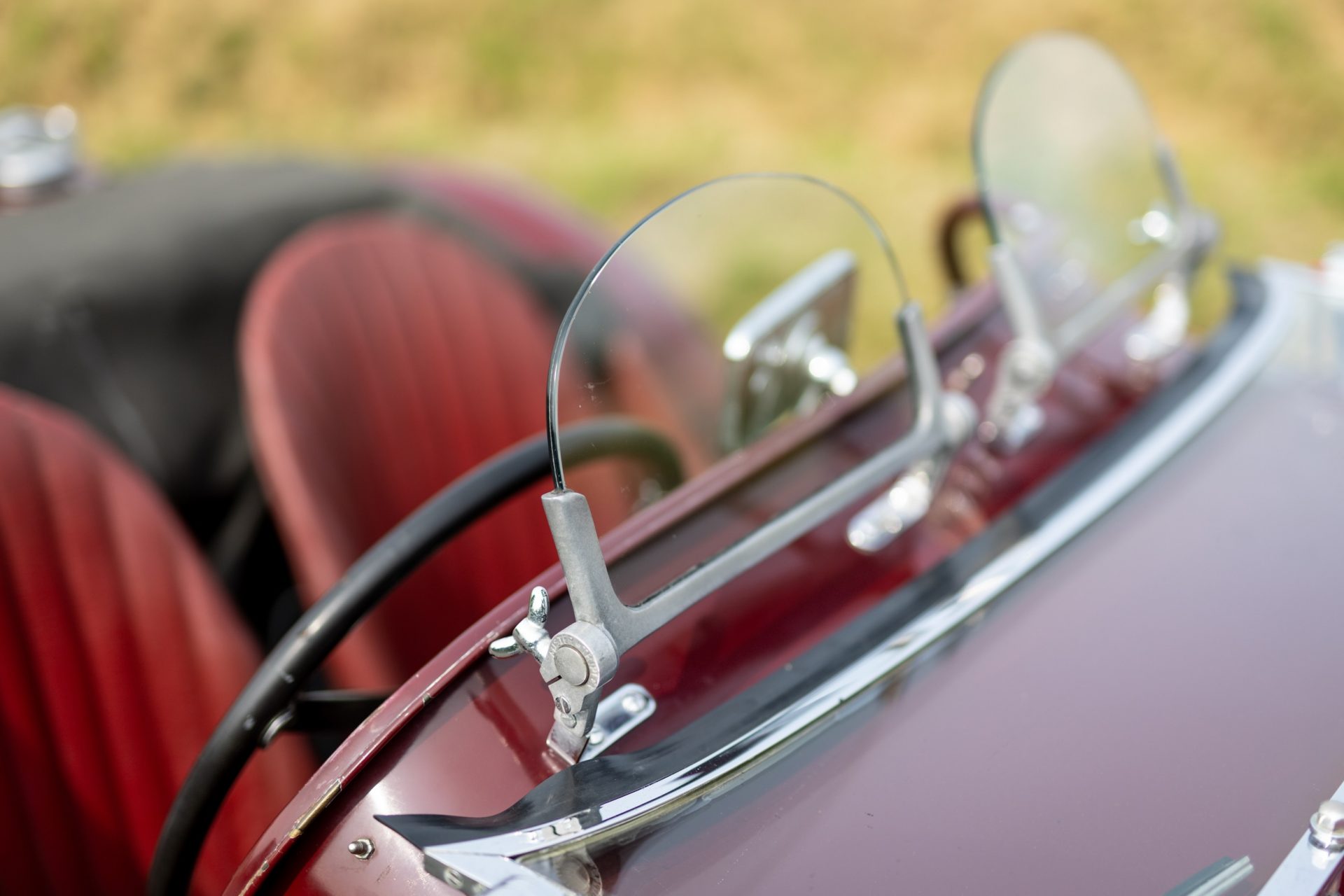
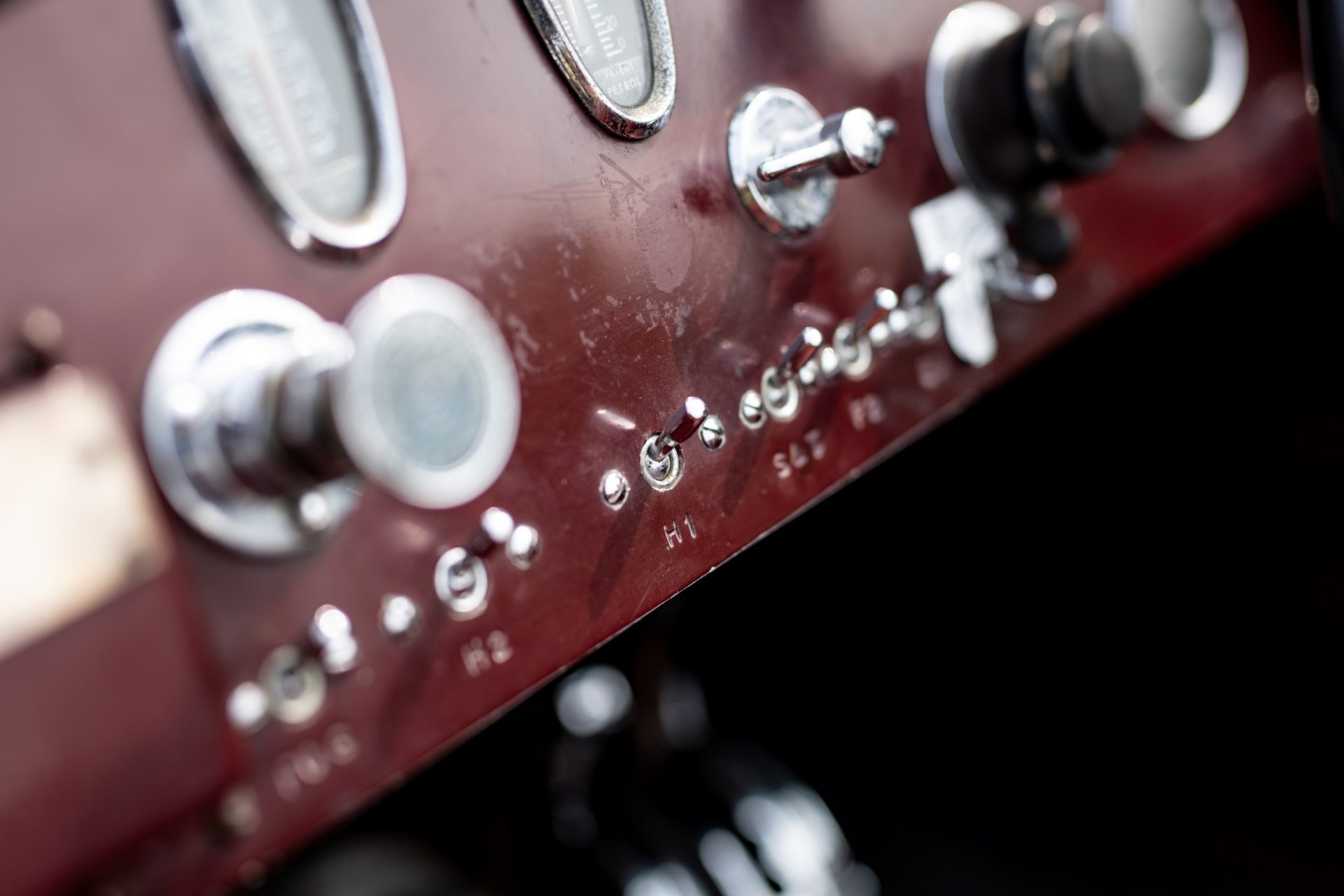
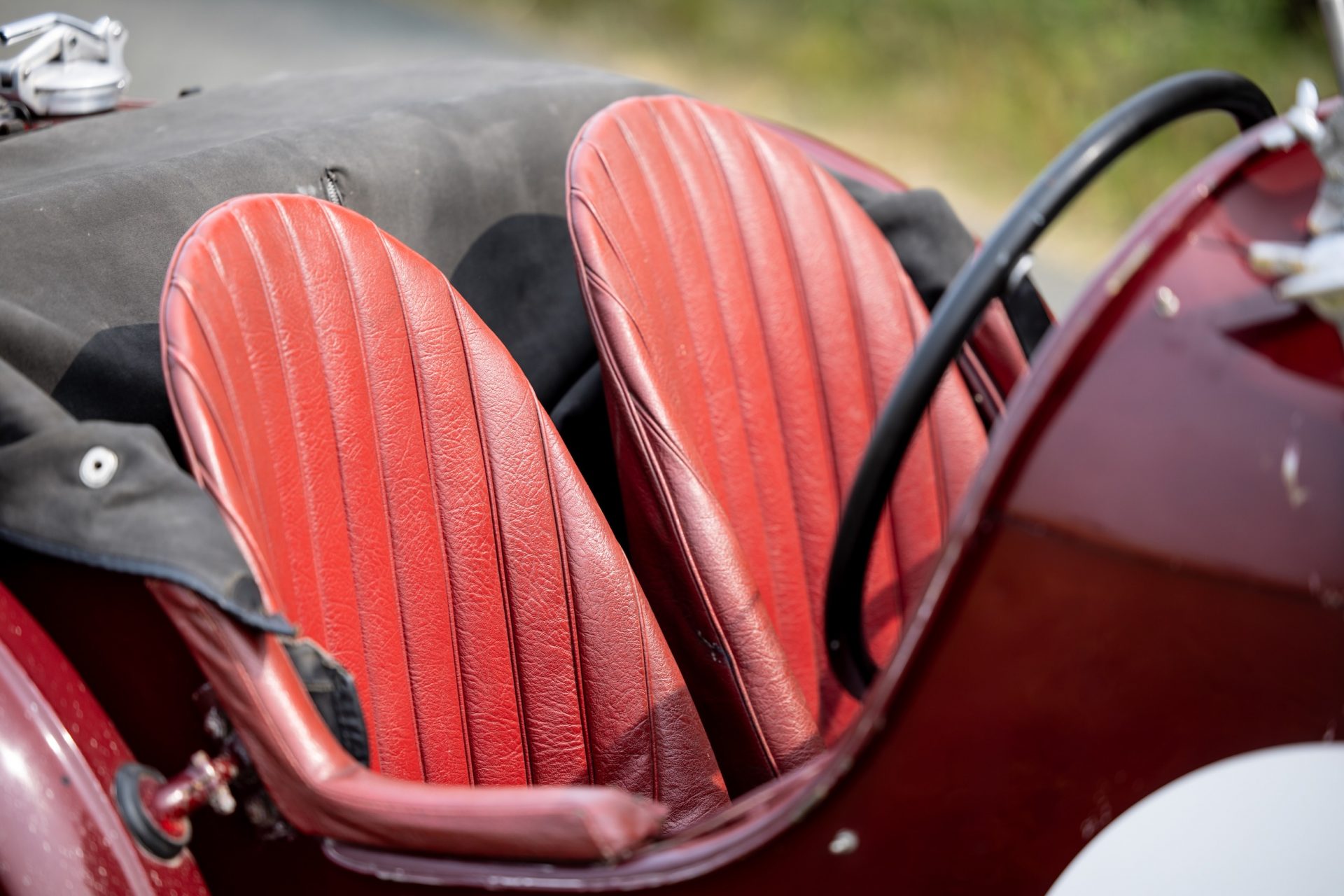
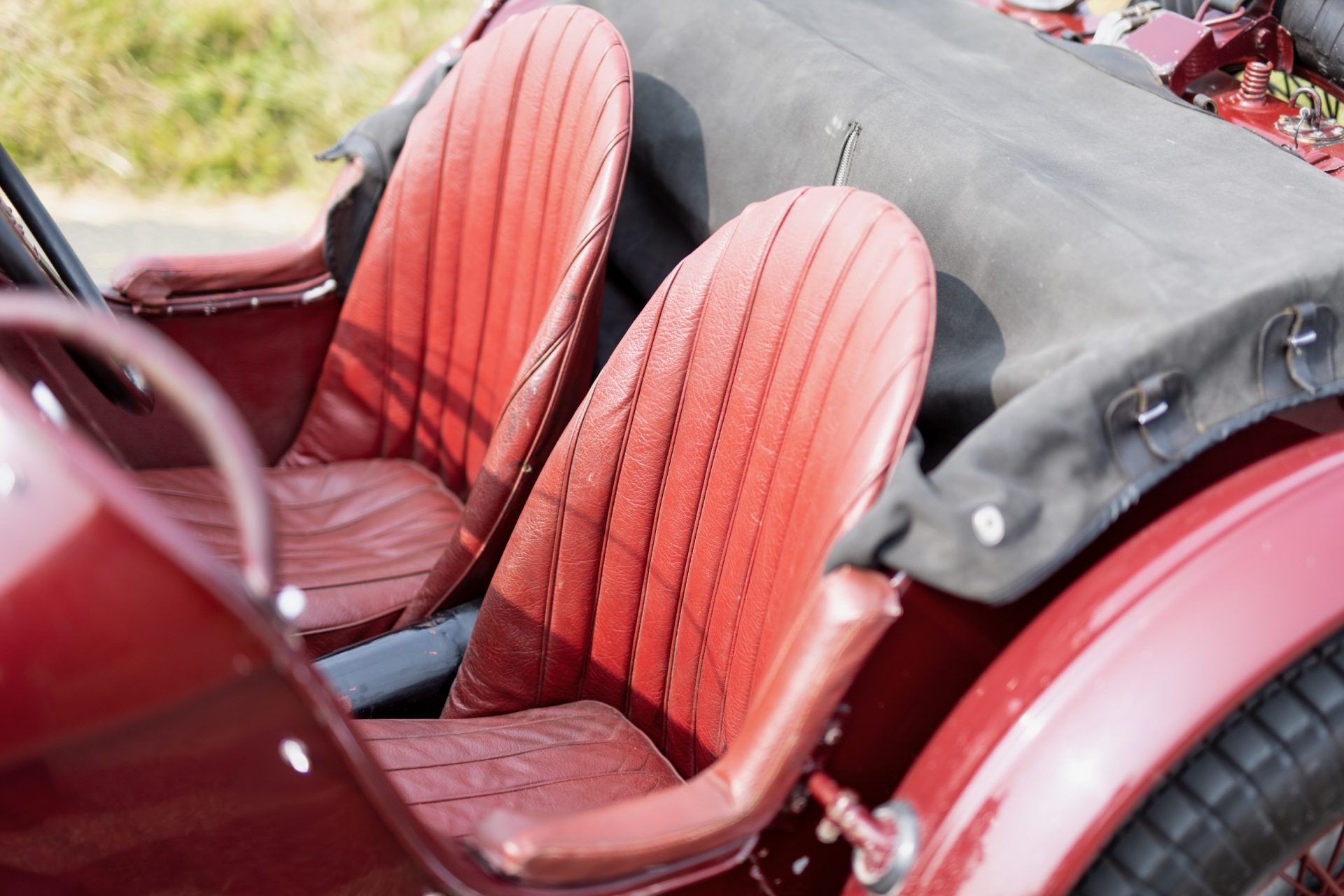
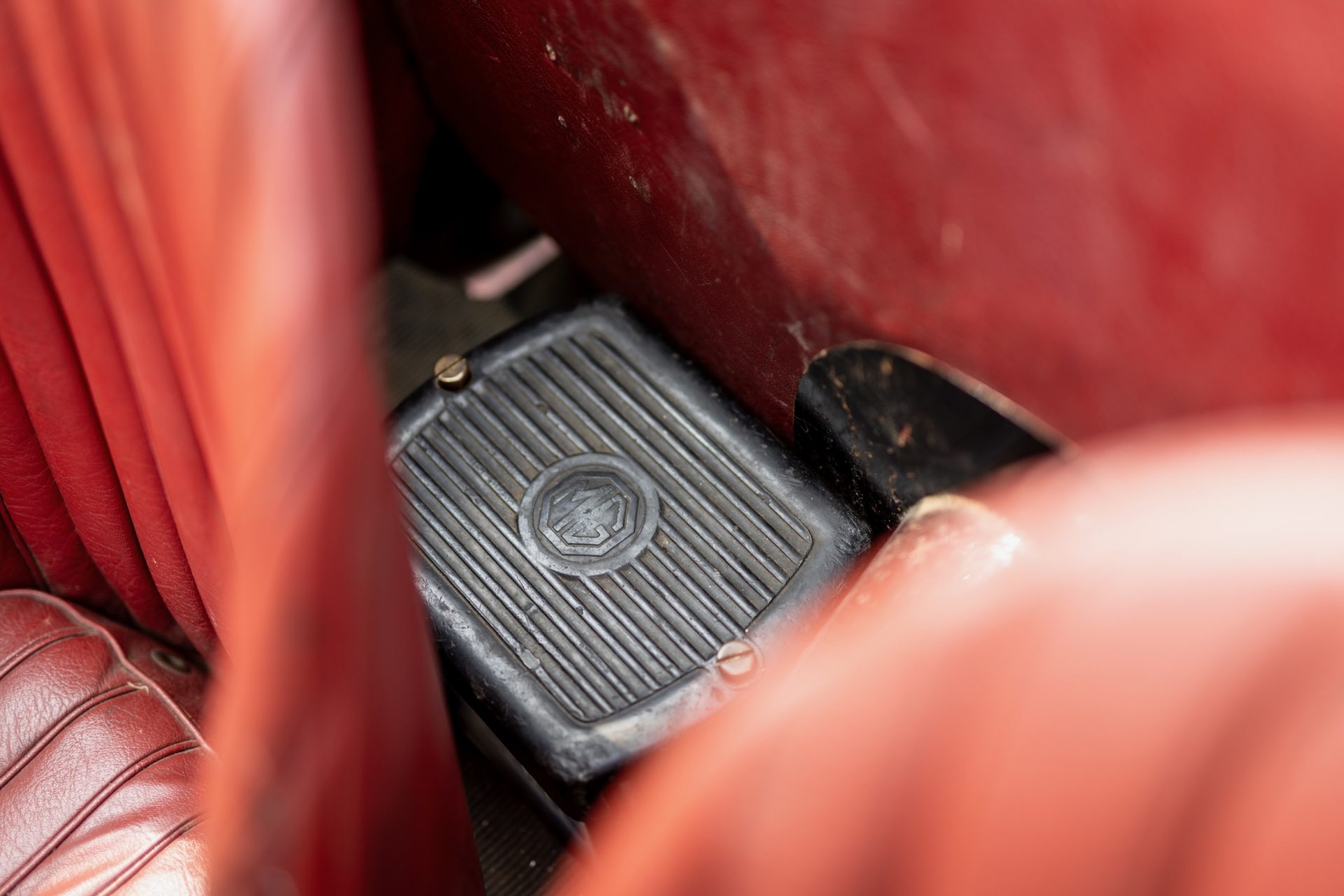
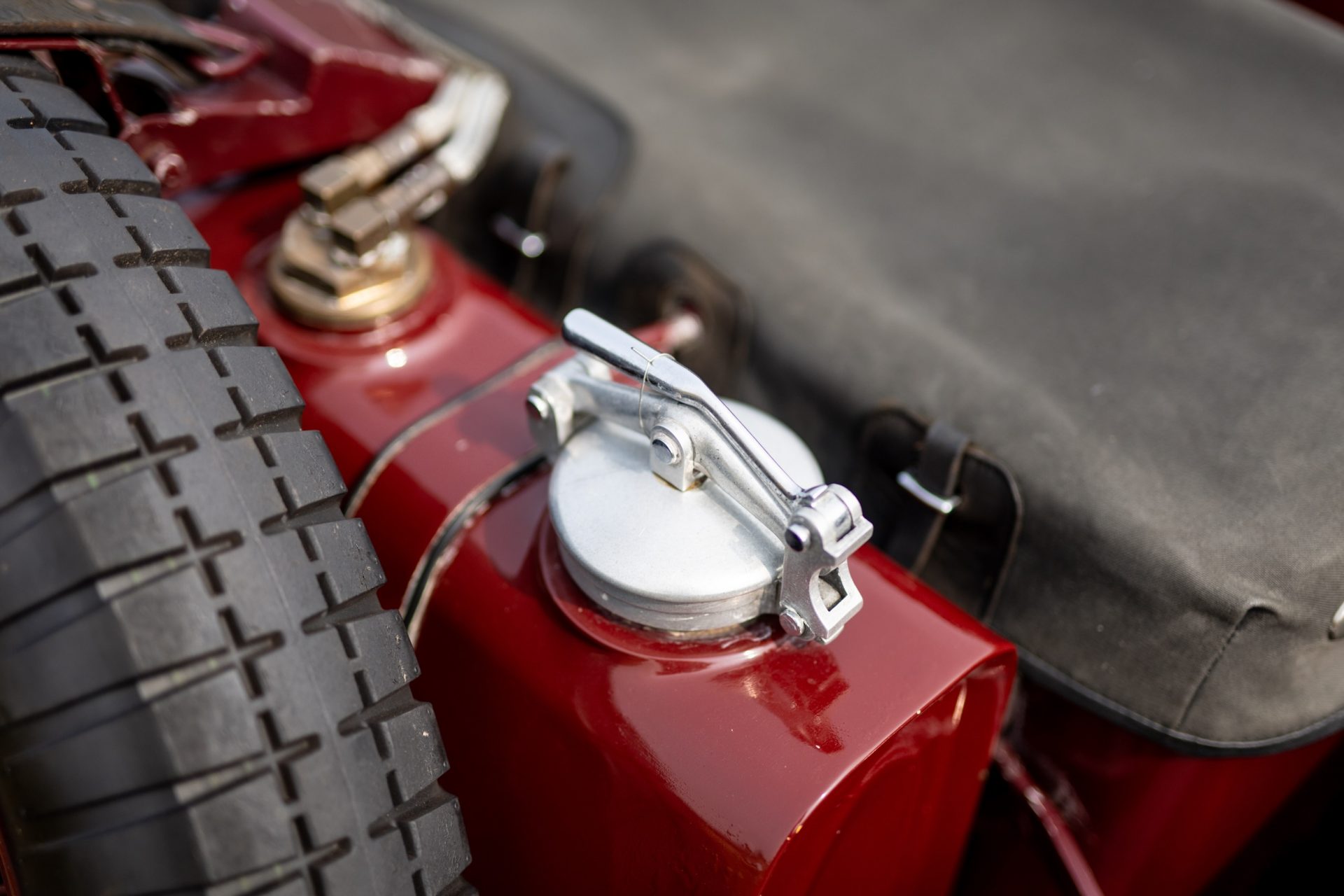
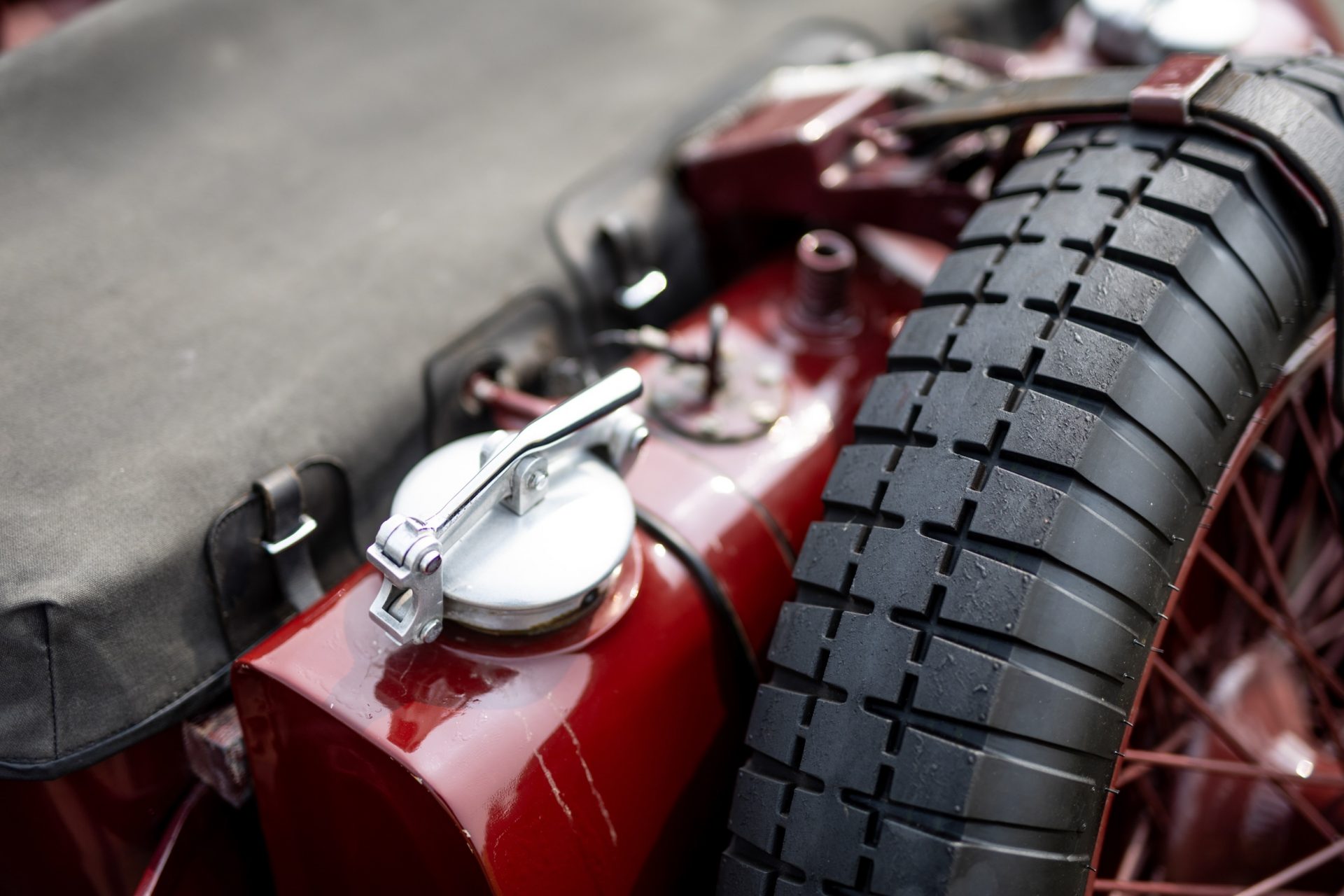
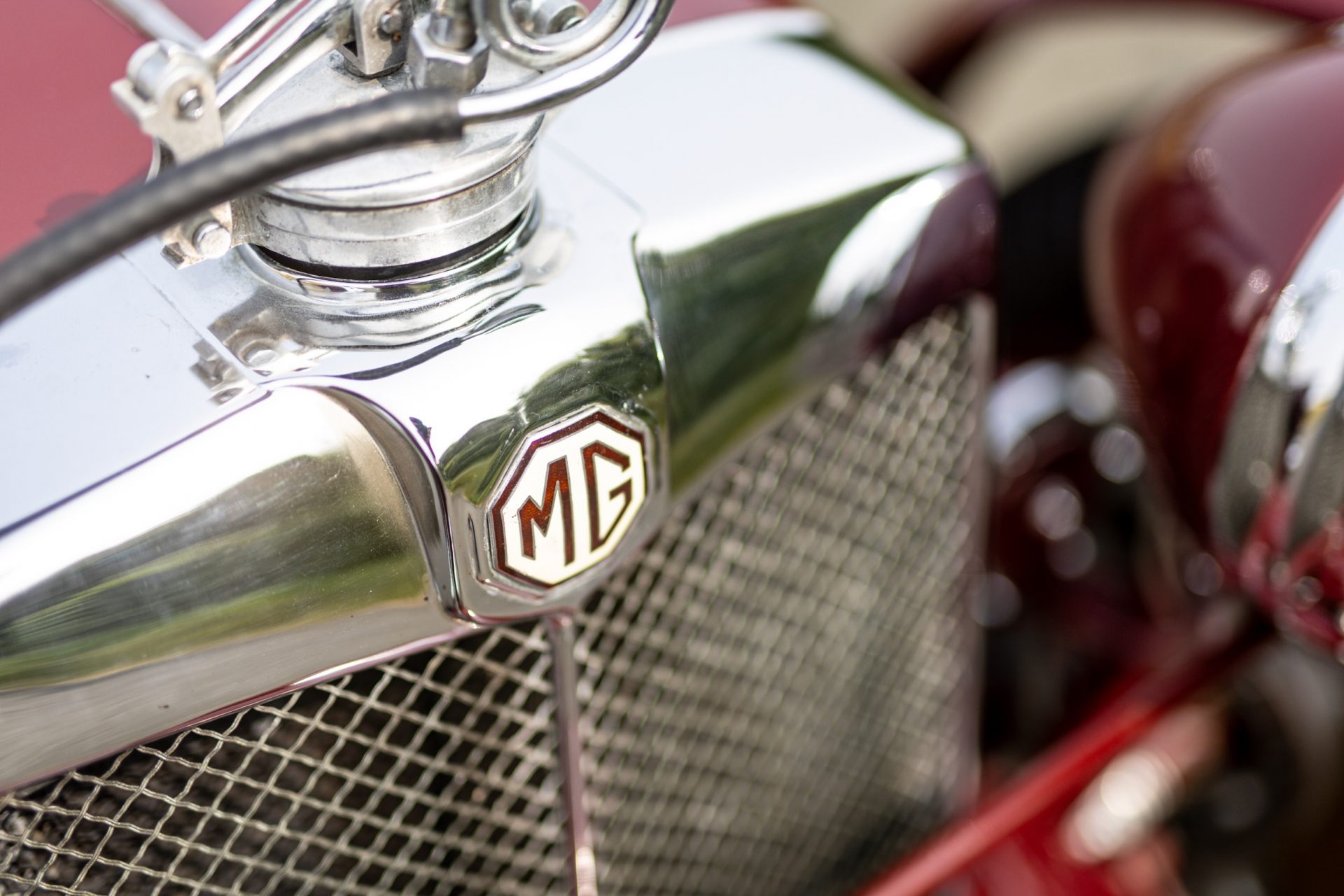
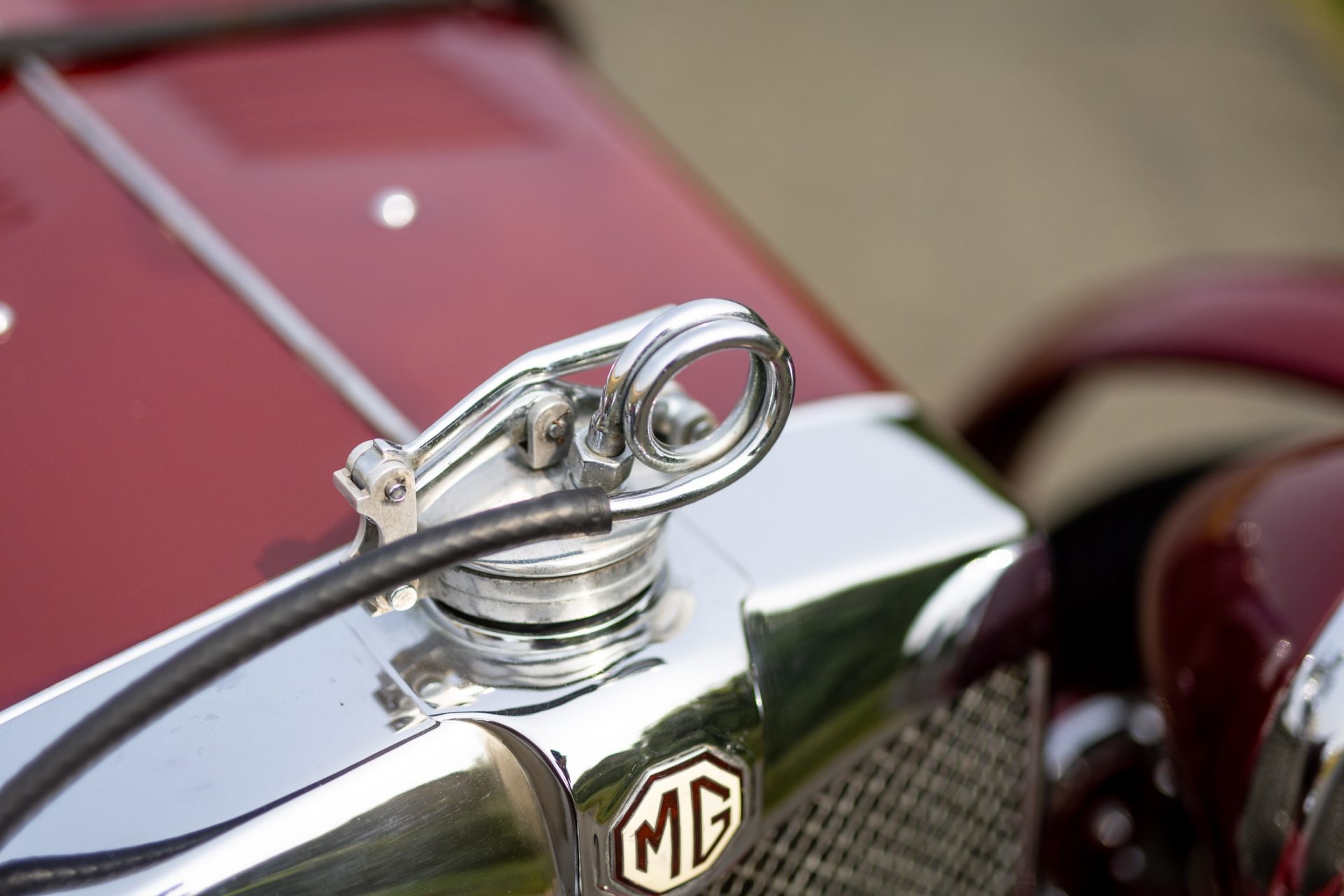
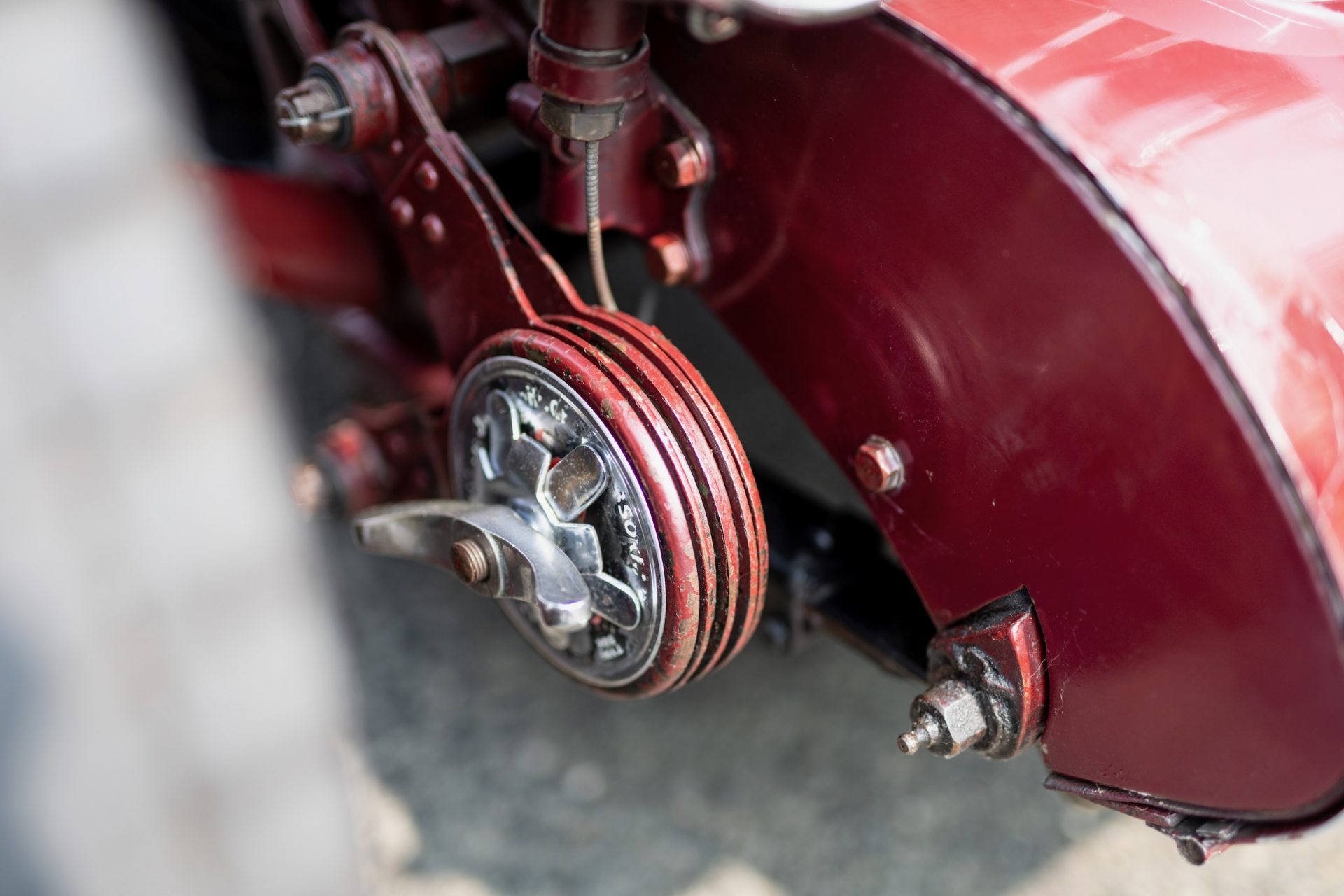
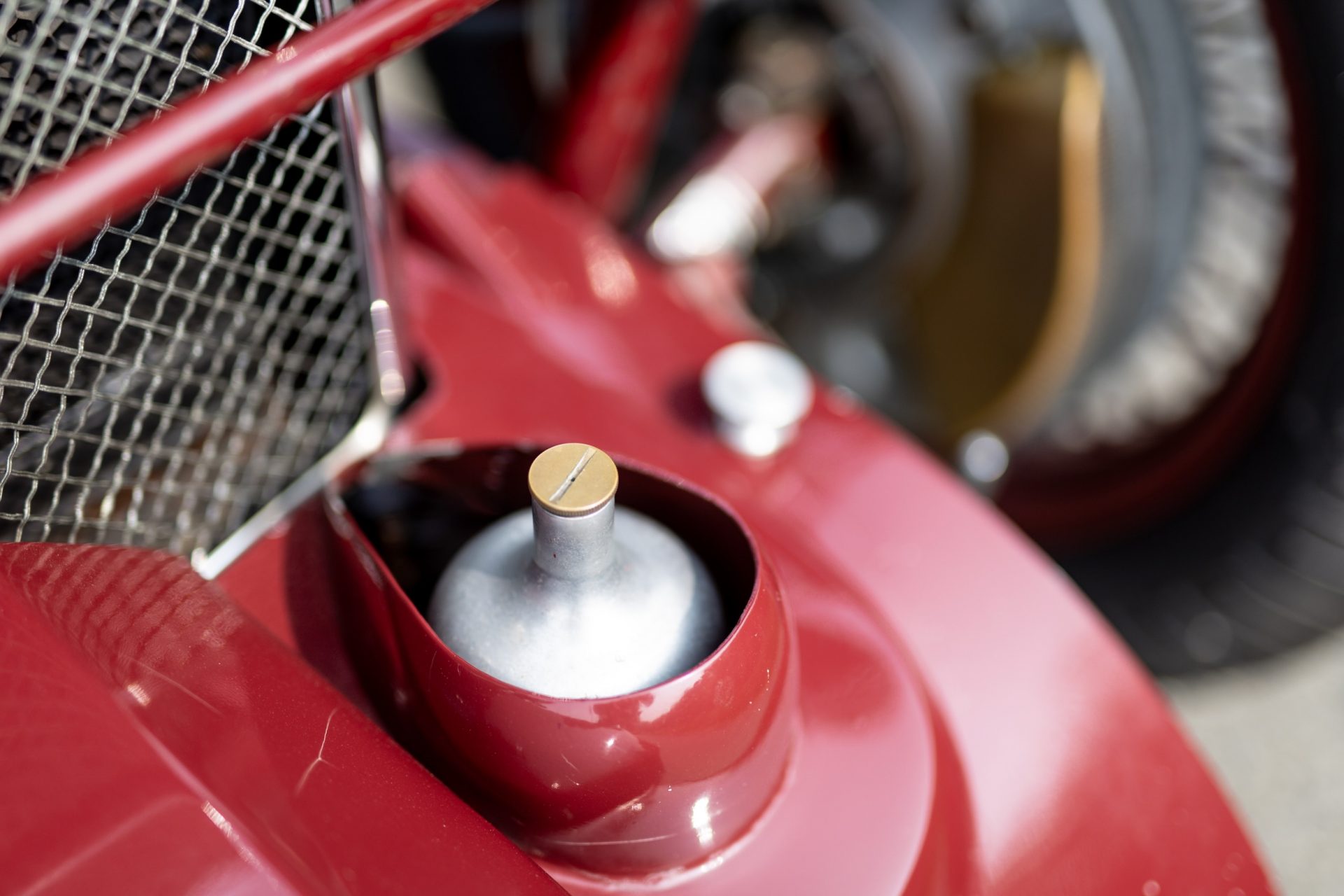
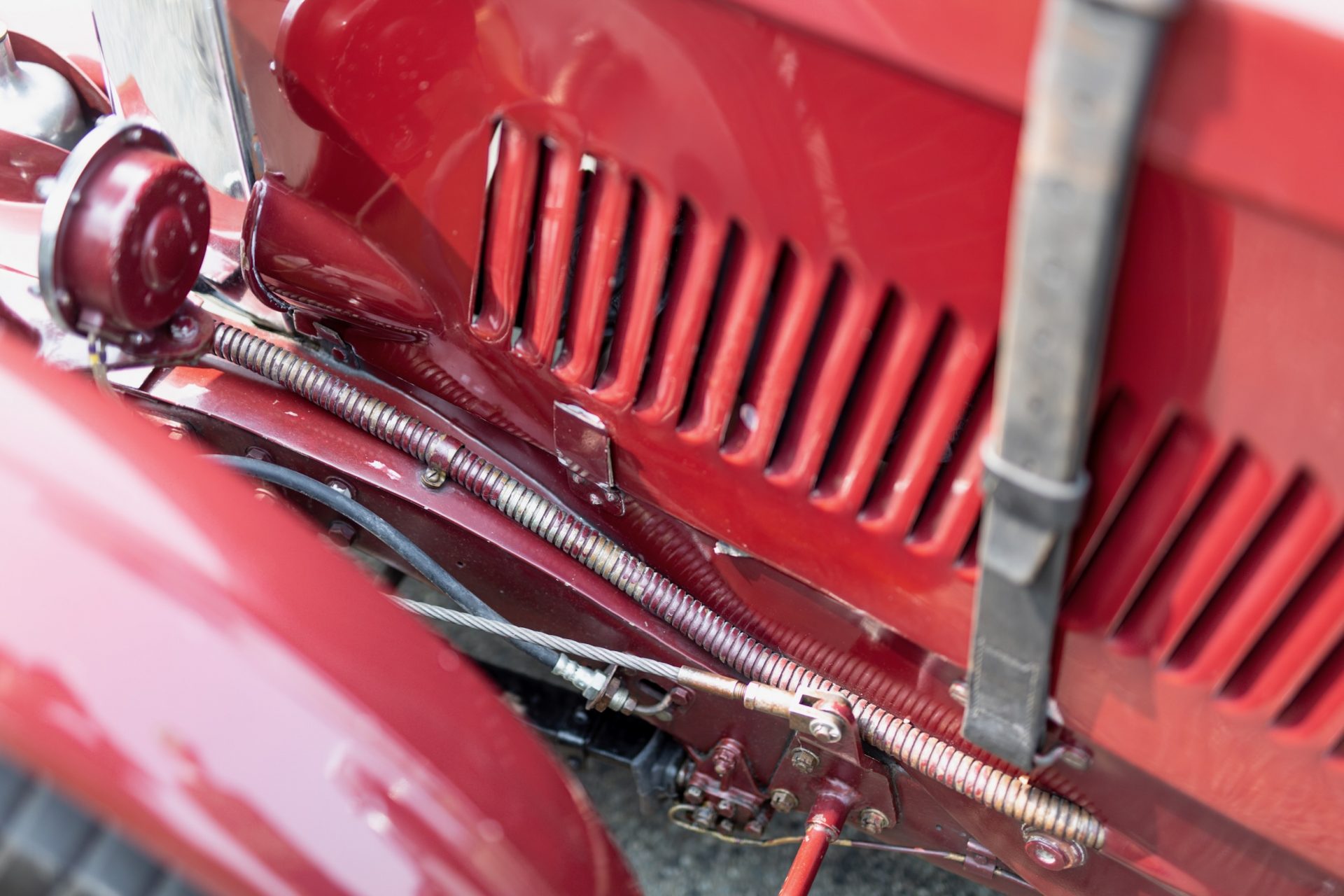
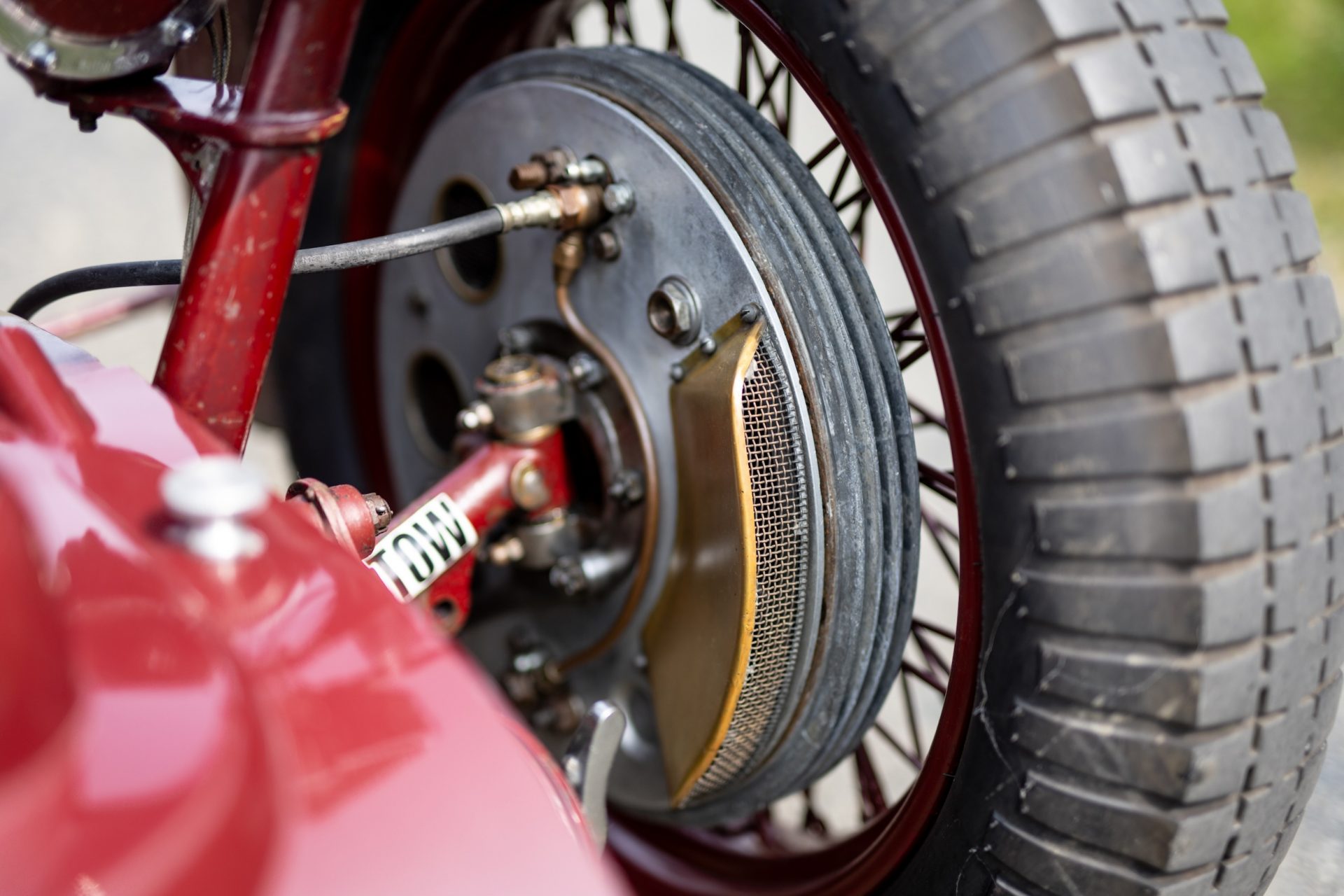
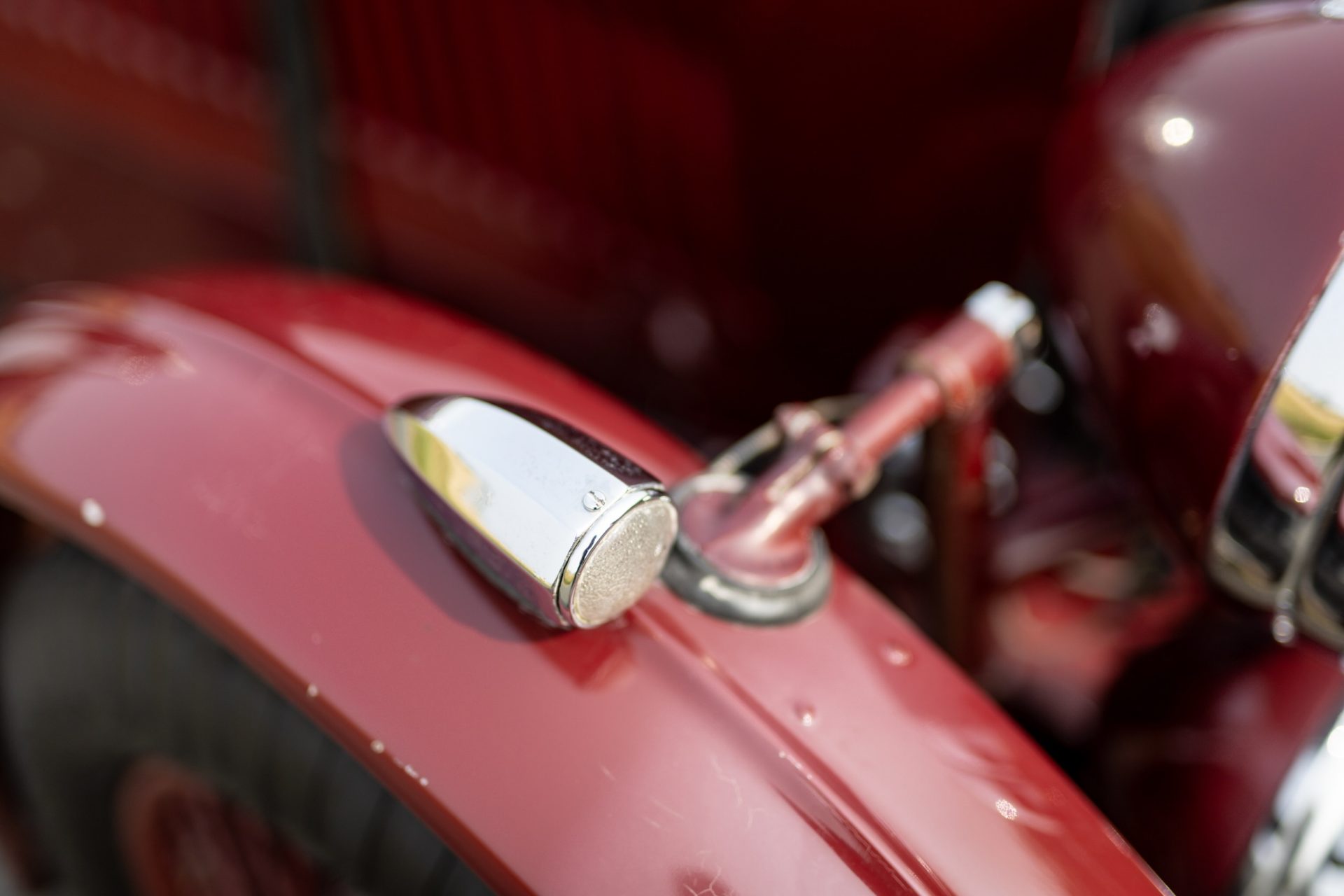
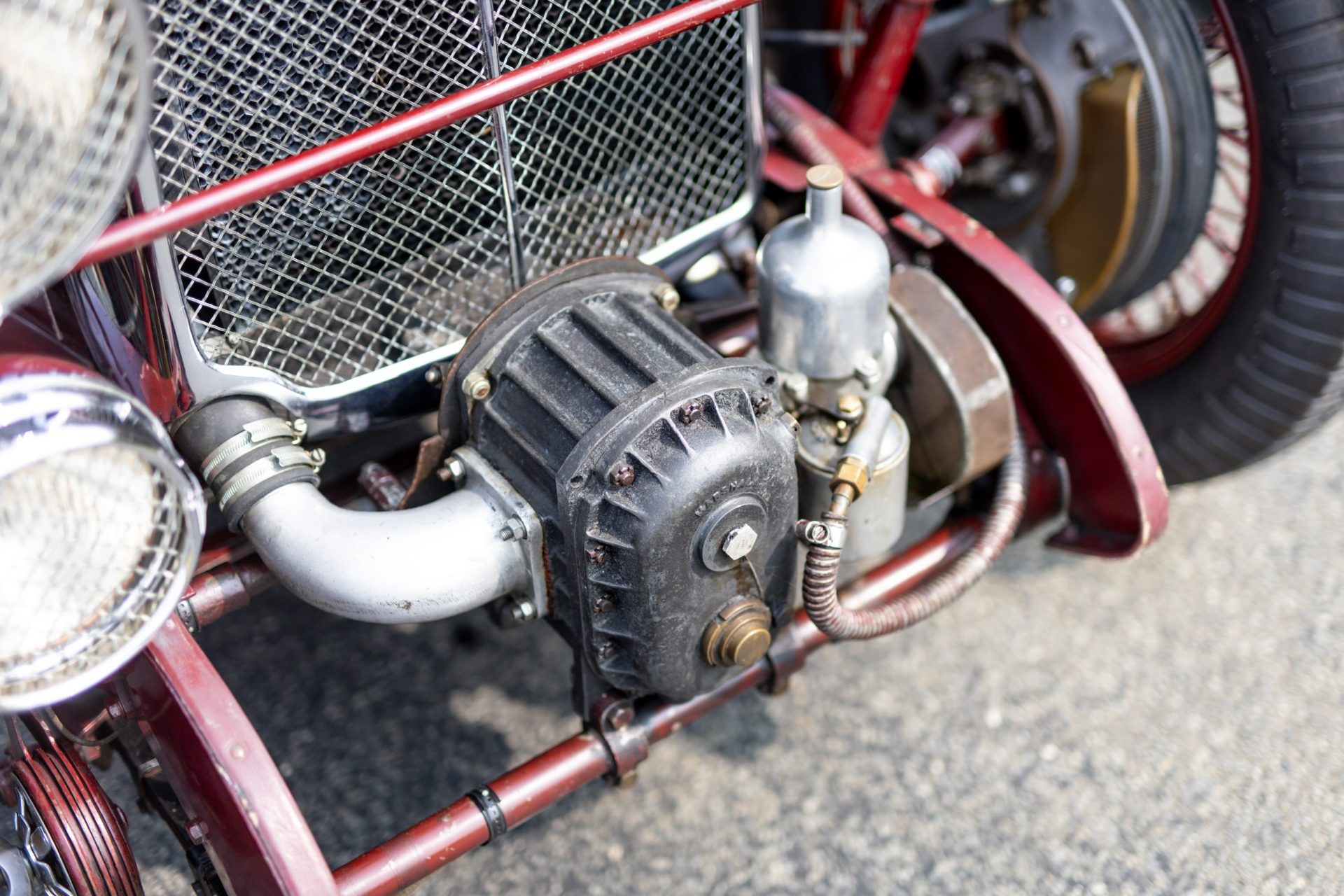
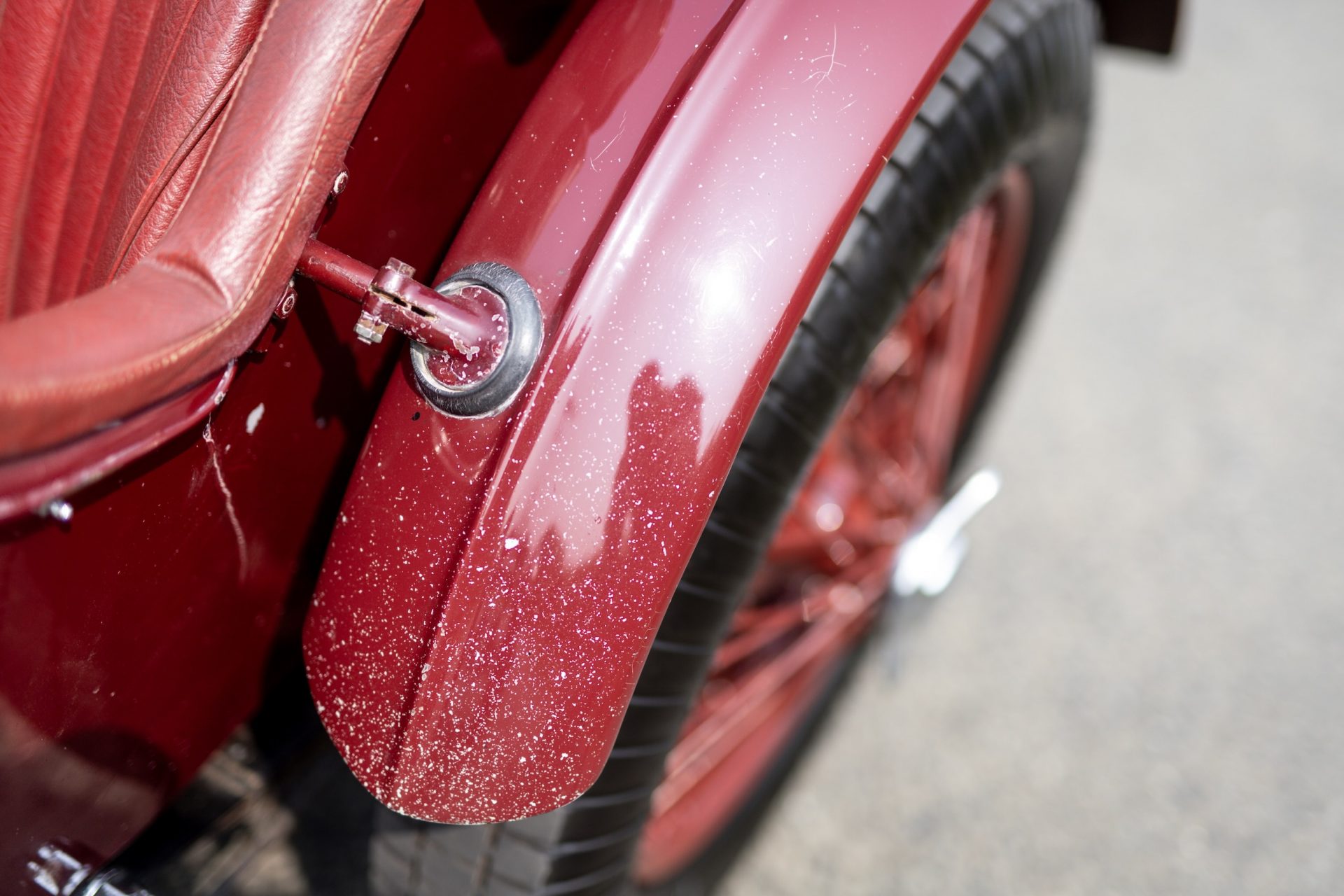
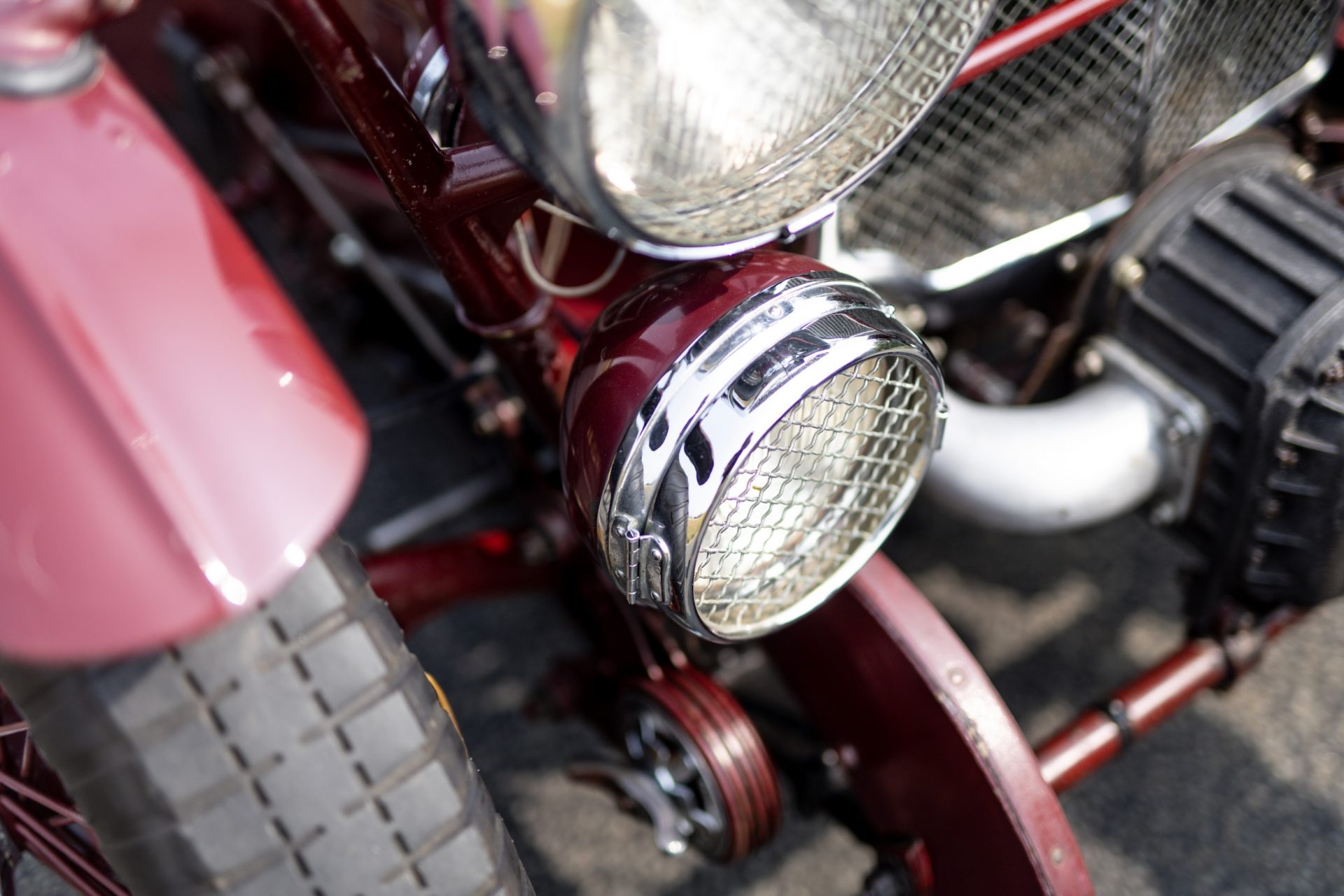
After the Mille Miglia, K3017 had a long racing career (like many other MG K3s), came to Australia in 1935 and remained there until 1999. From 2003 until 2024, the MG was owned by the same owner, who also arranged for a restoration. RM Sotheby’s described it as follows when it was sold last year: ‘It is believed the body has never been off the car, nor suffered any accident damage. The MG retains all original body panels, horns, radiator surround, headlamps, instruments, and Marshall supercharger. Other correct features of the K3 are the original large-finned sump, full chassis oiling system, the oil reserve tank, and factory-fitted hood. To aid getting into and out of the car, Green replaced the original transmission tunnel; the original tunnel comes with the car and could be refitted. The car is currently fitted with single Hartford dampers at the rear (originally, they had a twin; the car comes with the second set that could also be refitted). Incidentally, K3017 was knocked down for £522,500.
We have more exciting vehicles in our archive.