

Enrichment
In the 1990s, the DTM not only delighted fans and spectators, but its regulations also allowed the construction of very spectacular, yet production-based touring cars. These regulations prescribed a maximum of 6 cylinders and a cubic capacity of 2.5 litres – this was the starting point for the Alfa Corse racing department, under the direction of Giorgio Pianta, to create a very extraordinary racing car, the Alfa Romeo 155 V6 TI. To equip the vehicle with four-wheel drive, the engine had to be installed lengthwise, unlike the production vehicle, whose power was then sent to the wheels via a 6-speed transmission, a central transfer case and a front and rear differential with a power distribution of 33% at the front and 67% at the rear. The engine, equipped with titanium valves and dry sump lubrication, managed an output of 420 hp at a spectacular 11,800 rpm despite the very low weight of just 110 kg.


Thanks to its lightweight construction and carbon-fibre body, the car itself weighed just 1040 kilograms. The decision to use four-wheel drive proved to be the right one in the very first race at Zolder, when Nicola Larini won in the rain ahead of Christian Danner in the Schübel team’s Alfa Romeo 155 and his team-mate Alessandro Nannini. Further victories for Larini followed at the Nürburgring, including two on the legendary Nordschleife, in Wunstorf, at the Norisring, in Donington, Diepholz and Singen. He ended the 1993 season with a total of 261 points, a comfortable margin that saw him crowned DTM champion ahead of Roland Asch in a Mercedes 190E with 206 points. With Nannini winning again at Hockenheim and Danner at Donington during the season, the Alfa Romeo 155 2.5 V6 TI went on to win 12 of 20 races in its first year in the DTM.


In 1994, out of the blue, things didn’t go so well. Although the 155 had been significantly improved with a Kelsey-Hayes ABS and active suspension, and a total of ten of these cars were built, Larini had no chance against Klaus Ludwig in a Mercedes and had to settle for third place in the championship. The car we are showing here, chassis number ZAR16700000088171, was used by the Schübel team, with Christian Danner usually at the wheel. He crossed the finish line 14 times, twice coming in second, but he still only came in ninth in the championship. In 1995, the Alfa was entered in further DTM races with Stefano Modena at the wheel, but a second place at the Avus race was his best result. After that, the Alfa was used as an exhibition vehicle by Alfa Corse, was sold in 2017 – and will be auctioned at RM Sotheby’s in Paris in February 2025, with an estimated price of 500,000 to 600,000 euros (last year it was still estimated at 650,000 to 750,000 euros). A racing engine and two gearboxes are also included.


–
As mentioned, 1995 was not the year of the 155 either. The car we show below, chassis number SE062/005, was entered by the Milan-based Euroteam that year, with Michael Bartels at the wheel. There was that one weekend in Diepholz when Bartels took pole position and won both DTM races, but that was almost it; in the end-of-year standings he only came in tenth. 1996 was even worse – but the Alfa looks very good as ‘Jägermeister’.


–
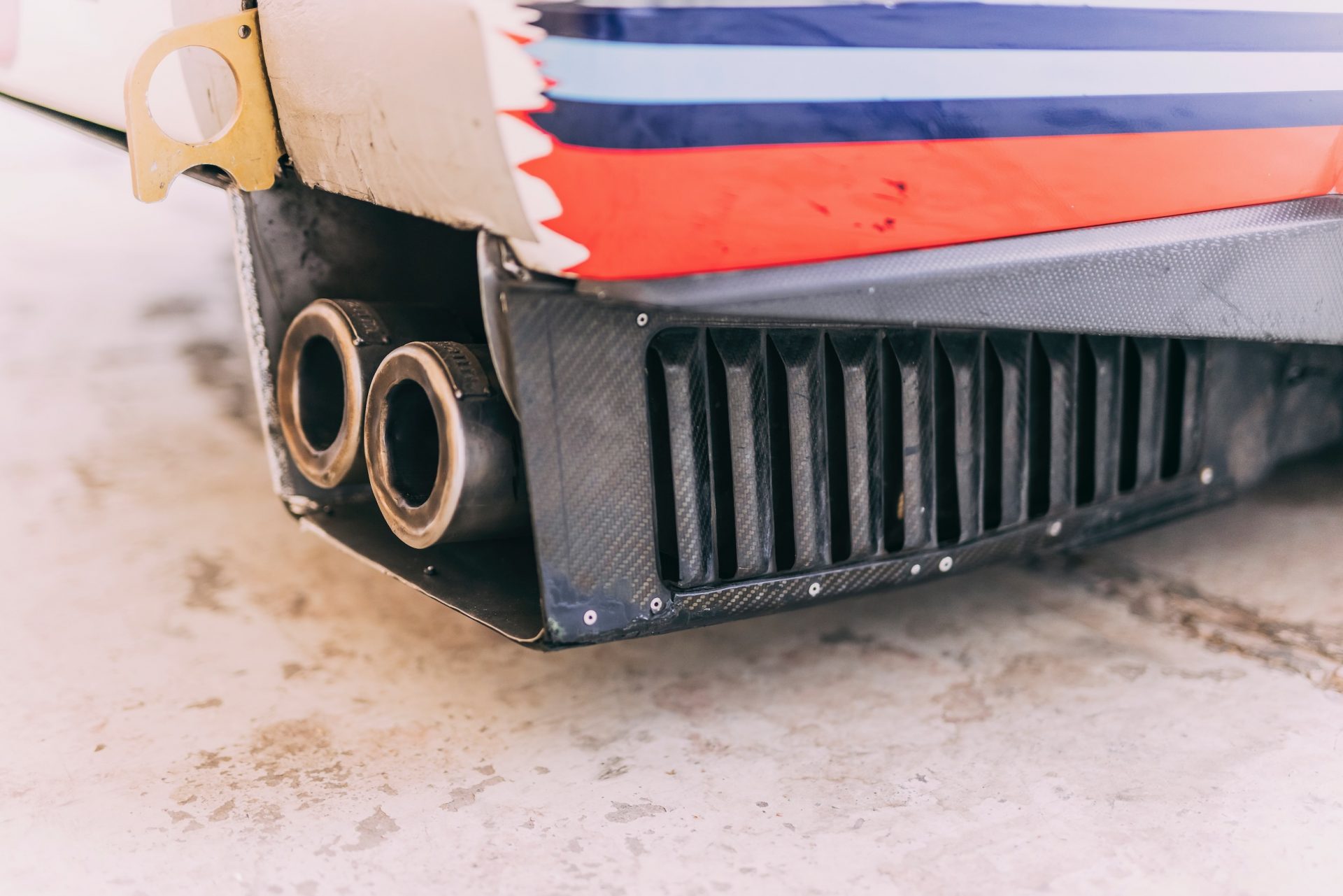
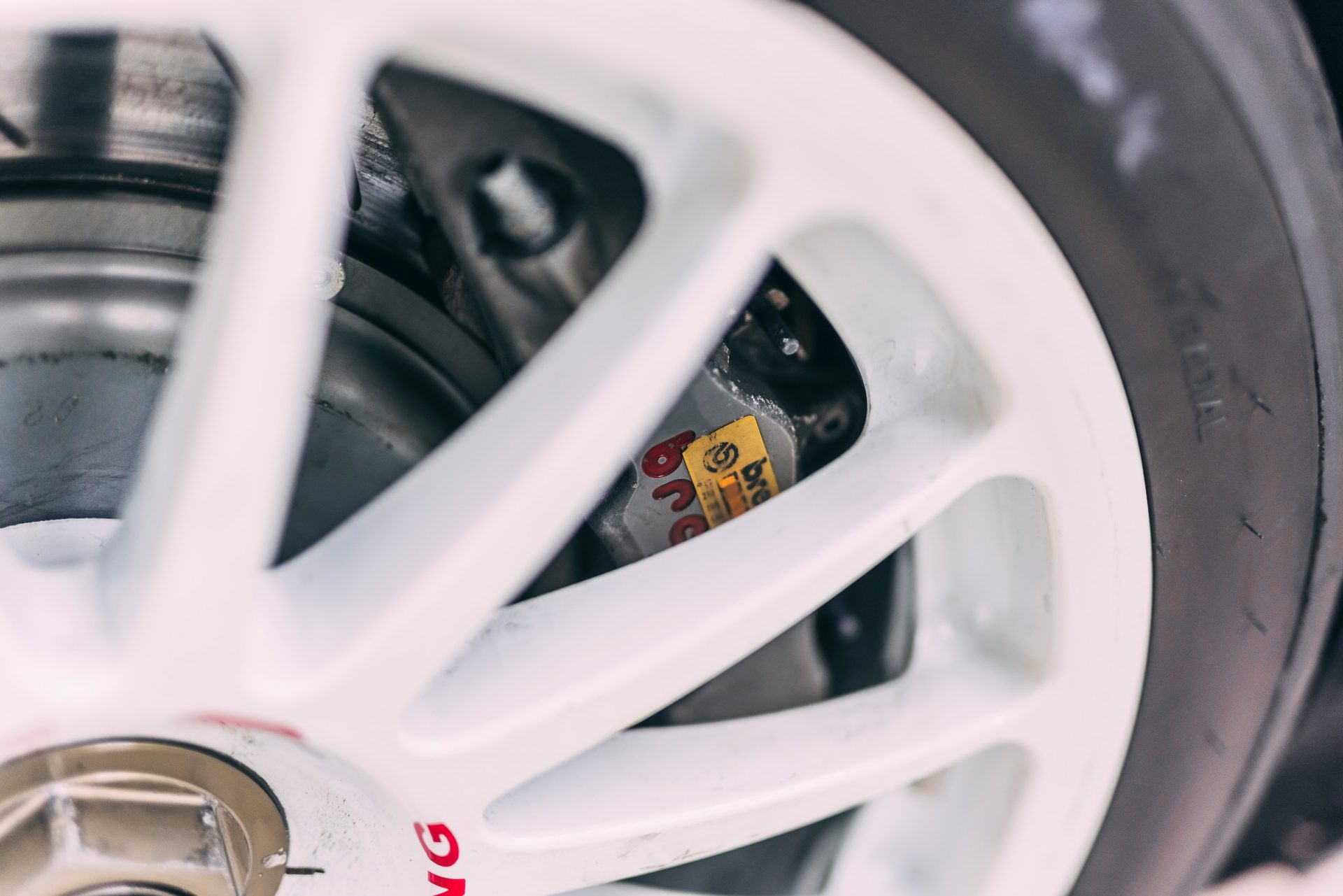
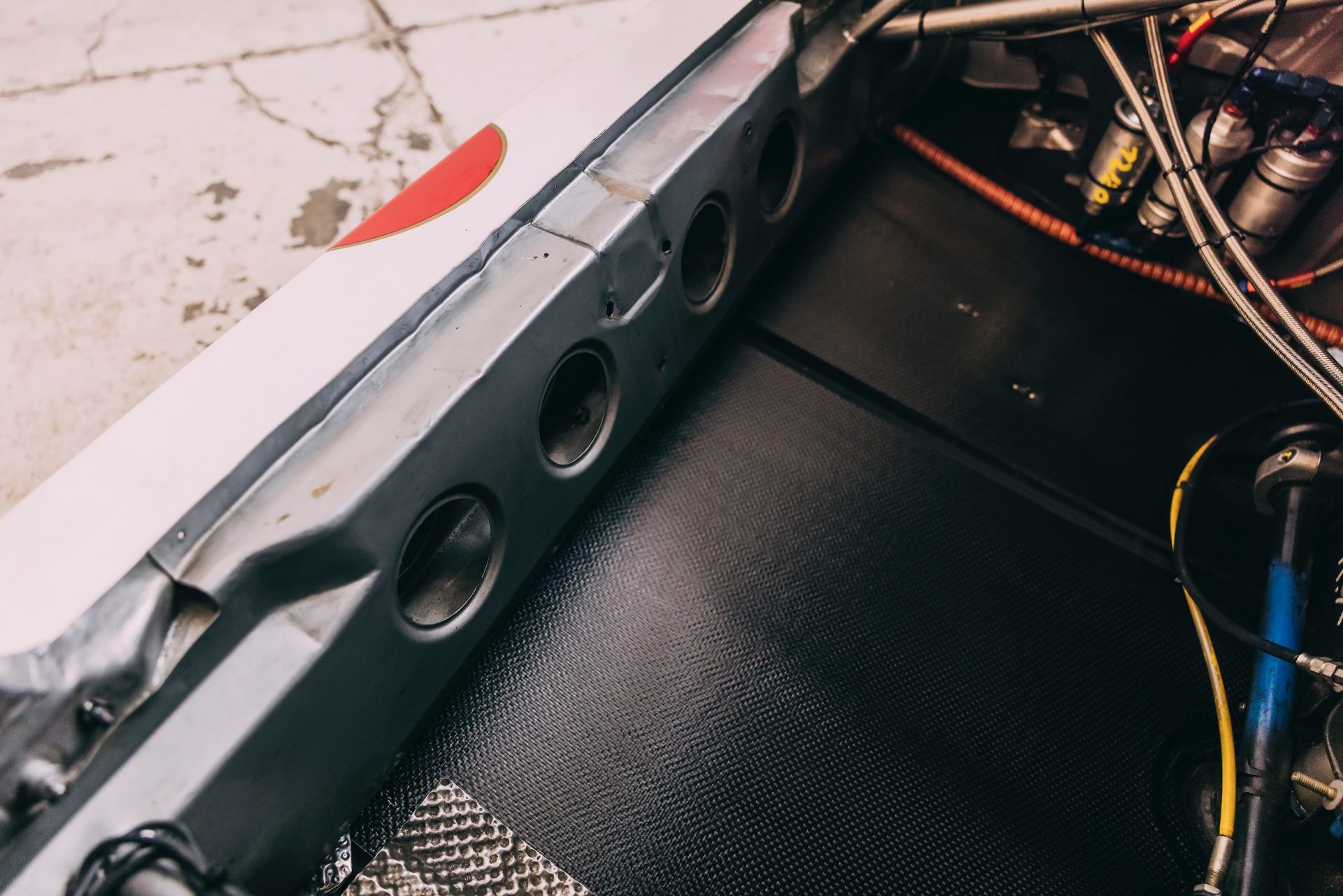
Ambition was then already there at Alfa Corse to do better in 1996. It also got better, but too late: the new 690RC engine used from August revved up to 11,900 rpm and produced 490 hp. The Alfa made it to pole position in half of the remaining ITC races, set nine fastest laps and won eight of the 14 races. Alfa Romeo also won the constructors‘ championship, but Nannini only managed third place in the drivers’ championship after starting in sixth place. Nicola Larini won the ITC races at Interlagos and Mugello in this car, SE065/005, which we show below.







–
More Alfa Romeo and racing cars can be found in the archive.