No SUV
Naturally, the Chinese manufacturer Leapmotor benefits from being able to align itself with Stellantis in Europe. This means that the brand, which is only 10 years old, does not have to start from scratch, particularly when it comes to sales and after-sales service; the Chinese company also appears to be receiving assistance from France with chassis tuning. Yet this partnership, which only began in spring 2021, has already taken a turn: Stellantis is currently learning far more from Leapmotor than the other way round; the next generation of Opels will be ‘converted’ Chinese models – and it probably wouldn’t be wrong for the entire giant conglomerate to adopt this approach (see also: Fiat). After all, Leapmotor is already writing a success story here: 600,000 cars sold last year, with the one-million mark set to be reached this year. In Switzerland, growth has been unstoppable since the brand’s market launch; sales are rising every month, with growth of almost 200 per cent in the first five months of this year.
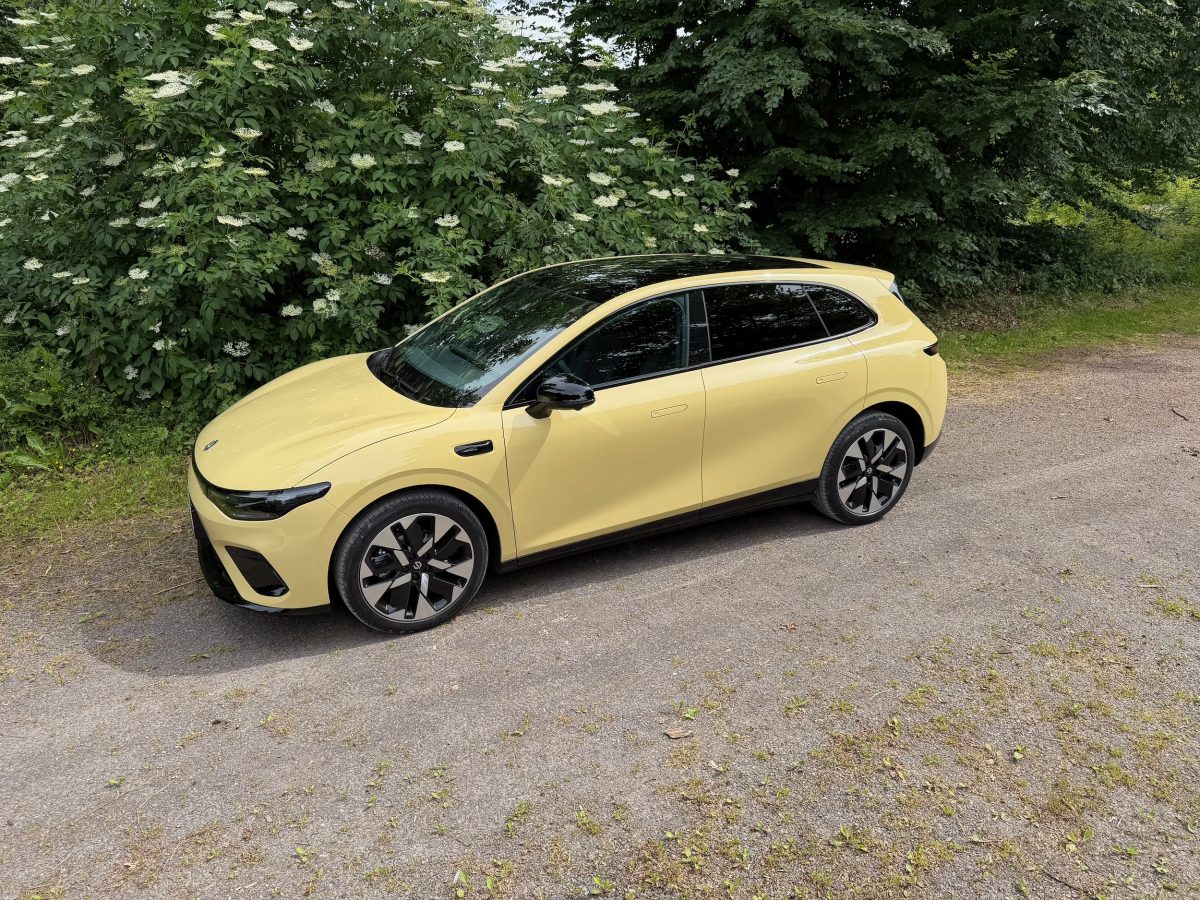
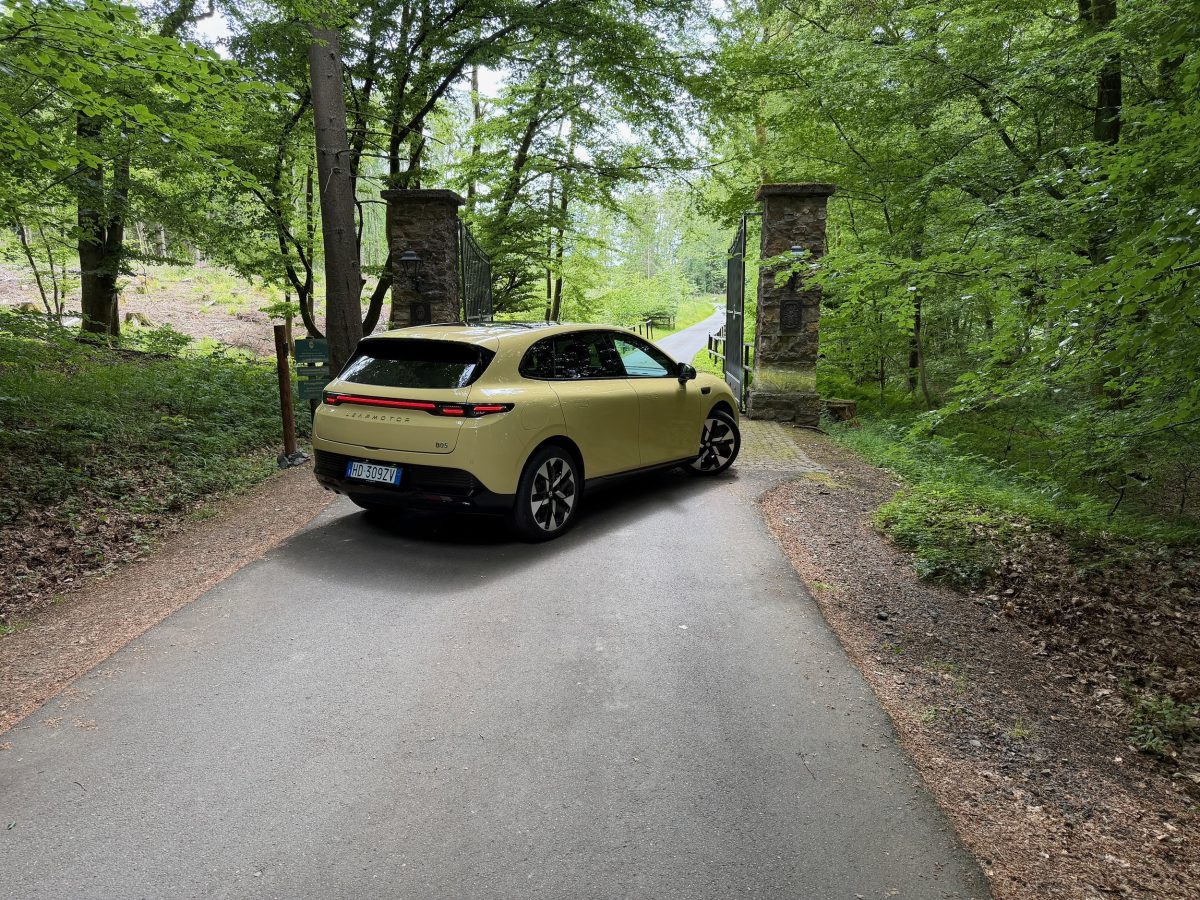
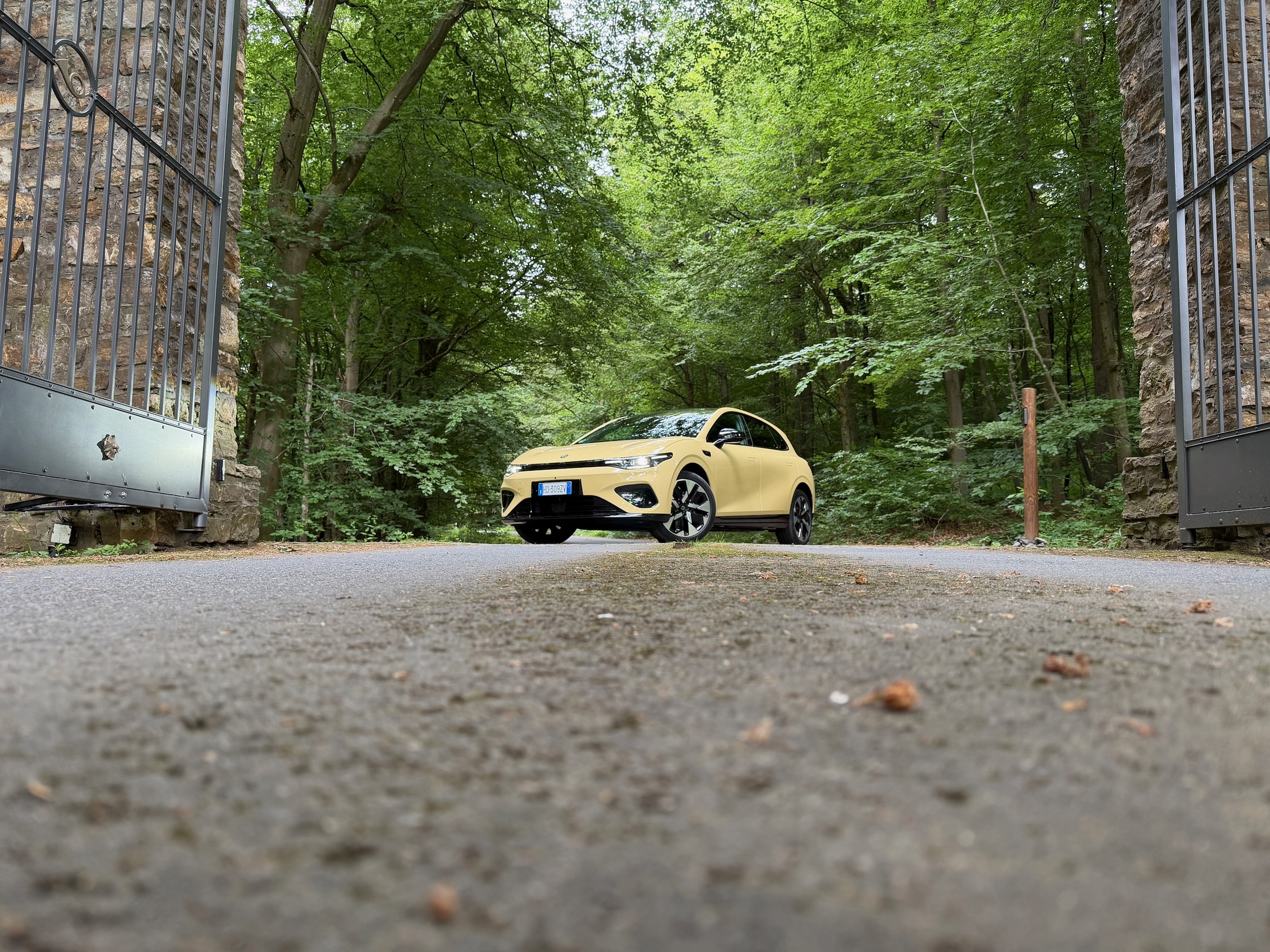
With the B05, Leapmotor is now venturing into the C-segment hatchback market – in other words, what used to be the most important segment, the ‘Golf class’, before the SUV boom (does anyone still remember that term?). It’s interesting that the Chinese, of all people, are now breathing new life into this segment – and that’s a good thing; hopefully customers will see sense – nobody needs these jacked-up, aerodynamically dreadful and far too heavy box vans. The B05 – the Chinese could still do with working on a proper naming convention – is a car 4.43 metres long, 1.88 metres wide and 1.50 metres high, which proves once again that Leapmotor has a knack for appealing design. This 1.7-tonne vehicle is unlikely to cause anyone any sleepless nights, but it’s smart and well-proportioned – no one needs to be ashamed of driving it. And the B05 is now actually available in a range of colours; whether this pale yellow launch colour is really a stroke of luck is another matter entirely. The wheelbase measures a respectable 2.74 metres, giving this Chinese car interior space that’s well above average for its class; the comparable VW ID.3 looks as dated as it actually is. With 400 litres of boot space – rising to 1,400 litres with the rear seats folded down – that’s also an impressive figure.
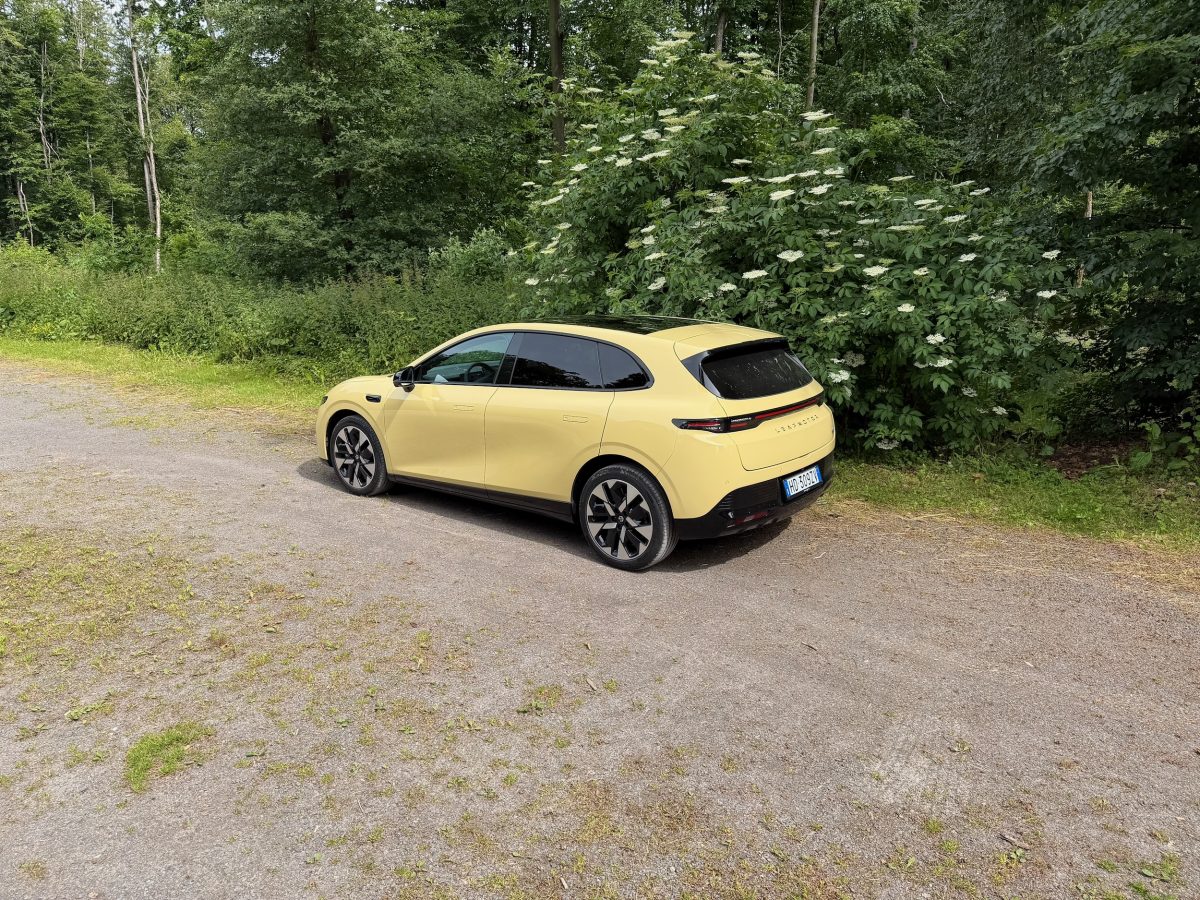
The B05 drives just as it looks: well. The suspension set-up of this rear-wheel-drive car is perhaps a little too soft, but pleasantly comfortable. It handles bends well too and doesn’t get flustered easily, without having any great sporting ambitions (even though it boasts a 50/50 weight distribution). The steering is better than on previous Leapmotor models, perhaps even a little too direct – or are we simply no longer used to it because of the many electric cars with more spongy steering? The seating is more than just decent; the quality of the materials feels significantly better than the price might suggest, and the same applies to the build quality. The interior design is as minimalist as is fashionable today.
However, there’s still plenty of room for improvement when it comes to the control system. Not only does it beep constantly and contain plenty of translation errors, but with certain buttons you find yourself wondering whether they’re actually assigned any function at all. On our first test drive, we tried to switch off the extremely annoying (and very poor) speed warning system, but couldn’t manage it for the life of us. You can also switch off the rather nasty lane-keeping assist, but if you cross a line even once, it switches back on automatically; to stop it doing that, you have to dig your way through the seventh sub-sub-menu on the fourth side track. It’s a shame – this urgently needs improving.
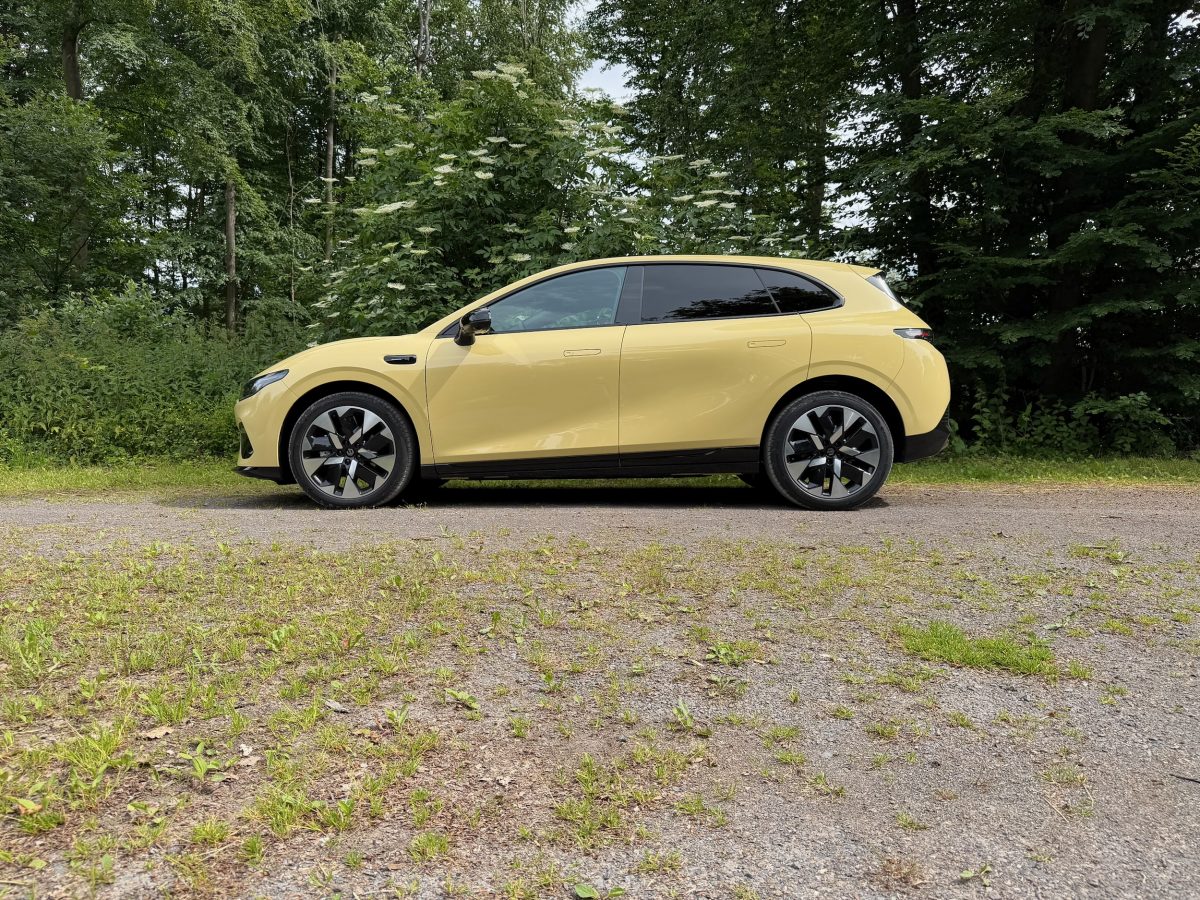
However, this shouldn’t be too much of a problem, as the B05 is based on Leapmotor’s modern 3.5 platform. Although it’s only a 400 V architecture (800 V is due to come later), it features an extremely powerful central computer – the Chinese are the only supplier in this price segment offering this technology (which would certainly do the much more expensive Stellantis products a world of good) . Leapmotor is well known for its highly efficient ‘over-the-air’ problem-solving capabilities – it’s more surprising that such issues can arise in the first place. Incidentally, the B05 is only coming to Switzerland with the larger battery (67 kWh) and the higher power output (218 PS); the maximum charging speed is stated as 174 kW (140 kW in other sources), with a WLTP range of 482 kilometres (in the practical range between 80 and 10 per cent SoC, that’s around 330 kilometres). And yes, that’s entirely plausible – on our rather brisk drive, we averaged 15.6 kWh/100 km, which is excellent. Leapmotor proudly announces that the B05 achieves an energy efficiency of 94 per cent.


Which brings us to the crucial point: 25,900 Swiss francs. And that includes a good range of features: 19-inch wheels, air conditioning, and a whole host of driver-assistance systems. A VW ID.3 Neo – which is likely to be its main competitor – is only available from 34,800 Swiss francs, with a smaller battery and fewer features. But it’s not just the price that makes the Leapmotor B05 so compelling; taken as a whole, it’s a really good, very sensible, smart car. Now it’s just a matter of customers realising that they don’t actually want an SUV at all.