

First bad luck, then misfortune
The Ford Pinto has a history that is as exciting as it is sad. Planning began in the summer of 1967, when Ford realised that the VW Beetle was also successful in the USA and that Japanese manufacturers such as Toyota and Datsun were entering the market with significantly smaller vehicles. The company needed to counter this with a ‘small car’ – and it had to happen quickly. The first prototypes were ready in December 1968, and in January 1969, the ‘go’ came from the top floor – and the then Ford boss Le Iacocca put on a lot of pressure, wanting the vehicle to be on the road as a 1971 model for less than $2,000. AMC was still quicker off the mark with the Gremlin, and Chevrolet presented its Nova one day before the Ford Pinto, which was unveiled to the public on 11 September 1970.


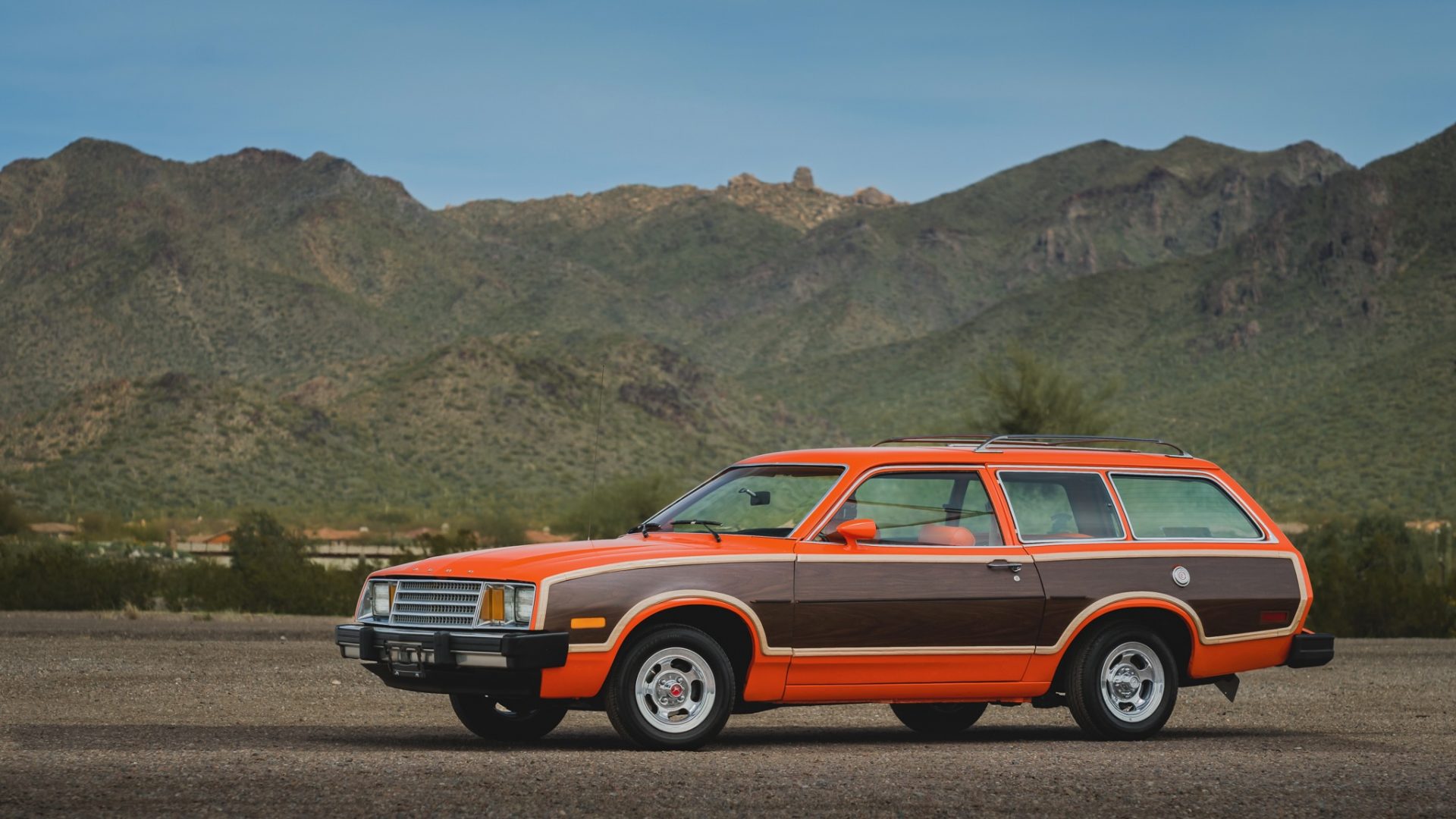
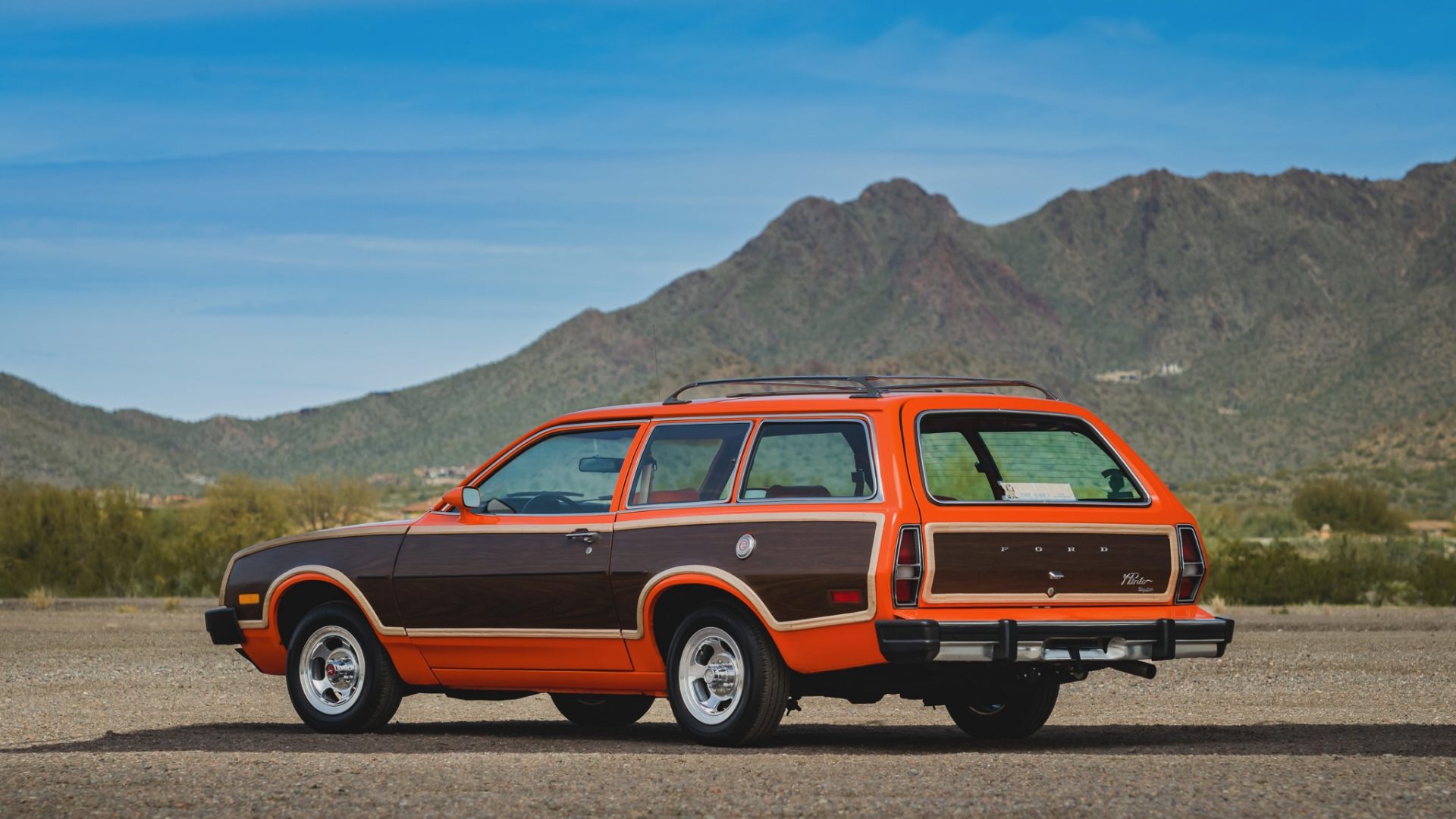
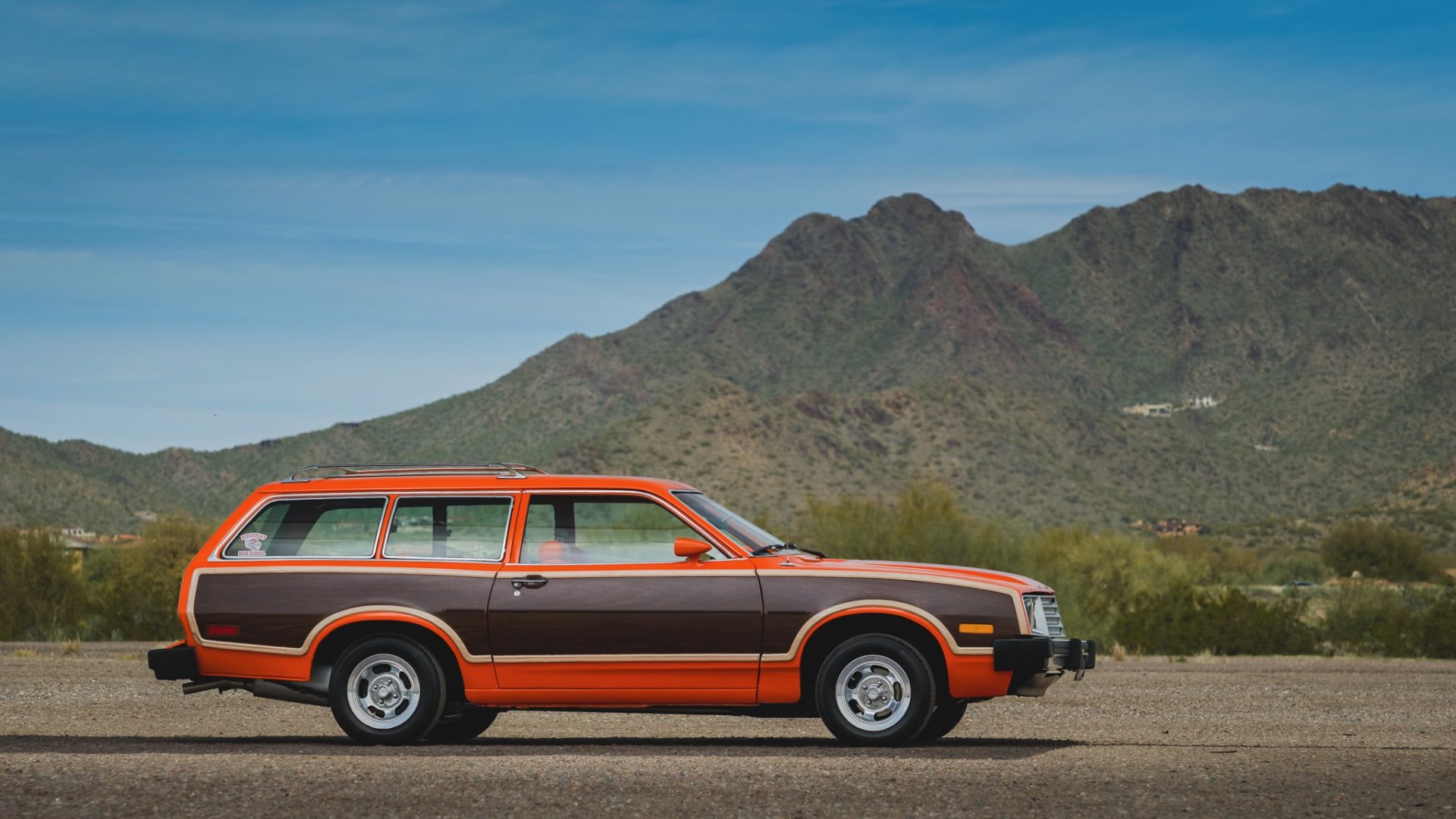
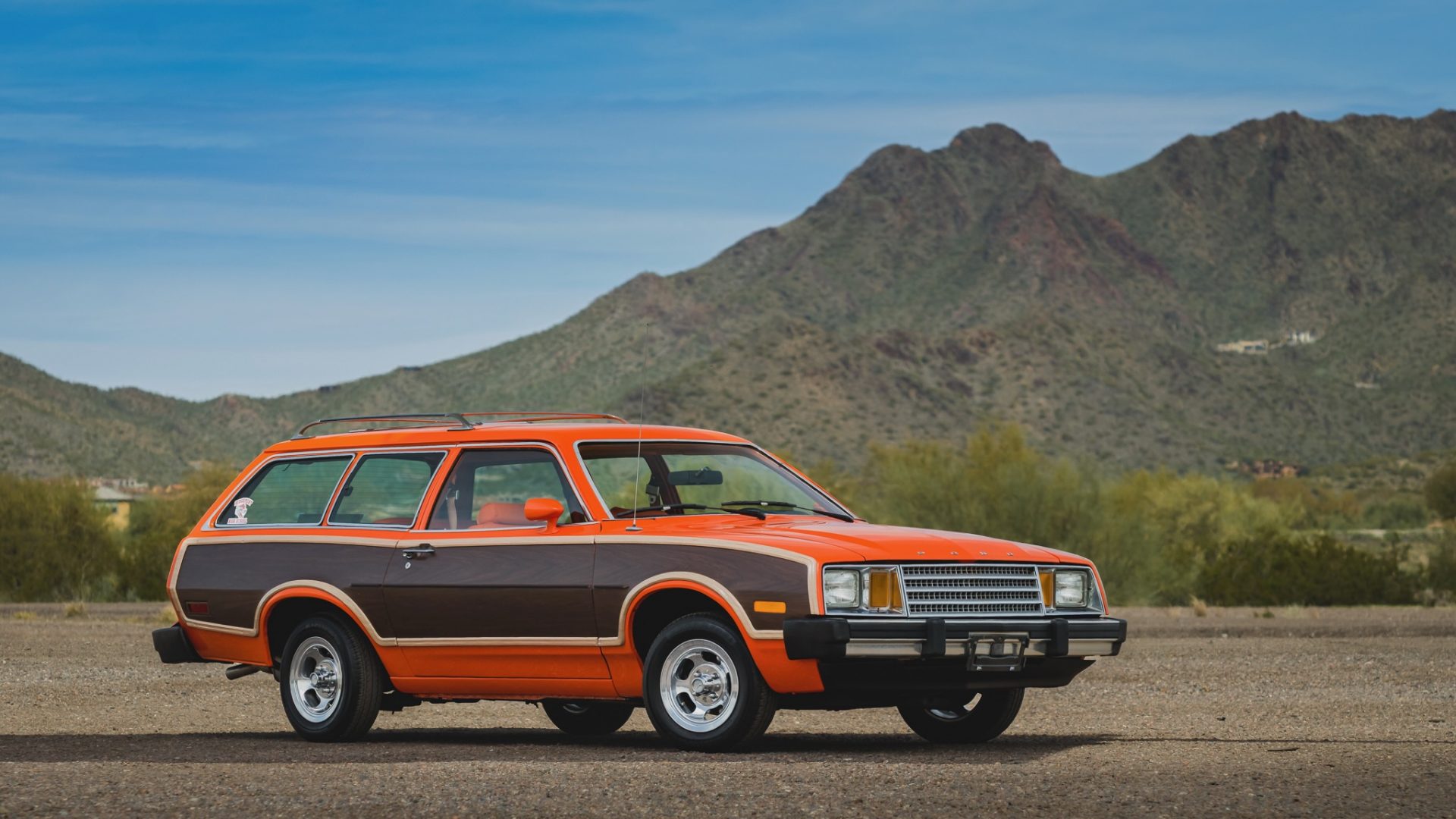
So it had to be done quickly – and it had to be cheap. Although the Americans designed a new platform for the subcompact, the chassis was rather simple, with wishbones, ball joints, coil springs and stabilisers at the front and a rigid axle guided by longitudinal leaf springs at the rear. The engines came from Europe: there was a 75 hp 1.6-litre from England and a 2-litre with 100 hp, which was delivered from Cologne. The cheaper versions had drum brakes all round. It was actually a good car for the money, with the cheapest model costing $1,850 (equivalent to around £14,000 today). And it offered significantly more space than a Beetle, even having a folding rear seat bench. It was first available as a fastback, then as a hatchback from 20 February 1971, and finally as an estate car from February 1972 – this was called the Squire and had faux wood trim on the sides and rear. An impressive 352,402 units were sold in the first model year, rising to 544,209 in 1974. Over the entire production period (until 1980), a total of 3,173,491 Pintos were sold.
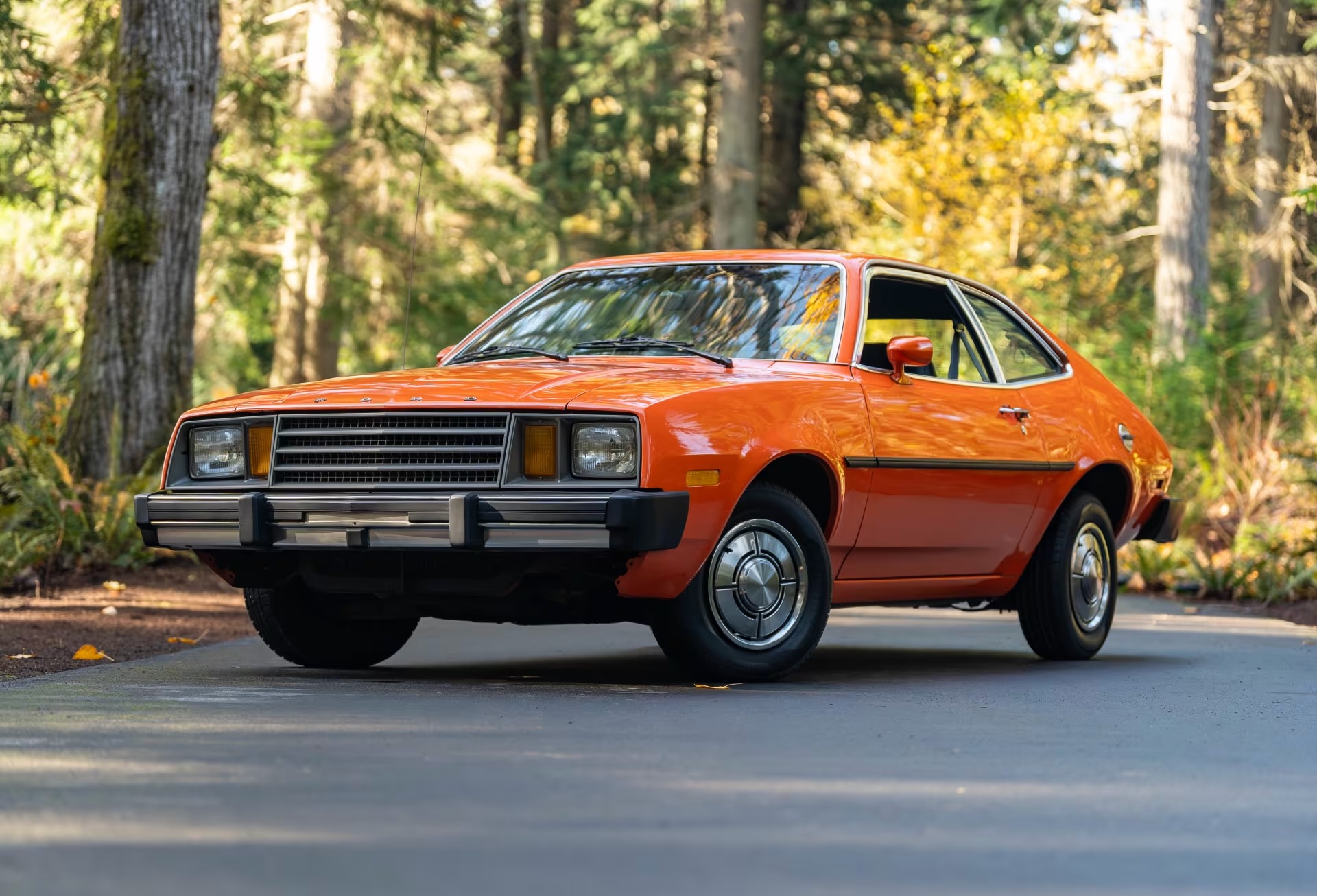
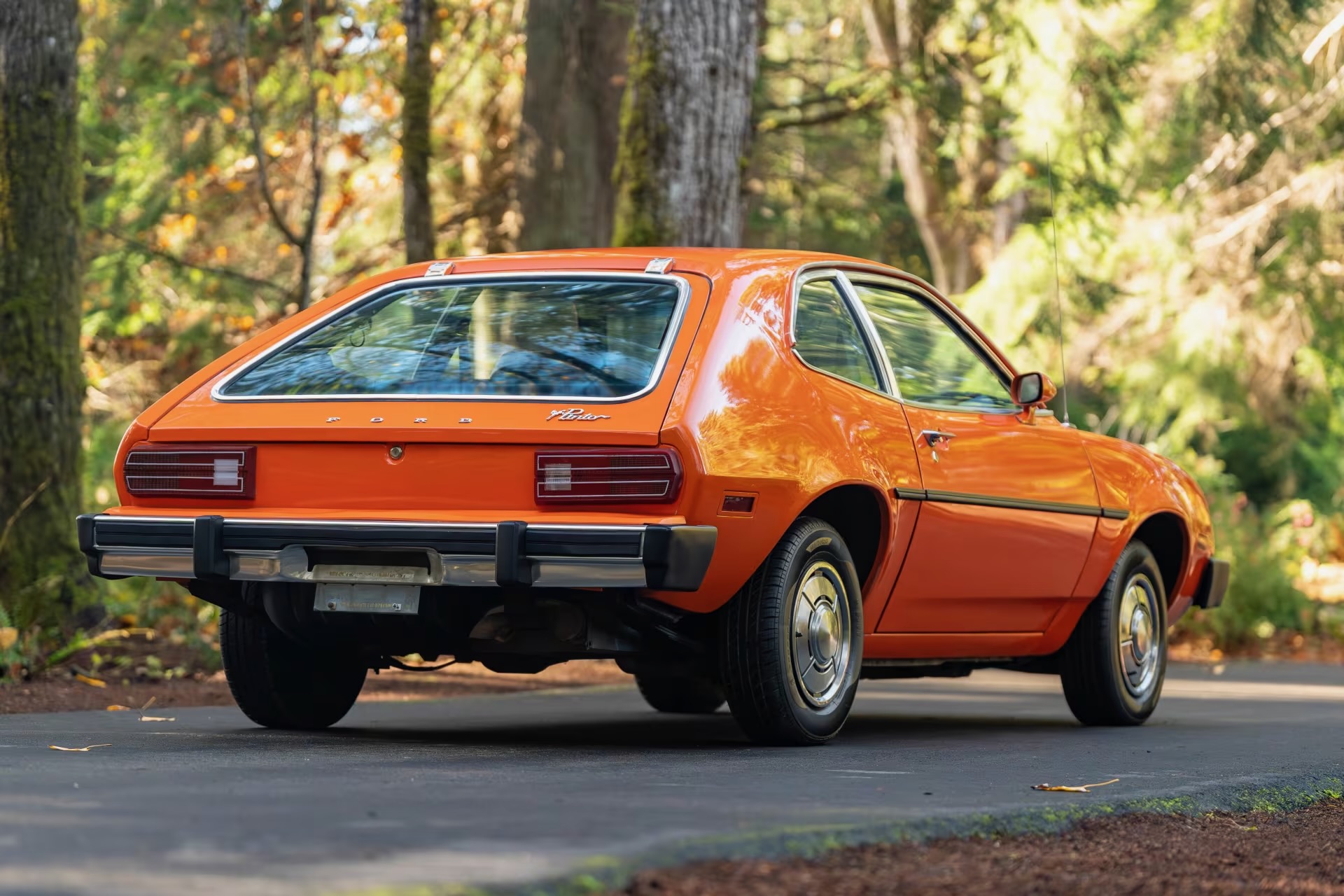
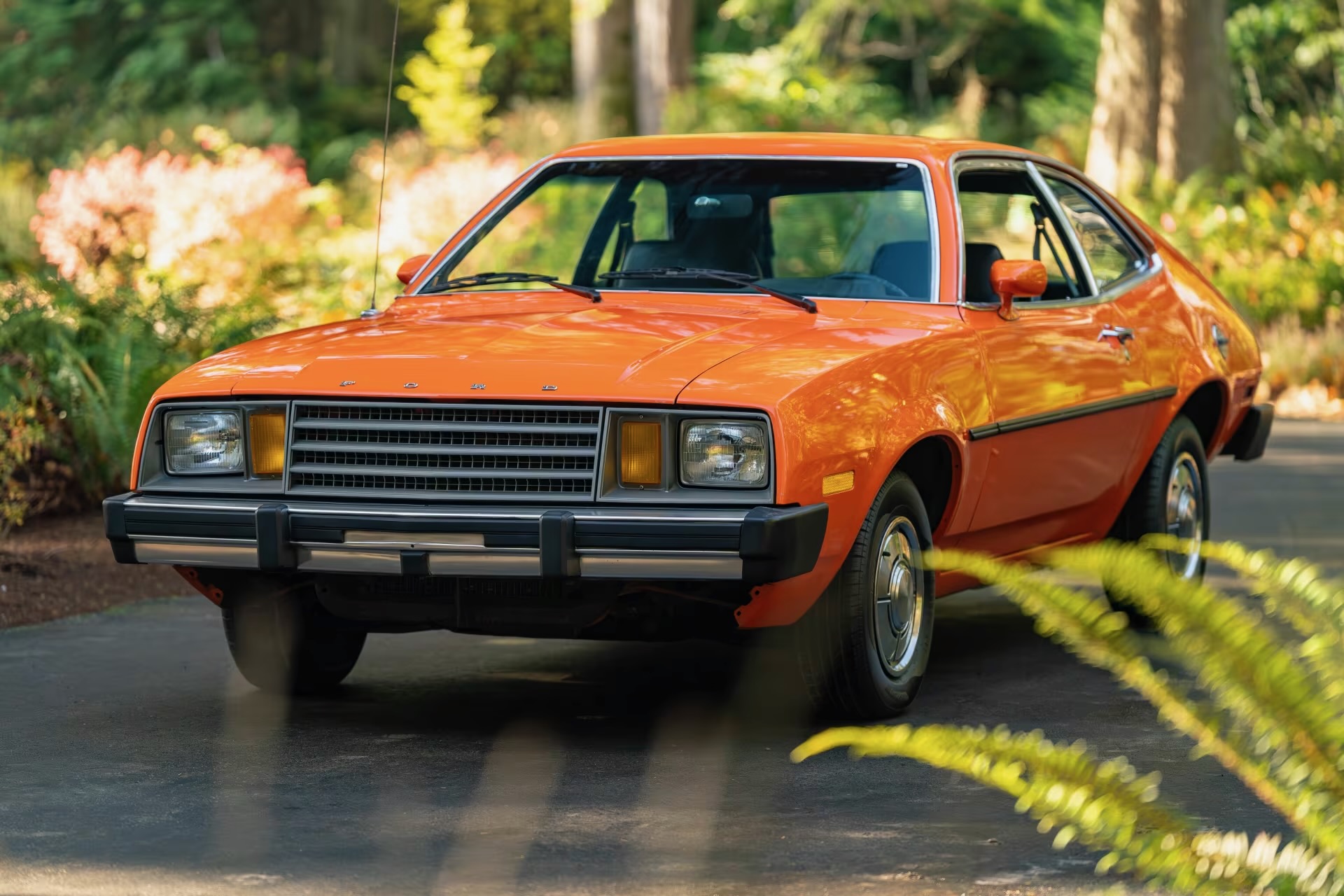
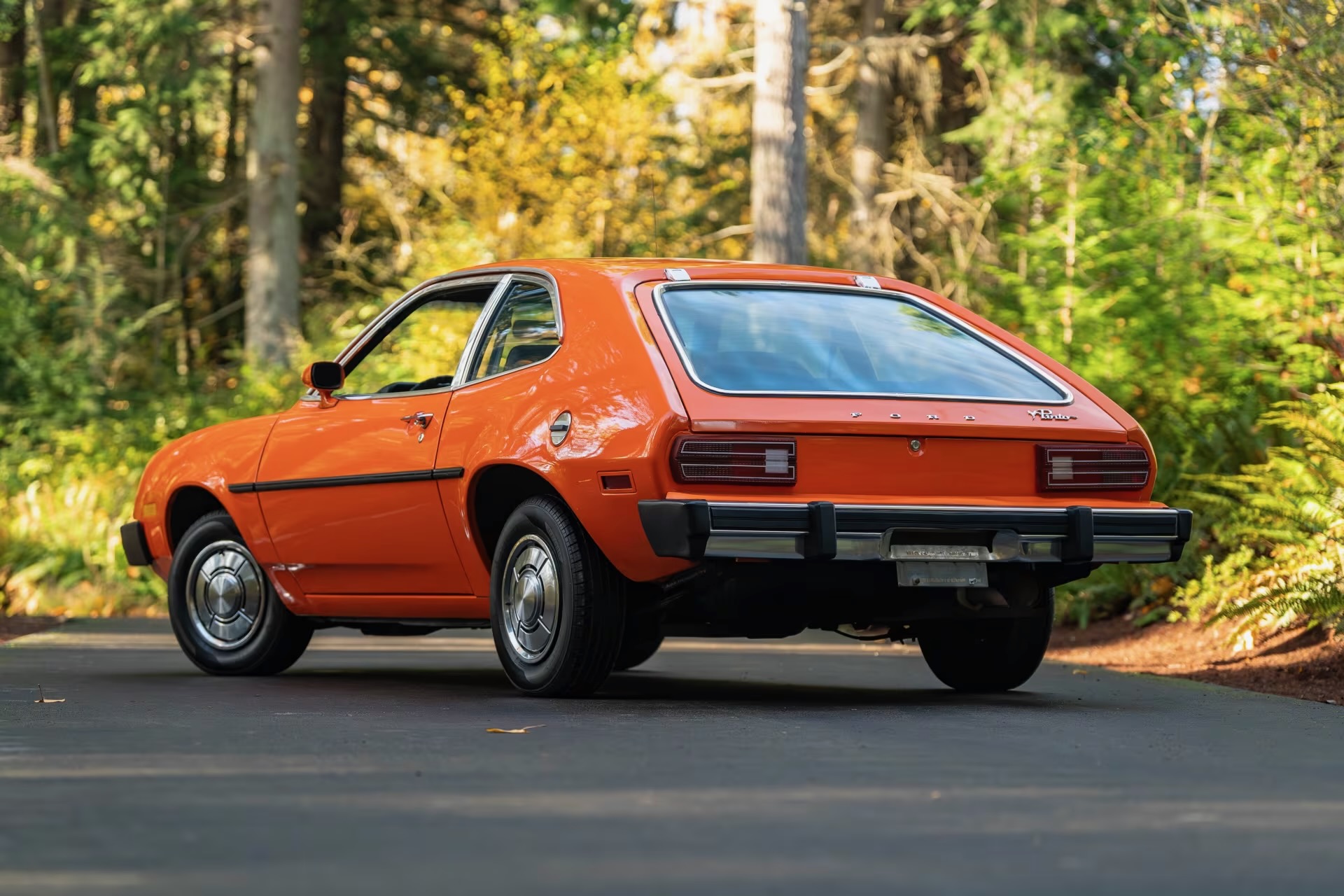
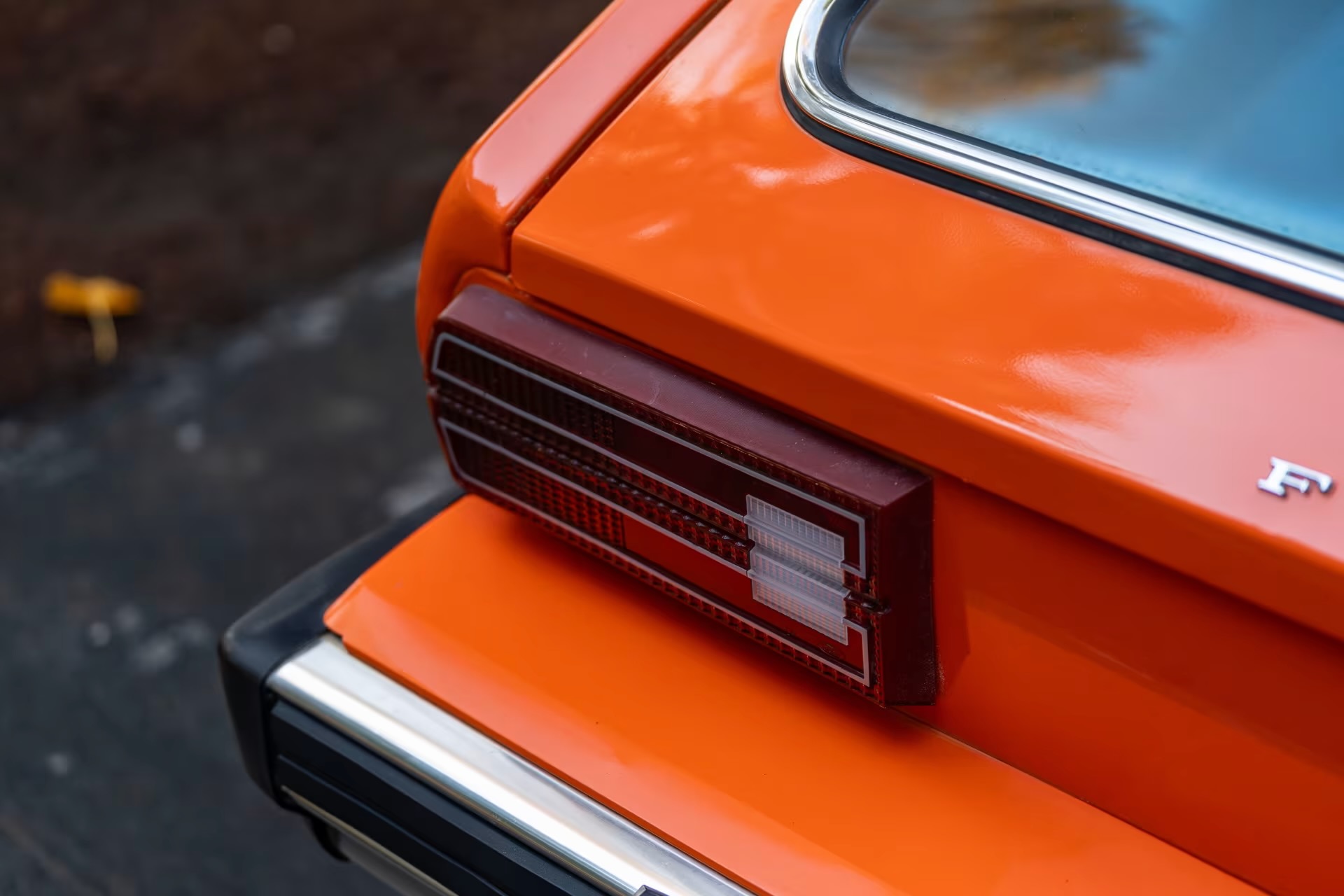
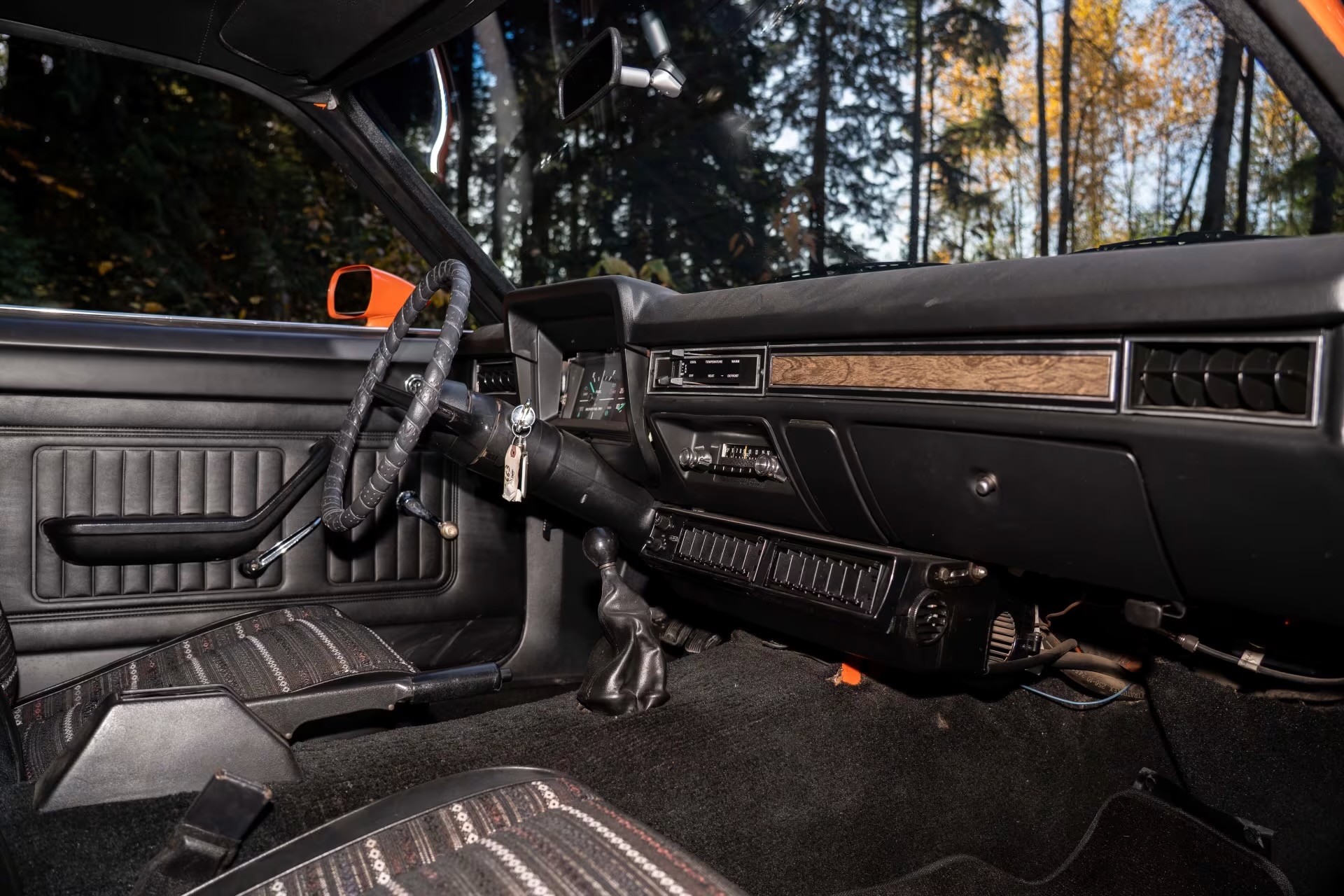
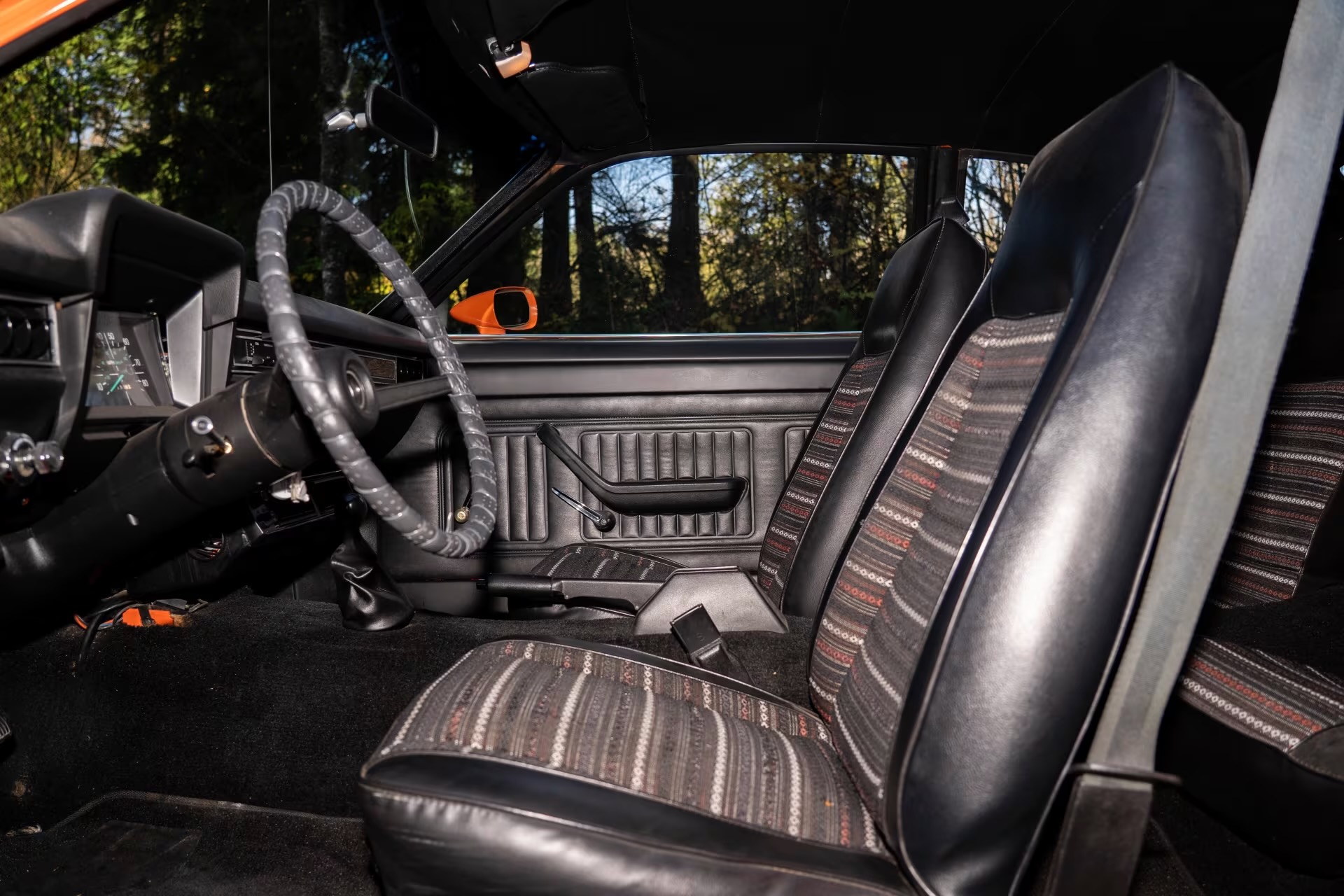
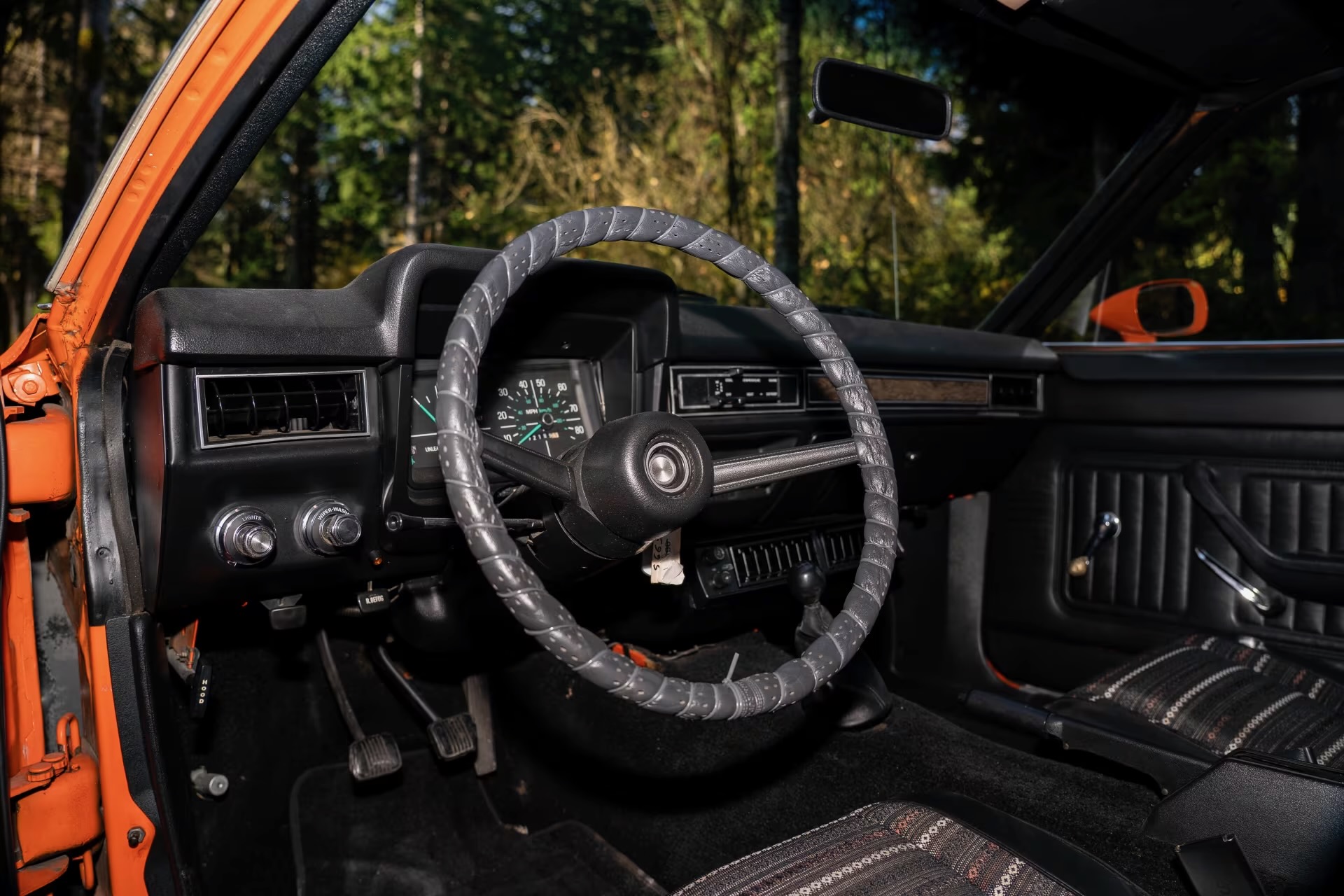
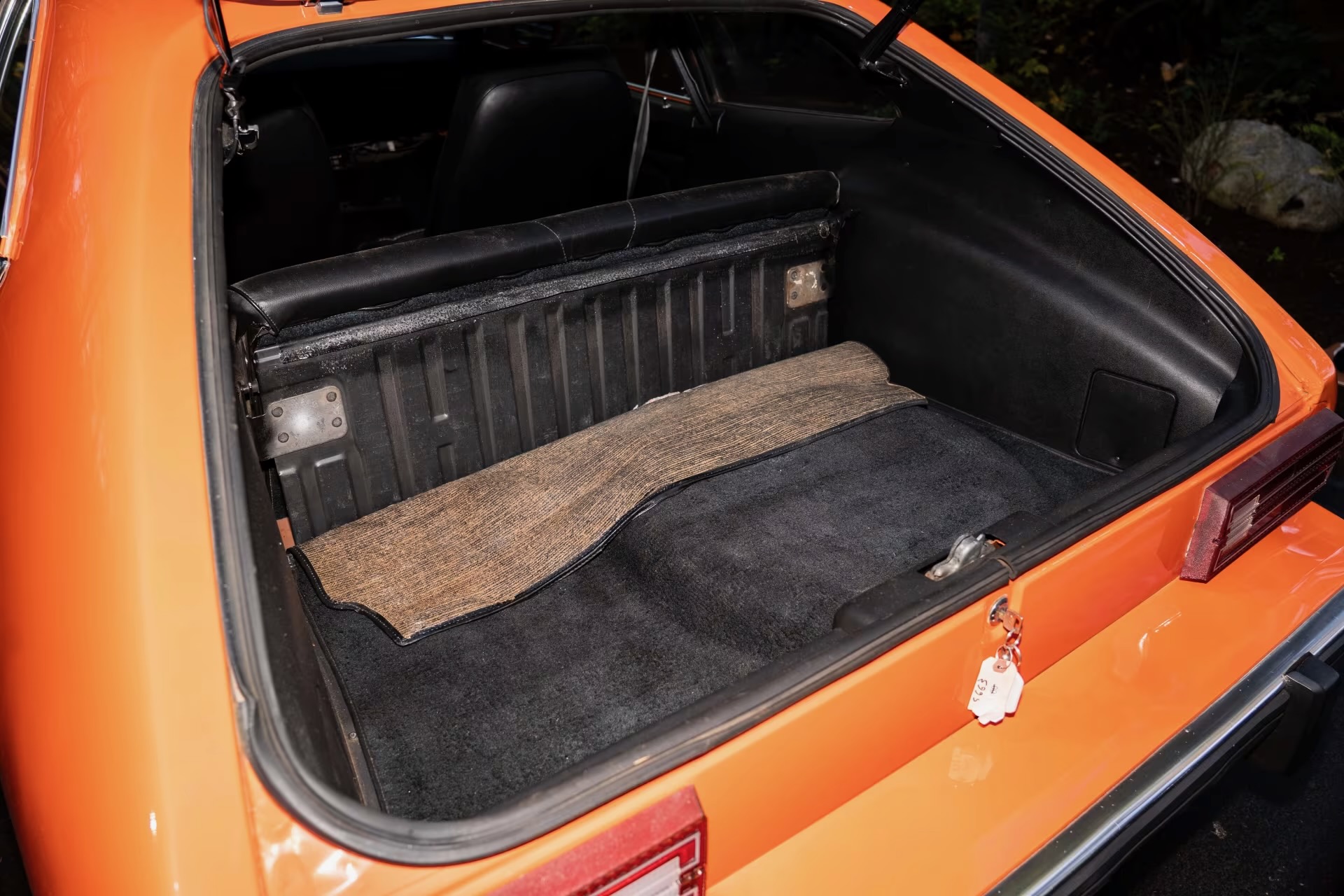
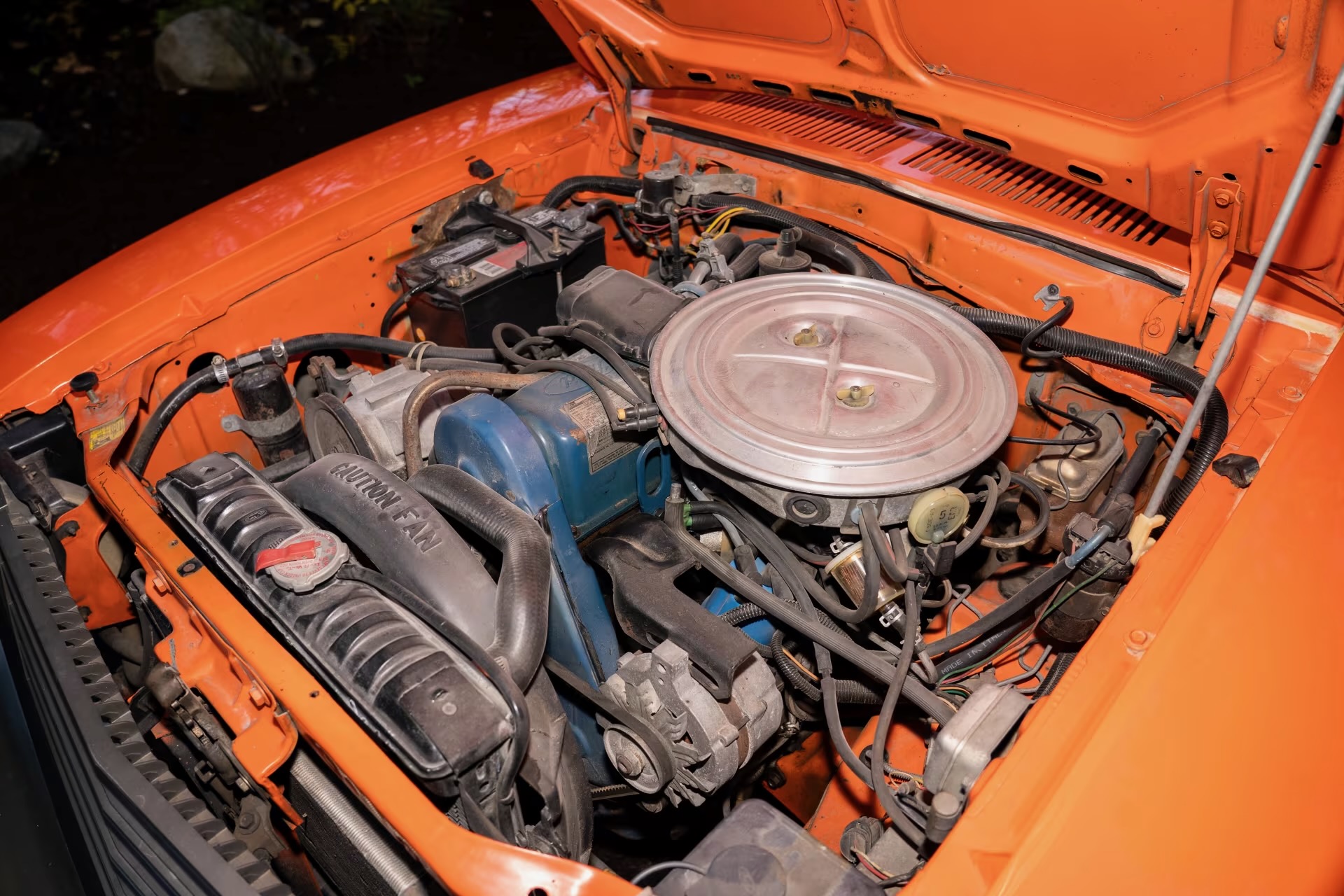
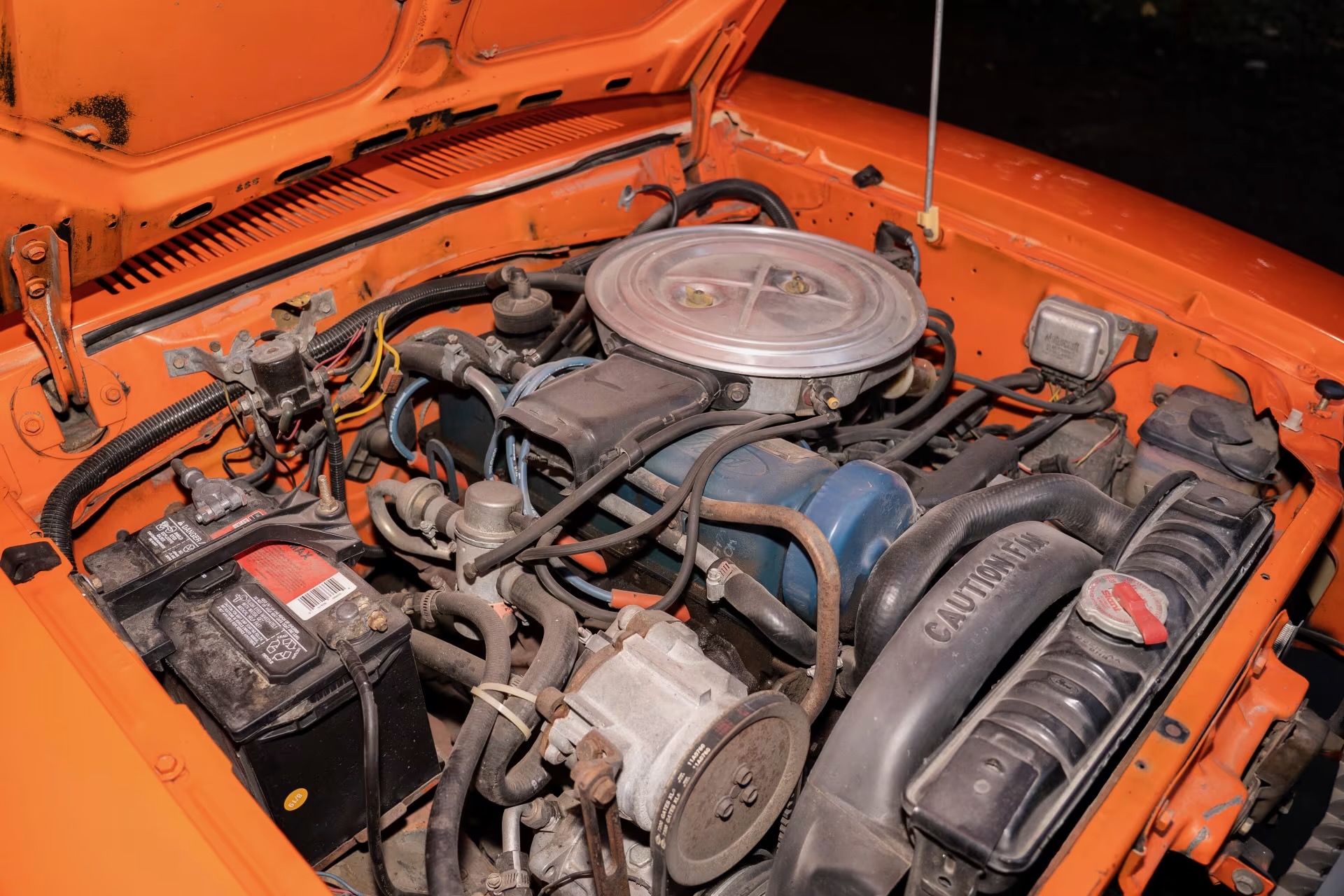
But that’s not why the Pinto is famous. In October 1970, less than two months after its launch, there was a first recall of 26,000 vehicles – the accelerator pedal could get stuck. In March 1971, 222,000 Pintos had to be taken to the garage because of a problem with the air filter that could lead to fires. And in 1978, there was what was then by far the largest recall in automotive history, with 1.5 million vehicles receiving a new fuel system. This recall was preceded by truly unfortunate problems for which the vehicle itself was not really to blame. In 1973, a document was made public, later known as the ‘Pinto Memo’, in which two Ford specialists calculated what it would cost to retrofit the tank, which was conventionally located between the rear axle and the rear bumper. They referred not only to the Pinto, but to the entire American car industry, but an article by Mark Dowie in Mother Jones magazine entitled ‘Pinto Madness’ concluded that Ford valued human lives less than the cost of greater safety. Although this was by no means stated in the internal investigation, the damage was done: the Pinto had a problem (and subsequently sold better than ever – see above).


Several court cases followed, and by 1978 at the latest, it was clear that the Ford Pinto was no less safe than any other vehicle in its class. But it became a symbol of how the big car manufacturers preferred to cut costs rather than build in more safety features; Ford was not the only company to change its design specifications as a result. The Pinto cases also went down in history because, for the first time, millions had to be paid in compensation – and because Ford successfully fought such claims at great expense.



We have rarer American cars under: Numbers.