
Powerhouse
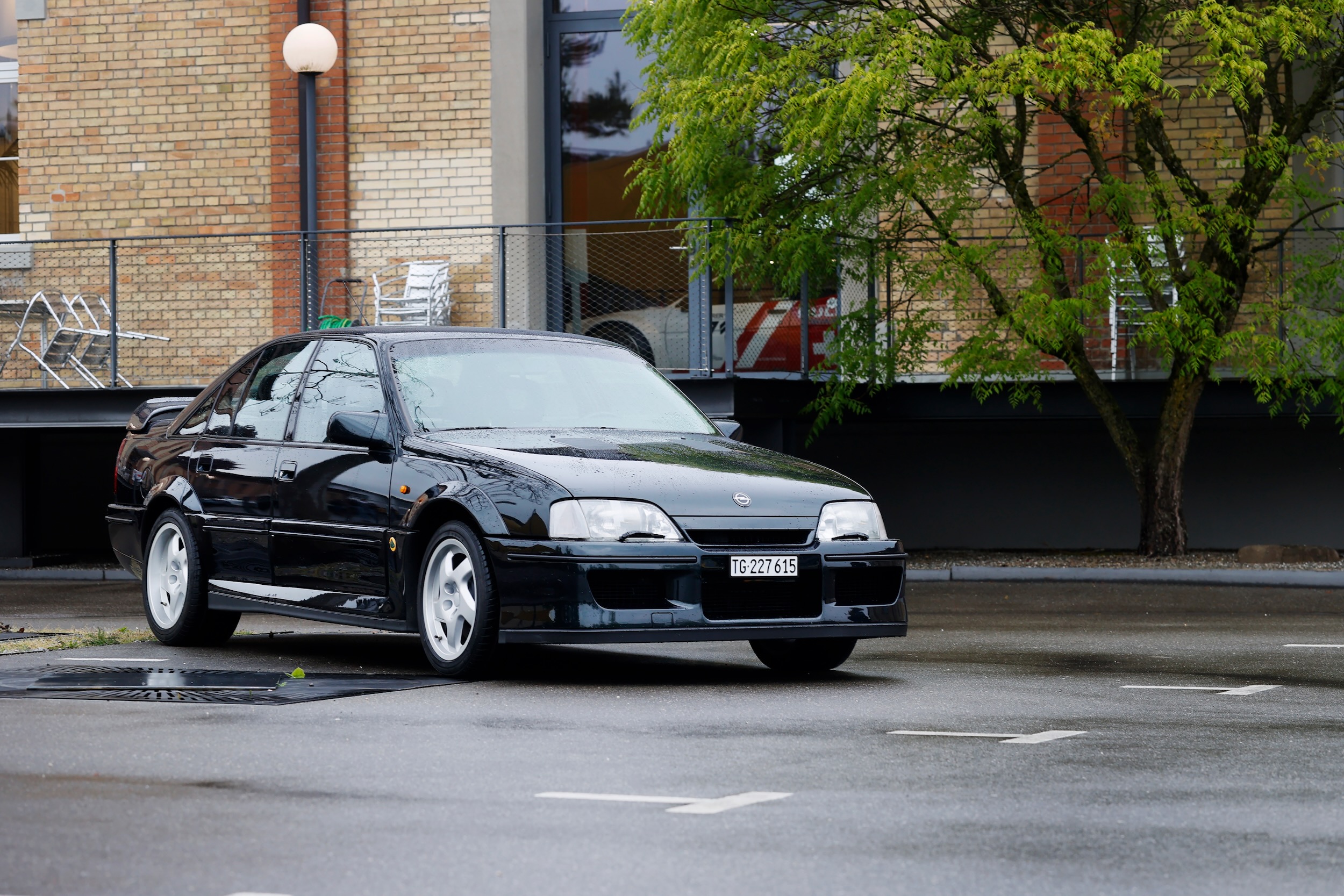
Actually, everything was fine. In 1986, Lotus was taken over by General Motors, and calm returned to Hethel. Well, perhaps a little too much calm, which is the only way to explain the Elan (type M100), the first and only front-wheel drive Lotus (which then, even worse, ended up as the Kia Elan). There was also the Excel at the time, but hardly anyone was interested in that, and a little tinkering was still being done on the eternal Esprit. So there was still capacity, and GM wanted a certain return on investment. The Opel Omega was also launched in 1986. It was available with a 3-litre inline six-cylinder engine and initially 177 hp, a very decent saloon, albeit almost terribly conservative. We don’t know who came up with the idea of turning this family car into a powerful projectile, whether it was Opel/Vauxhall or Lotus. When the Opel Lotus Omega was unveiled in 1989, it certainly came as a big surprise: Lotus had implanted a heart twice as powerful into this staid vehicle.
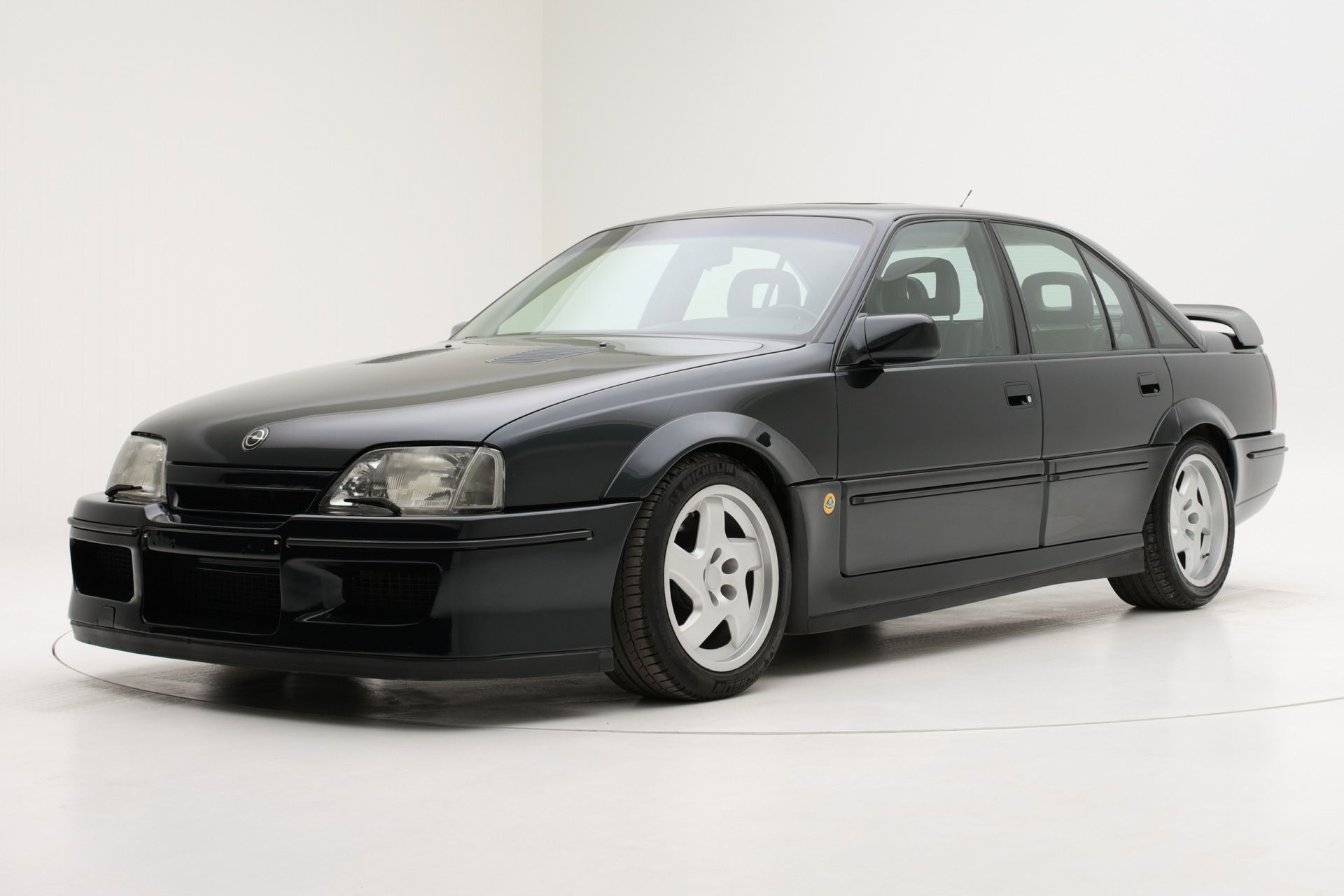
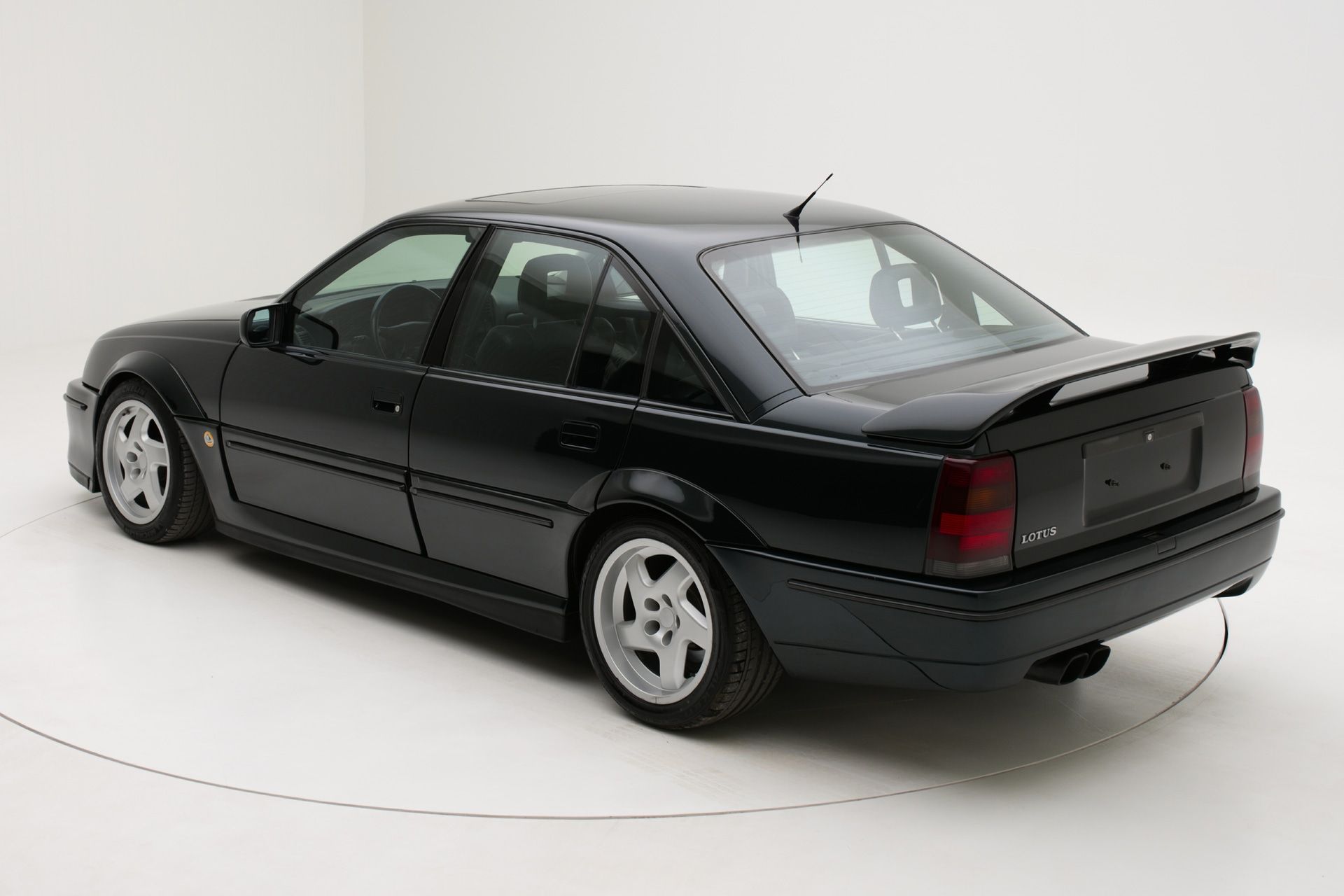
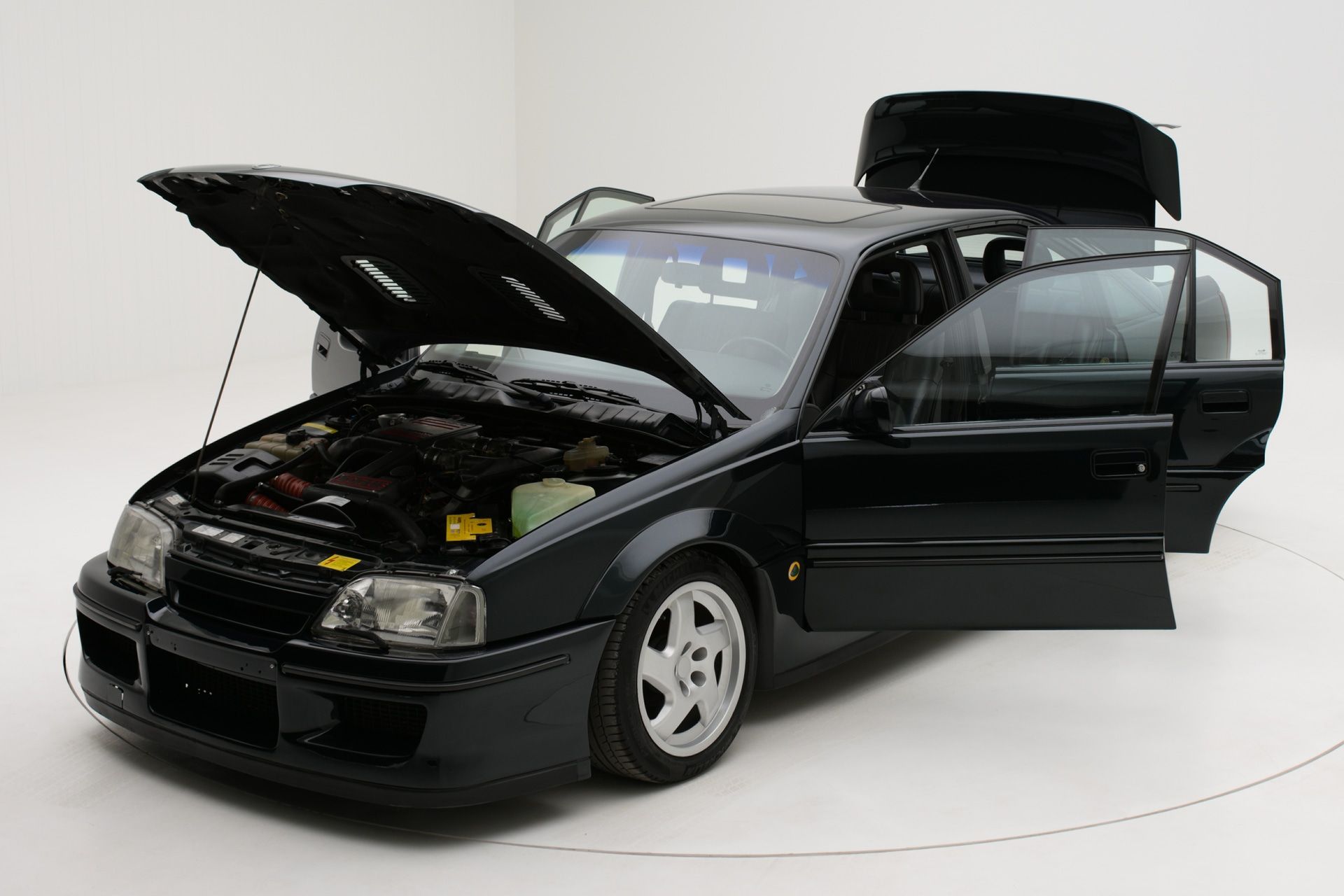
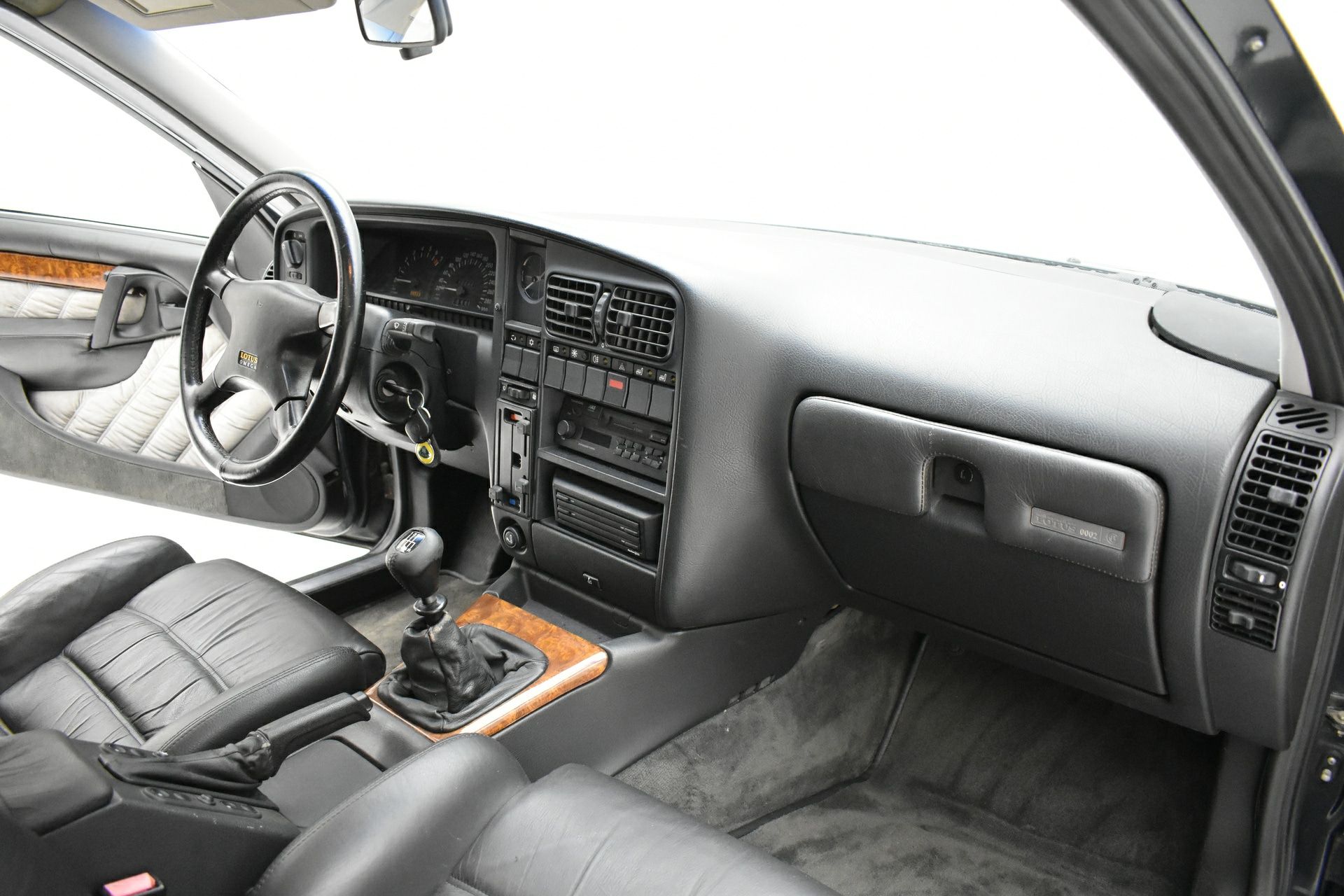

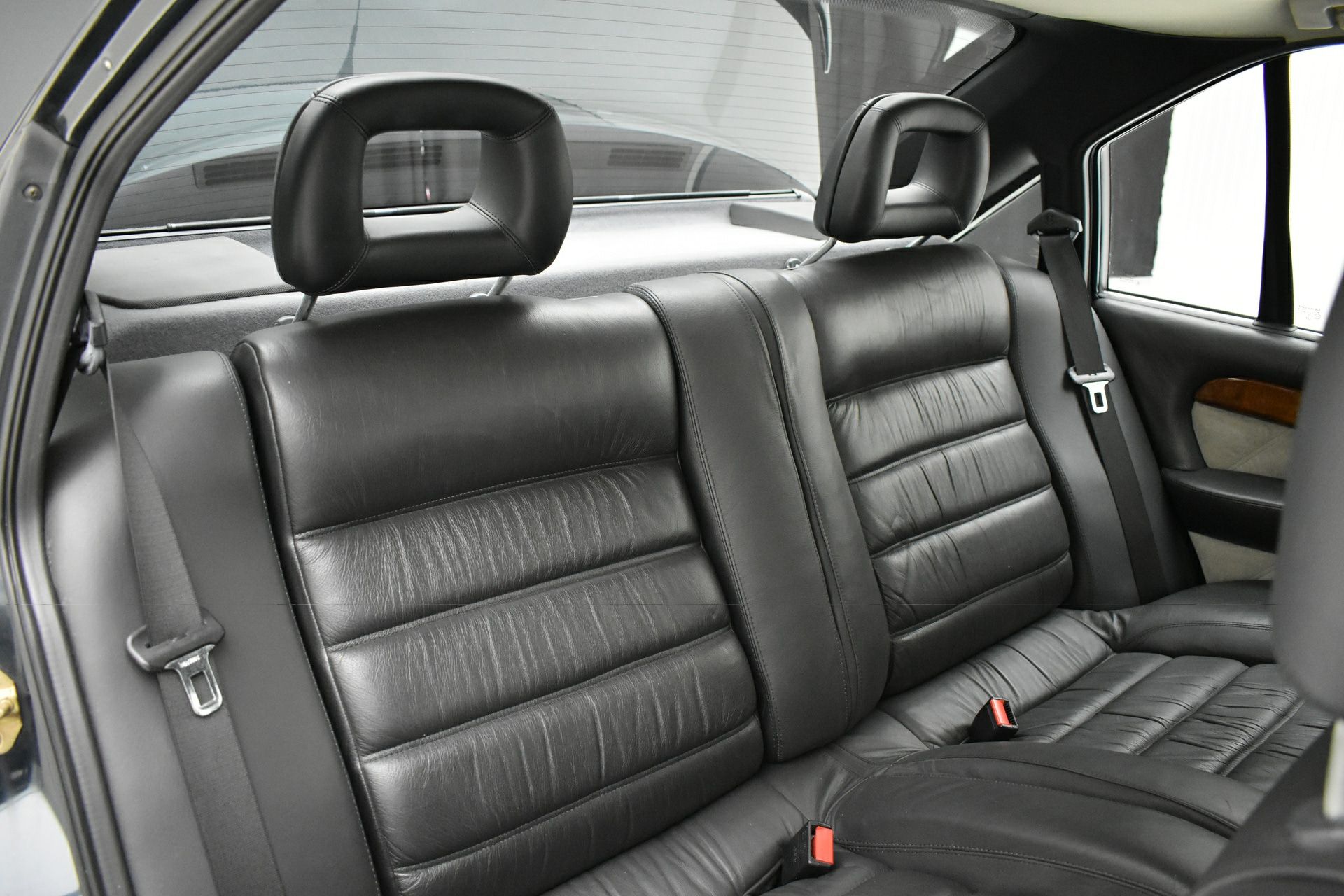
The effort involved was considerable. Opel’s 3-litre four-valve engine was enlarged to 3.6 litres in England. Added to this were two Garrett T25 turbochargers, an intercooler from Behr and new pistons from Mahle. Power was sent to the rear wheels via the same 6-speed gearbox from ZF that was also used in the Corvette ZR-1 and a limited-slip differential from the Holden Commodore. And there was plenty of power: 382 hp and 568 Nm of maximum torque. The factory claimed a sprint time of 5.4 seconds from 0 to 100 km/h and a top speed of 283 km/h. This meant that the Lotus Omega was not the fastest saloon car in the world, as is often written (that honour belonged to the Alpina B10 Biturbo, 291 km/h), but its performance was on a par with contemporary Ferraris and Porsches.


Even during its production period – between 1990 and 1992, 950 units were built (other sources say 988) – the Lotus Omega attracted attention not so much for its impressive performance as for its manifold technical problems. The electrical and electronic systems never worked properly, the gearbox proved to be a weak point, and the engines blew up one after the other. At the time, it was still possible to repair these problems, albeit at considerable financial expense and with endless waiting times; today, the situation with spare parts is simply dramatic, as there are almost none left. There are also only a few clean examples left – and they are really expensive.


More exciting cars can be found in our archive.