

An attempt at an explanation
Anyone who simply pops round the corner to ‘the Chinese place’ for a quick bite to eat probably hasn’t a clue. Yes, we’re all familiar with Peking duck – and that’s where the problem lies. What we know of it here in Europe, and what is served as Peking duck in China in about 98 per cent of cases, is a nightmare, at best a pale imitation of a recipe from the Ming Dynasty (1368 to 1644), which is also considered somewhat typical of so-called Shandong cuisine. As early as 1416, there was a restaurant (still in existence today), Bianyfang, which specialised in ‘shao yazi’. This is because the preparation is not only complex but also extremely labour-intensive (we’ll explain these details later…).
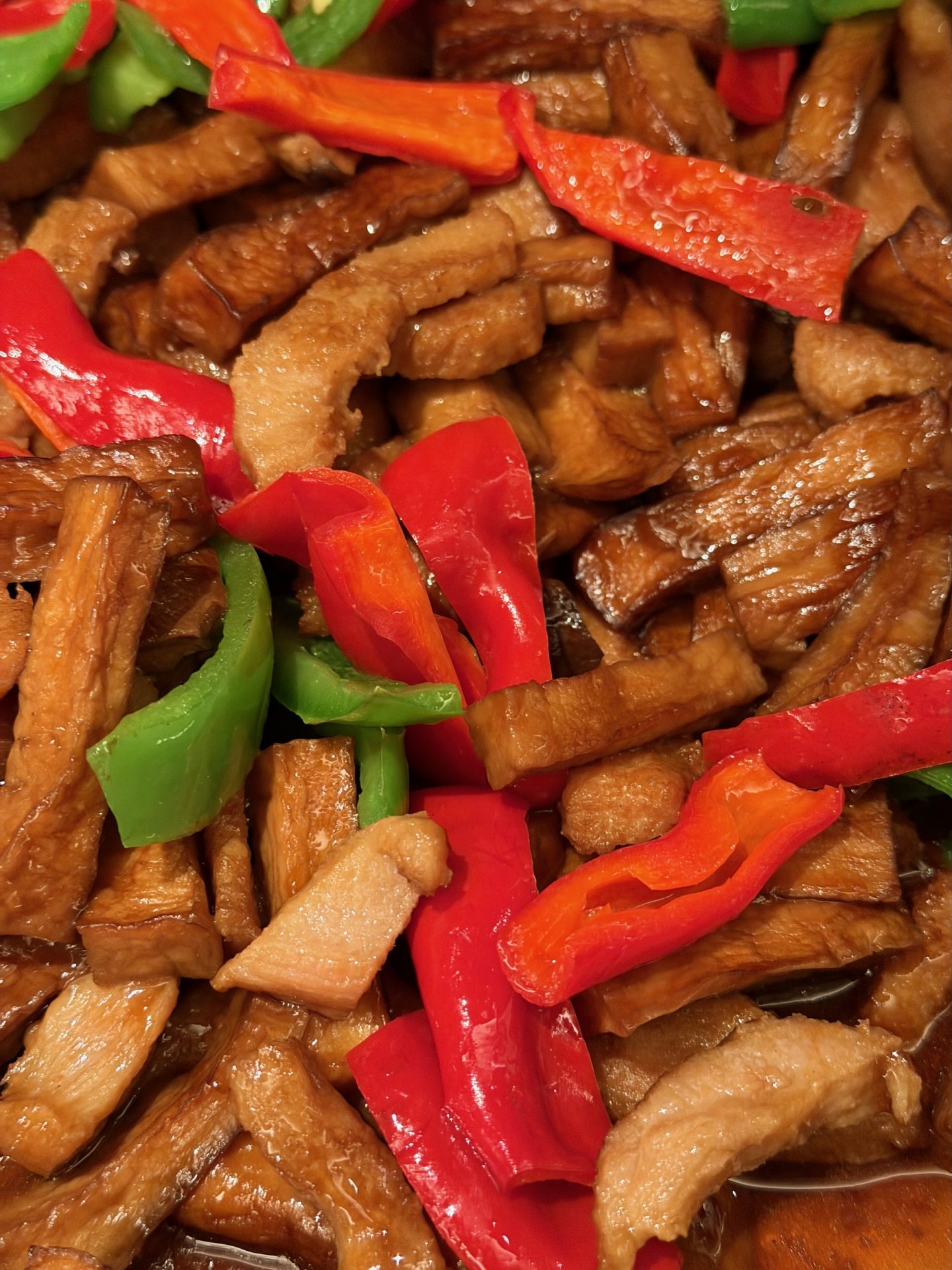
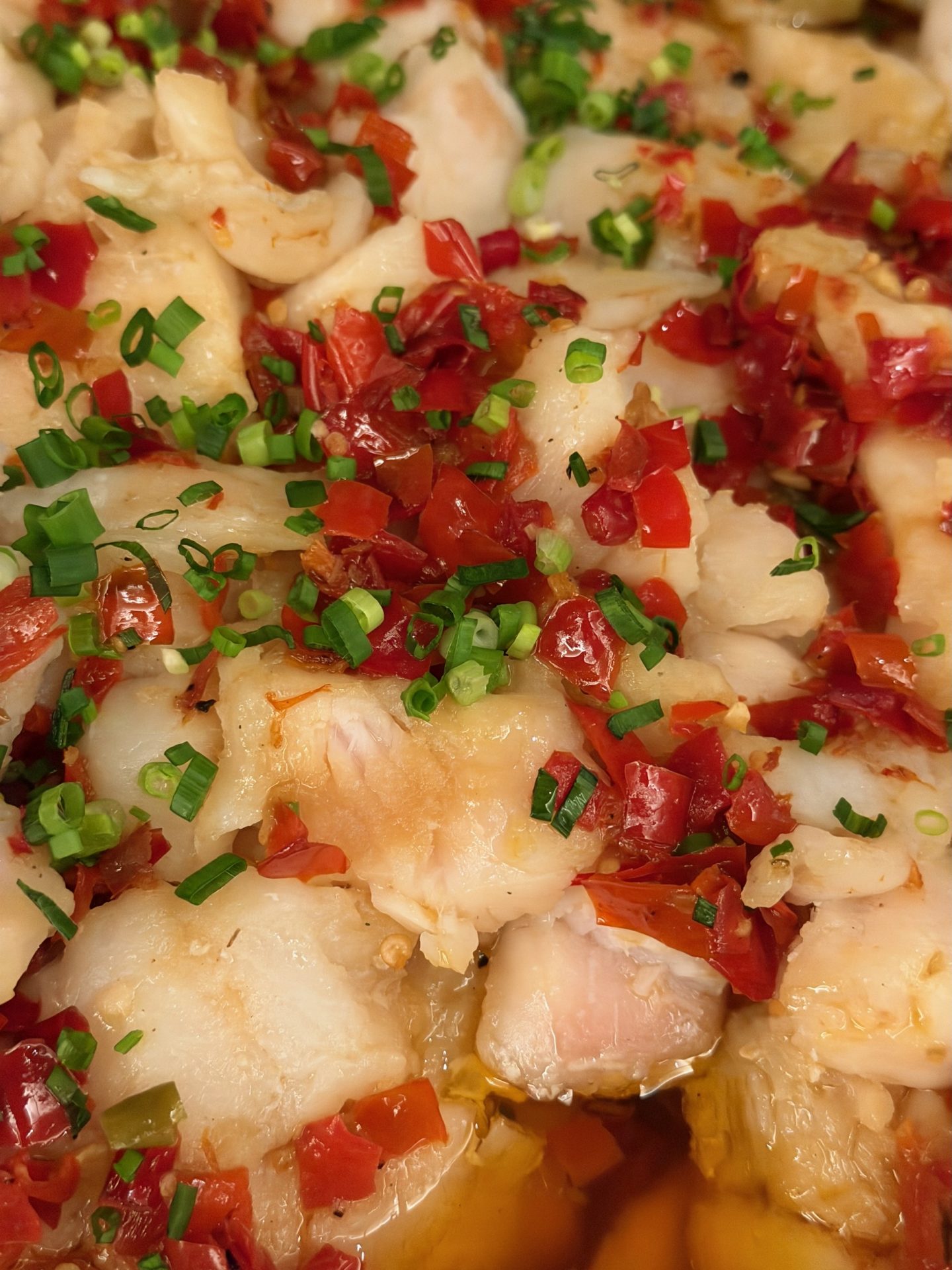
So, we have now already encountered two basic criteria for classifying what might be called ‘Chinese cuisine’: the regions – and the era. Every dynasty, from the Ming to the Qing (1644 to 1911, which was certainly the most influential), undoubtedly had its influence, but there were also the Kong and Tan dynasties; for religious reasons, there are Buddhist and Daoist dishes; and there is the health-focused cuisine derived from Chinese dietetics. Today, the more important ones are the Chuan cuisine of Sichuan, the Xiang cuisine of Hunan, the Min cuisine of Fujian, the Cantonese Yue cuisine, the north-eastern Chinese Lu cuisine, and the eastern Chinese cuisines of Hui, Zhe and Su. And finally, one can also simplify all this according to the cardinal directions: The East eats sour, the West eats spicy, the South eats sweet, the North eats salty. And just to be clear: in northern China (which is rather large and densely populated), there is no rice. This is because if a sack of rice were to fall over in China, it would affect almost half the inhabitants of the Middle Kingdom.
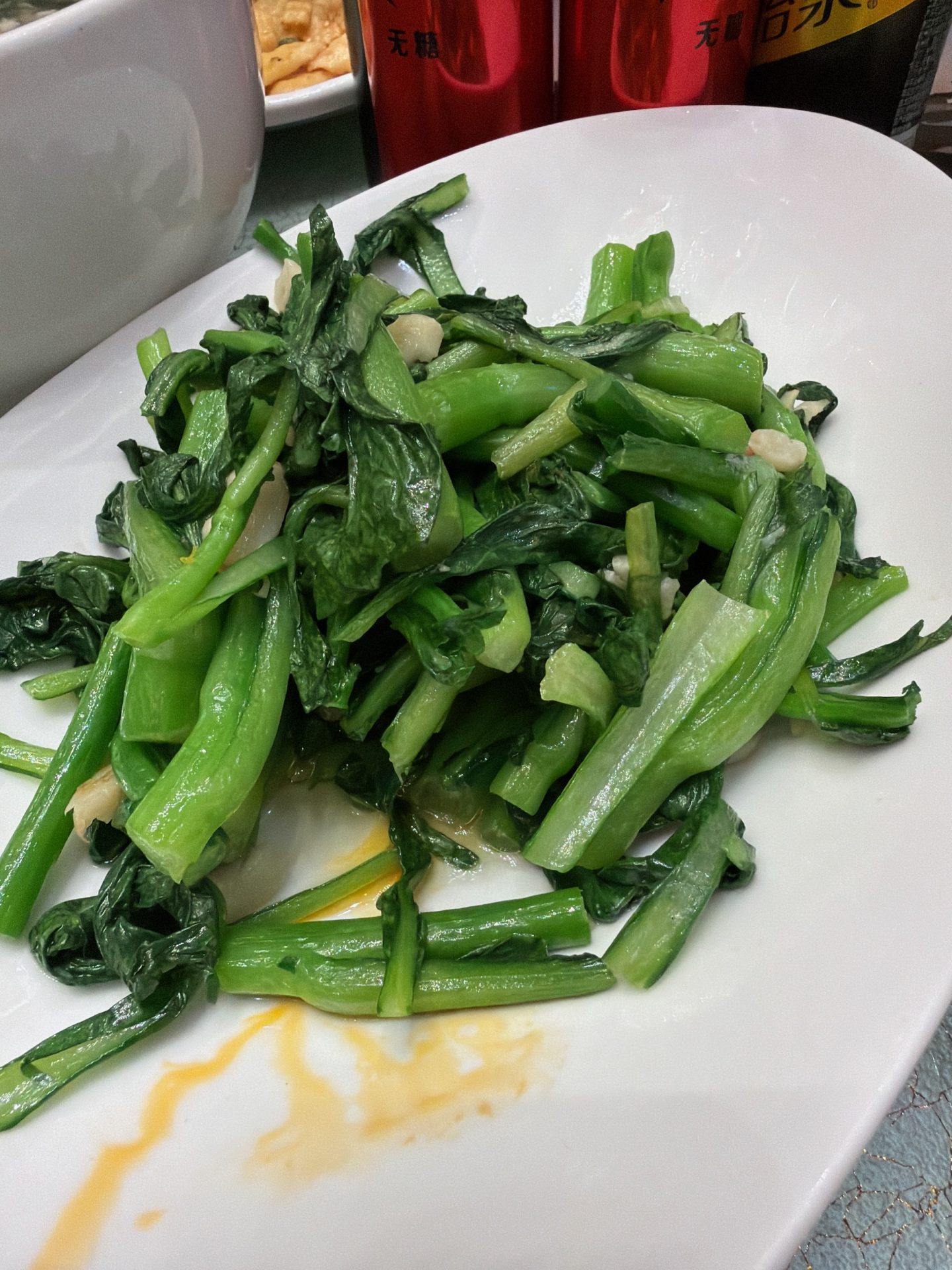
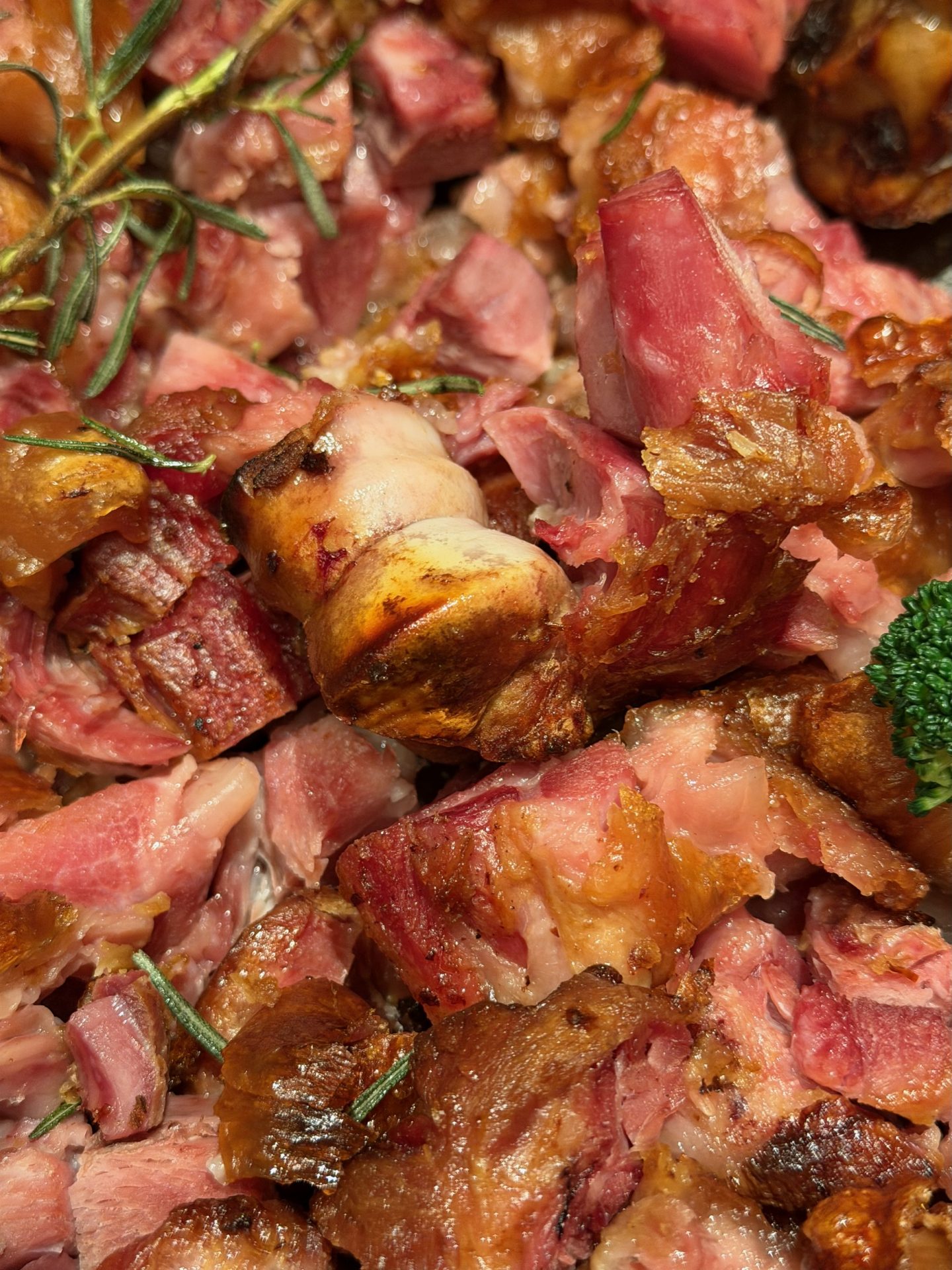
More theory? Because when we talk about the Chinese, we’re talking about 5,000 years of culture and a great deal of philosophy – yin and yang and so on – wood corresponds to sour, fire to bitter, earth to sweet, metal to spicy and, finally, water to salty. Yuan Mei, not a chef but an 18th-century poet, described it something like this: ‘When serving dishes, one serves the salty ones first, followed by the sweet ones. Heavy dishes before light ones, dry ones before those in broth. There are five flavours: salty, sour, spicy, bitter and sweet; they must not all be overpowered by a salty taste. One must know and understand in advance when the guests’ stomachs are sufficiently full and fatigue sets in. Then, to stimulate the appetite, spicy dishes must be served.” Modern chefs all over the world now work according to this system. The Chinese had already mastered the art of playing with textures when we here in Europe were still living in caves. And here’s another very important example: the much-lauded Japanese cuisine would be nothing without China. They wouldn’t even know rice in Japan, let alone all those popular noodles. The same applies to Italy.
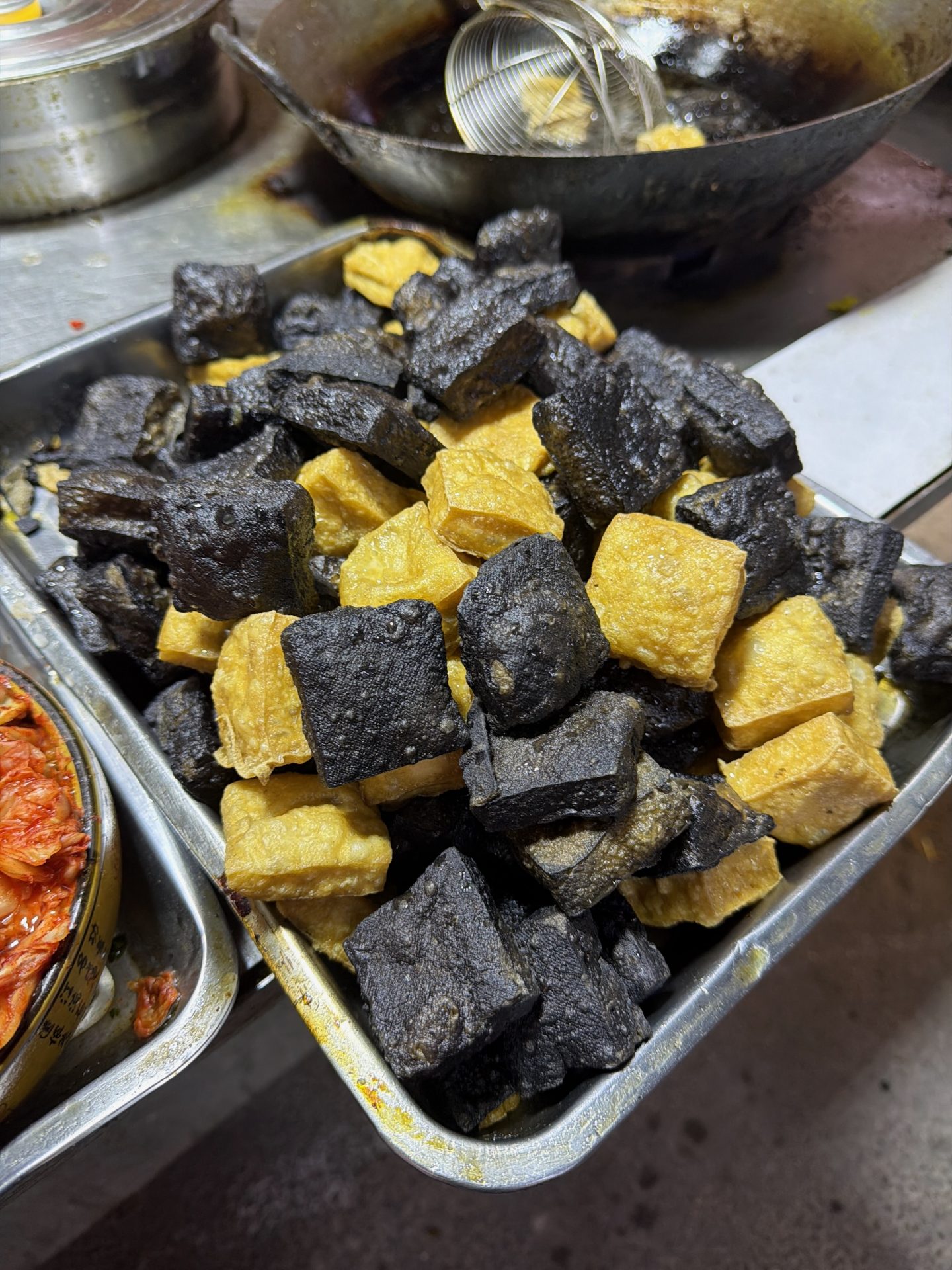
In this context: let’s have a chat about Maultaschen. Or ravioli. Gyoza in Japan, mandu in Korea, empanada in Latin America, kreplach, modak, momo, pelmeni, pirogies, samosas. For the Chinese, that’s too simple. The most famous are, of course, dim sum, but that’s simply the umbrella term for a small snack, something which translates as ‘touching the heart’. In the Middle Kingdom, the main thing is baozi, which translates as a yeast dumpling and can come with or without a filling. And they all come from northern China, from where you can’t grow rice, but you can grow wheat. Lots of it. That’s why, since at least the 2nd century AD, there have been all sorts of baozi, which the Chinese have carried out into the whole world. Who invented it?
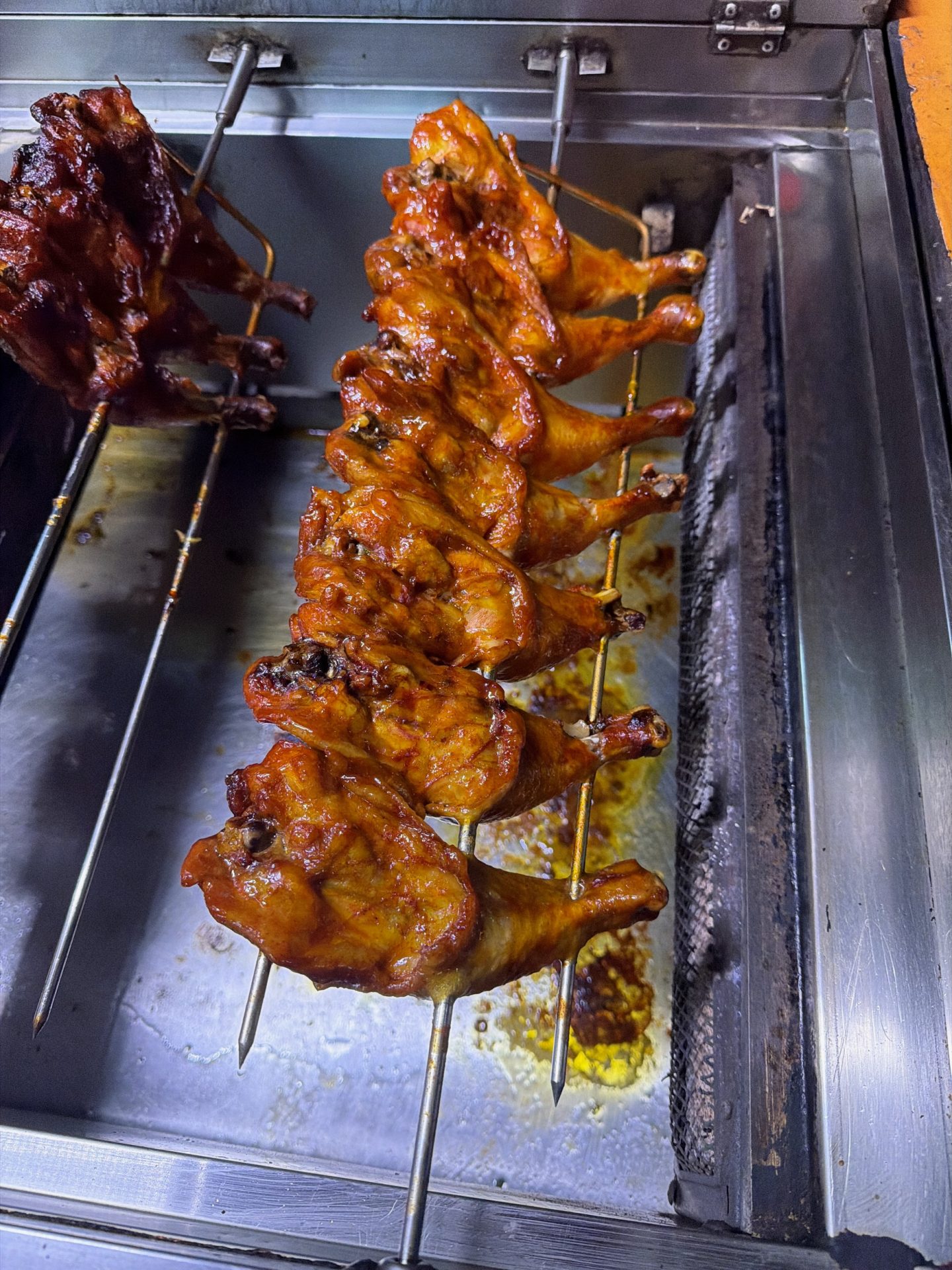
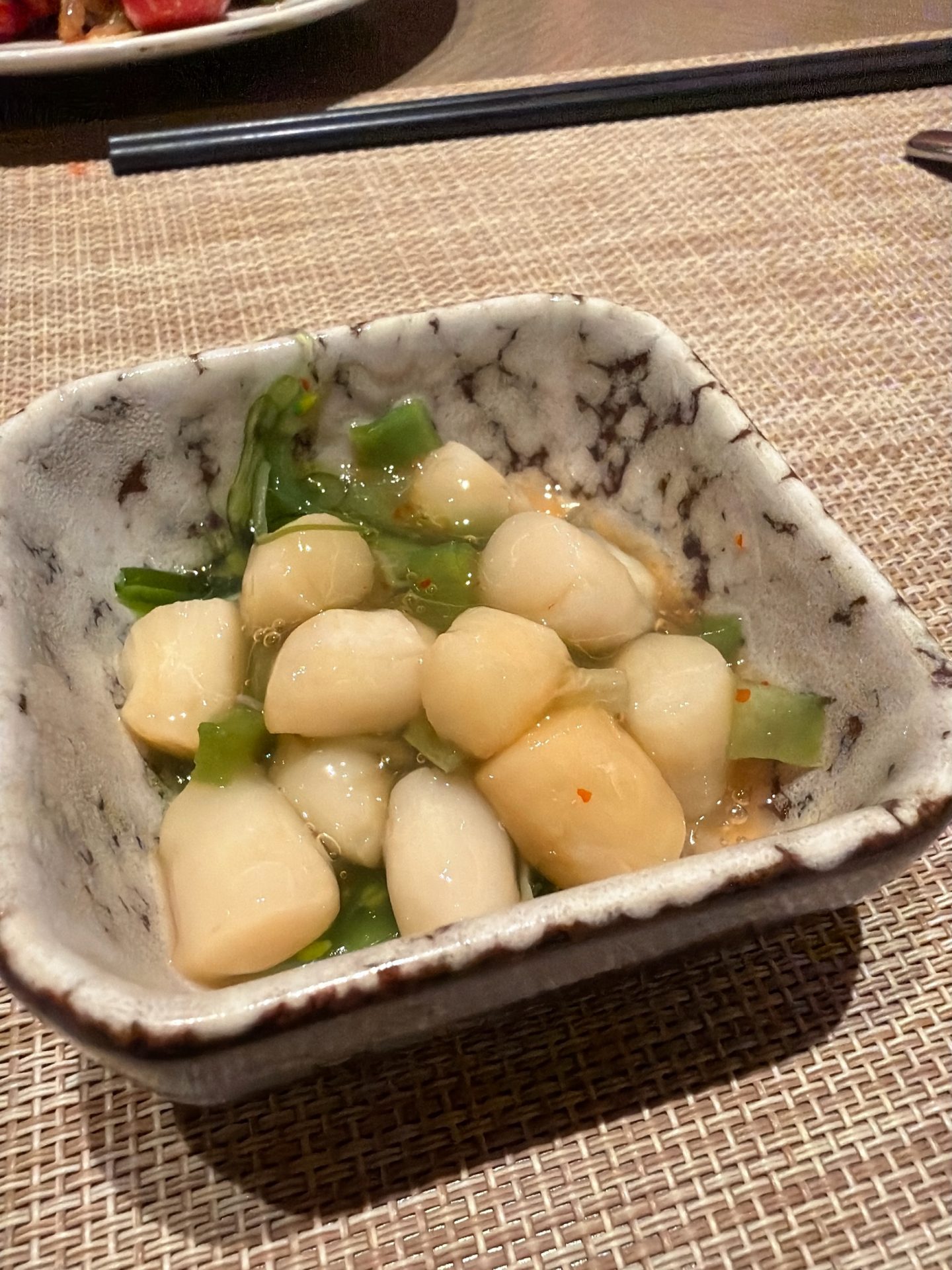
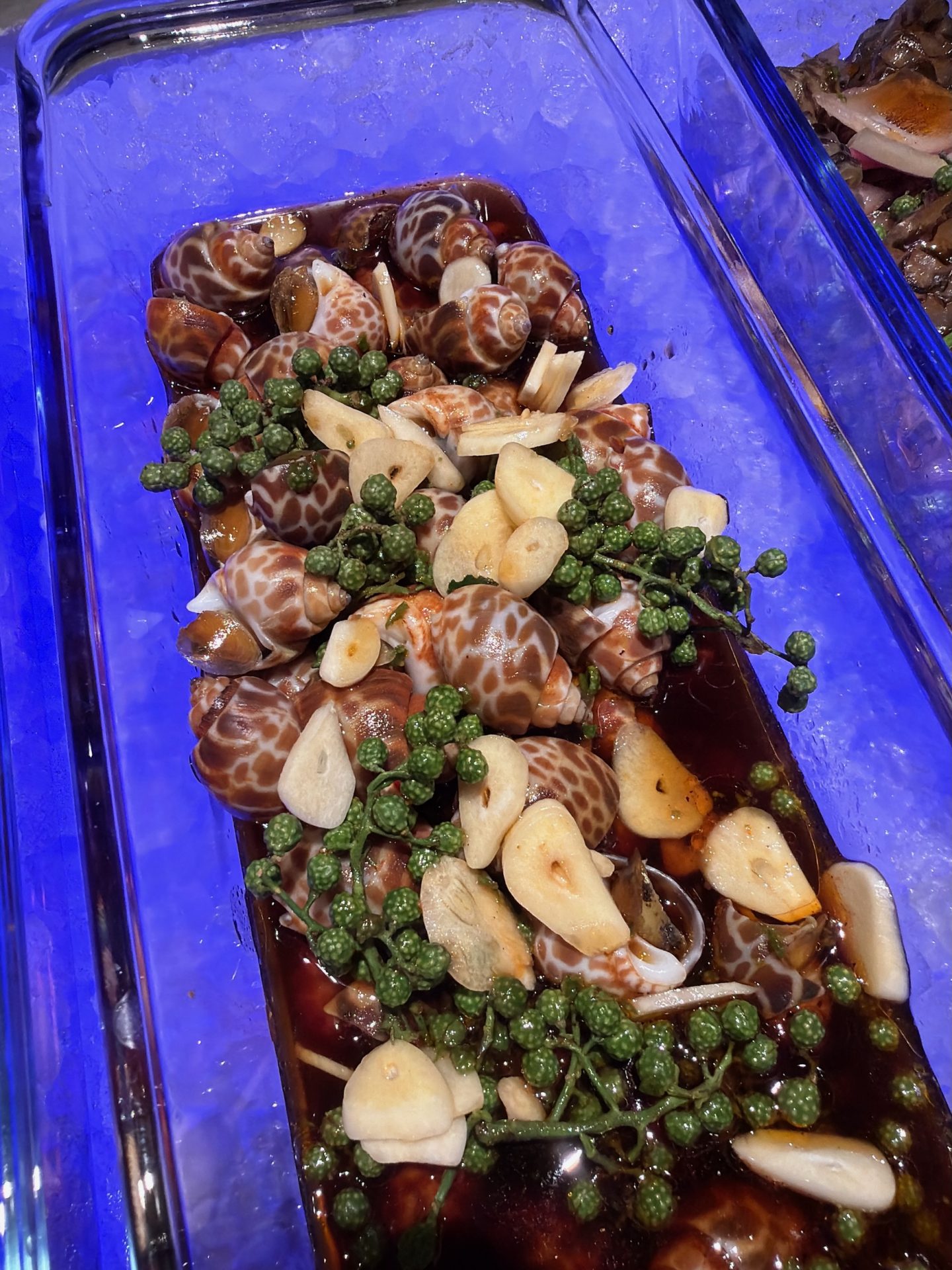
The history of China from the 1920s to the 1950s is even more complex than the preparation of ‘shao yazi’, yet the great turning point for ‘fine dining’ in China can perhaps be dated to the night of 21–22 March 1927. On that night, the henchmen of Chiang Kai-shek and his Kuomintang seized control of Shanghai, at that time arguably the world’s greatest den of iniquity. The port city was then (as now) China’s gateway to the world; it had everything – opium and all manner of other drugs, prostitution, fine hotels, the finest food; Beijing was not only far away but, above all, boring, whilst Hong Kong was a village. Thousands of Europeans thronged Shanghai; for two decades it was one huge party – and suddenly there was civil war, and it was all over. (For those who are genuinely interested, I highly recommend the book La condition humaine (Human’s Condition) by the Frenchman André Malraux.) When Mao Zedong proclaimed the Communist People’s Republic of China on Tiananmen Square in Beijing on 1 October 1949, the Chinese had already endured two decades of the most appalling deprivation – which continued long after the death of the narcissistic, gluttonous, drunken ‘Great Chairman’. It was not until the 2010s that the Chinese began to rediscover their incredibly rich culinary traditions, yet even today, in the country’s many megacities, there are very few restaurants that uphold these traditions to a high standard. The Michelin Guide lists just three three-star restaurants for the whole of mainland China. One of them is run by a German. Paris, otherwise completely overrated, manages nine.
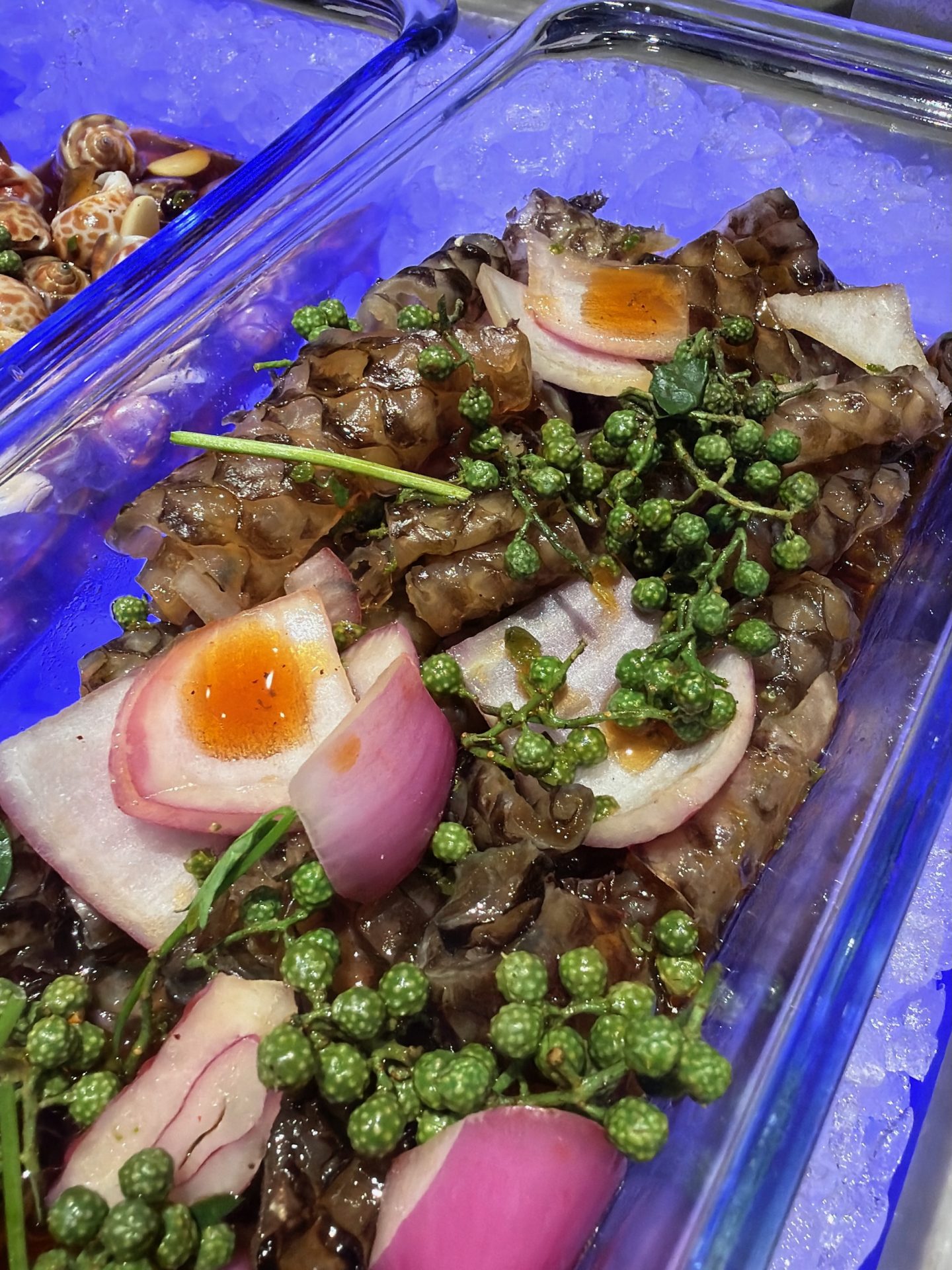
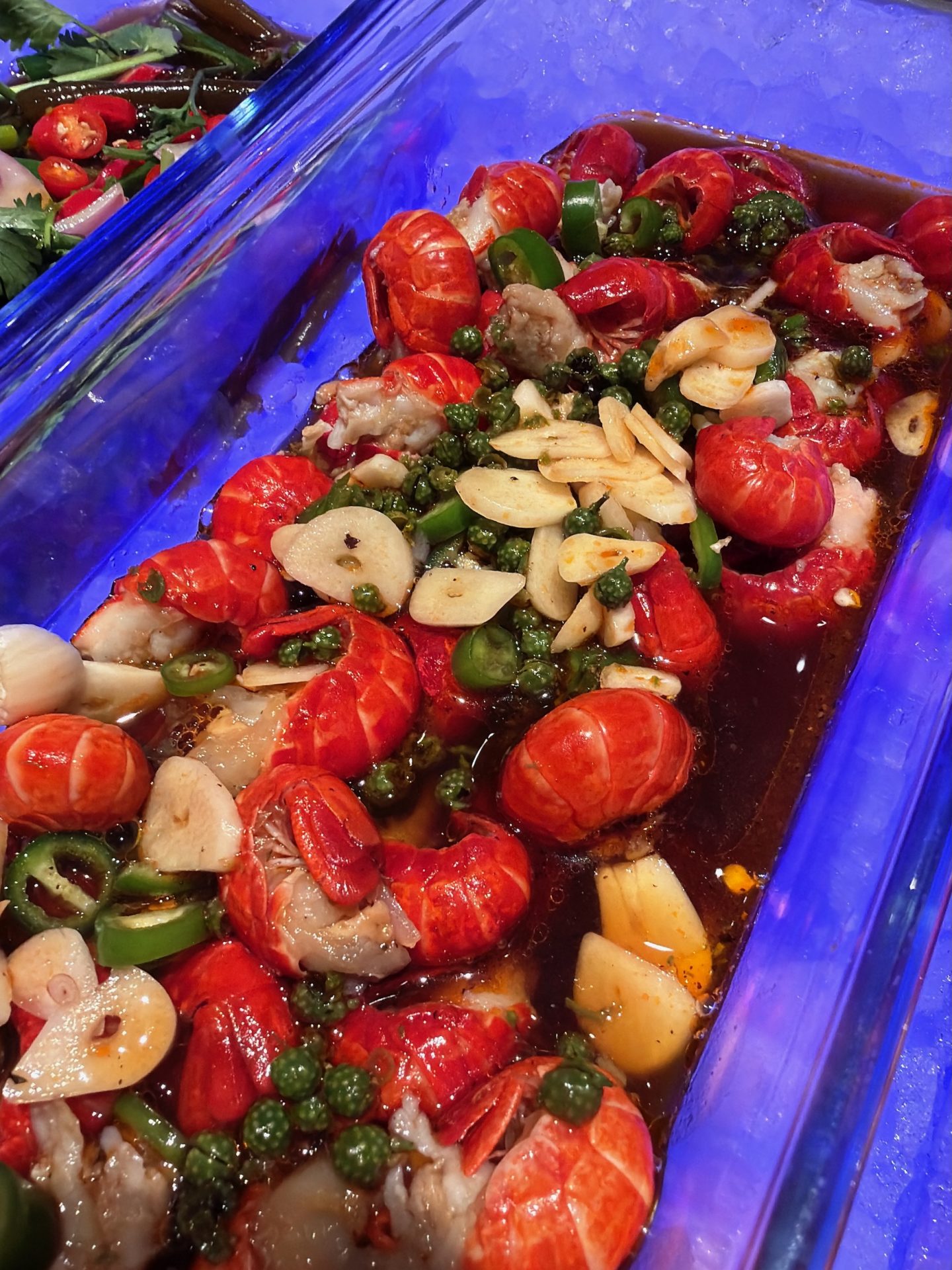
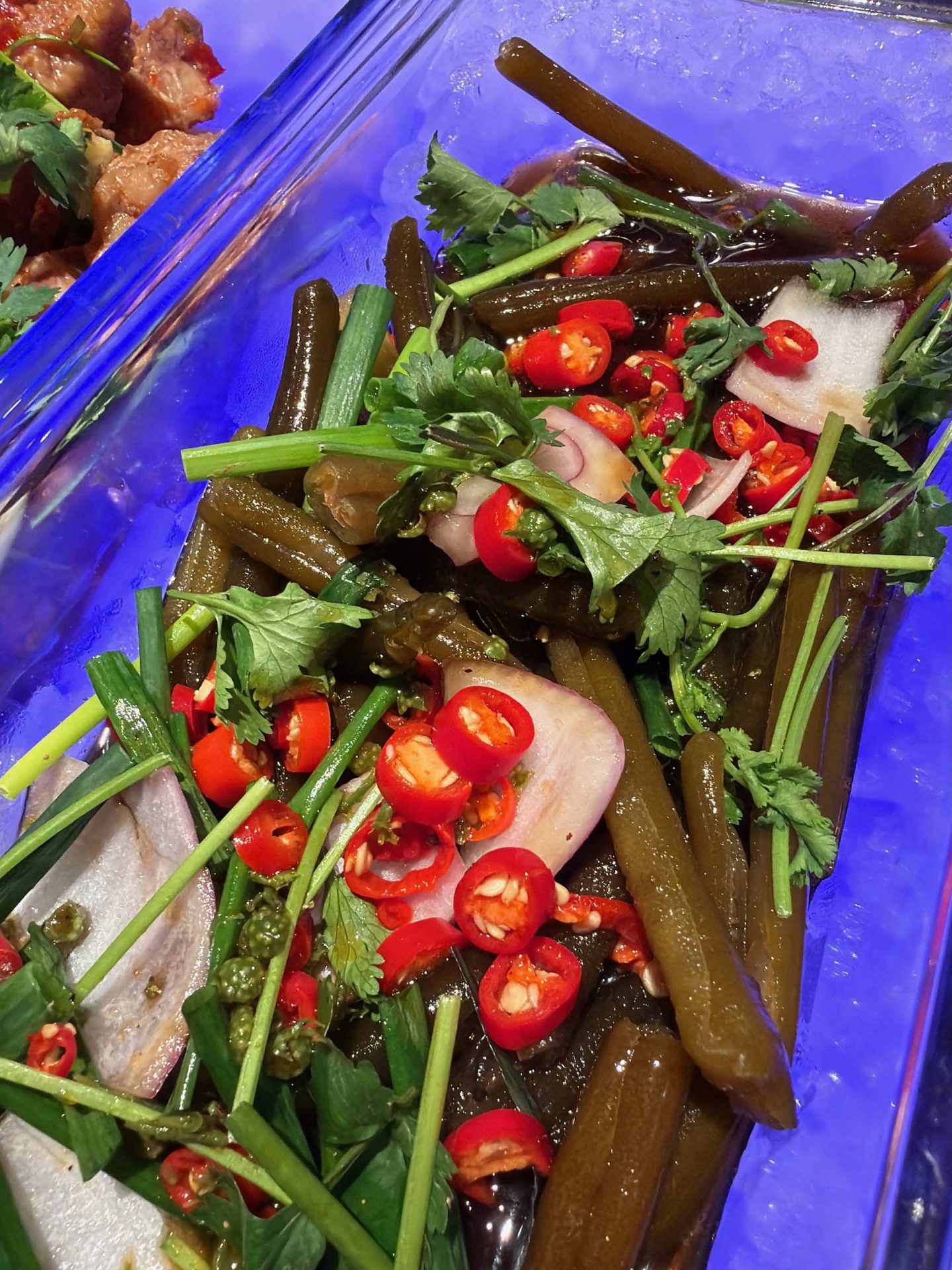
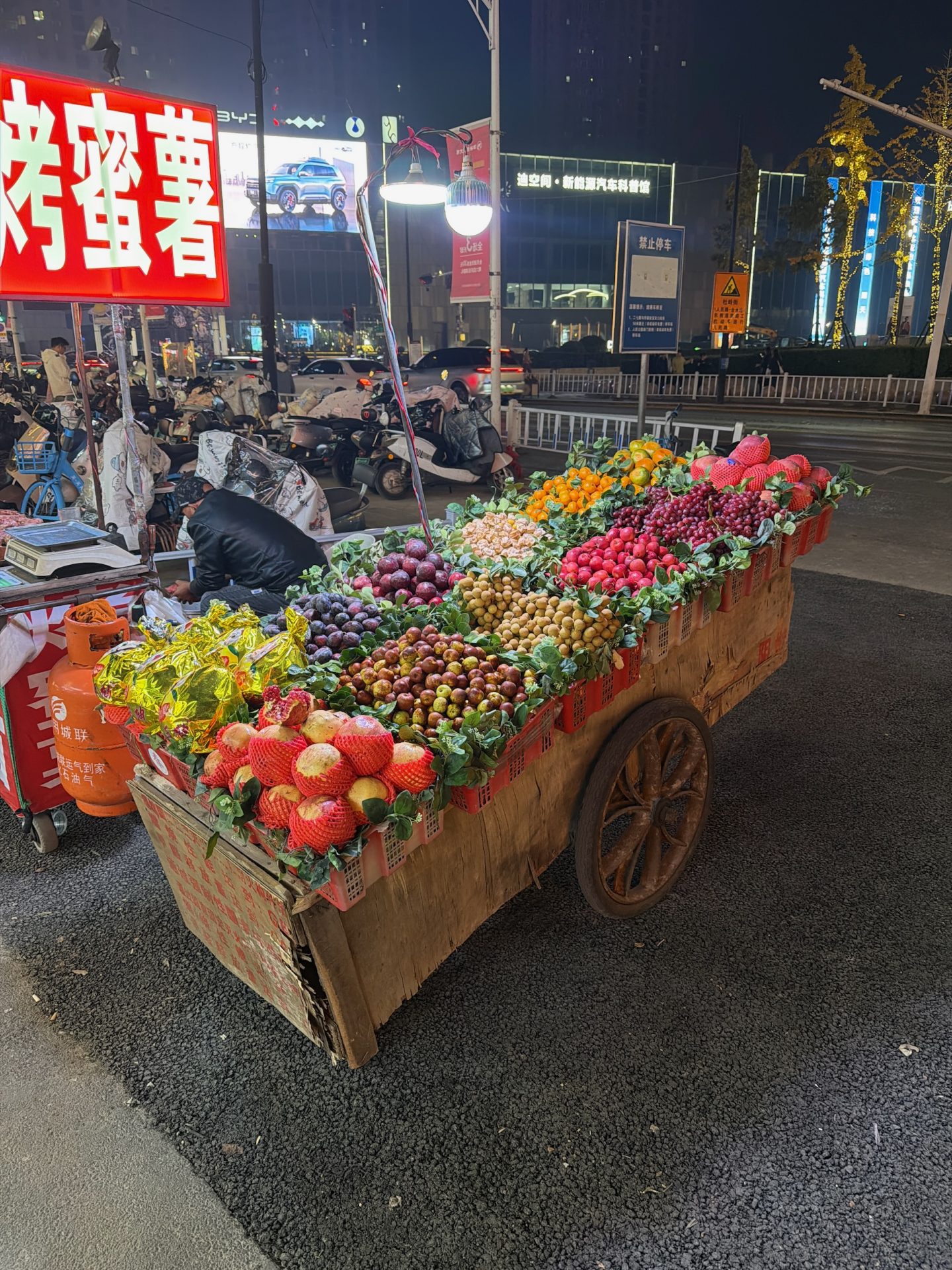
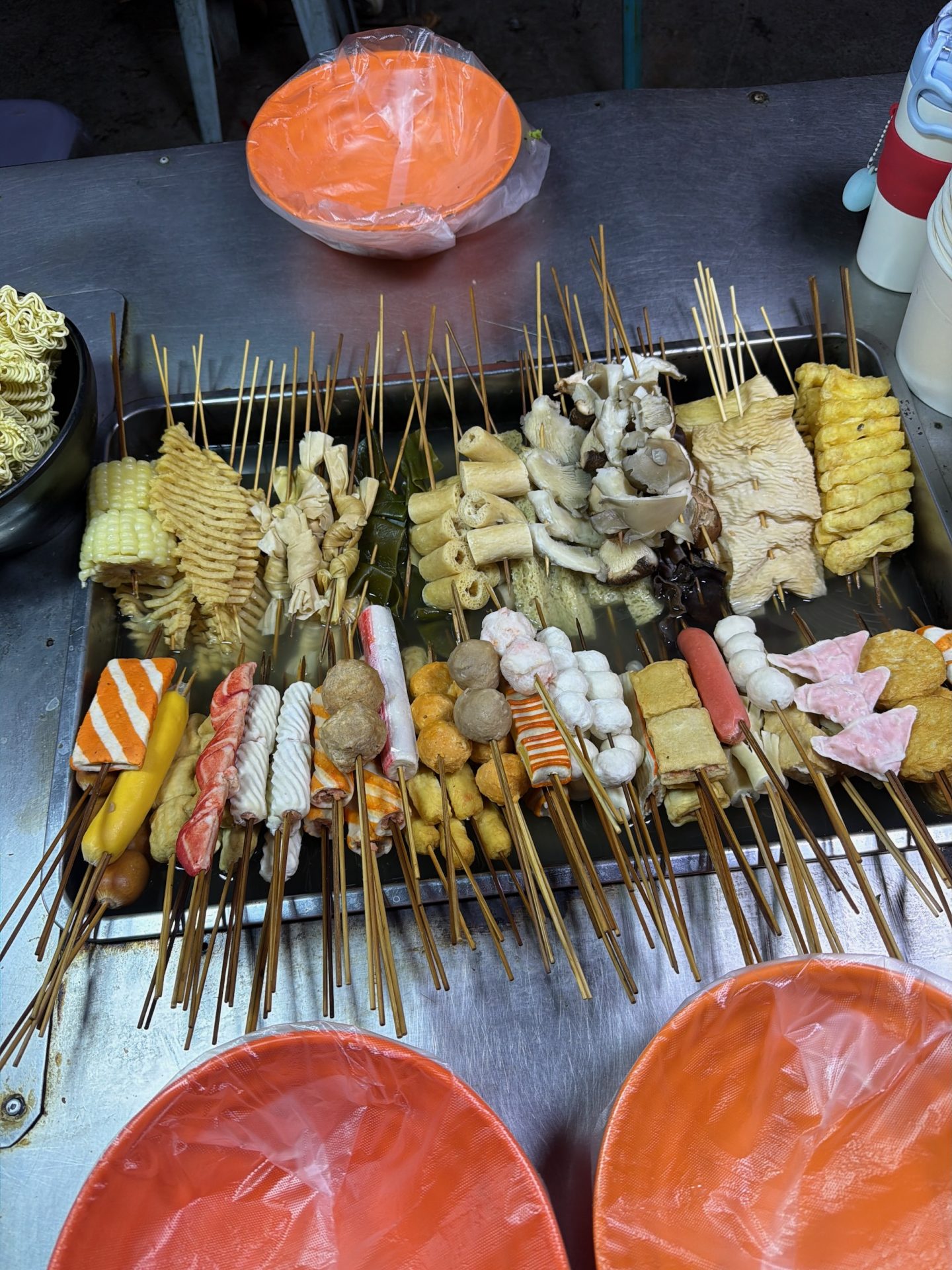
It took almost 100 years for the Chinese to be able to rediscover their magnificent culinary arts. Bianyfang (see above) is still there; the restaurant never closed, even though Mao Zedong always preferred Quanjude, which only opened in 1864, for his Peking duck (and even dragged Henry Kissinger there, who made the dish famous worldwide). There are now, however, a few chefs who are working in the very traditional Chinese style once again. Most are funded by large (American) hotel chains, but such is the way of things in haute cuisine, worldwide. For those who want to experience the real, lively China, we recommend the ‘bai zi dian’ for breakfast – the street food stalls – the ‘mian guan’ for lunch – the noodle shops – and then the ‘shao kao tan’ in the evening, where pretty much everything that can be grilled is grilled. Incidentally, alcohol is hardly drunk at all in the north and east, whereas in the south it is consumed in considerable quantities.

Over the coming weeks, we will be taking an in-depth look at contemporary Chinese cuisine. It is extremely exciting.