
Résistance
The mid-1930s were grim times, even in motor racing. The two German manufacturers, Mercedes-Benz and Auto Union, dominated (almost) everything, partly because the Nazi government provided them with almost unlimited funds; they drove each other to ever greater heights, competing in record-breaking runs with over 600 hp. In France, people watched this goings-on with a sense of helplessness. Although the domestic manufacturers still won the 24 Hours of Le Mans between 1937 and 1939, when it came to speed and endurance records, the Nazis seemed unbeatable. So the French government, in collaboration with the Automobile Club de France, offered the ‘Prix du Million’, one million francs to the French manufacturer that could break the speed record set by Mercedes on the Montlhéry circuit before 31 August 1937 (it had to be 200 kilometres at an average of more than 146.5 km/h). Bugatti entered a modified Type 51 into the race, but was soon forced to retire due to technical problems. But then there was Delahaye. And a lady named Lucy Schell O’Reilly.
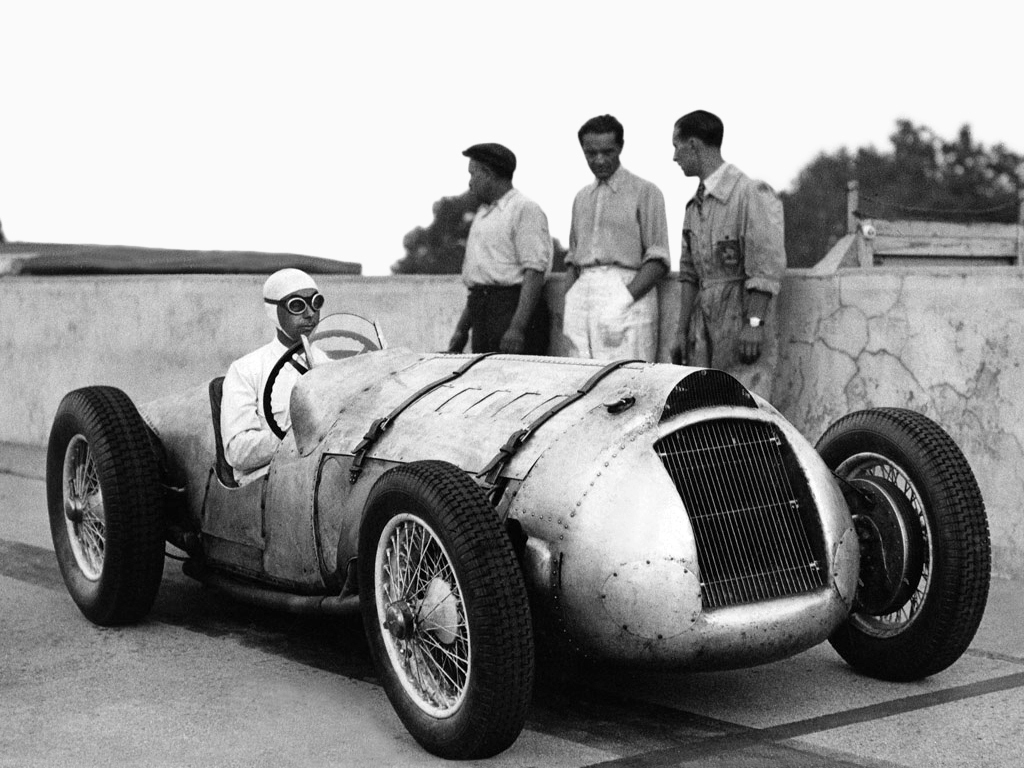
Lucy, born in Paris in 1896, was the only child of an American property tycoon and a Frenchwoman. Shortly before the First World War, she met ‘Laury’ Schell, the son of an American diplomat, born in Geneva. In the 1920s, the couple began to take an interest in motor racing; Lucy first competed in circuit races in a Bugatti, then won the Coupe des Dames at the 1929 Monte Carlo Rally in a Talbot. In 1933, she and her husband visited Delahaye’s newly appointed racing director, Charles Weiffenbach, in his office, requesting a car with a short chassis (134) and the large 3.2-litre six-cylinder engine from the 138 – the Delahaye 135 was born. When Delahaye withdrew from motor racing again in 1936, Schell O’Reilly’s racing team, the Écurie Bleue, took over; financially, this was no problem, as Lucy had just inherited her father’s fortune. From this, she now financed a new project: a 4.5-litre V12, designed by Jean François. The aim was the top tier: Grand Prix, Le Mans. Incidentally, the car, christened the Delahaye 145, also won the ‘Prix de Million’; at the wheel of the car with chassis number #48773 was René Dreyfus. But that was as far as it went; Dreyfus went on to win the 1938 Pau Grand Prix and the Cork Grand Prix in the same year.


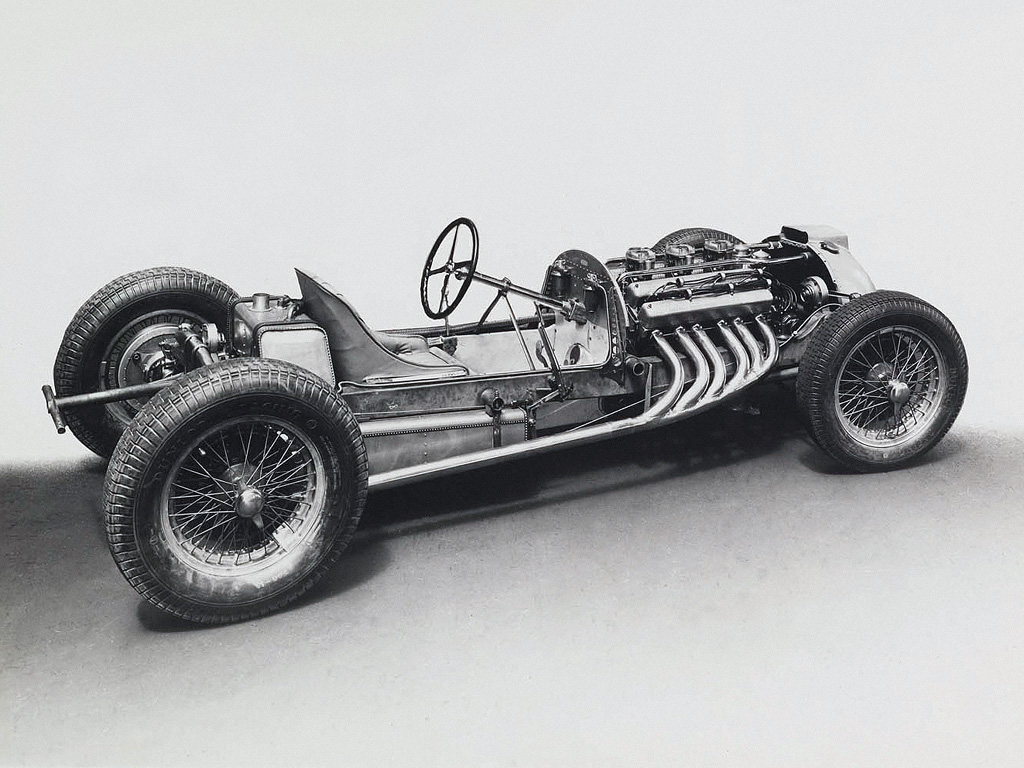
A total of twelve of these twelve-cylinder engines were built by Delahaye. Four of them (48771, 48772, 48773 and 48775) were used for the two-seater 145, one for the single-seater 155 (48774). Added to these were four 165s (60741, 60742, 60743, 60744), more Gran Turismo than sports car, with two examples each bodied by Henry Chapron and Figoni & Falaschi (the latter two still exist). All in all, however, Lucy’s vast fortune did not bring the hoped-for success; she emigrated to the USA in 1939, following her husband’s death; Lucy Schell O’Reilly passed away in Monaco in 1952.
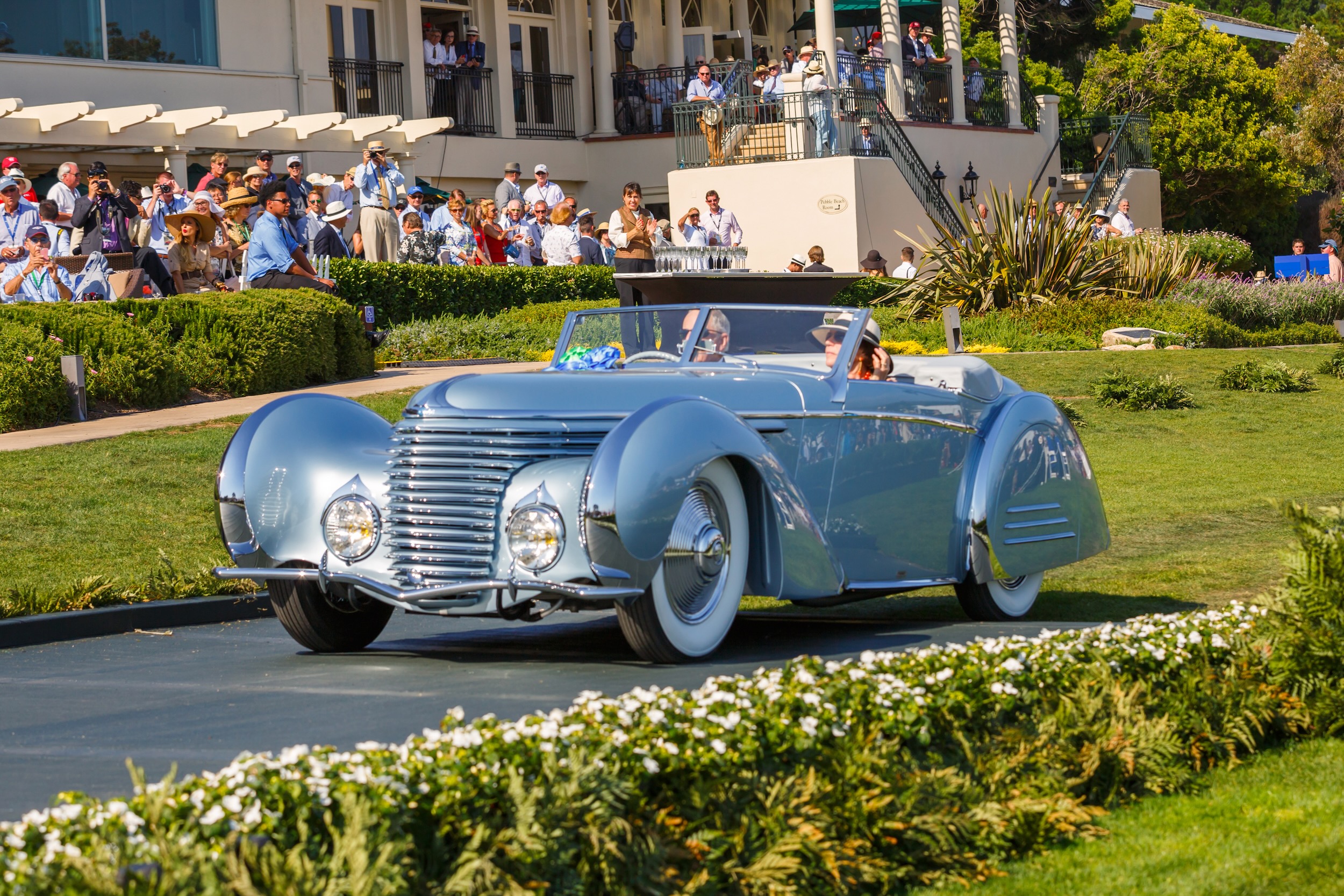
But here we have the sequel: chassis number #48773, likely the winner of the Million and the races at Pau and Cork (other sources suggest it was #48771). The car was hidden during the Second World War, purchased by a private individual in 1946 – and immediately sent to Marius Franay, who gave the two-seater racing car a new body. However, the customer was unable to pay because he was in prison, so Franay bought the Delahaye himself – and kept it until 1956, when his company had to file for bankruptcy. In the 1960s, the Delahaye was converted back into a racing car (the Franay bodywork was fitted to a Delahaye 135 MS); in the 1990s, Sam Mann then purchased both the 135 MS and the 145, and between 2013 and 2015, the racing car was restored to the cabriolet that Franay had designed. RM Sotheby’s is now auctioning this magnificent Delahaye in Monterey in 2026, with an estimated price of between 4.5 and 6 million dollars.


We have other magnificent classics in our archive.