
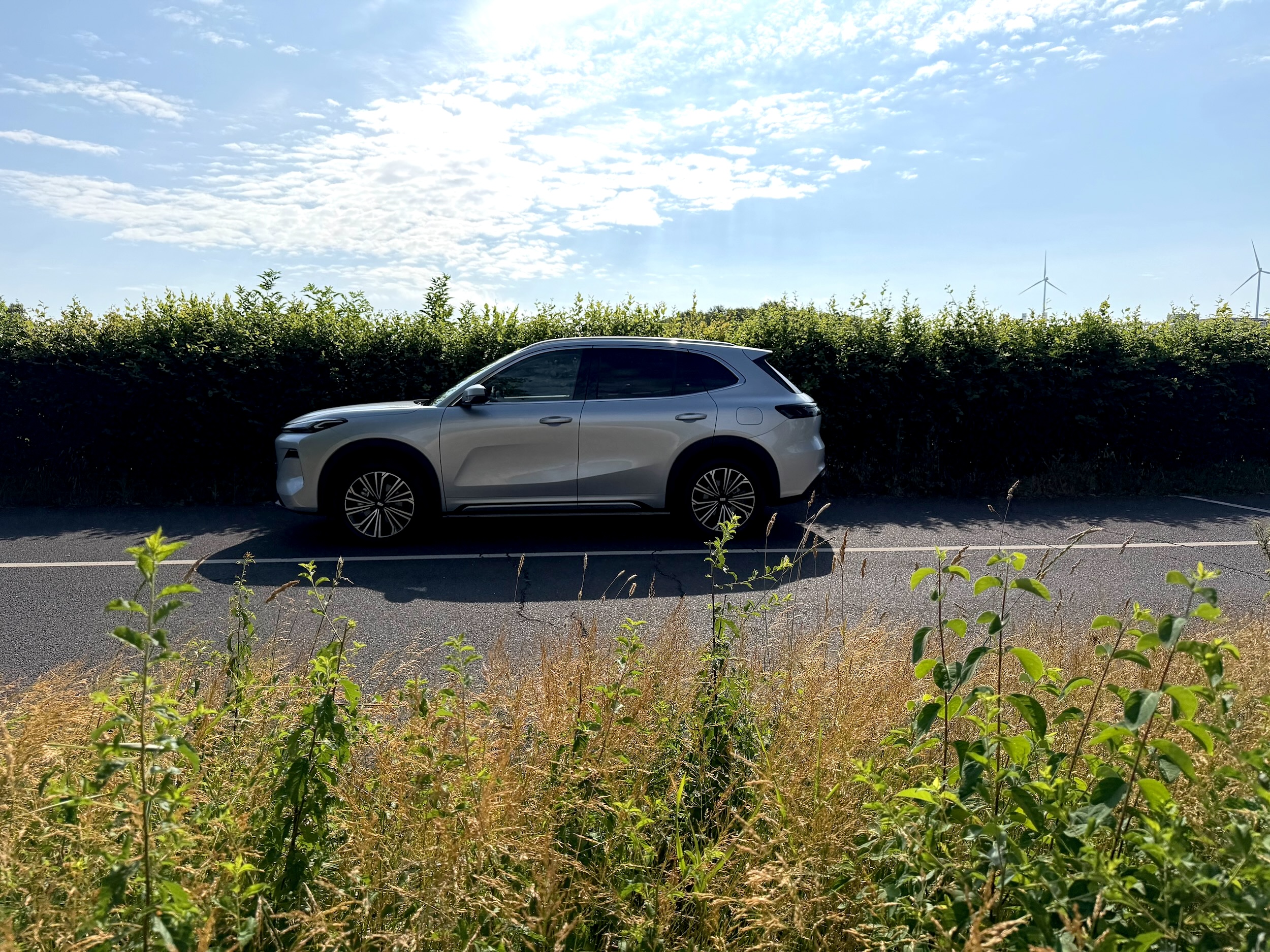
Geely – what?
The Chinese Geely Group appears to have brought together 72 brands under its umbrella, including such well-known names as Volvo and Lotus; the Chinese are also already represented in Europe and Switzerland with a number of purely Chinese brands, such as Polestar and Zeekr. There are a great many synergies (and, at the same time, overlaps); the same platform, with the same battery and the same software, is used across the entire group, and it can sometimes be a little difficult to tell the individual brands and models apart. Now, however, Geely is taking it a step further with ‘Geely’ – there’s actually going to be yet another brand, and it bears the same name as the entire group. Surprisingly, it isn’t positioned above the other brands, but rather at the lower end of the price scale – at least in China. As is well known, the Chinese don’t give anything away in Europe; there, they align their prices with those of established manufacturers, sitting just below them when offering better specifications.
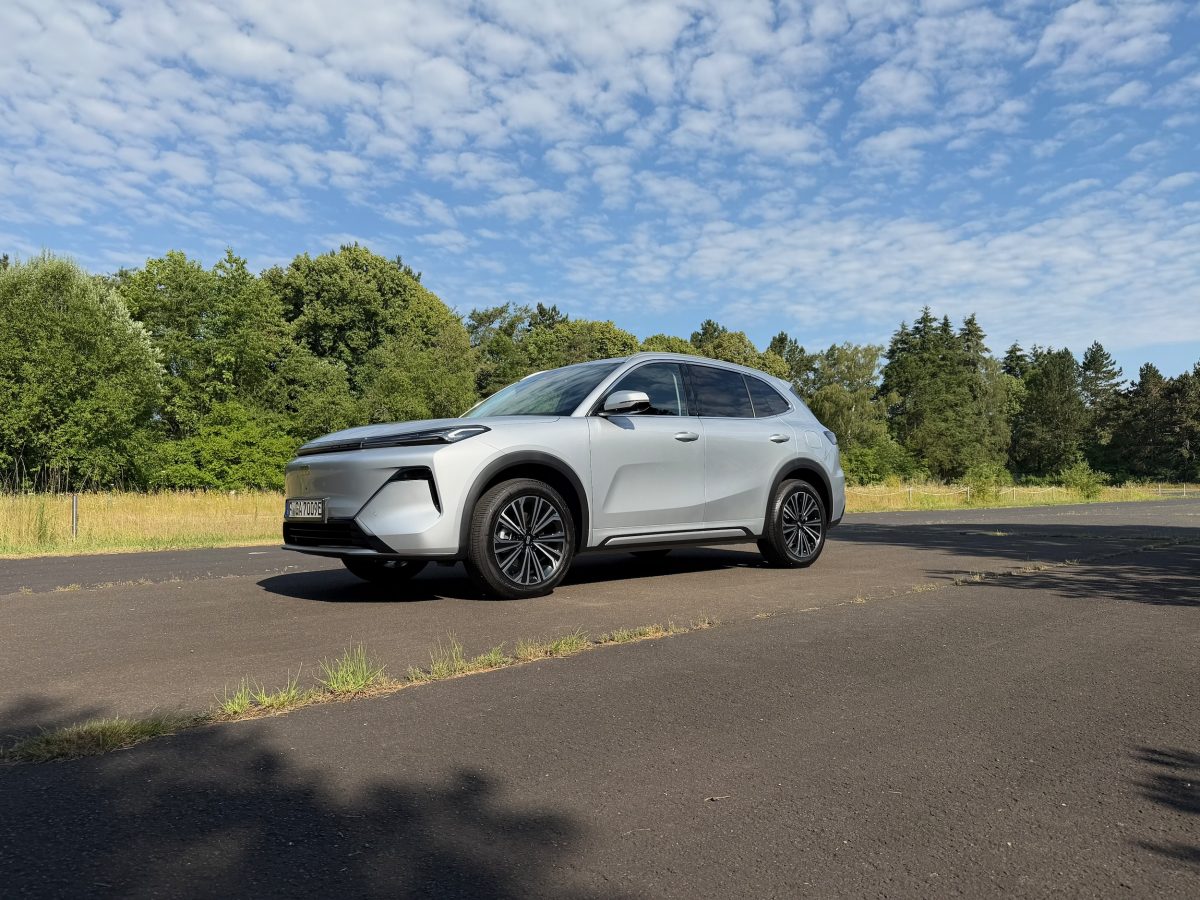
To put it plainly: the Geely Starray EM-i, which we’re presenting here as a new model, will be phased out in China this autumn; its successor arrives in November, offering slightly better performance across the board and looking significantly better too. The top-of-the-range model will have a pure electric range of 200 kilometres (instead of the previous 136 km), a maximum range of 1,420 kilometres (previously 1,055 km), a more powerful 1.5-litre petrol engine (82 instead of 73 kW), a more powerful electric motor (175 kW instead of 160), and consequently greater overall power. The new Starray EM-i will cost from 14,900 dollars in China – the Chinese model, which is already virtually obsolete, costs from 32,990 euros in Germany. To put it as politely as possible: I think I’ll give it a miss. Oh yes, in China this PHEV SUV – marketed there as the Starship 7 – is selling like hot cakes: 10,000 units a month, every month, for nearly two years now.
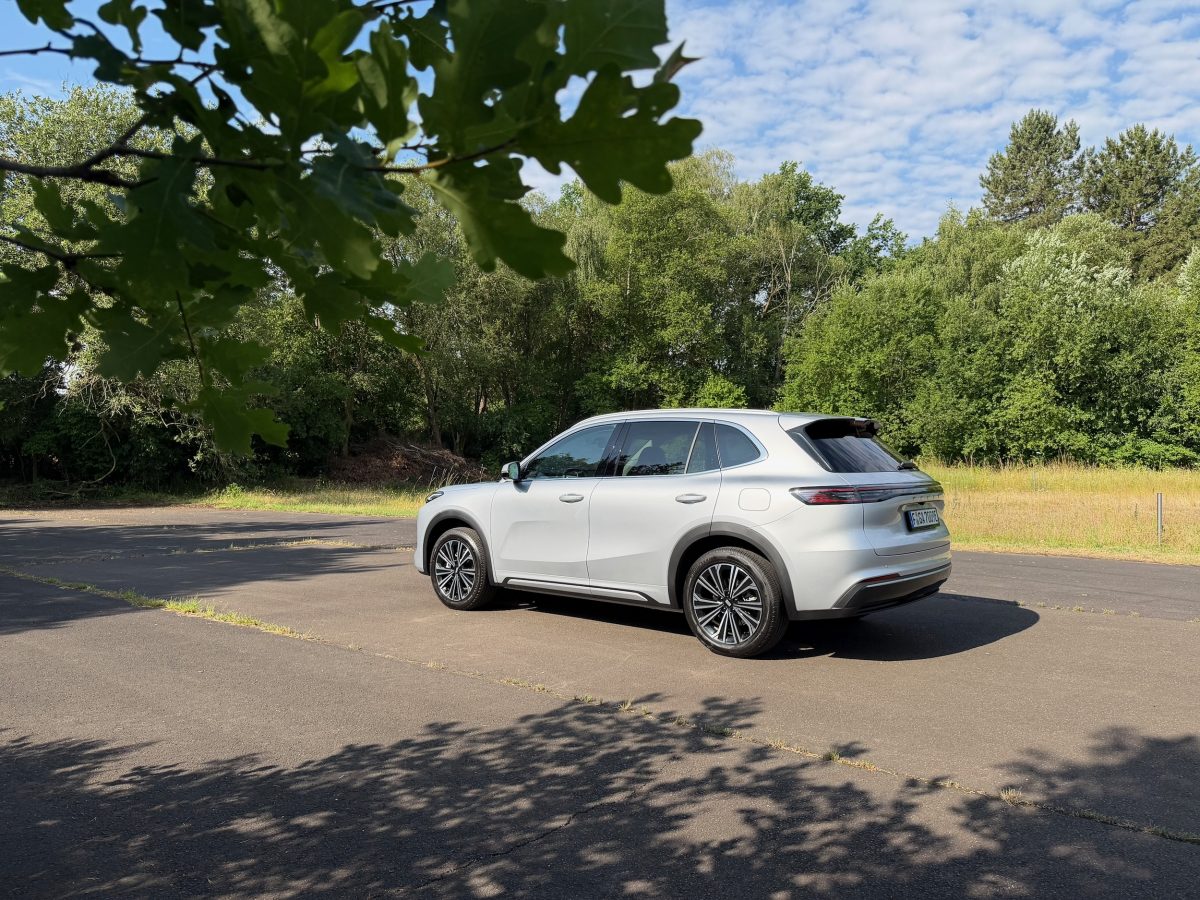
But here in Europe (and soon in Switzerland too), we simply have to make do with what we’re given – and that does make you wonder: why? Who needs yet another SUV like this – 4.74 metres long, 1.91 metres wide, 1.69 metres high, with a wheelbase of just 2.76 metres, yet featuring a completely unremarkable design, both inside and out? And now with technology that isn’t exactly brilliant either? Admittedly, the Chinese claim that the chassis was developed in Germany specifically to meet European standards (why on earth, when there are Geely outposts in England and Sweden…), but there must have been some translation issues along the way – the thing is simply far too soft, almost spongy. And the steering? Well, it’s just a rough guide to direction. The list could go on almost indefinitely; this car isn’t really good at anything, but it’s not great at a lot of things either. If it cost 15k like it does in China, then yes, OK, but it costs more than double that.
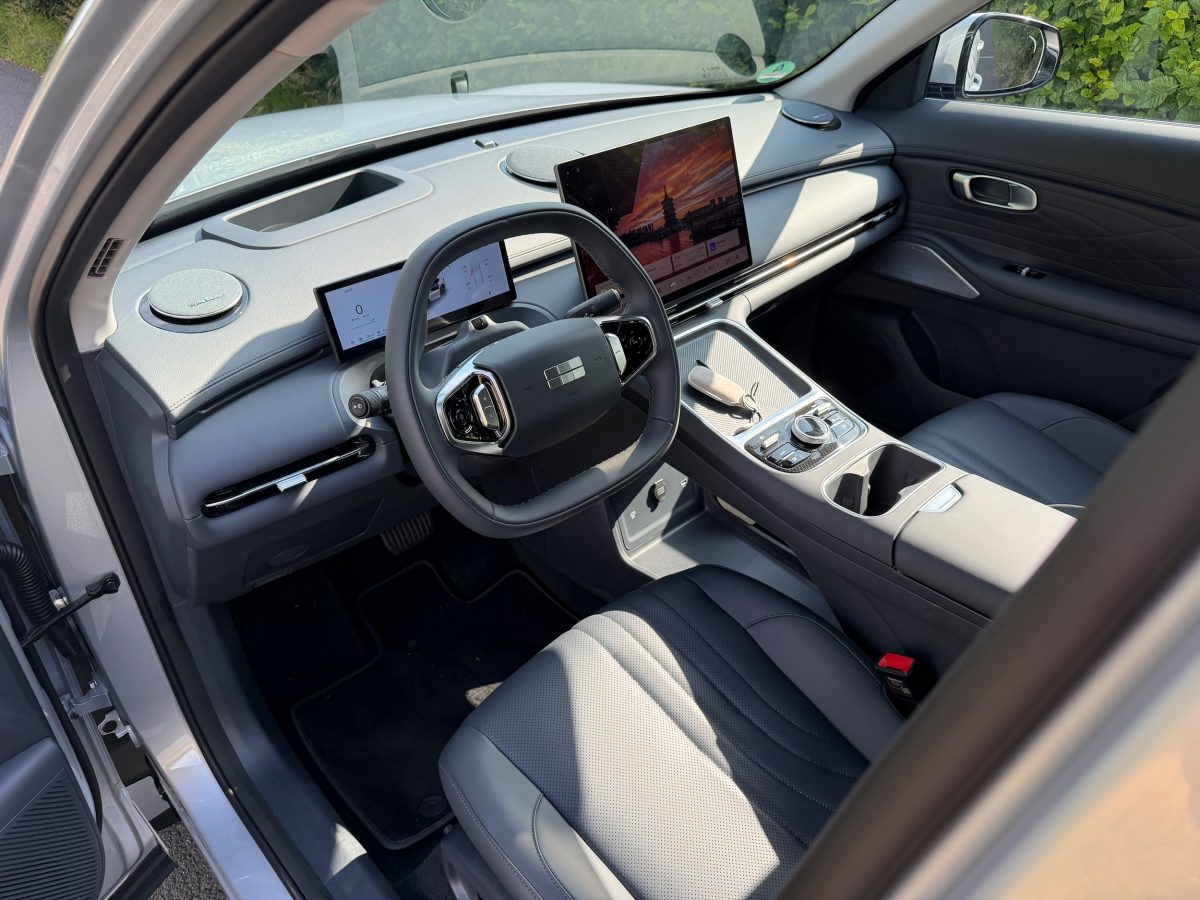
But there is one thing that’s really good: the sound system. It’s called Flyme, with 16 speakers; it sounds really good – crisp treble, bone-dry bass, not the mushy sound you’re usually served these days. But actually, you wouldn’t want to sit there and listen – the interior is full of plastic, the hardest hard-plastic centre console ever (they could easily give an eight-year warranty on that…), two screens slapped on without much thought, and a rather confusing control system with about 72 sub-menus with odd names; there are no physical buttons – the 10,000 Chinese workers a month don’t like that. 526 litres of boot space isn’t bad either; over 2,000 litres with the rear seats folded down is even better, but the legroom for rear passengers is then rather limited.


I don’t understand the whole concept. I already don’t understand why PHEVs are still so successful; surely the issue of range anxiety should have been resolved long ago, even for the biggest sceptics. I don’t understand why Geely is continuing to diversify in Europe, even though it certainly has enough brands that are still far from being established (or have other problems). I also don’t understand the pricing strategy: cheap in China, but in Europe – with outdated materials – it’s more or less mid-range; there’s a flaw in the thinking somewhere. Nobody was really waiting for this one – what’s it called again?


We drove this Geely as part of the #GTEST by GCOTY. We’ve got more exciting cars in our archive.
It’s interesting to see Geely expanding so aggressively. I wonder if they’re hoping to compete directly with established brands like Renault and Dacia.