
The question of purpose
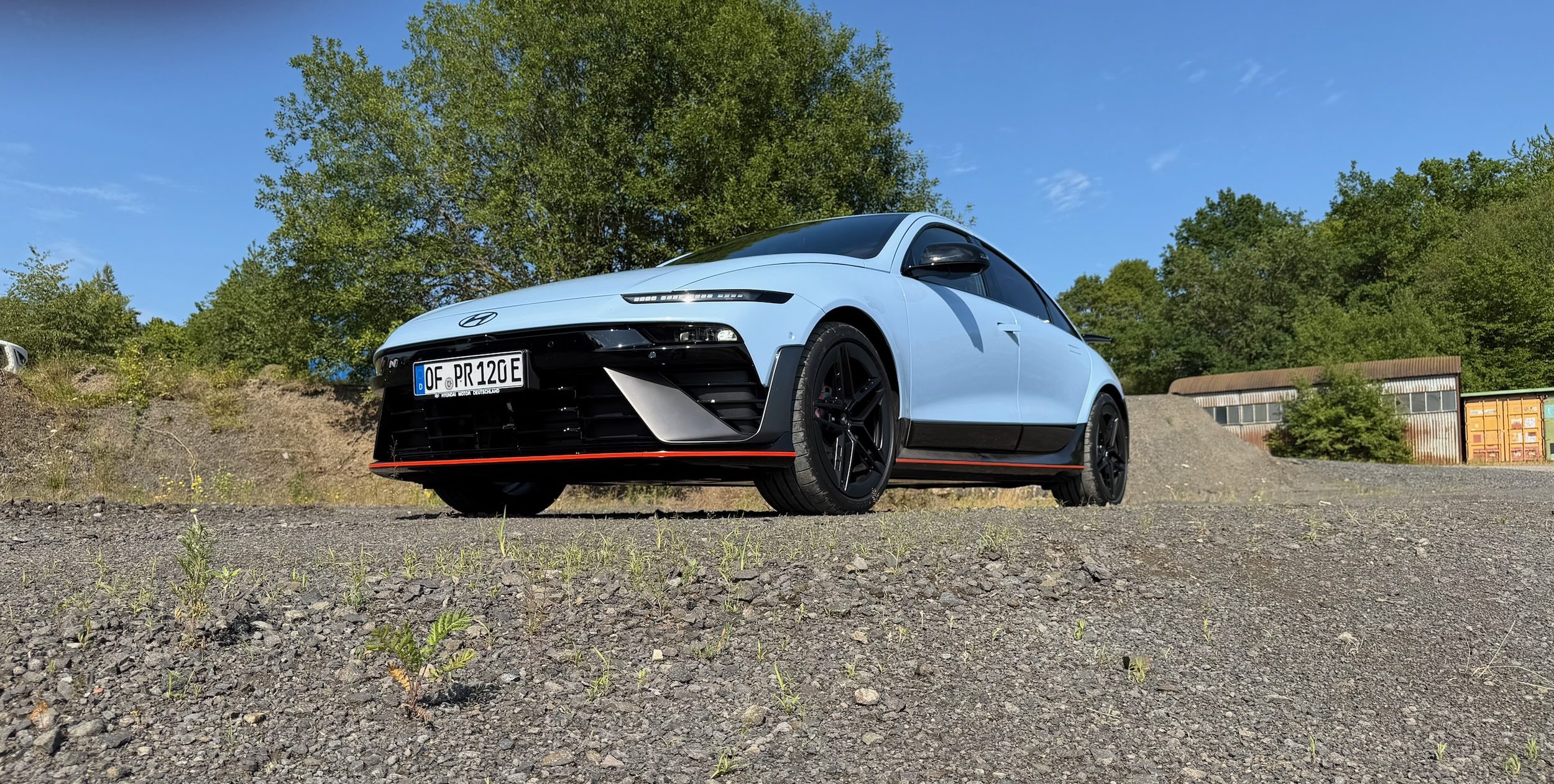
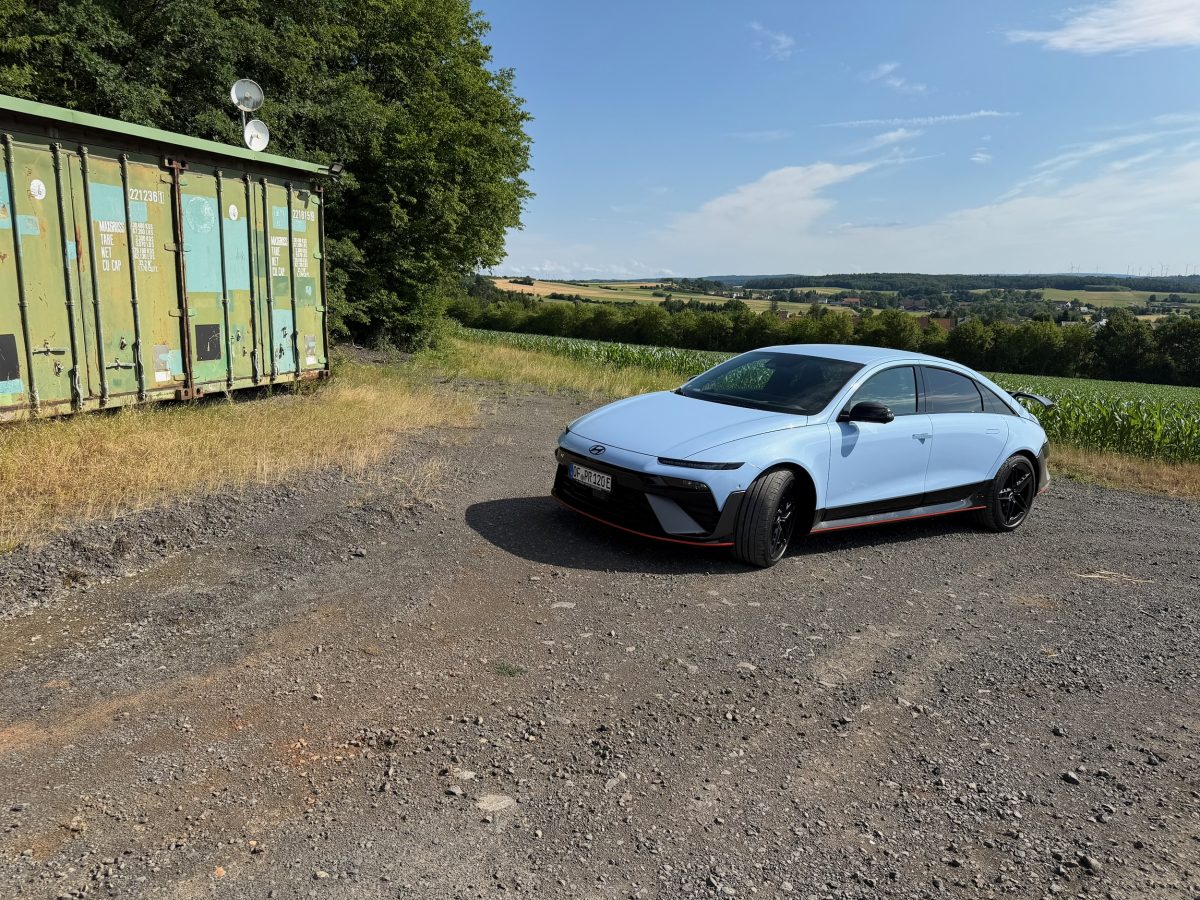
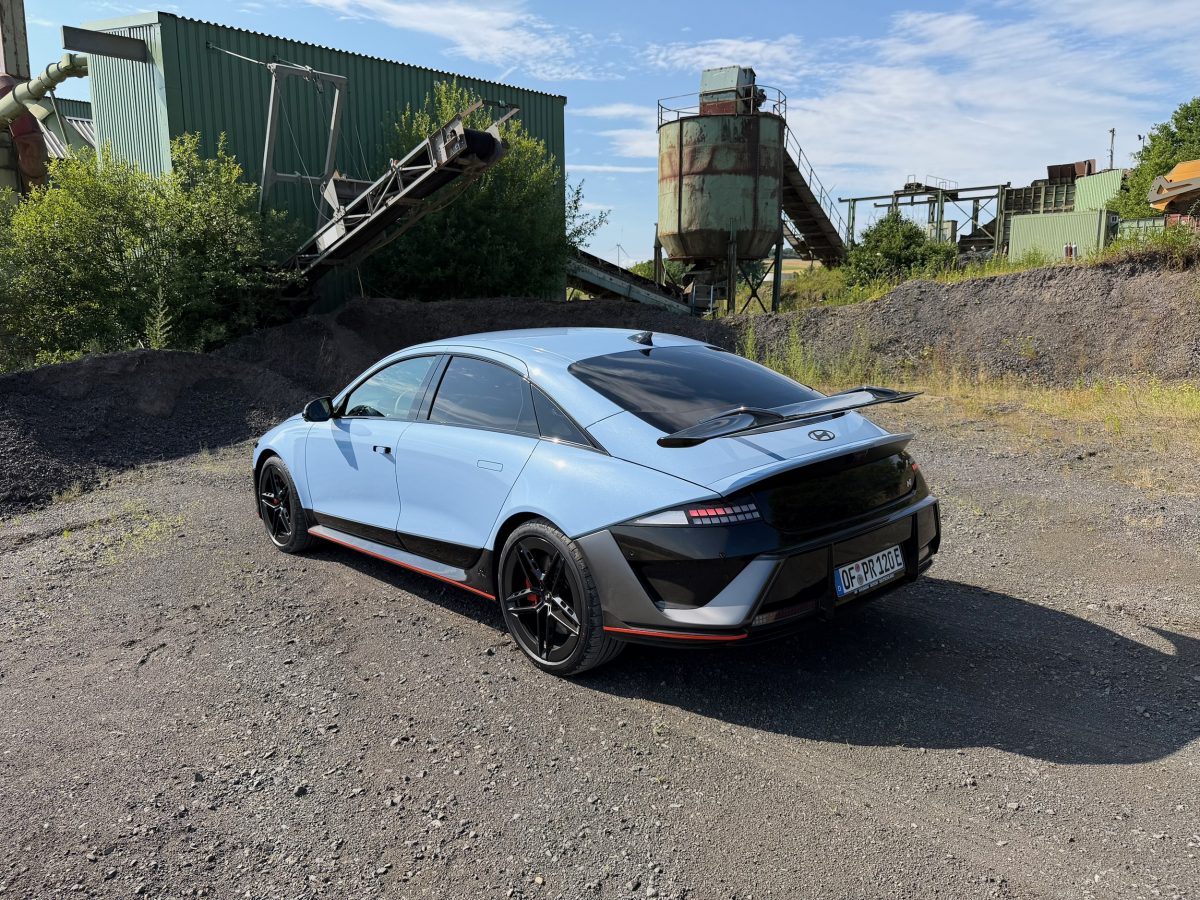
The Ioniq 6’s design still takes some getting used to, even though the N version looks a bit more ‘normal’. A few small spoilers and chunkier tyres simply look better than those economy tyres and the rental-car look – and that applies just as much (or perhaps even more so) to this aerodynamically sophisticated Korean car. However, the 6 will never be considered ‘beautiful’ in the conventional sense; you have to admire Hyundai for sticking with this model so steadfastly, even though the sales figures aren’t exactly spectacular. Even as the 6 N, this electric car is unlikely to sell any more often than a Ferrari 250 GTO.
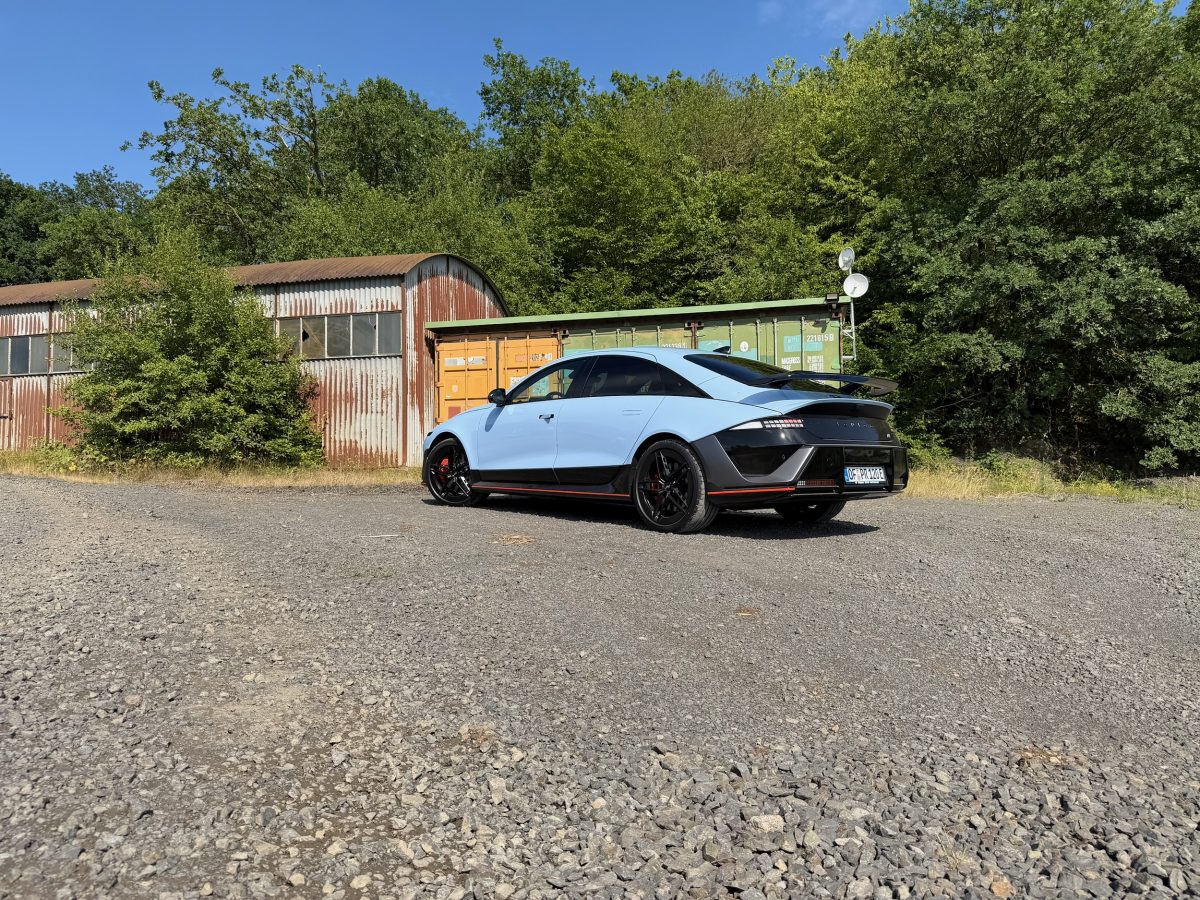
Even the standard 6 Series, as an all-wheel-drive model with its 325 PS, isn’t really underpowered; it sprints from 0 to 100 km/h in around 5 seconds and, thanks to a maximum torque of 605 Nm, boasts magnificent pulling power. In the N version, this is now significantly ramped up; with the (somewhat fiddly to operate) boost, it delivers 650 PS (without boost: 609 PS), maximum torque stands at 740 Nm (with boost: 770 Nm), and it’s said to go from 0 to 100 km/h in 3.2 seconds with Launch Control (we haven’t tried it). The top speed is 257 km/h – that’s a lot for an electric car.
To be honest: it’s actually a lot of fun. Every now and then you press that ‘N’ switch, and the Korean car does some strange things for an electric car. First of all: noise. And it shifts gears. Even though it only has a single-speed transmission. You can adjust the feel of the brakes and steering to your liking; you can choose for yourself how much power goes to the rear – you can effectively configure your own sports car. Well, it’s best to do that before you set off, though, as it’s all a bit confusing and complicated; even the seemingly 654 driving modes on BMW’s genuine ‘M’ models pale in comparison. But ultimately, it’s also an incredible feat of engineering by the Koreans, because it works: the steering is better than on the Taycan, the brakes are absolutely brilliant, and the chassis is superbly balanced. I set it to ‘really aggressive’ mode once for a drive on my local circuit during the #GTEST for German Car of the Year – and was absolutely blown away by just how much mechanical grip the electric car generates (thanks to an electrically controlled rear differential lock), how brilliantly it exits corners, and how effortlessly controllable it remains throughout. You almost get the feeling that certain basic laws of physics don’t apply to this vehicle, which weighs over 2.2 tonnes.
But there are a few «but» to consider. You pay for this extreme performance with very, very high energy consumption; after my drive – which, I must admit, was certainly not a gentle one – the on-board computer showed 37 kWh/100 km. So if you’re driving the N wildly up a hill or at speed along the German motorway, well, you’d better know where the nearest fast charger is, otherwise the fun will be over in a flash despite the mighty 84-kWh battery; at least, thanks to its 800-V architecture, the Hyundai charges really quickly – up to 350 kW is reportedly possible. Another ‘but’ is the rather fiddly operation of all these driving modes; it takes time to get to grips with them – and it would be cool if there were something like ‘Nürburgring’ or ‘Alpine passes’ or ‘annoying Porsche drivers on the motorway’. And yes, some things do feel rather clinical; the engine sound verges on the ridiculous, as do the ‘misfires’ when downshifting. And the drift mode isn’t really a drift mode at all; although up to 90 per cent of the power goes to the rear wheels, you just slam your foot down on the accelerator – the electronics take care of the rest. It has absolutely nothing to do with ‘skill’ or even control of the vehicle.
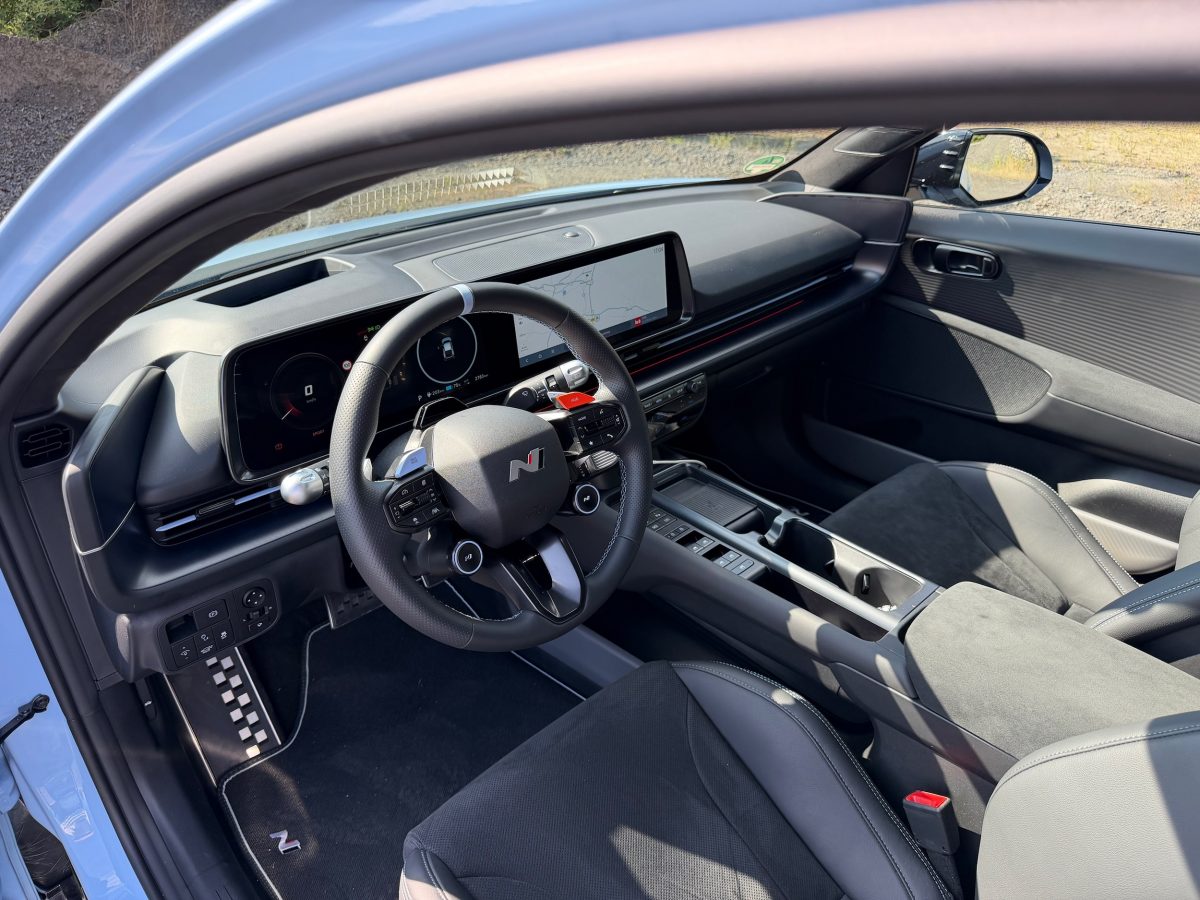
Inside, the N is beautifully finished – and I don’t mean ‘virtually’. We had the sportiest version at our disposal; the seats are set wonderfully low, the seating position is spot on, and the lateral support is excellent too. We like the design of the Ioniq 6’s interior anyway, but it’s been spruced up a bit all round; apart from all the sporty features, the controls are straightforward – and the space on offer is excellent, remaining generous even in the second row. Unfortunately – and this needs to be said – the Ioniq 6, at 4.94 metres long and, crucially, 1.94 metres wide even without the wing mirrors, is a bit too bulky anyway; it’s not particularly easy to manoeuvre, and it’s a real hindrance, especially in tight car parks. And the boot capacity of 371 litres has to be described as truly meagre for such a hulk.


Be that as it may: you won’t find this much performance and technical sophistication at this price anywhere else (except for the 5 N); the price starting at 74,900 Swiss francs is a bargain compared to a base-spec Taycan, which isn’t better in any respect. And yet it’s still a lot of money; it’s still a Hyundai. The ‘PlayStation’ generation, who really want to play around with all these possibilities time and time again, probably can’t afford it – they’re more likely to be dreaming of a second-hand i20. And then there’s this philosophical problem: if Hyundai had channelled all the design effort and brainpower of its engineers – which has gone into this N – into developing a truly lightweight, economical and affordable electric car, the electric car world would probably be better off than it is with this electric behemoth.


