
Until the doctor arrives
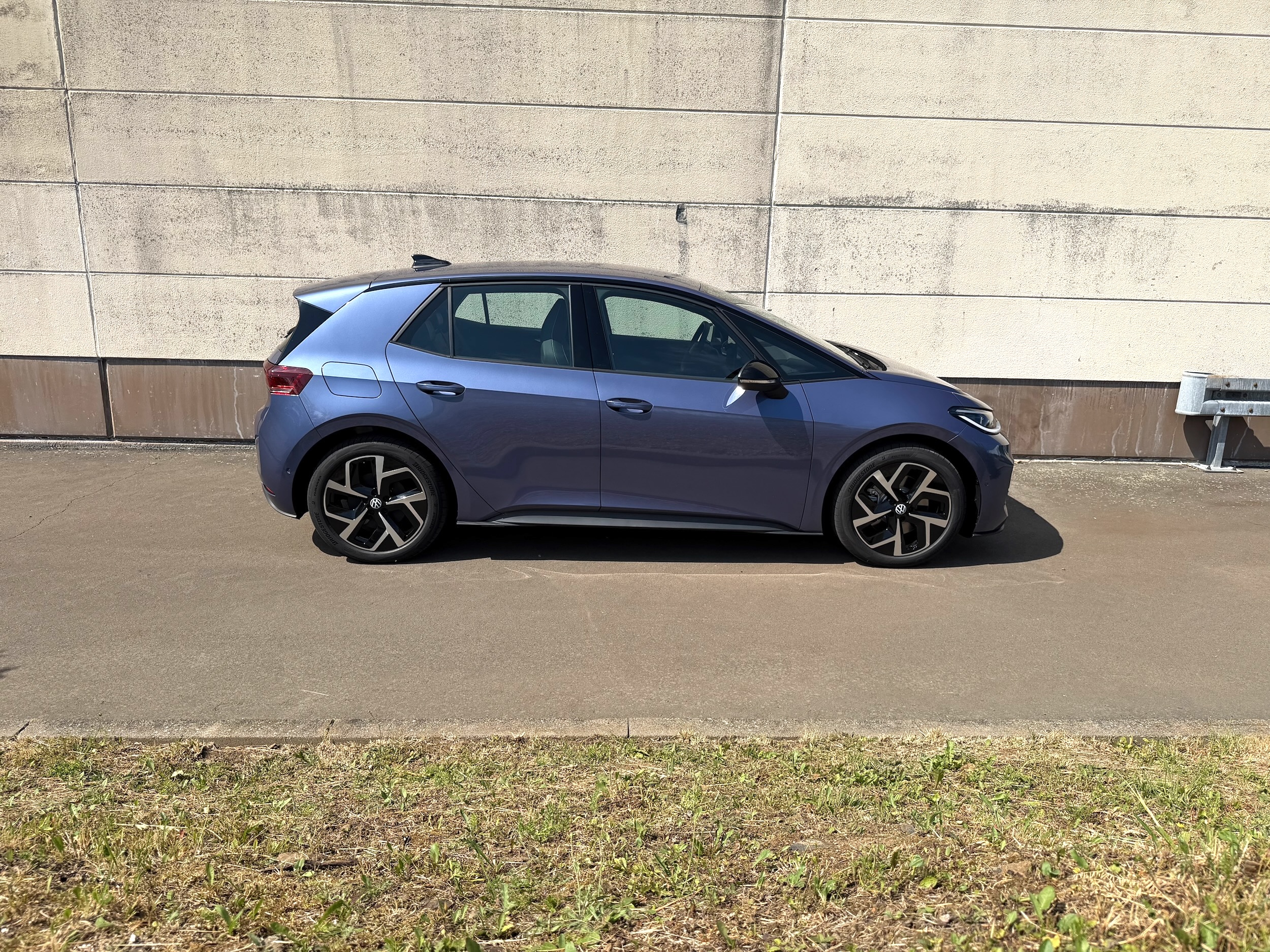
Yes, radical tore the ID.3 to shreds back then. We weren’t alone in that either; Volkswagen soon had to admit itself that not everything had been a resounding success; the then CEO, Herbert ‘EBIT makes you free’ Diess, was subsequently allowed to move on to new challenges. But: here and now, I find the ID.3 has aged remarkably well, at least visually. When it was launched in late 2020, the leap forward was probably still too big, but these days you no longer have to turn away in horror – it’s actually quite alright (much like the BMW i3). As second-hand cars, these early ID.3s are pleasingly affordable; whilst the technology was already outdated back then, it seems reliable, so it’s certainly worth considering. Especially as there have been plenty of updates and other improvements over the years.
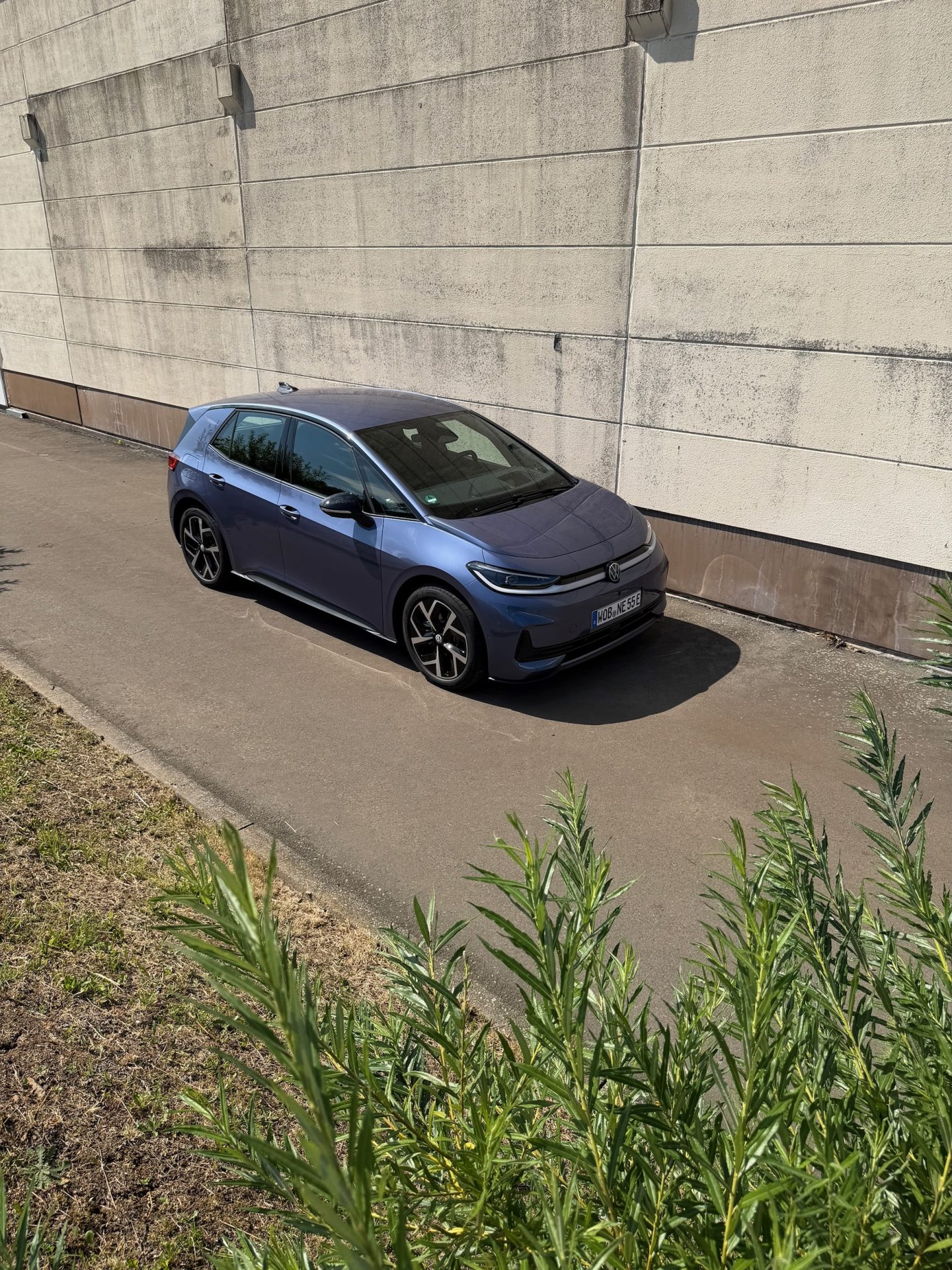
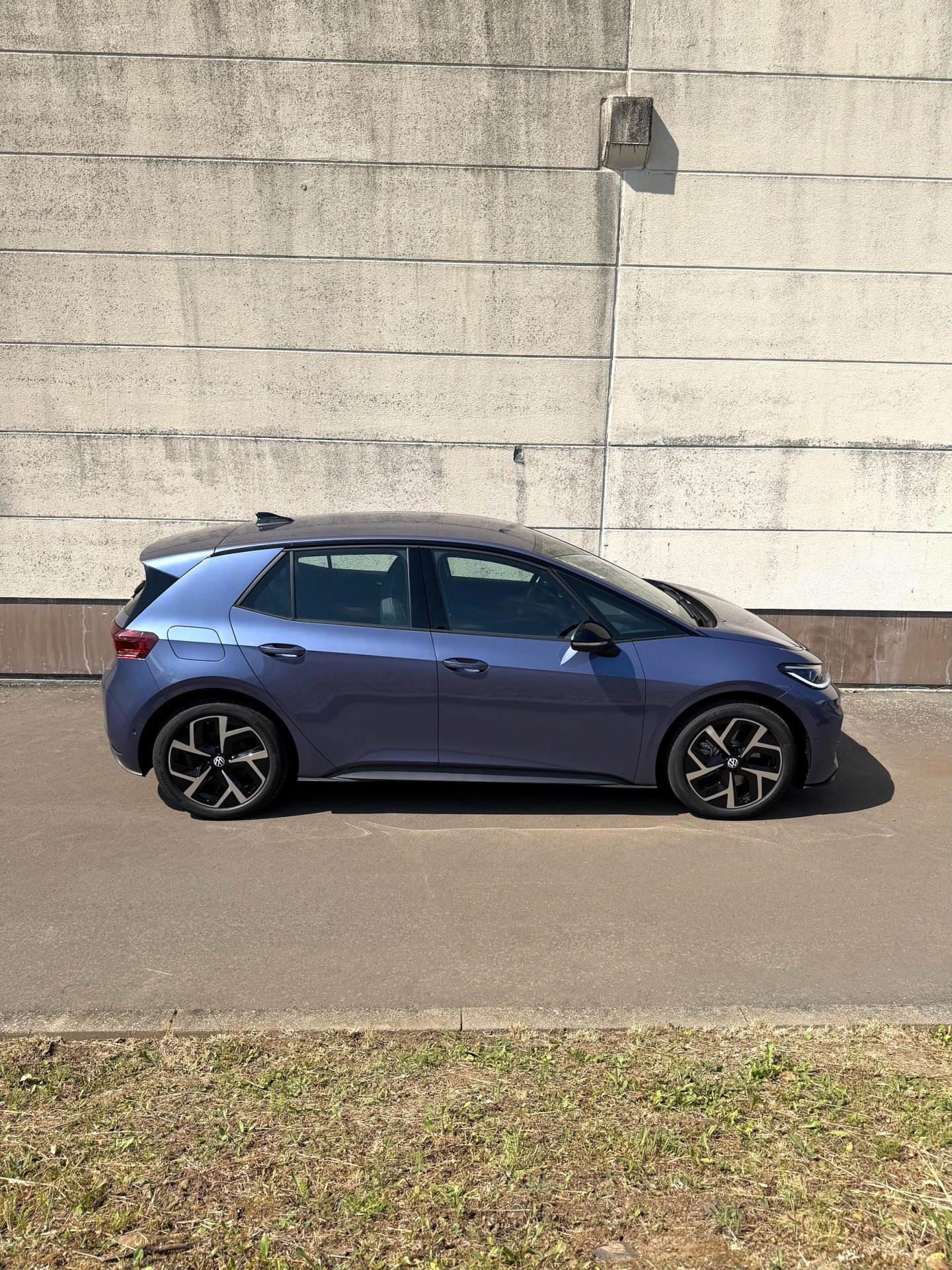

But this isn’t about the old model; it’s about: Neo. Just to be clear: it’s still the same car on the same platform, the MEB. Volkswagen will stick with this for a while yet – the new SSP (Scalable Systems Platform) isn’t expected before 2028 (provided Rivian actually delivers anything by then) – so certain problem areas can’t be addressed. However, VW has put a lot of effort into it, making changes to the hardware as well; the electrical system has been significantly improved, with more efficient electric motors, and there are also new, more efficient batteries – a range of up to 630 kilometres is now said to be possible, according to the WLTP. I can’t draw any comparisons just yet; for this test drive, I simply took it for a gentle spin, and the 17.5 kWh/100 km displayed by the on-board computer struck me as reasonable given the driving performance I requested and subsequently experienced. However, the MEB platform will not go down in history as being particularly economical. The maximum charging speed of 183 kW for the largest battery (79 kWh, NMC) isn’t the best, but it’s decent.
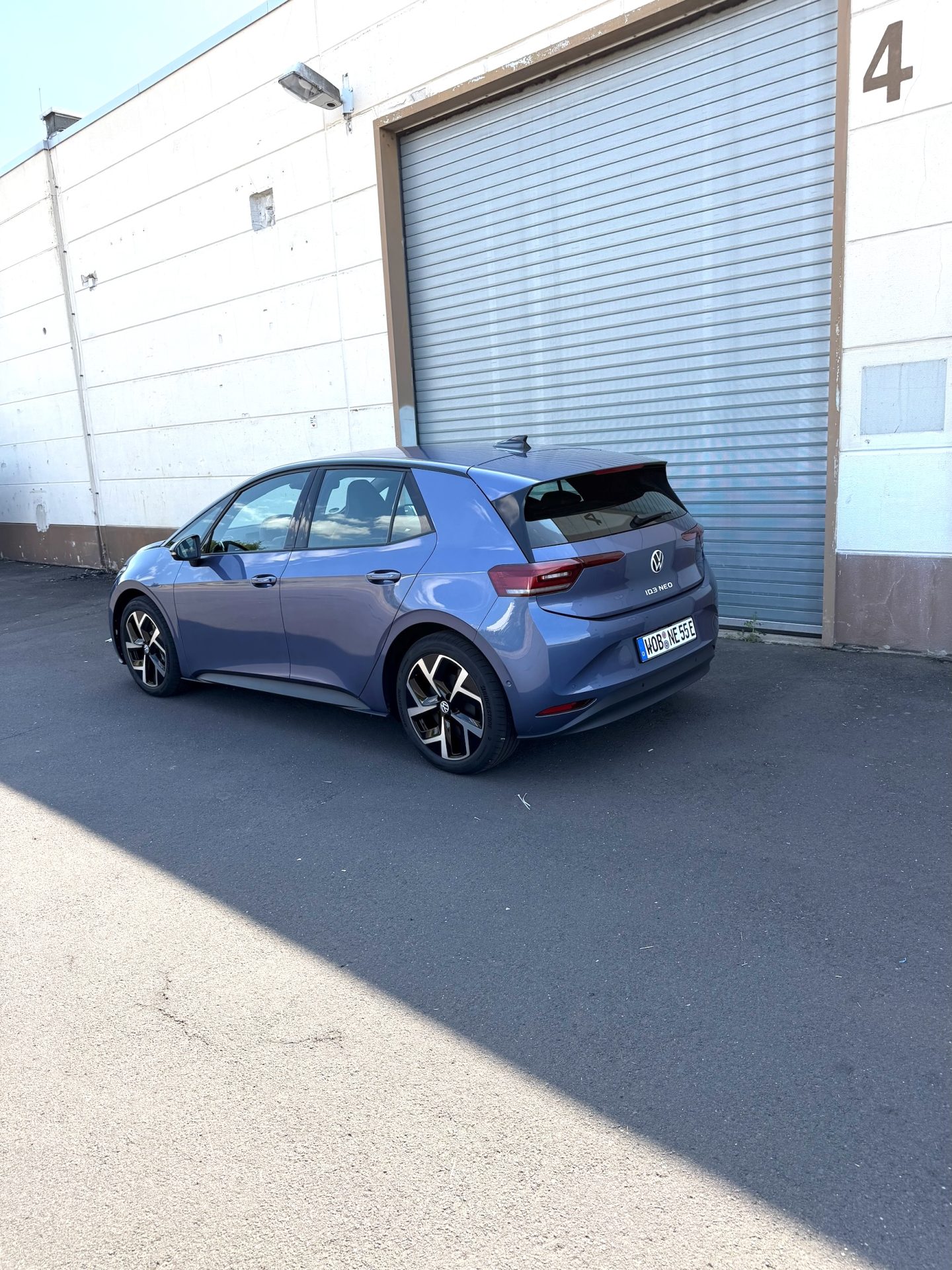
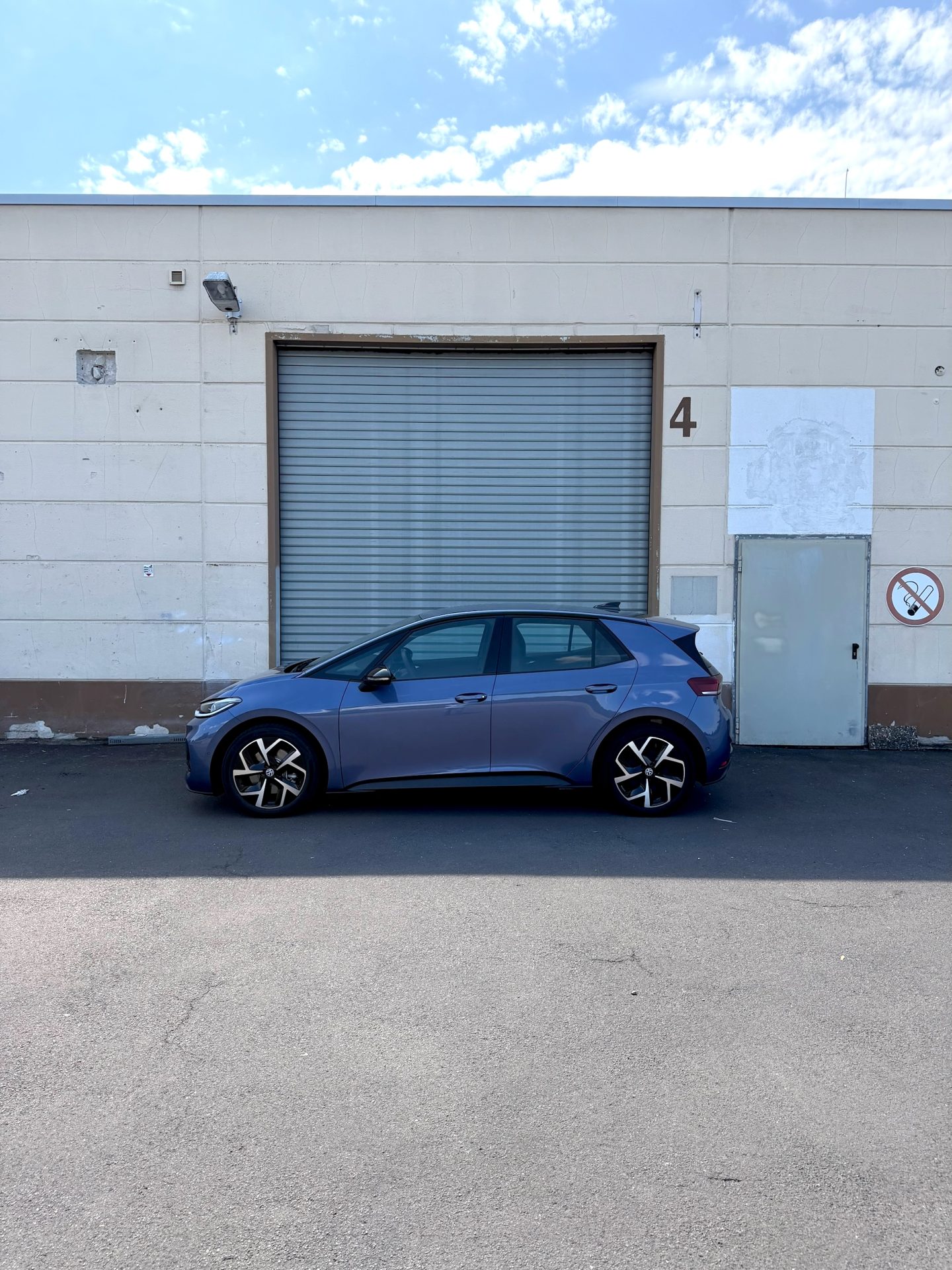
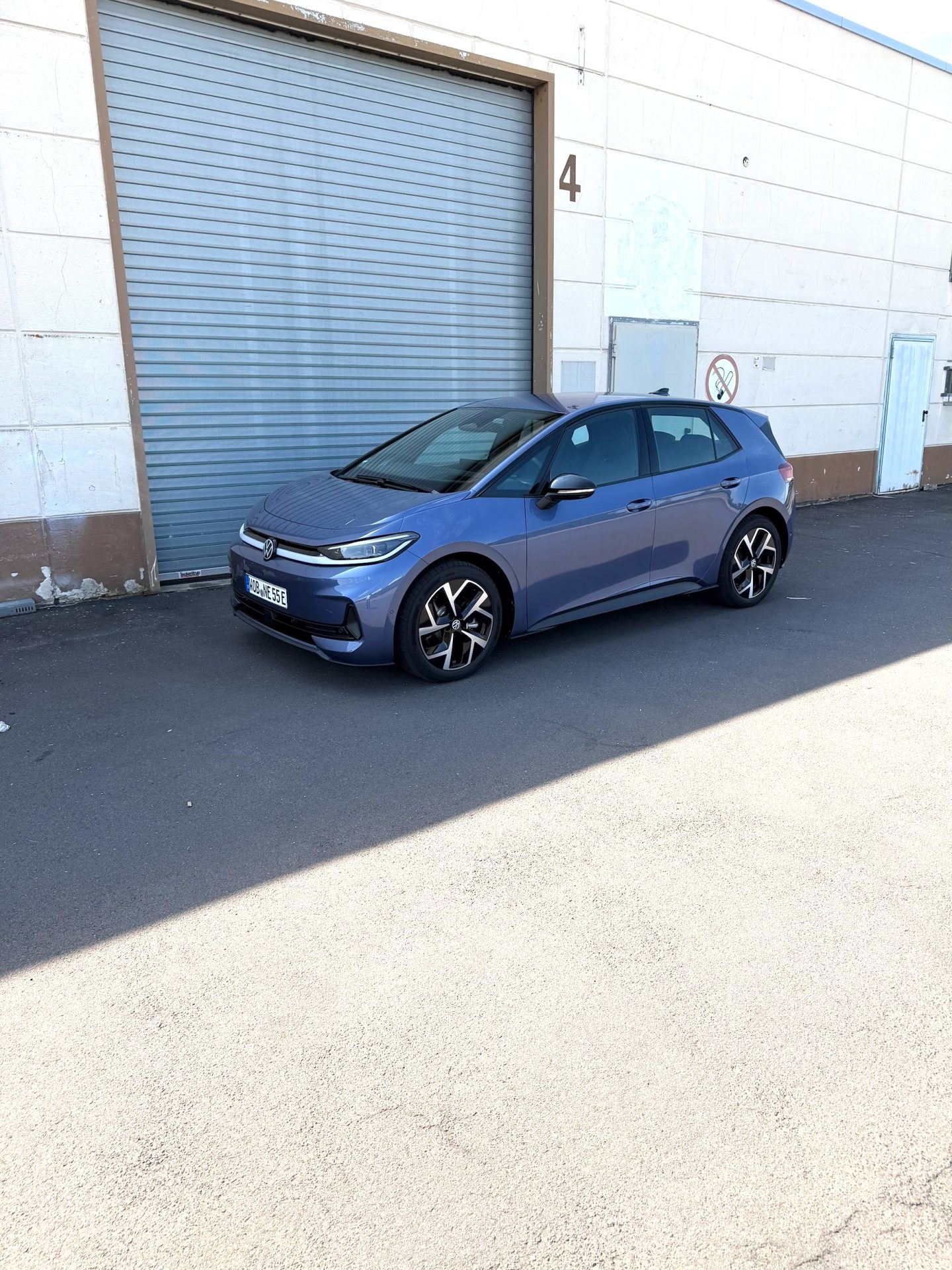
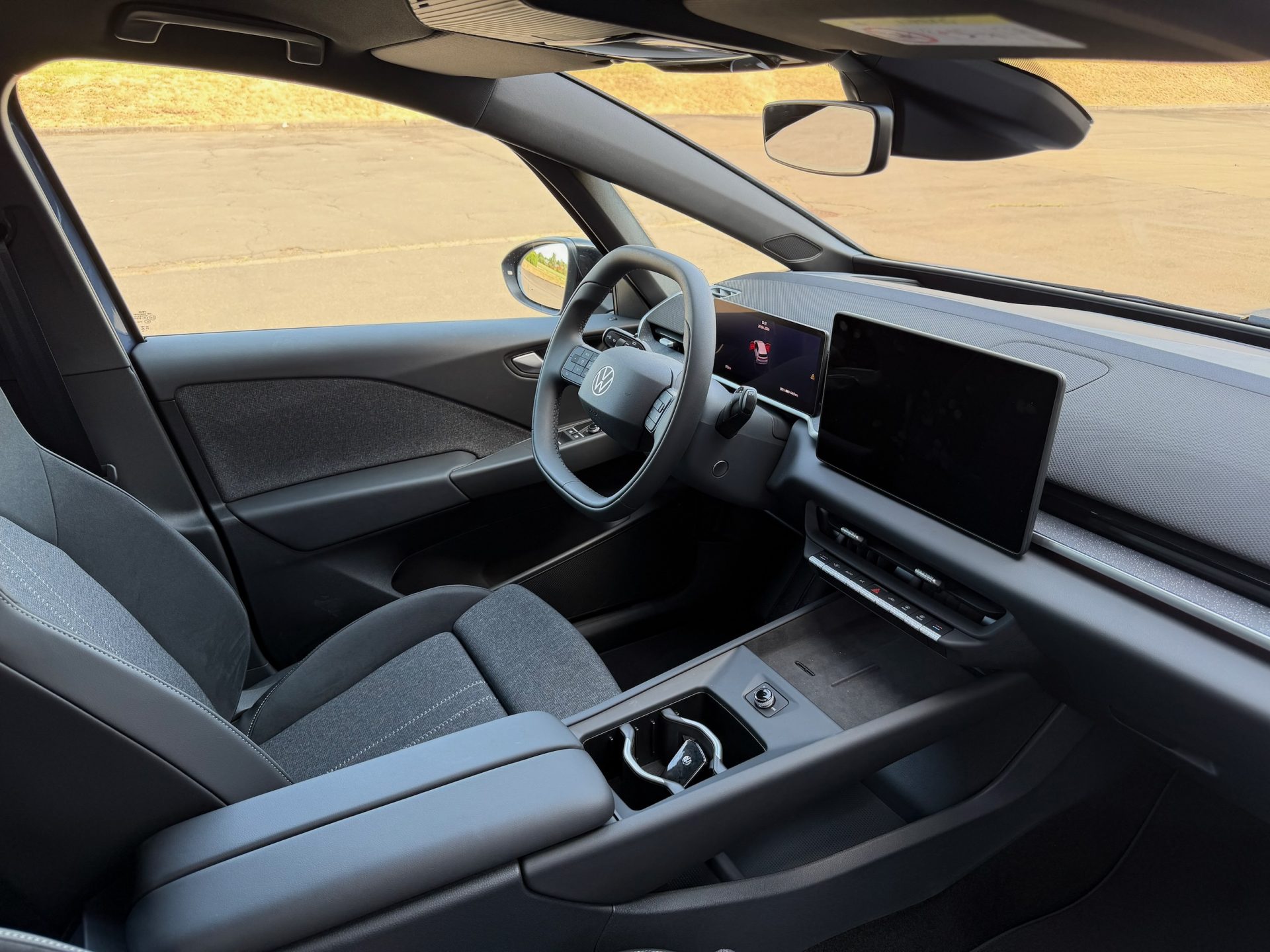
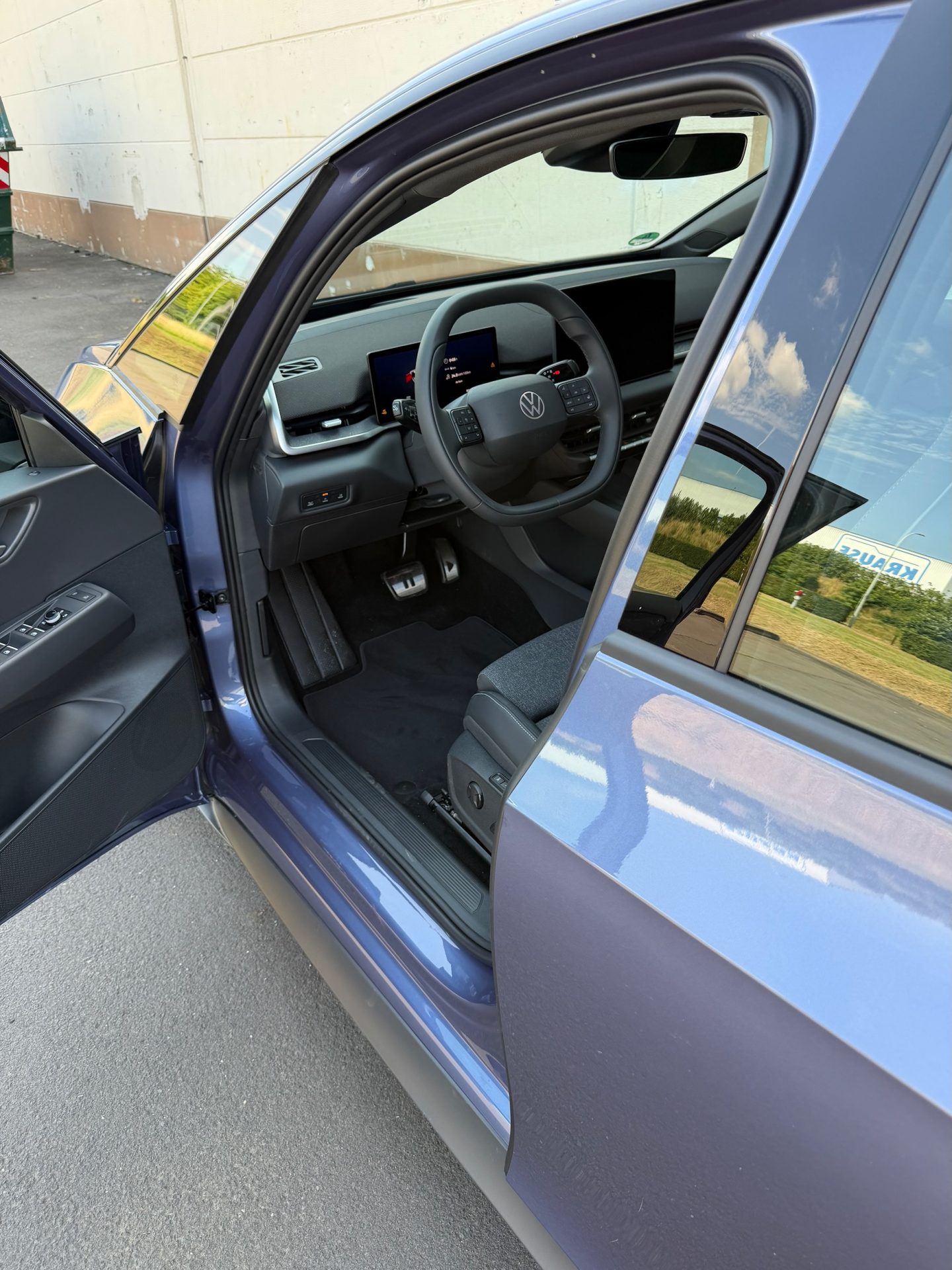
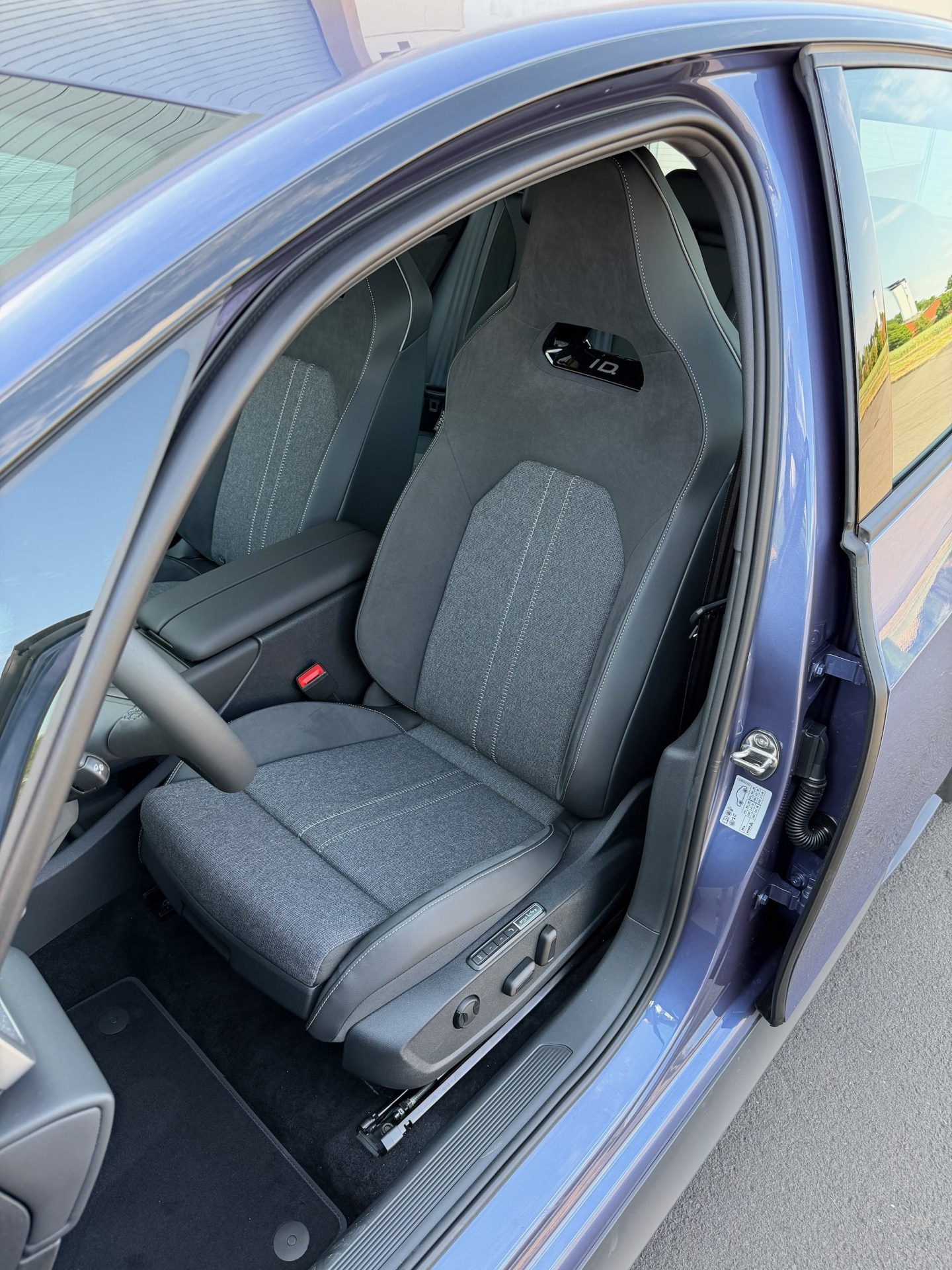
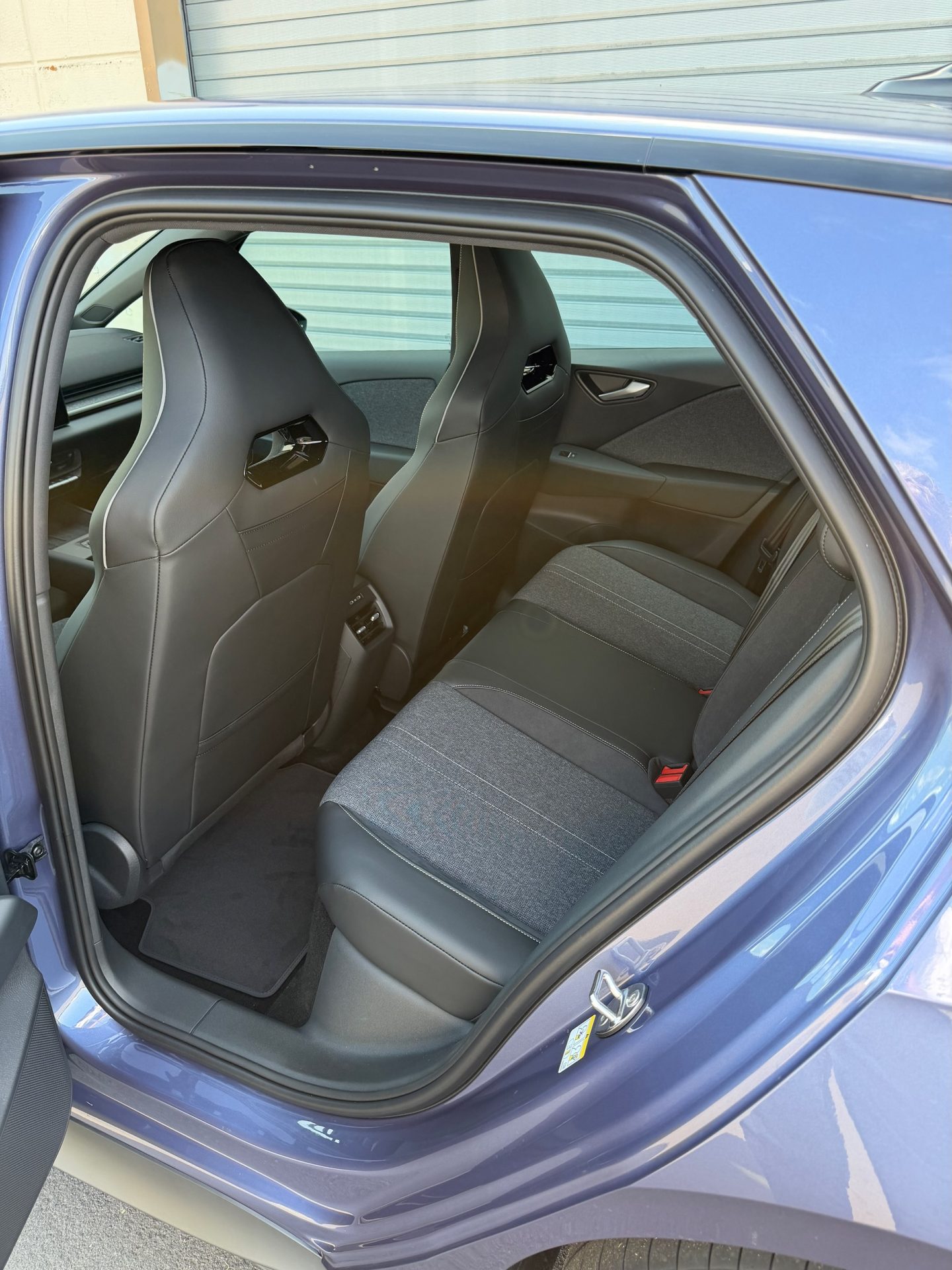
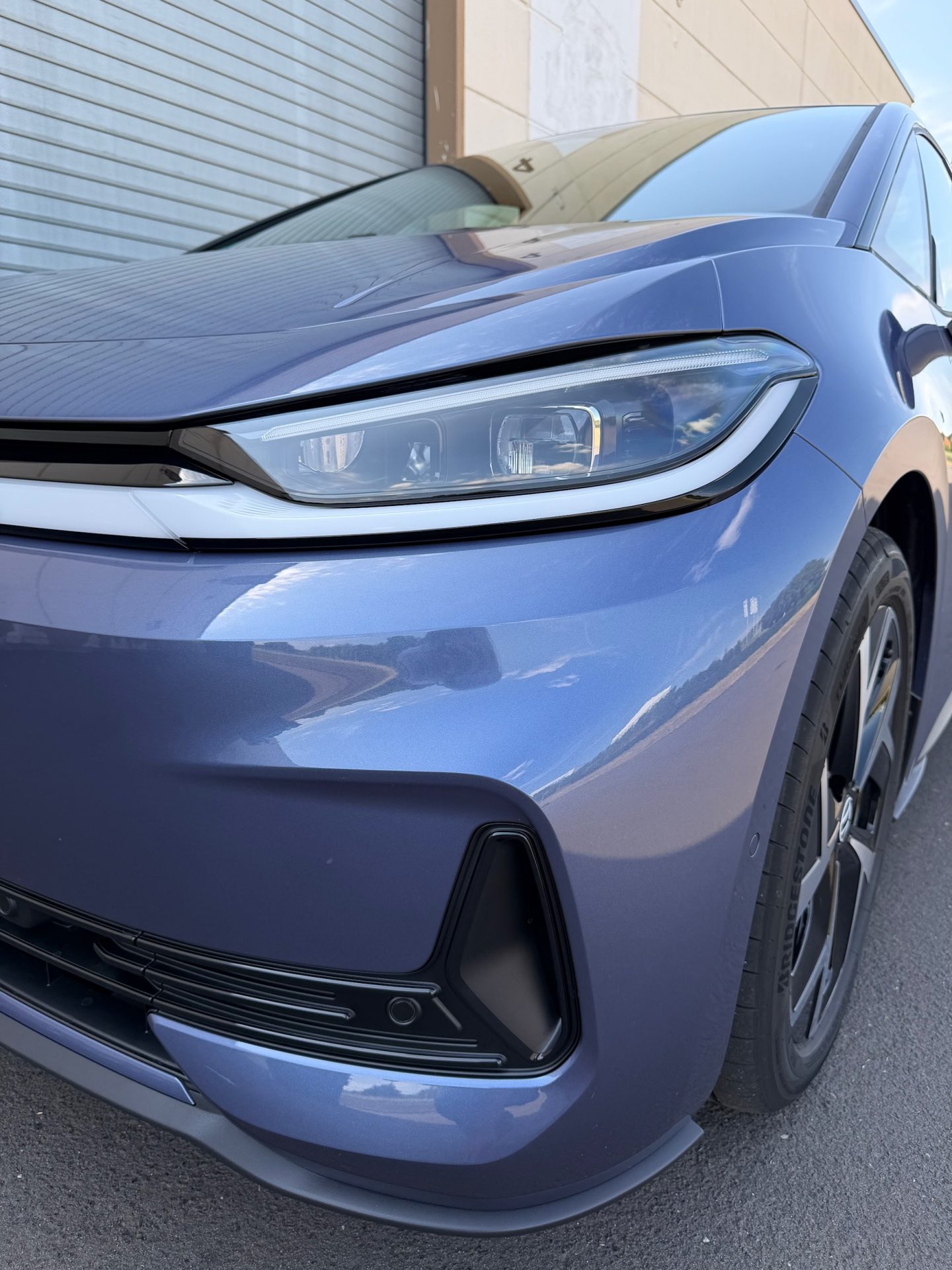
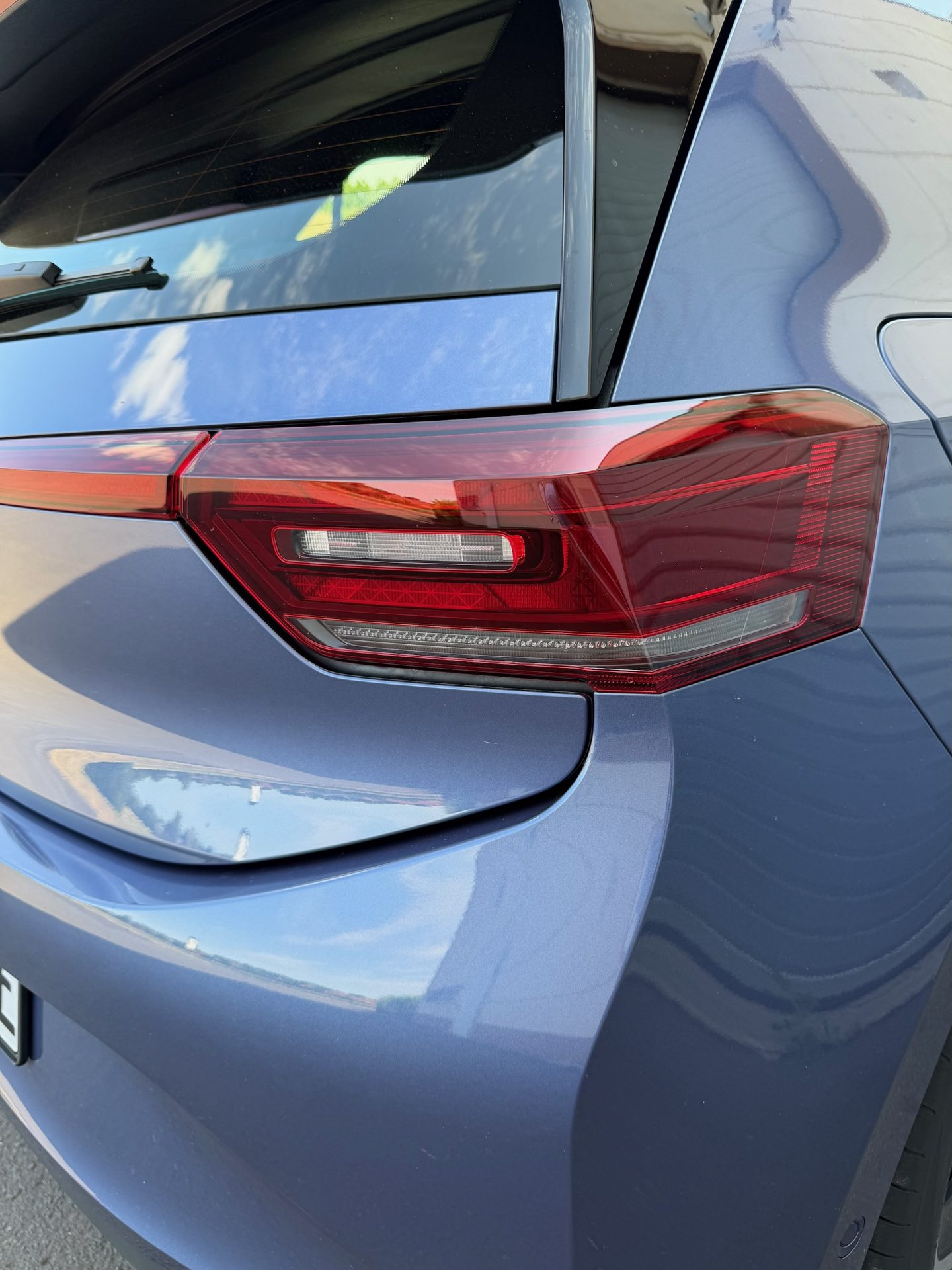
The changes to the bodywork are subtle but effective. The new front end looks less clunky, but unfortunately now features that continuous light strip – complete with an illuminated logo – which seems to be indispensable within the Volkswagen Group. On a more positive note, the roof and rear can now be painted in the same colour as the rest of the vehicle. The interior is much, much better: higher-quality materials, hardly any piano-black finish left, the display behind the steering wheel is larger and actually legible (best of all: in a retro look) – and there are physical buttons again. Buttons that you can recognise even in the dark. Or you can let yourself be bathed in light by one of the 30 possible ambient lighting settings. The control system has, first and foremost, been stabilised; it should work properly now. It wasn’t lacking in simple logic before, but that’s no use on a black screen. What pleased me most, however – no, not all the new driver-assistance systems, no, certainly not semi-autonomous driving – but rather: the build quality. It feels good and solid again – just as it ought to in a Volkswagen.
And that’s exactly how the Neo drives. You won’t be setting any Nordschleife records (though it can accelerate from 0 to 100 in just over 7 seconds), but you won’t be crawling along behind a tractor either. The steering isn’t just a bit mushy around the centre position; it also understeers relatively early through the front wheels, but this electric car, weighing in at almost two tonnes, has no reason to be ashamed of that. It brakes well, even without assistance thanks to the new one-pedal driving system – and, above all, it’s pleasantly comfortable. And that’s surely what you want in such a quiet vehicle. There’s plenty of space, the seating is comfortable, and overall, the Neo has definitely improved significantly.

In Switzerland, prices start at 34,800 Swiss francs for the smallest battery (50 kWh, 170 PS). With the large battery and 231 PS, the price rises to from 44,400 Swiss francs – and that puts it on a par with Tesla. In terms of price, that is; technically, not quite. Even as the ‘Neo’, however, the ID.3 is unlikely to become the new Golf for the Wolfsburg-based manufacturer (that’s more likely to be the ID.Polo’s role), but it’s good to know that Volkswagen isn’t simply standing idly by.
