Electrification, Off the Peg
Every wardrobe needs one thing that isn’t bespoke. The Ioniq family has, until now, been rather good at made-to-measure: sharp design, clever engineering, prices to match. The Ioniq 3 is the first thing off the peg, and the fit turns out to matter more than the label.
A Family That Needed a Cheaper Door
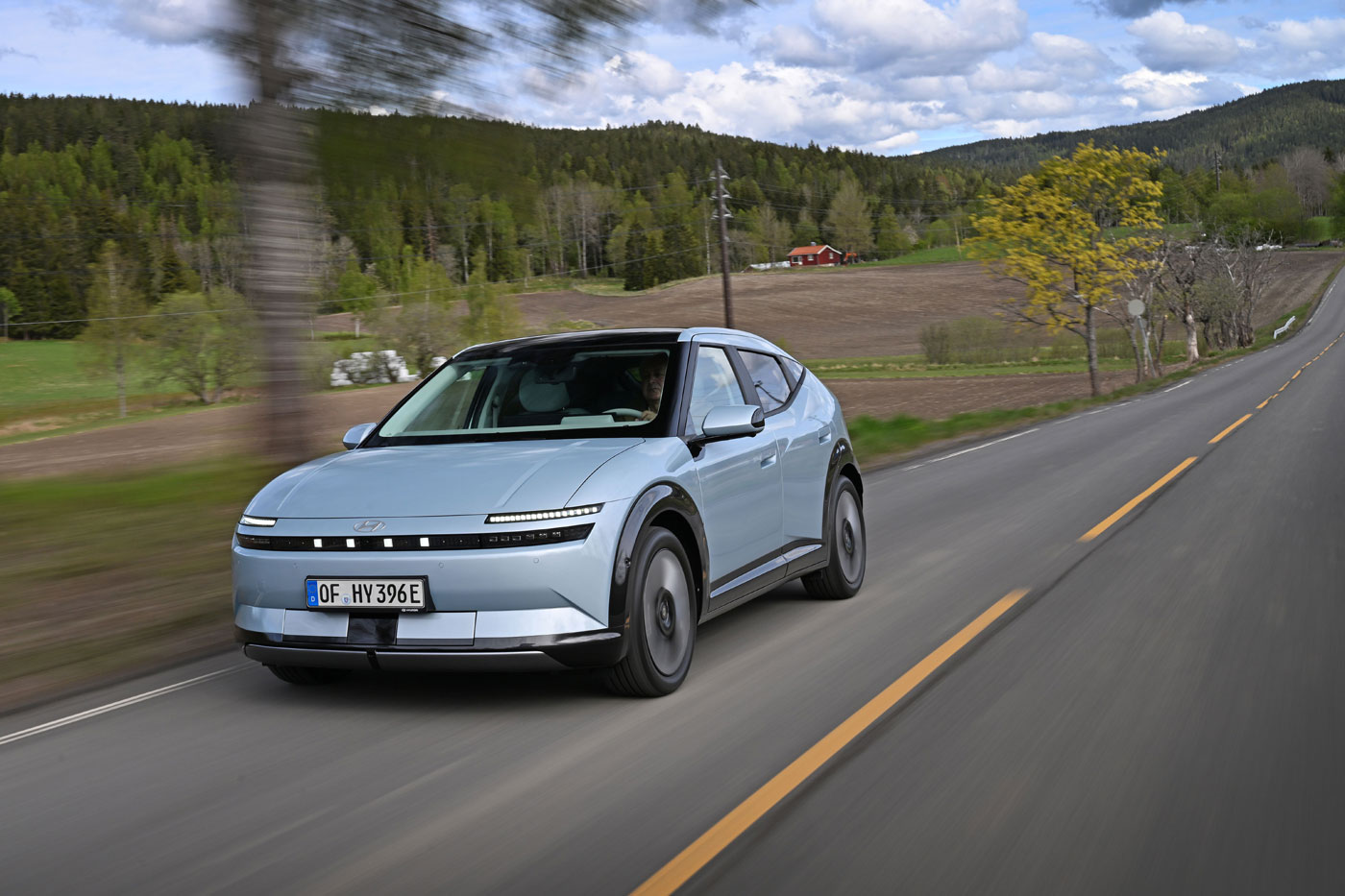
Hyundai has opened its Ioniq range at €28,950, which is where the Ioniq 3 starts life as an “Aero Hatchback” aimed, in the company’s own words, at a broader slice of buyers than its siblings ever bothered with.
Andreas Zürnstein, the German boss of Hyundai’s local arm, calls it the next phase of an electrification strategy. He promises the family’s technology and design “in a segment reachable for many people.” That is the sort of sentence a press office writes with a straight face. It also happens to be, broadly, true, which is the more interesting story.
Aero Over Attitude
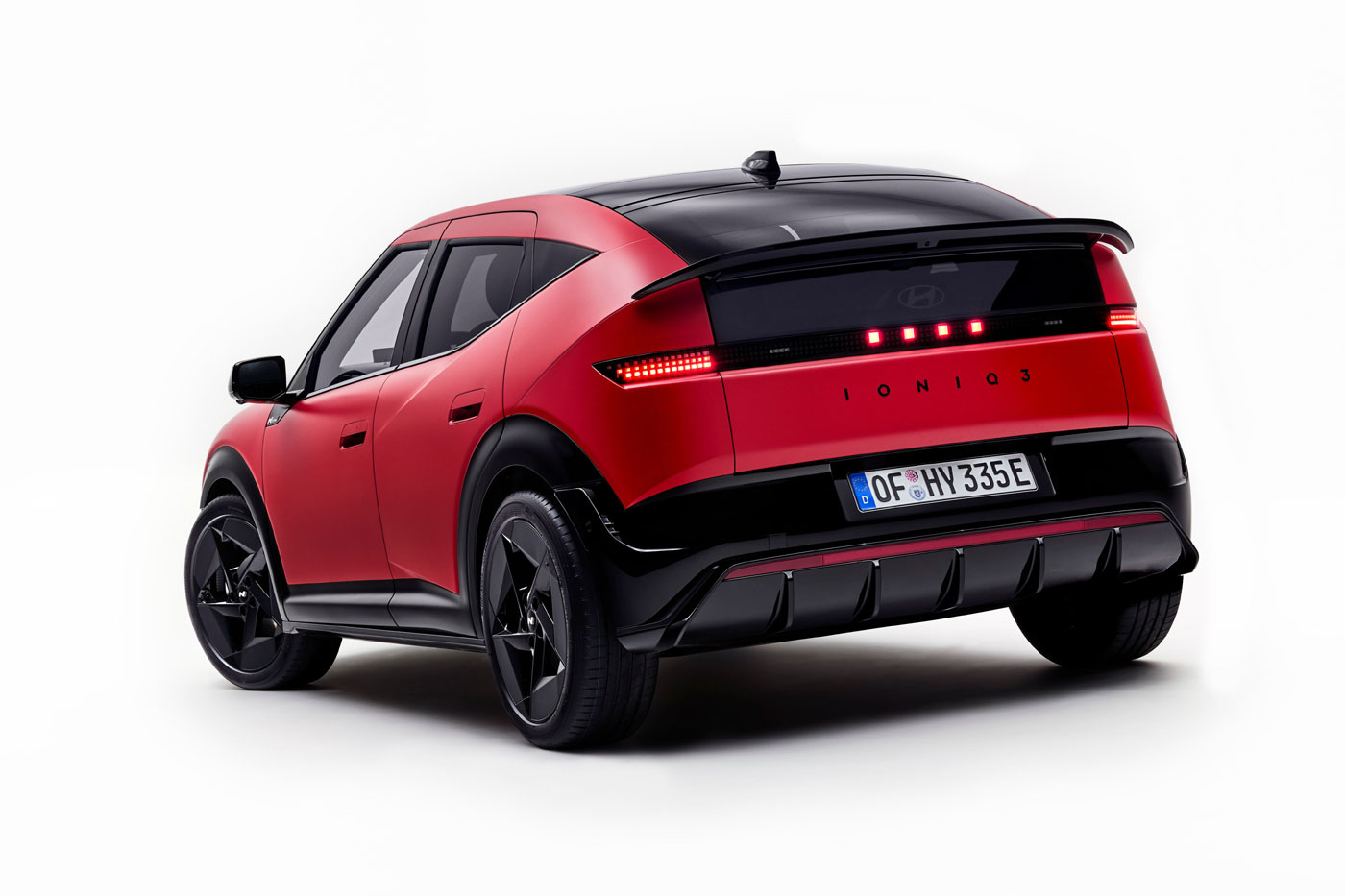
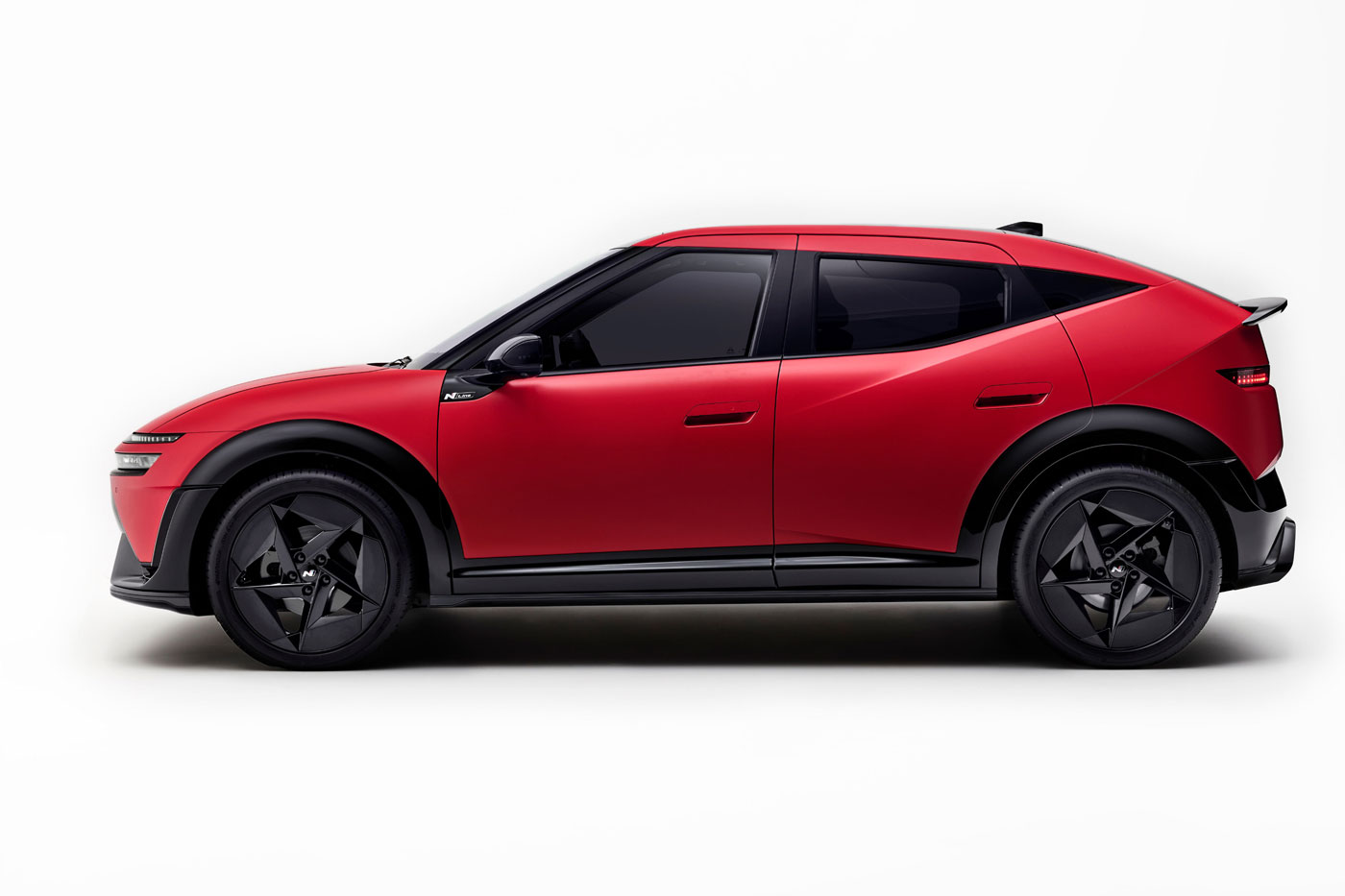
The Ioniq 3 is built on Hyundai’s E-GMP electric platform. Its “Aero Hatch” body shape trades some of the family’s usual visual drama for a drag coefficient of 0.263. A genuinely low number for anything wearing the “Art of Steel” design language.

The pixel light signature survives the downgrade, as do eight paint colours and the choice of sportier N Line and N Line Evo trims for anyone who finds affordability faintly embarrassing. Nothing here looks cut-price. It just looks, sensibly, less indulgent than a Ioniq 5 pretending to be a spaceship.
Two Batteries, One Odd Trade-Off
Buyers choose between a 42 kWh battery, good for up to 344 kilometres of WLTP range, and a 61 kWh version stretching to a claimed 497 kilometres. The smaller battery drives a 108 kW or 147 PS motor; the larger one, oddly, manages only 99 kW or 135 PS. Pay more, get further, arrive slightly slower.
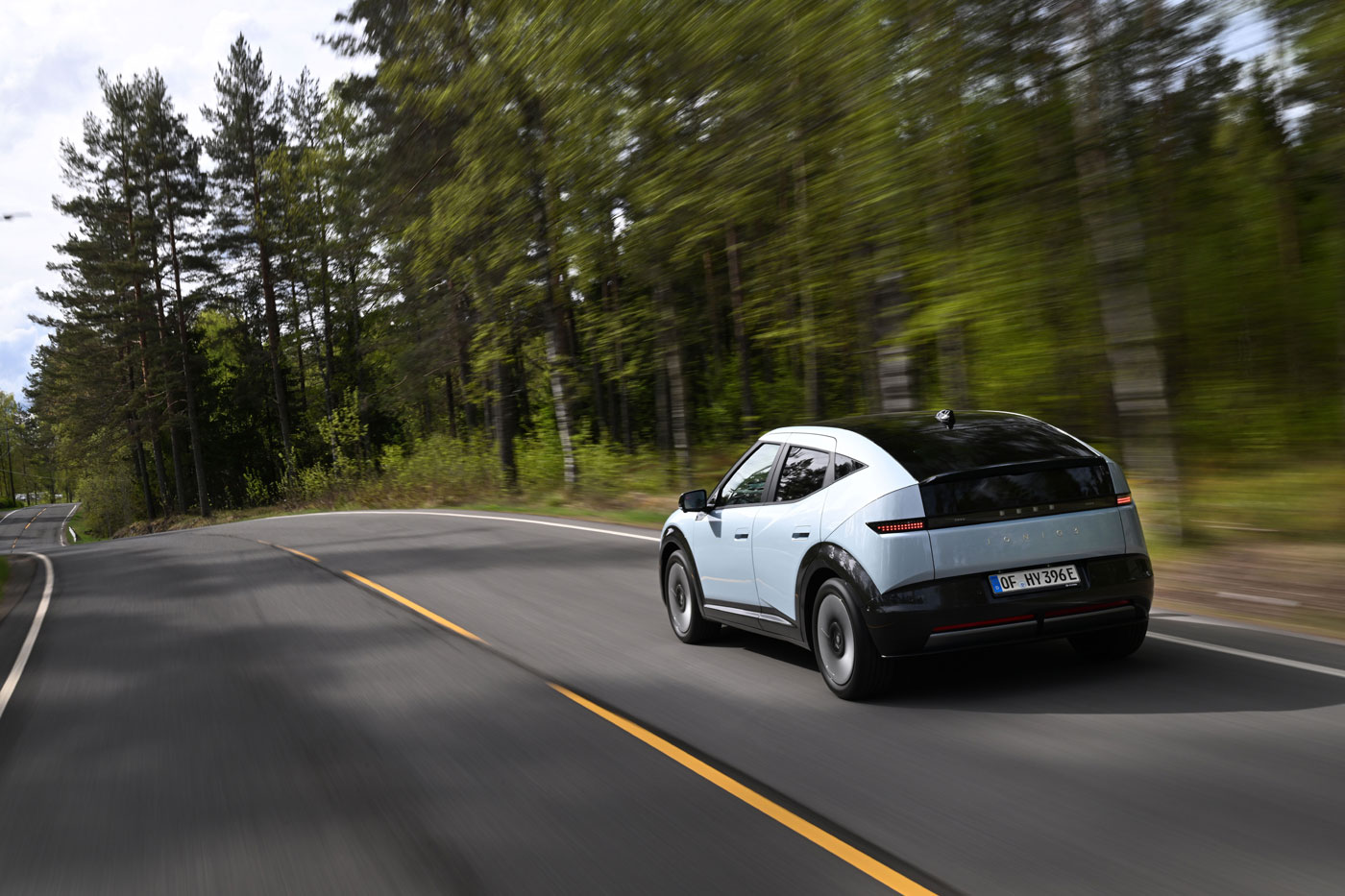
It is not the trade-off you would design on a whiteboard, but it is an honest one, and range clearly won the argument inside Hyundai’s product-planning meetings. DC charging tops out at 119 kW, enough for a 10-to-80-percent top-up in around 29 minutes under ideal conditions, and a 22 kW onboard AC charger is now optionally available for the first time, bundled with a technology package at €1,650.
Practical Enough, If You Can Read a Price List
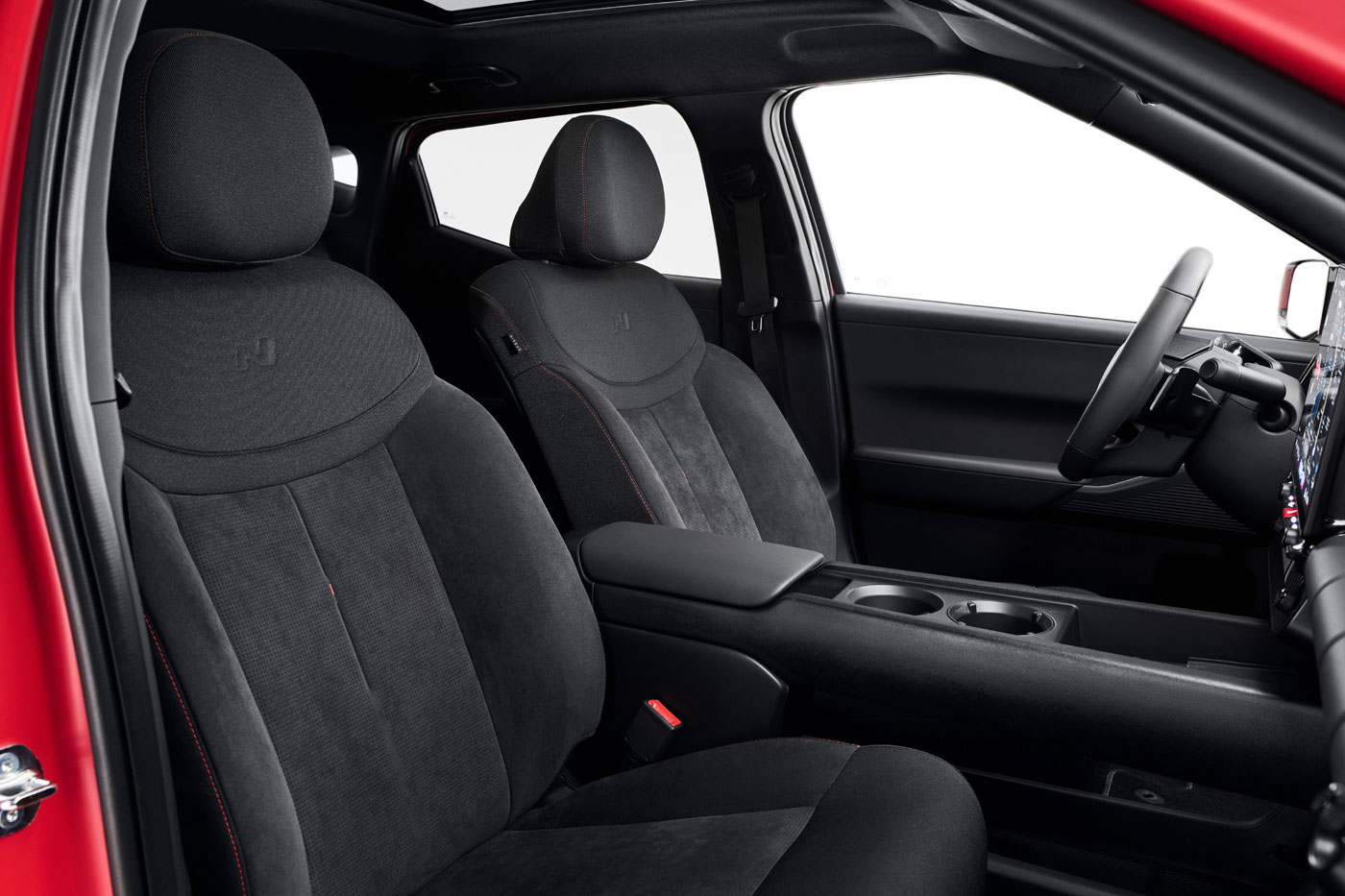
Inside, a long wheelbase and flat floor give the Ioniq 3 room for five and a boot holding 441 litres, including underfloor storage that rewards owners who actually pack sensibly. It is also the first European Hyundai running Pleos Connect, an Android Automotive-based infotainment system promising, as these systems always do, intuitive access to everything.
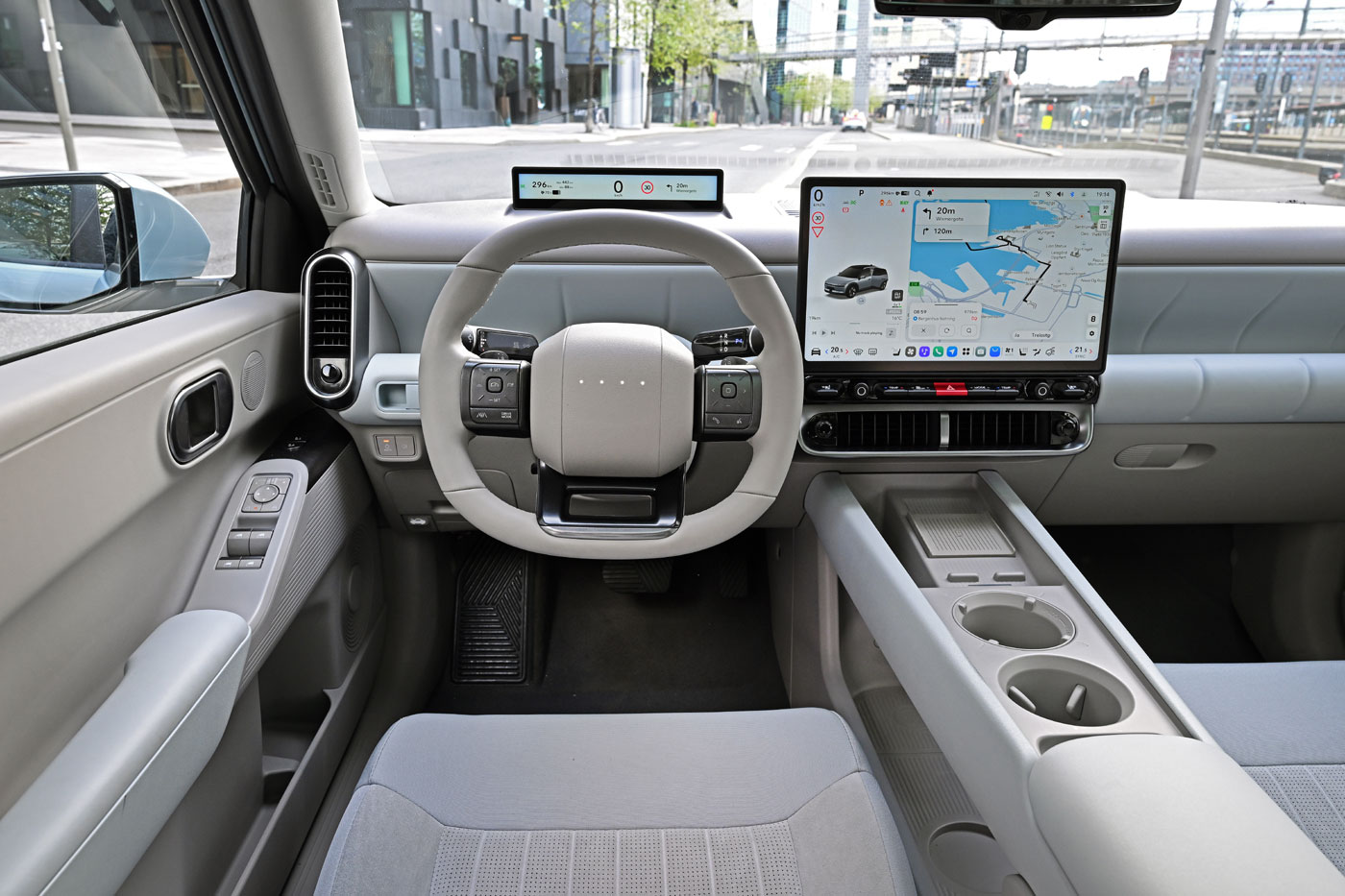
Where the Ioniq 3 gets genuinely confusing is the options list: five trim levels, from Select through Trend and Prime to the two N Line variants, each with its own menu of packages running from €500 to €1,650. Hyundai has built an affordable car and then handed buyers a spreadsheet. Working out which combination actually suits you takes more patience than the €28,950 headline number suggests.
Verdict: Off the Peg, Not Bespoke
Strengths first: a genuinely low entry price, a low-drag body that does not look apologetic about it, sensible interior space, and a battery-and-charging package that is properly competitive for the money. The weaknesses sit mostly in the paperwork: a trim-and-options structure dense enough to need its own spreadsheet, and a smaller motor attached to the bigger, pricier battery, which will annoy anyone who assumed more money simply meant more of everything. Off the peg was never going to fit as precisely as bespoke. For the price Hyundai is asking, most buyers will find it fits well enough.