
Against one’s better judgement
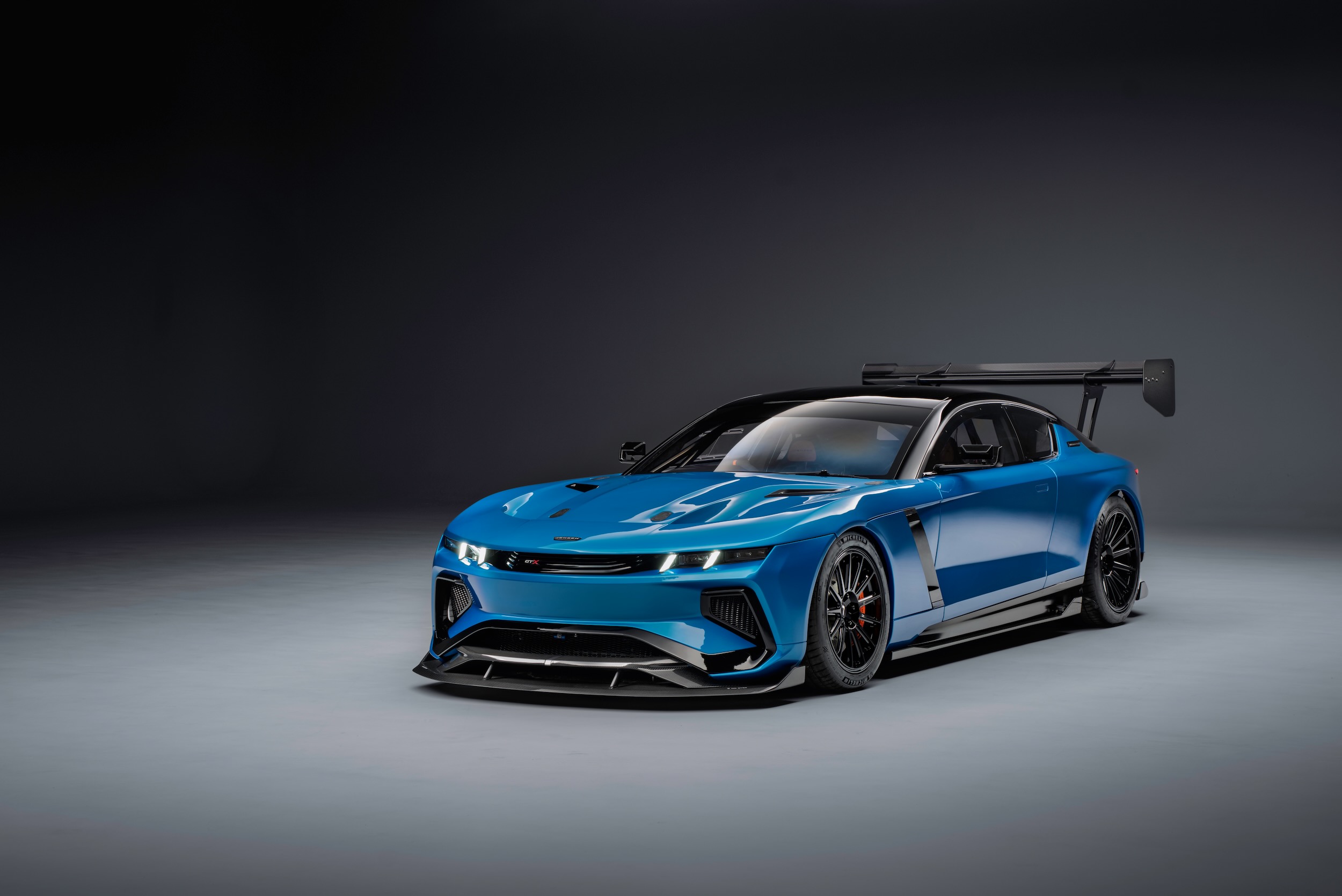
Oh, Jensen. In the late 1920s, brothers Richard and Alan Jensen had converted their first Austin 7. In 1936, they bought the coachbuilder W.J. Smiths & Sons, renamed it Jensen Motors, and became one of the leading manufacturers of small-batch and bespoke cars in the British Isles; they even had the honour of building a car for Clark Gable. However, production of their own vehicles only really got going in 1950 with the first Interceptor; this was followed in 1954 by the 541 with a plastic body, and then in 1962 by the CV-8, which was the first to be fitted with a powerful Chrysler engine. The real highlight was the Interceptor designed by Touring, launched in 1966, again with a Chrysler engine; a technological sensation was the FF, unveiled at the same time – the first mass-produced vehicle with four-wheel drive and, to boot, ABS. In 1970, the Norwegian-American dealer Kjell Qvale joined Jensen; with him came the Jensen-Healey, which was actually a decent car but suffered from massive quality issues. The first application for insolvency was filed in 1975, though business continued sporadically; the company was then wound up in 1993. Jensen re-emerged once more between 1998 and 2005, again in 2007, and yet again in 2010 – and since 2015, the rights have been held by the new Jensen Motor Group and Jensen International Automotive. The latter had made a name for itself in recent years with a ‘restomod’ Interceptor – and is now trying its hand at a completely new Interceptor GTX.

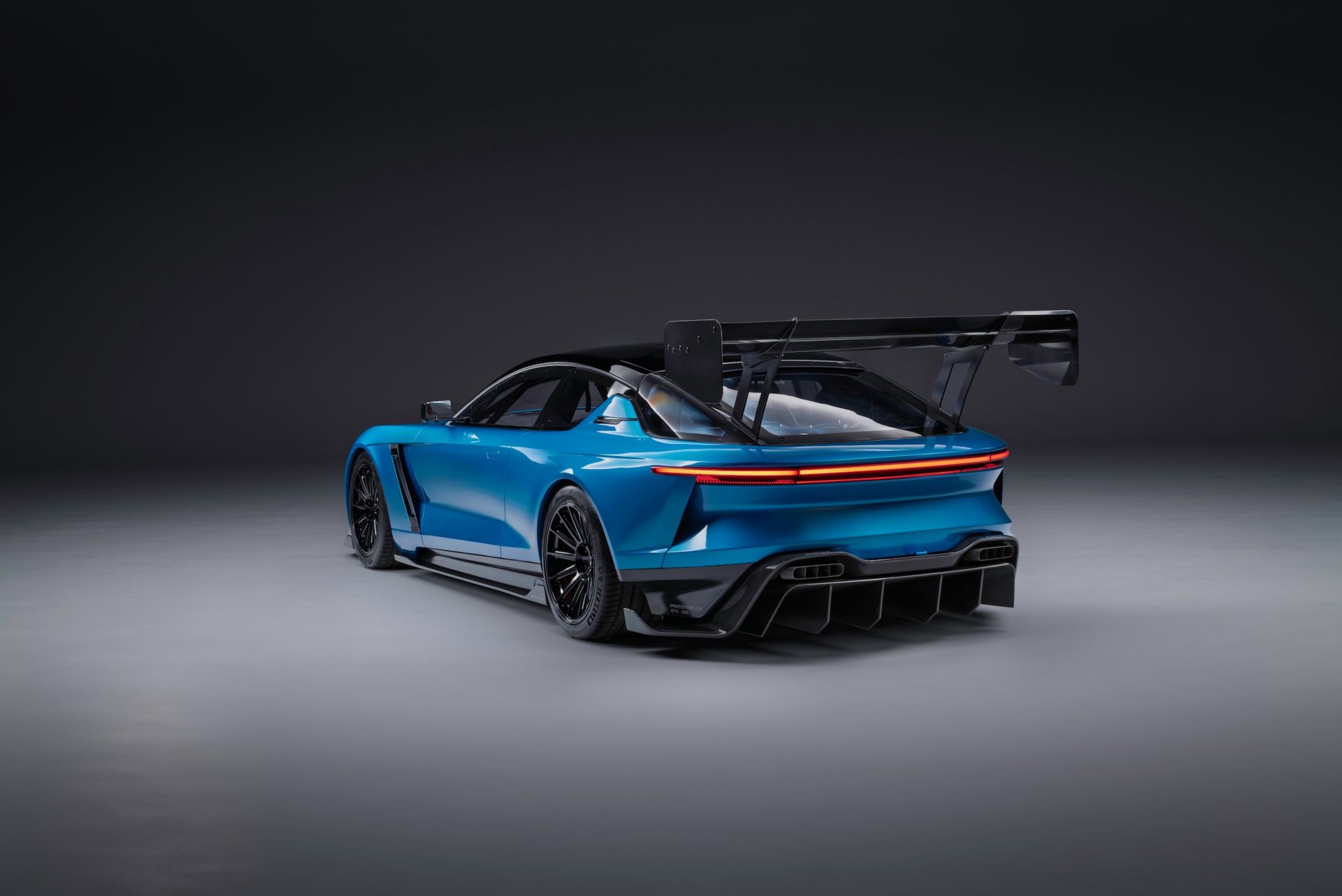
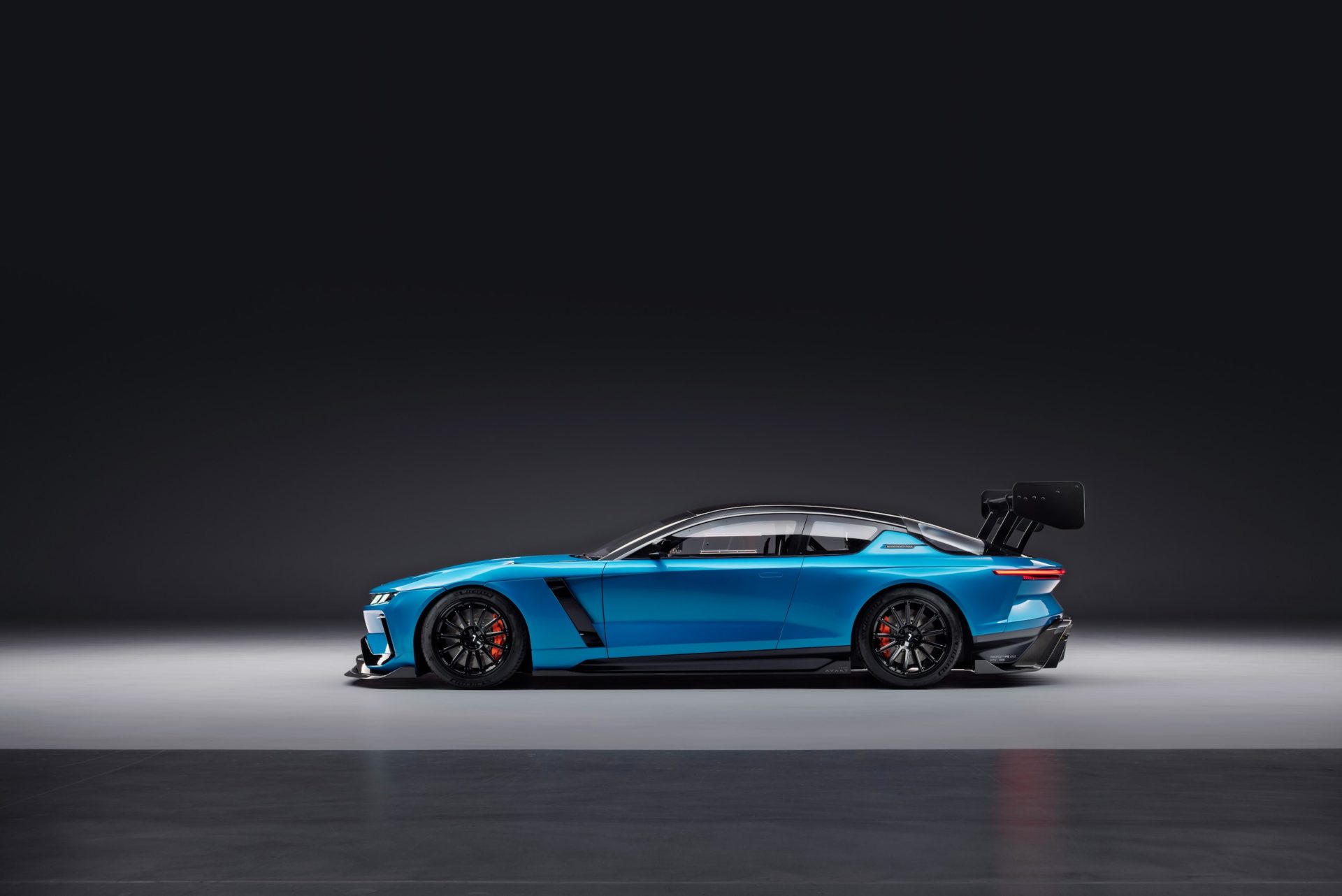

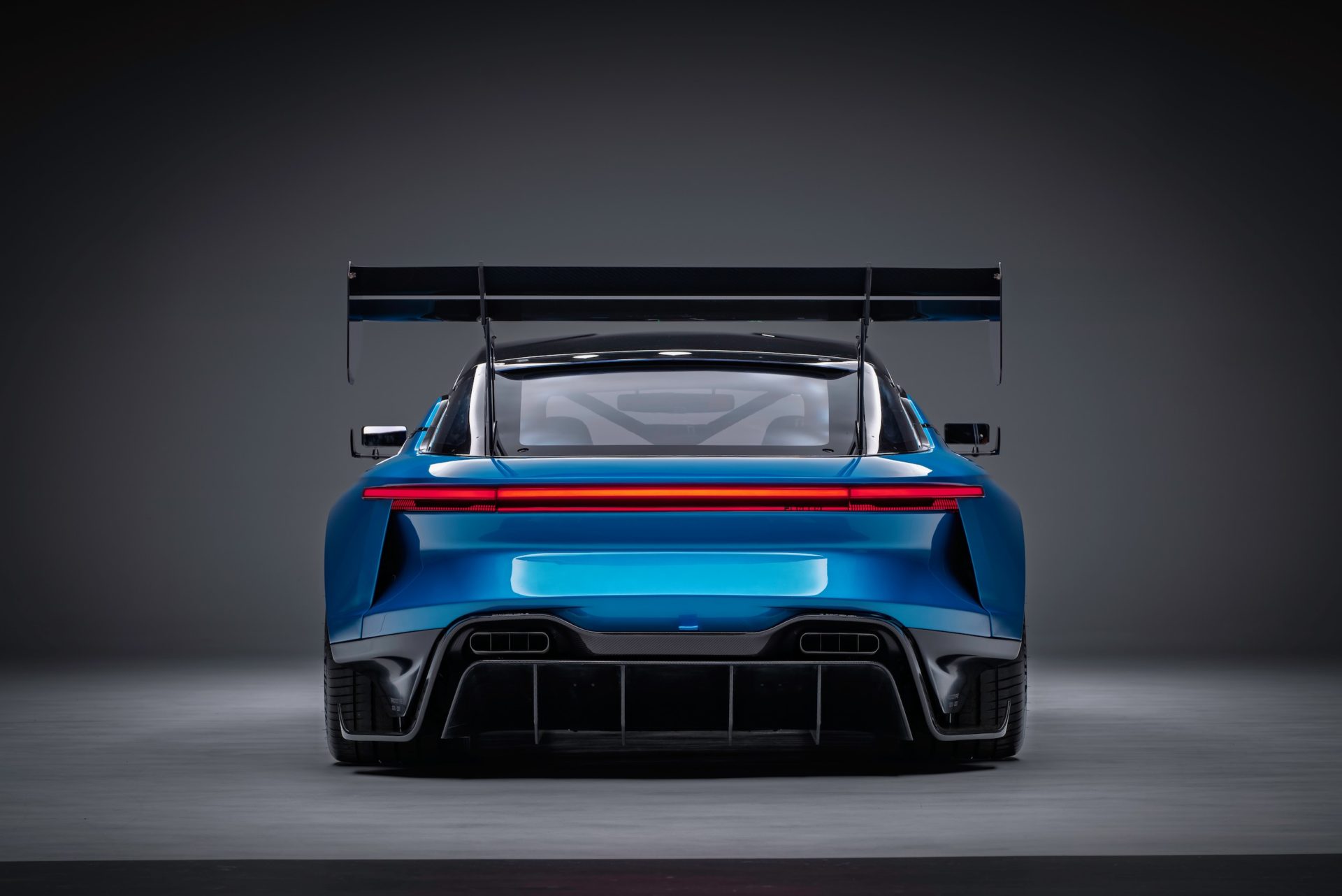

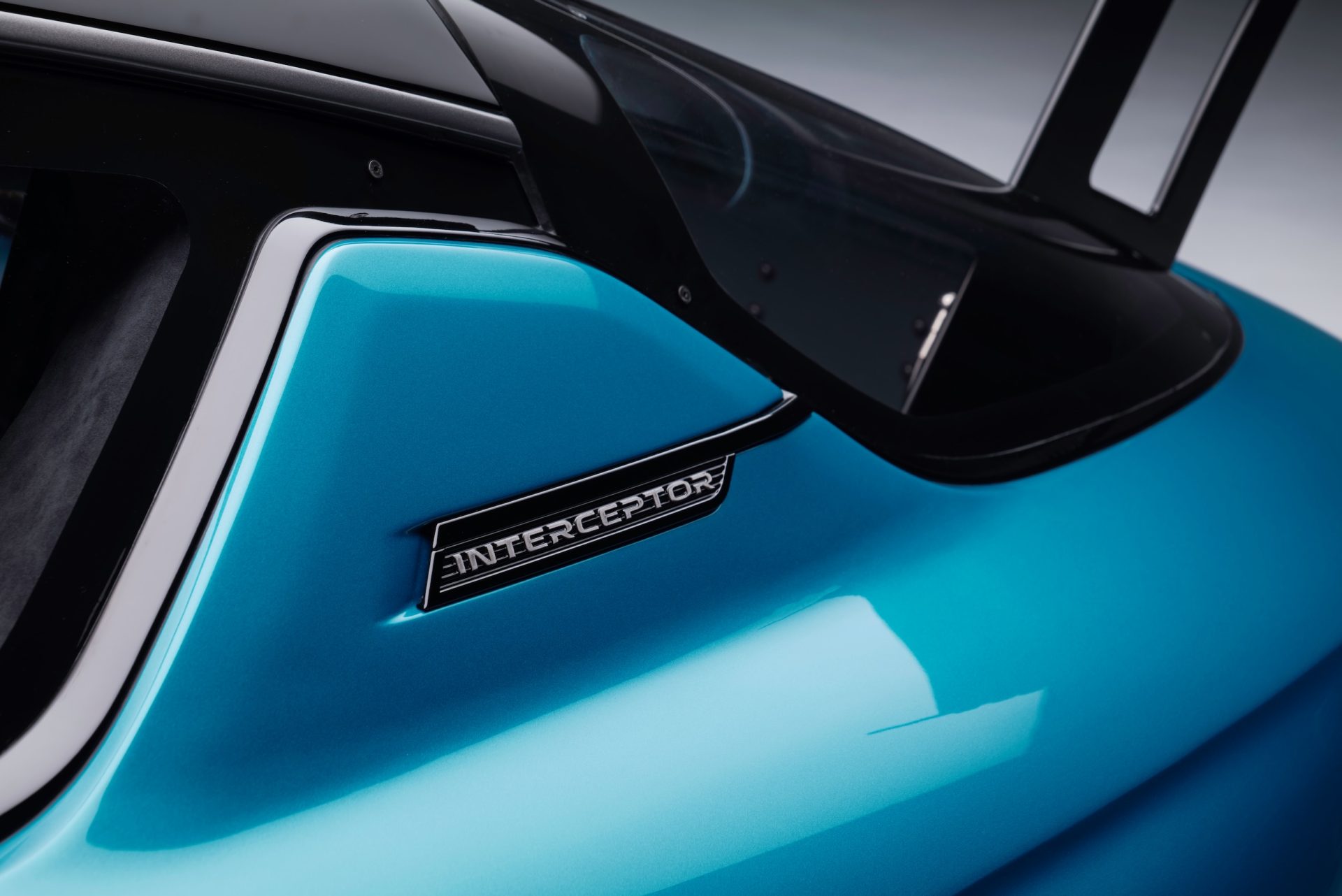
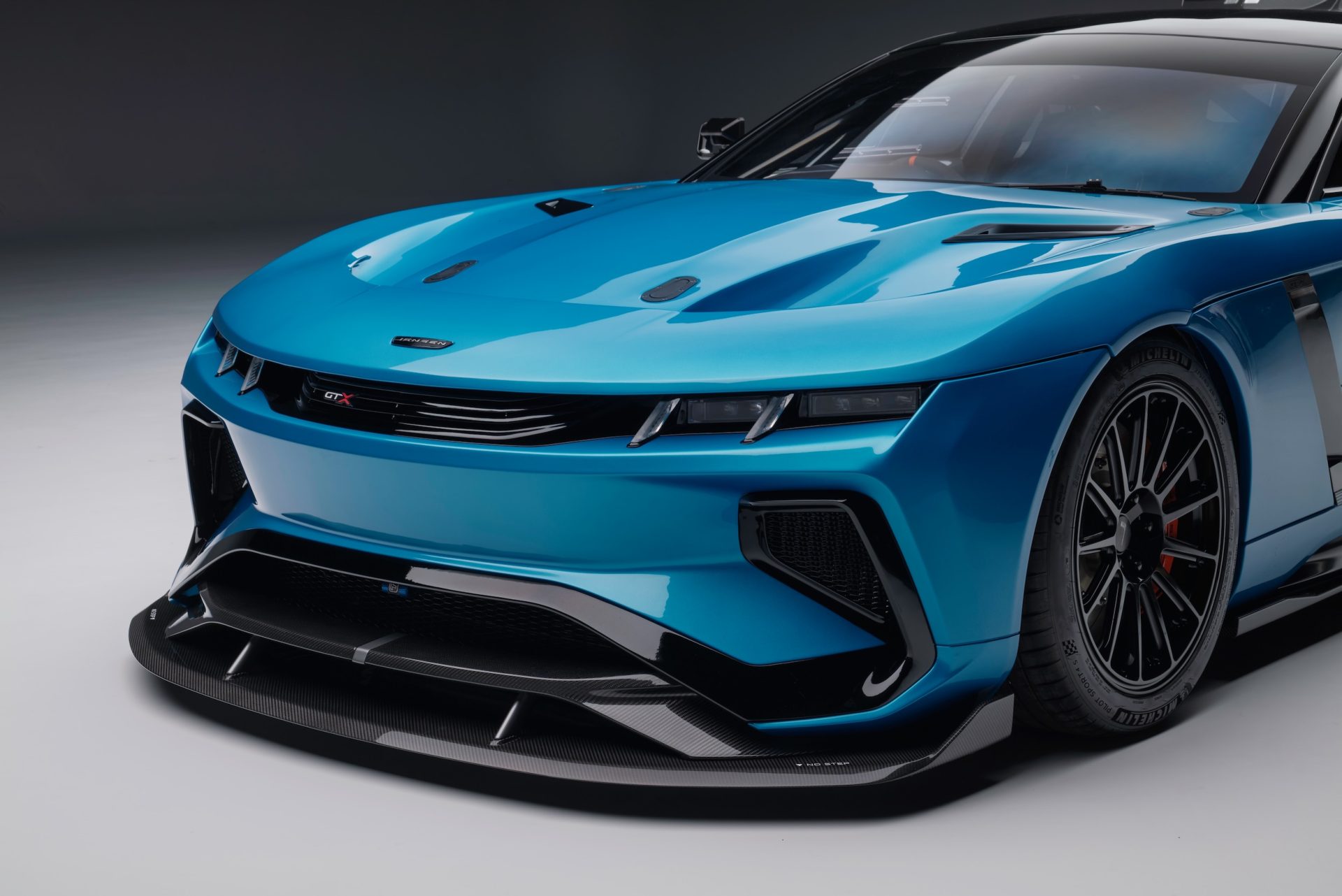
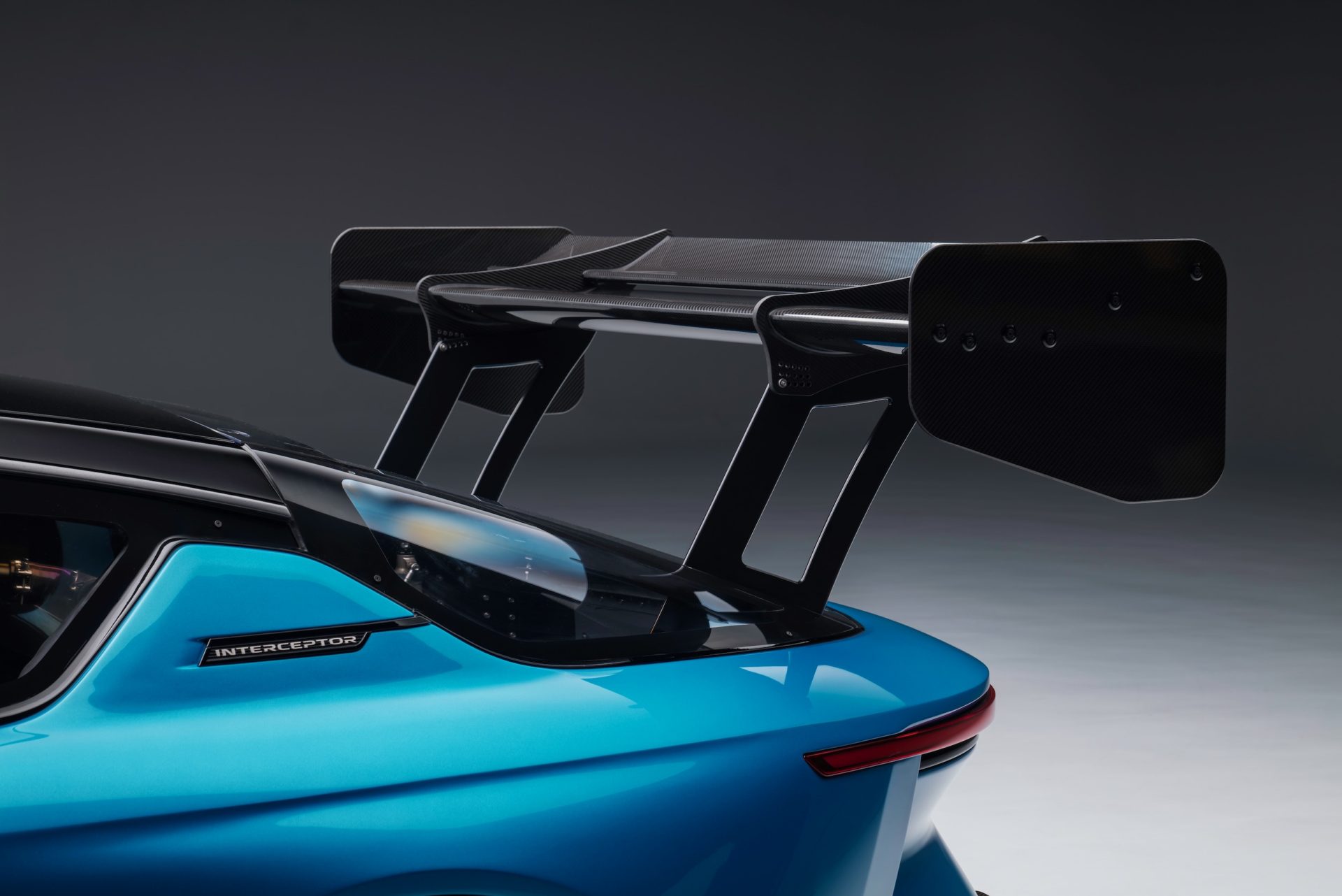
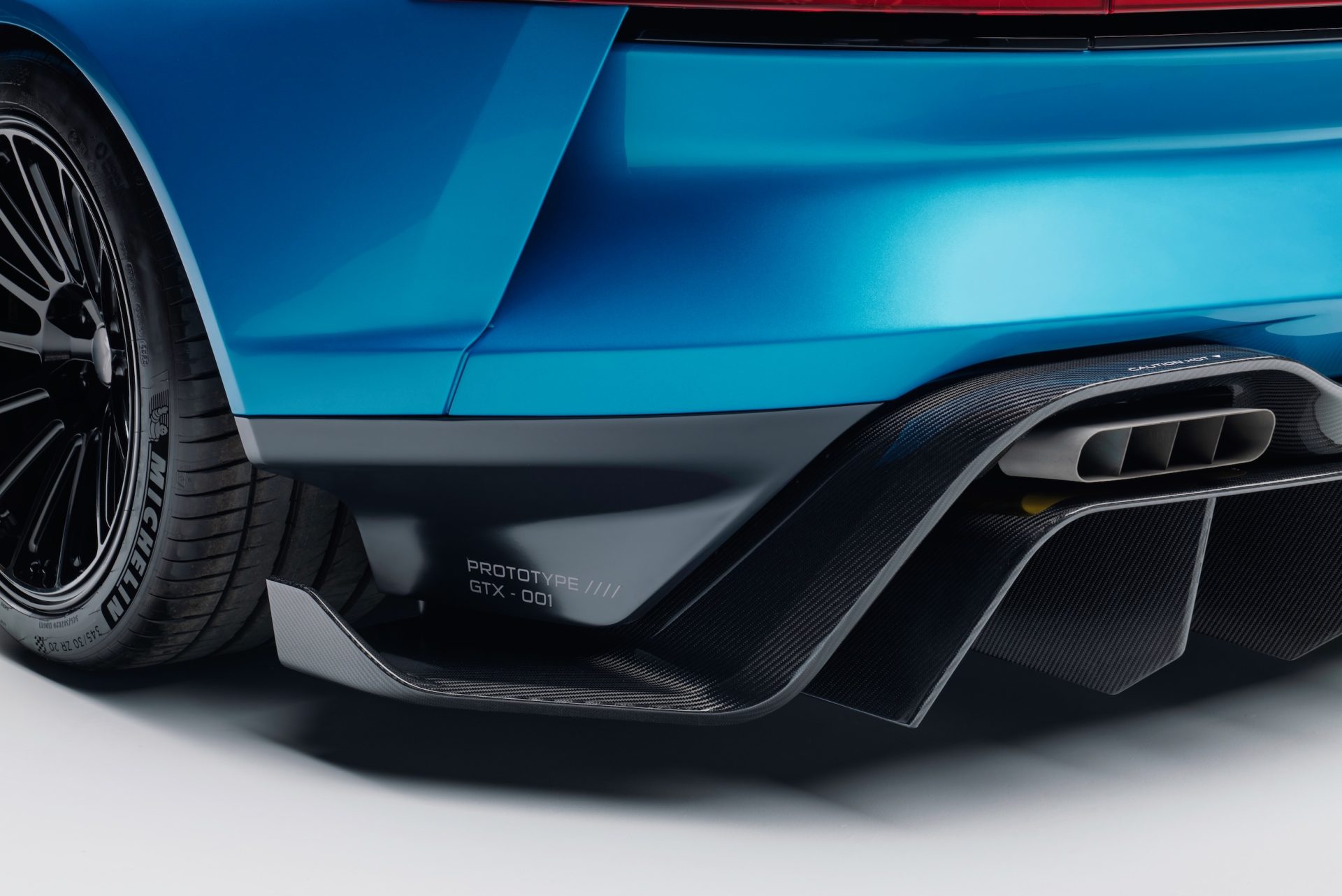


For the time being, this is a prototype intended solely for the racetrack. However, it appears to be exceptionally well-built; the aim is to gain experience at the limits of performance – and it is also intended to demonstrate the direction in which Jensen is heading. Here’s a rough overview: the new Interceptor is powered by a 6.8-litre V8, which is boosted by a Roots-type supercharger to around 1,200 PS and a maximum torque of almost 1,500 Nm. This engine is being developed by LME in the USA based on a Corvette engine, with around 80 per cent of the parts reportedly being in-house developments. Power is transmitted via a sequential 6-speed claw-type gearbox developed by Samsonas Motorsport. Naturally, it’s rear-wheel drive only, with brakes supplied by BG Developments. Both the chassis and the bodywork are made of aluminium, whilst the design is gently inspired by the 1966 Interceptor. In short: nothing but the very best.


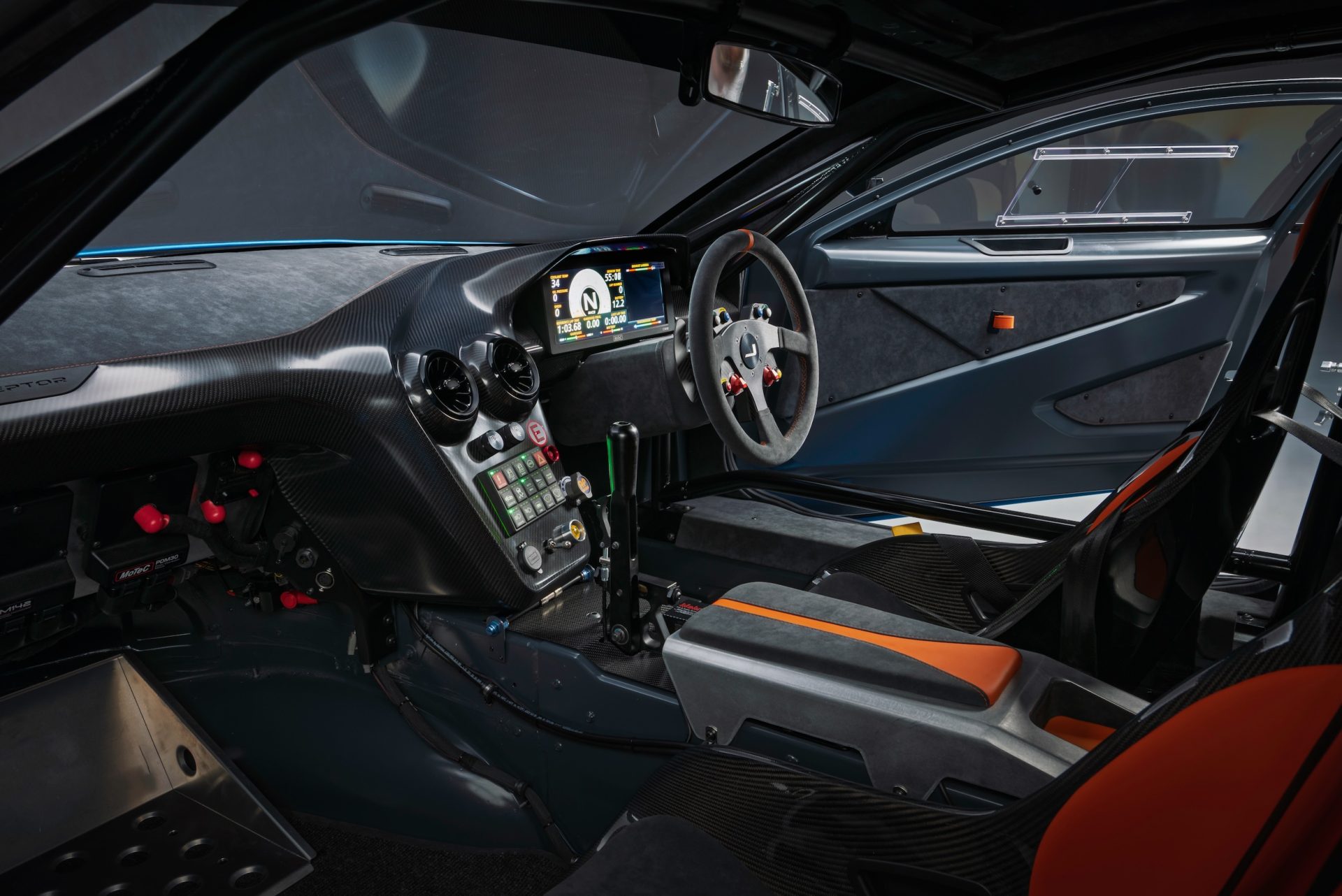

At the helm of the Jensen project is David Duerden, a former aeronautical engineer who later founded Compotec and produced carbon-fibre parts for Formula 1; he was also responsible for the ‘Restomod’ Interceptor. He is supported by a remarkable figure: Jeff Qvale, son of Kjell, himself a successful supercar dealer. Jeff was there when his father drove Jensen into bankruptcy, so he has some experience of the matter. This time, however, things are set to go better: following the GTX track model, an Interceptor GTR – at least as powerful but road-legal – is due to be launched as early as next year. And a little later, the GT will follow, which will presumably be a bit more practical.
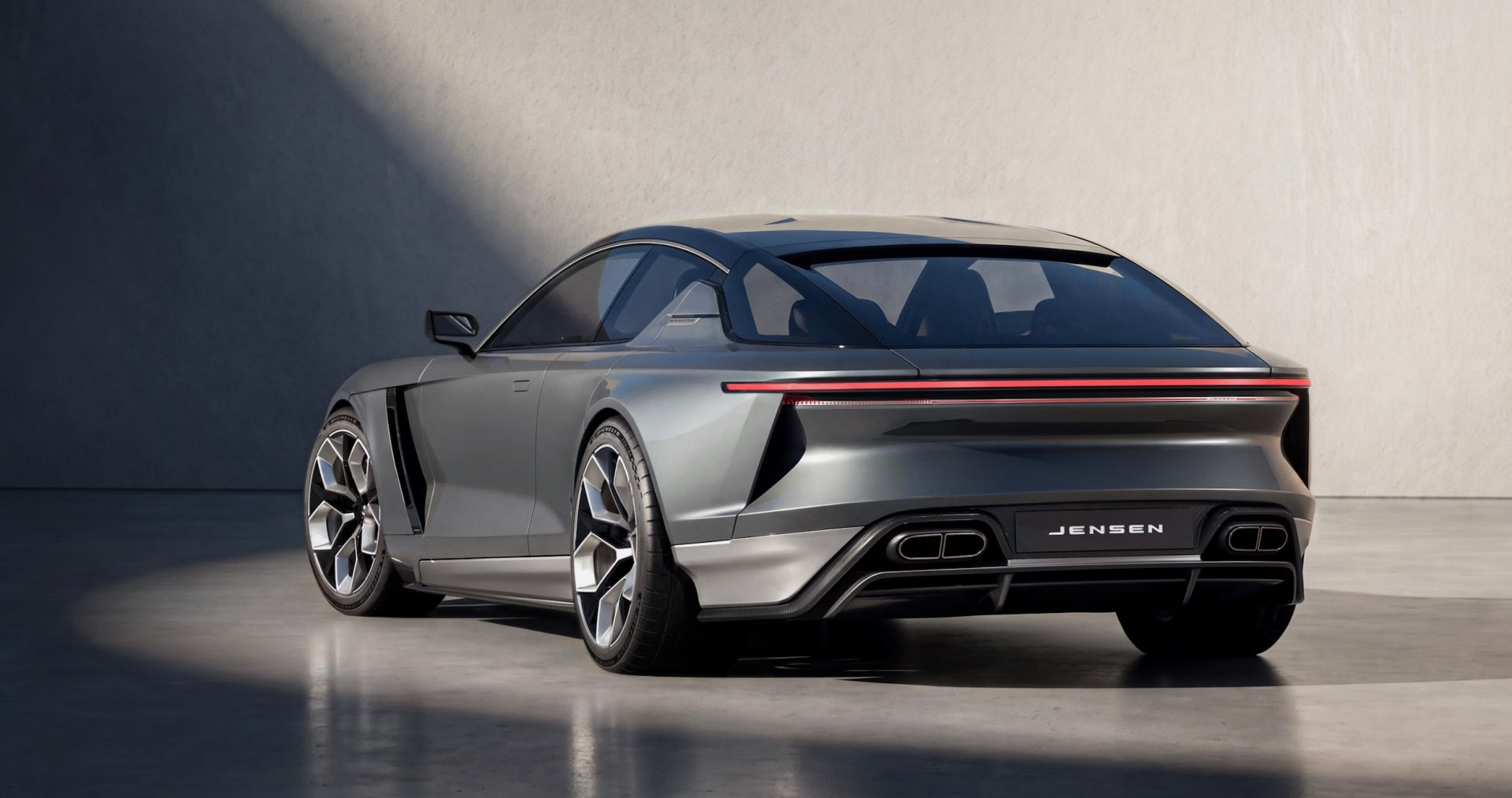


We have more news in our archive.