
Final Lap
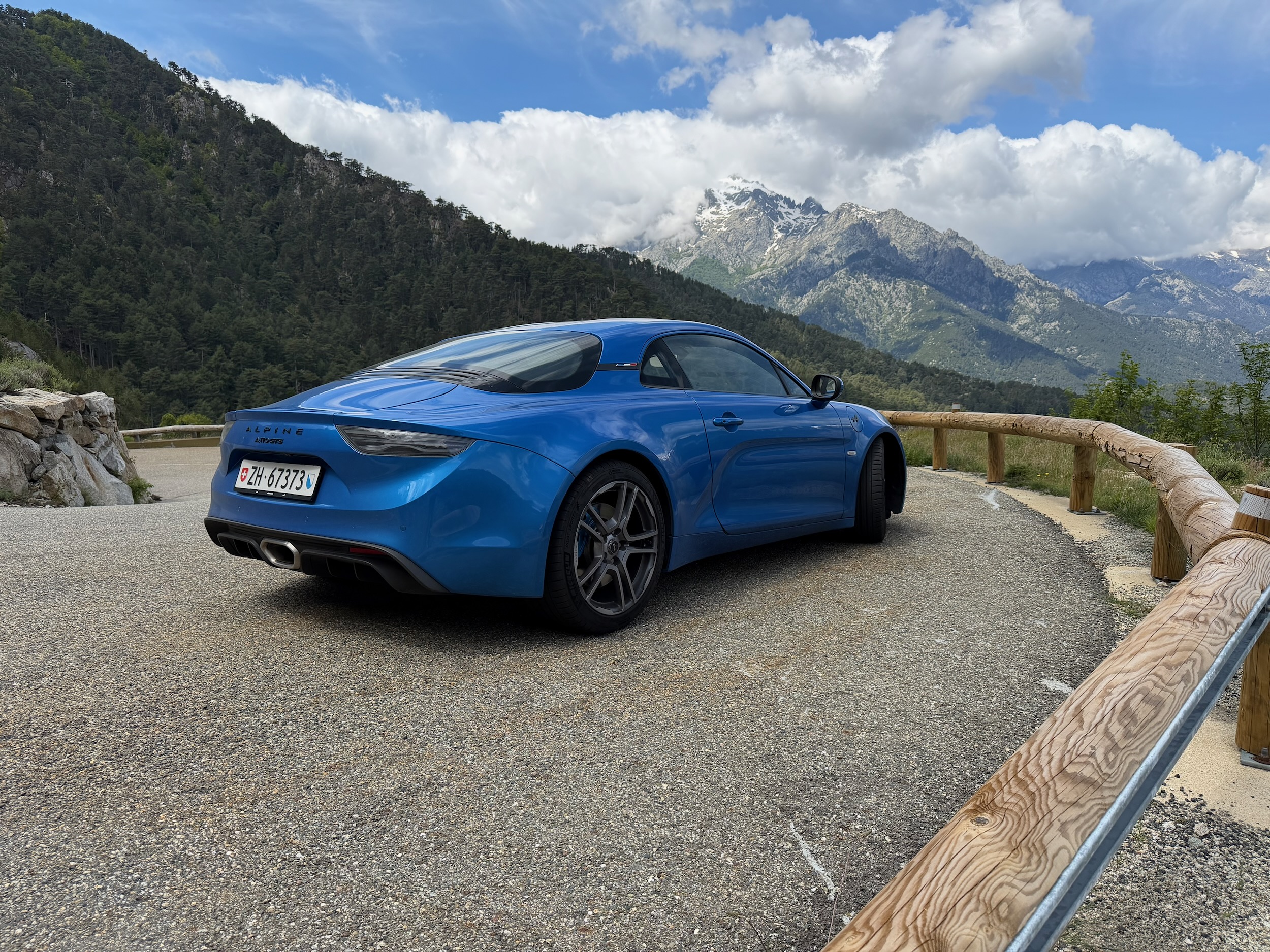
For ten days, I drove the Alpine A110 GTS all over Corsica, up and down and across the island. I would have loved to report on that, with some lovely photos. But Alpine’s Swiss importer reckons that doesn’t fit with their marketing strategy. So I’ll leave it at that and write a very straightforward test report here on the A110 GTS, the latest and, at the same time, final version of a magnificent car, production of which will cease at the end of June. On the Alpine website, on the one hand, it says: ‘Continue to design your dream model with the configurator’. And two centimetres further up: ‘The A110 can no longer be individually configured’. So much for the marketing concept.

The GTS, then, launched last spring. A blend of the S and the GT – that much is clear – so the 300 hp from the S paired with the comfort of the GT. That actually works quite well, but it does make the French car relatively expensive; a minimum of 85,400 Swiss francs is expected (and on top of that there’s a very long list of customisation options), whilst the (more than adequate) base model is apparently still available for 70,900 Swiss francs (it used to be even cheaper; the ‘Pure’ once cost 61,000 Swiss francs) . In doing so, the Alpine is giving up one of its biggest selling points: that fantastic value for money. On the other hand, there isn’t much competition left anyway, now that Porsche has pulled out and is only interested in maximising margins (with little success so far); perhaps the Lotus Emira, but that costs another 20k on top. And if the Alpine is no longer around either, life will become a bit bleak (see also: News).
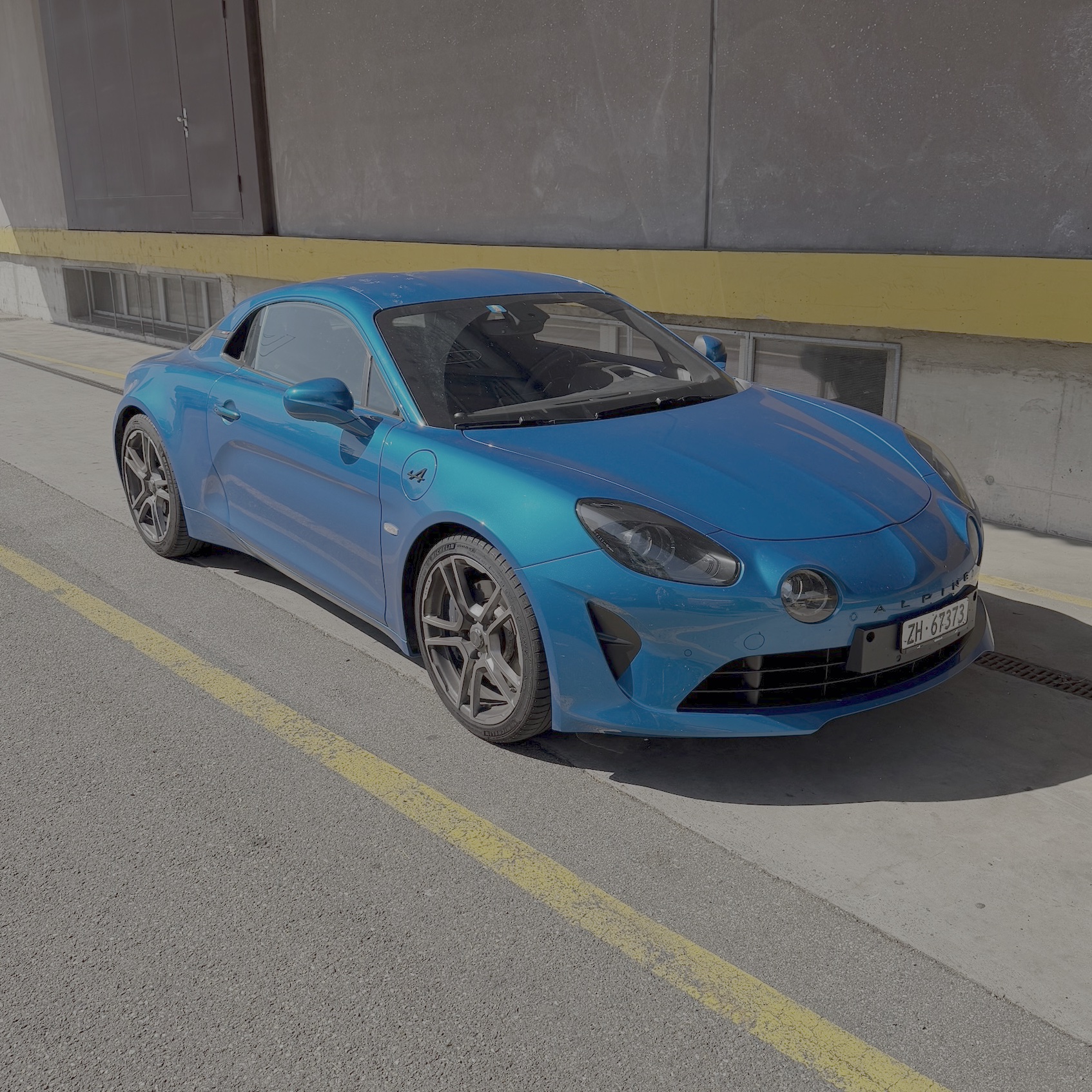
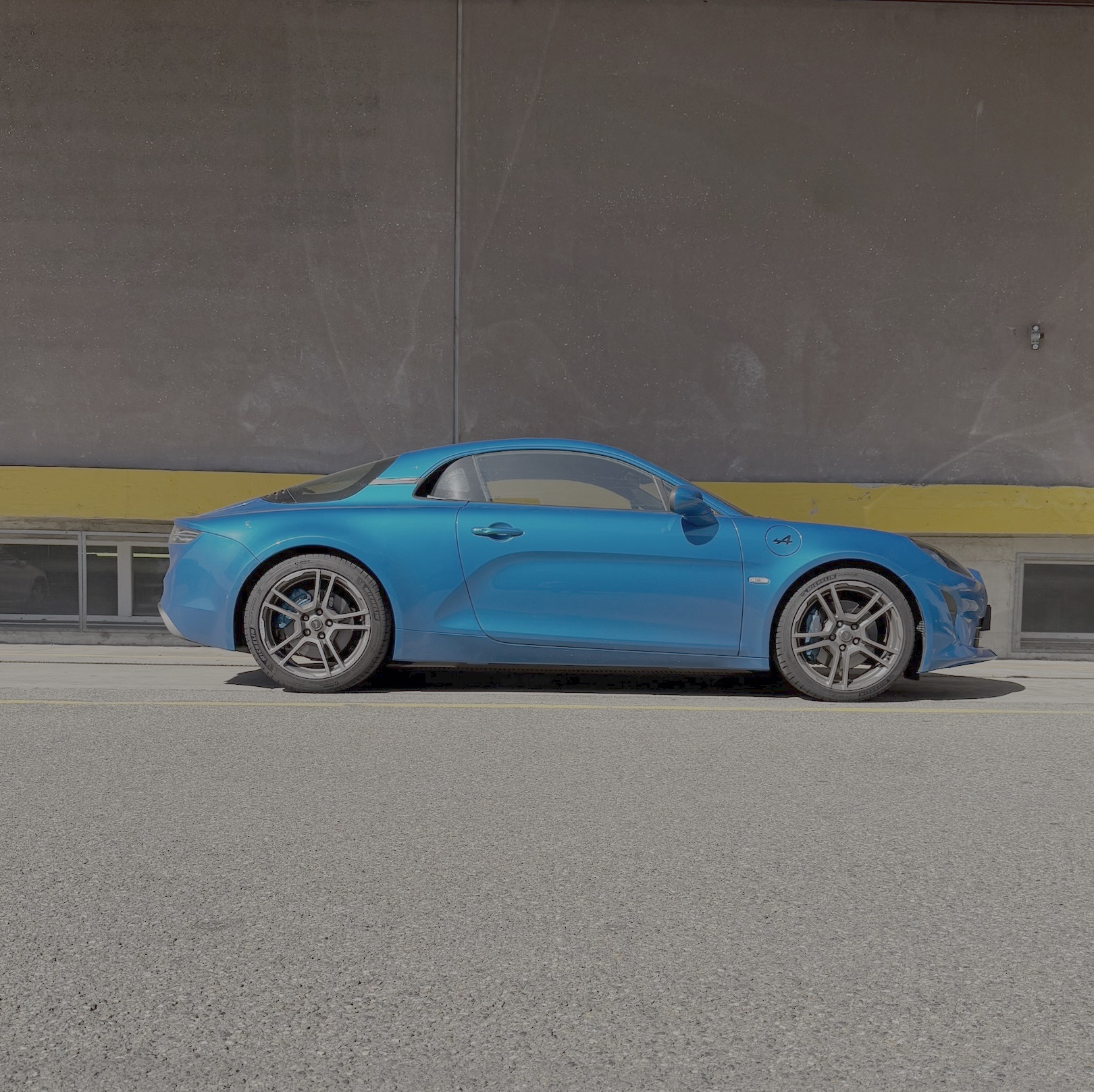
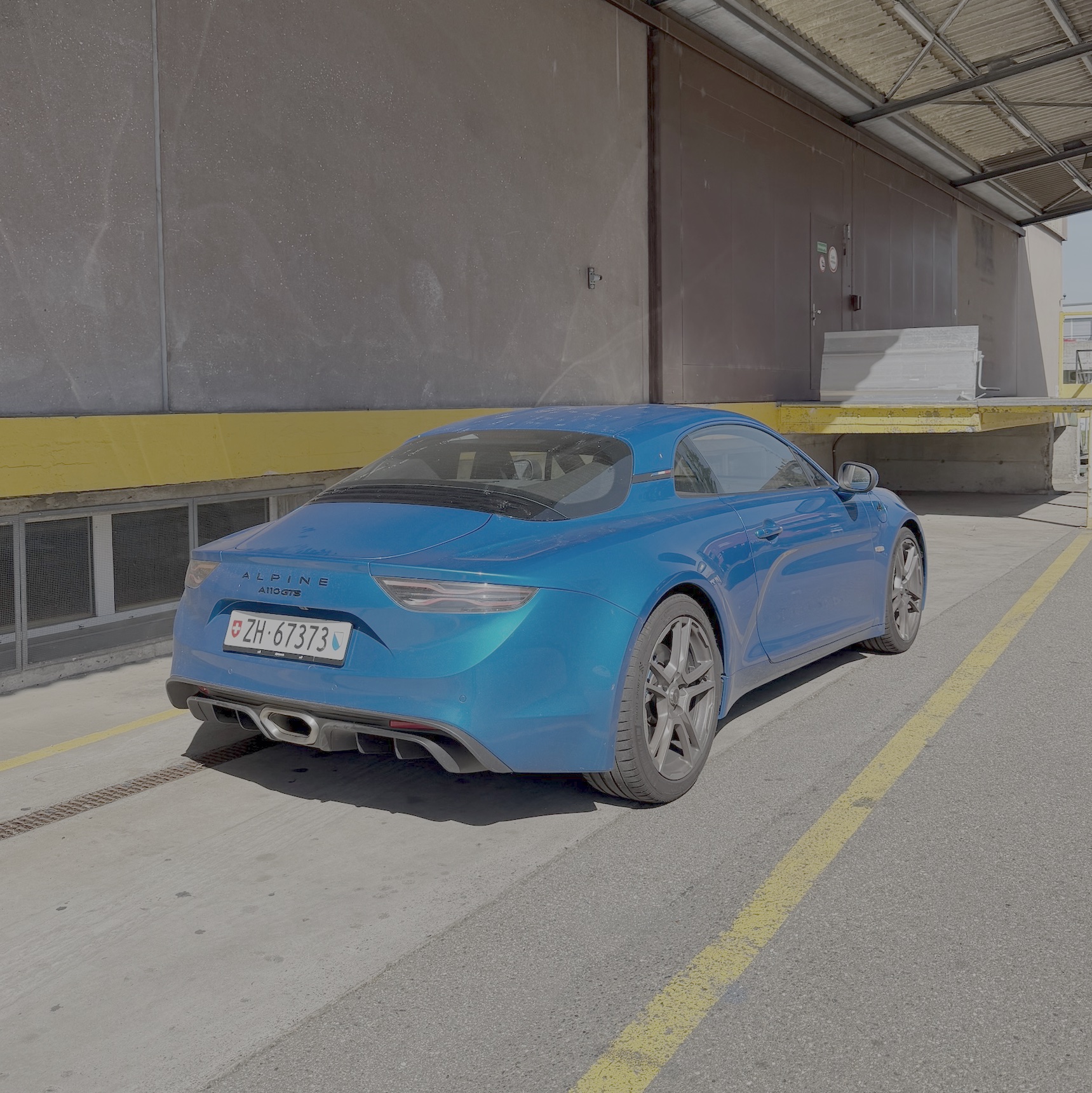
For example: Lane departure warning. Or: Speed limit warning beeps. The Alpine doesn’t have them, and according to EU regulations, it doesn’t have to, because it has been built virtually unchanged since 2017. The ESP kicks in so wonderfully late, as if it weren’t there at all; the infotainment system looks as though it dates back to the last millennium (and works much the same way, apart from the truly excellent Focal hi-fi system). In other words: there’s hardly a more analogue new car out there; this French model, with its focus on pure driving pleasure, feels like a relic from a bygone, not-so-bad era. The good news is: almost 30,000 units have been built over the past nine years, so the A110 is unlikely to become a sinfully expensive ‘future classic’ (with the exception of a few special editions, where prices are already starting to rise again). And there’s one more thing I simply must mention: the build quality is top-notch; nothing rattles, and the materials used are a delight not only to the eye but also to the touch.

We’ve certainly written a great deal here on radical about the various A110 models – Base, Cup, Pure, S, GT, R. But just to recap: At the heart of it all is a small 1.8-litre four-cylinder engine, which in the GTS delivers 300 PS at 6,300 rpm and a maximum torque of 340 Nm between 2,400 and 6,000 rpm; power is transmitted via a 7-speed dual-clutch gearbox from Getrag (which weighs just 63 kilos). This should see the Alpine, weighing in at under 1,100 kg, go from 0 to 100 km/h in 4.2 seconds, with a top speed of 260 km/h (or 275 km/h with the optional aero package). According to the WLTP, the GTS is supposed to manage 7 litres per 100 kilometres; we never managed that, with 7.7 litres being the minimum – which is still a very good figure. When driving very aggressively (you know where), it sometimes went up to 13 litres, which is still a third less than the Porsche 911s that were on the same routes.
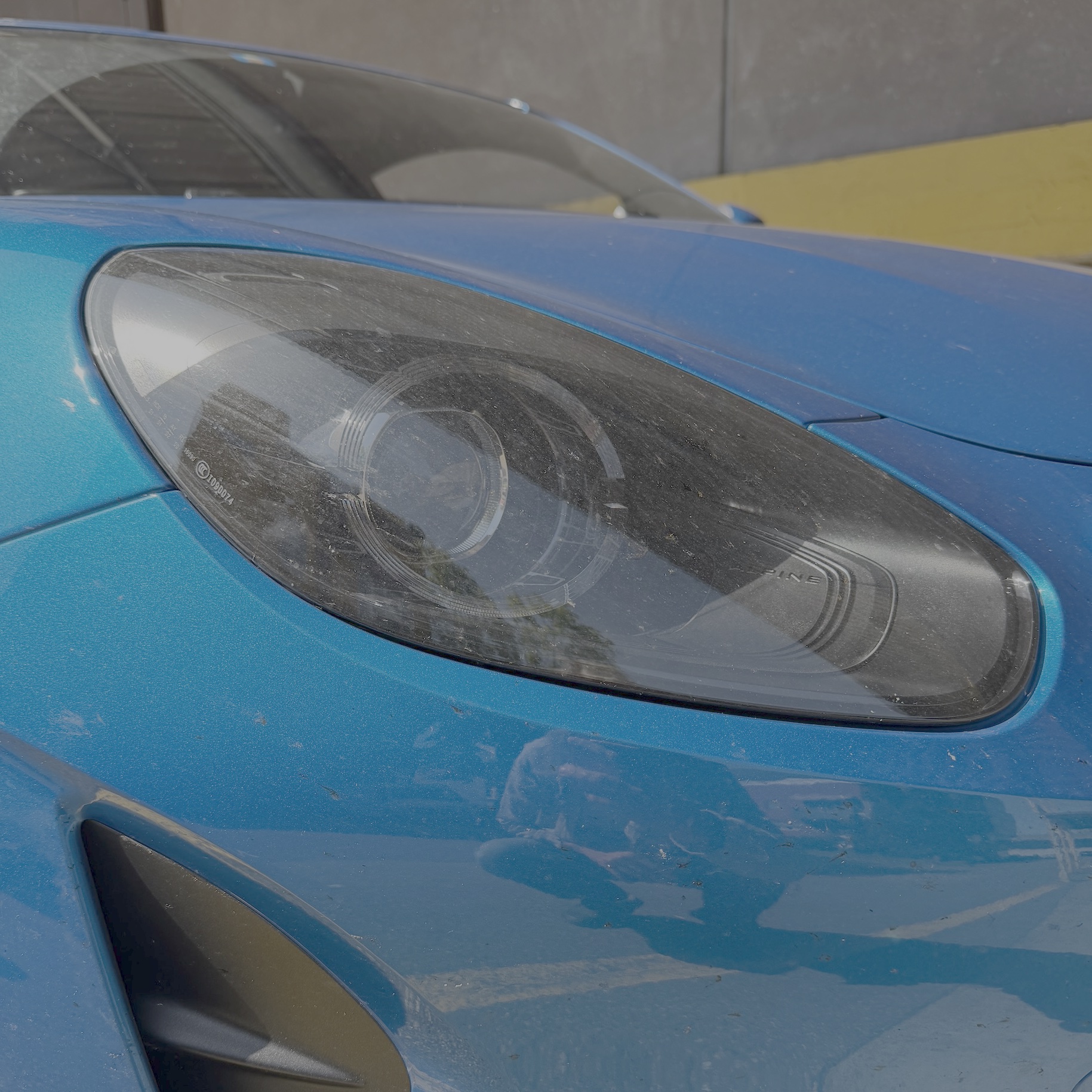
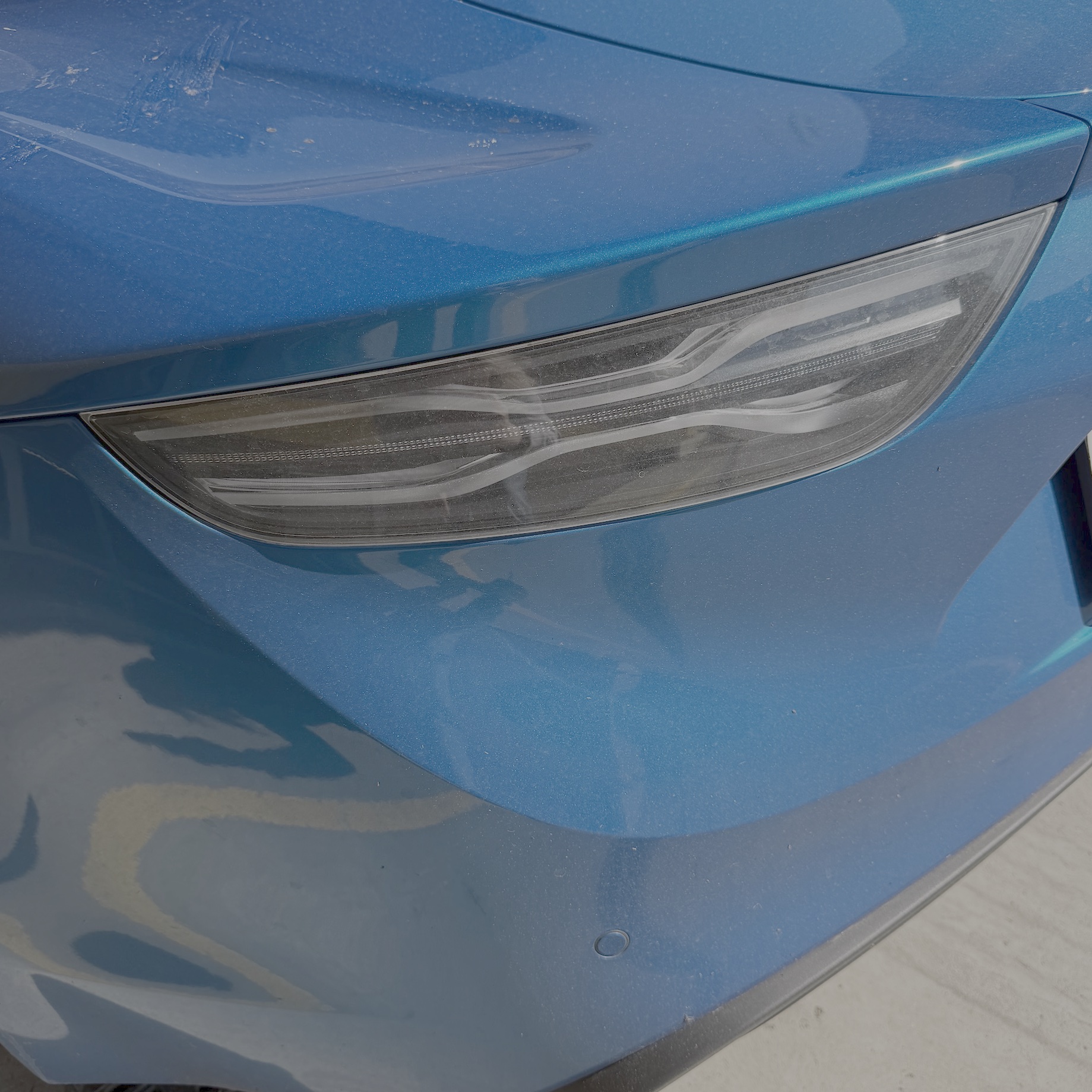
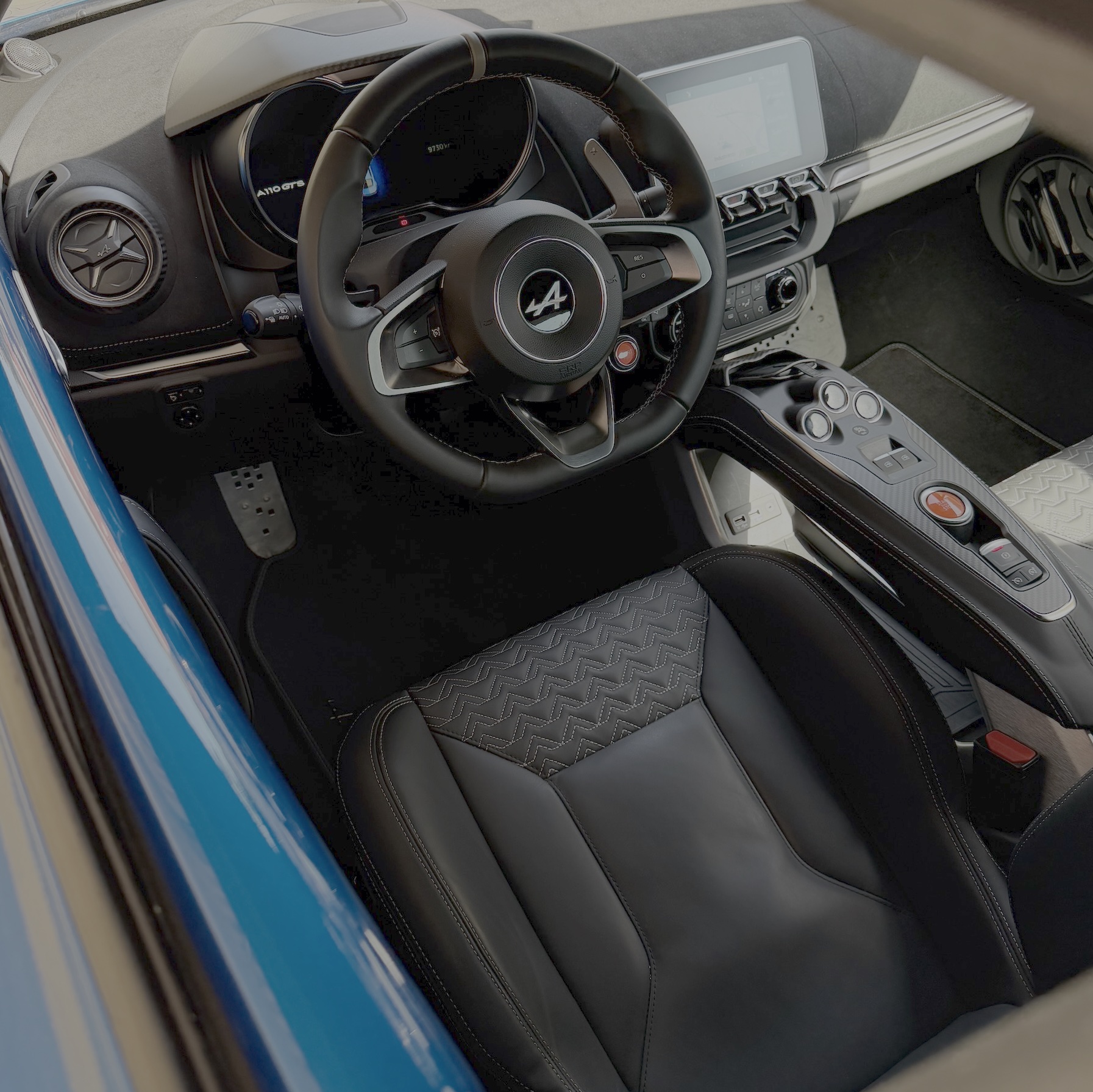
The 911 is, of course, a good benchmark. Naturally, we didn’t push this car to the absolute limit on this trip, but as a reasonably decent sports car enthusiast, you brake the Alpine later (due to its weight), take corners more smoothly (precision), and can therefore accelerate sooner; the lack of horsepower is truly no problem. The four-cylinder turbo has plenty of bite in almost any situation, it sounds good too (especially in Sport mode), it’s a real joy. And nobody really needs any more power, at least not on public roads. The steering is a dream, wonderfully direct, with excellent feedback from the road; the DSG’s calibration is absolutely brilliant for mountain roads; the transition between 2nd and 3rd gear is like a dance. Incidentally, it works best in Normal mode on manual, as the gear really does always stay exactly where the driver wants it; in Sport mode, the Alpine unfortunately shifts up on its own when it gets bored. And just perfect for a brisk drive over the mountain: The large, fixed paddles that can even be operated with your little finger.
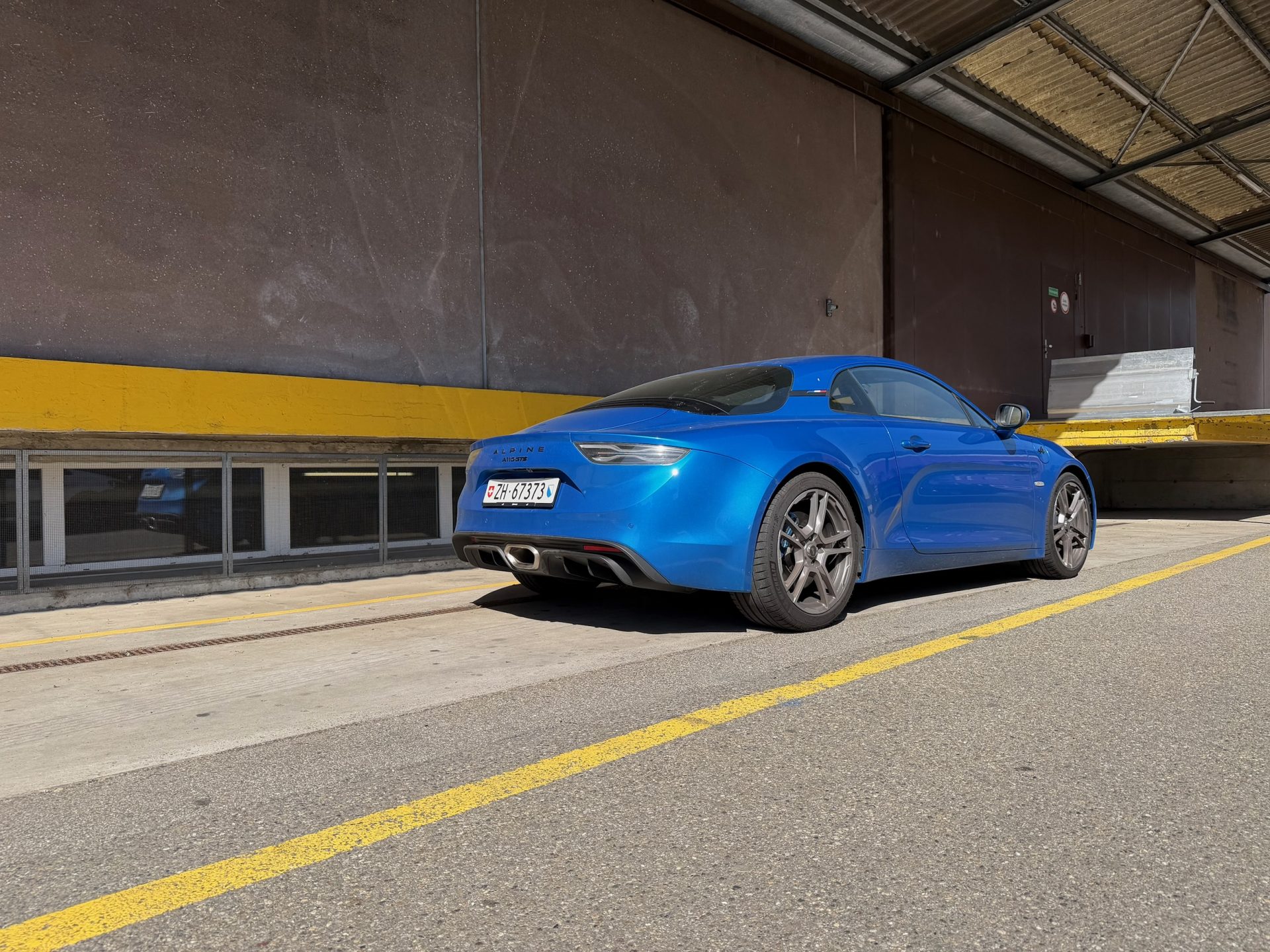
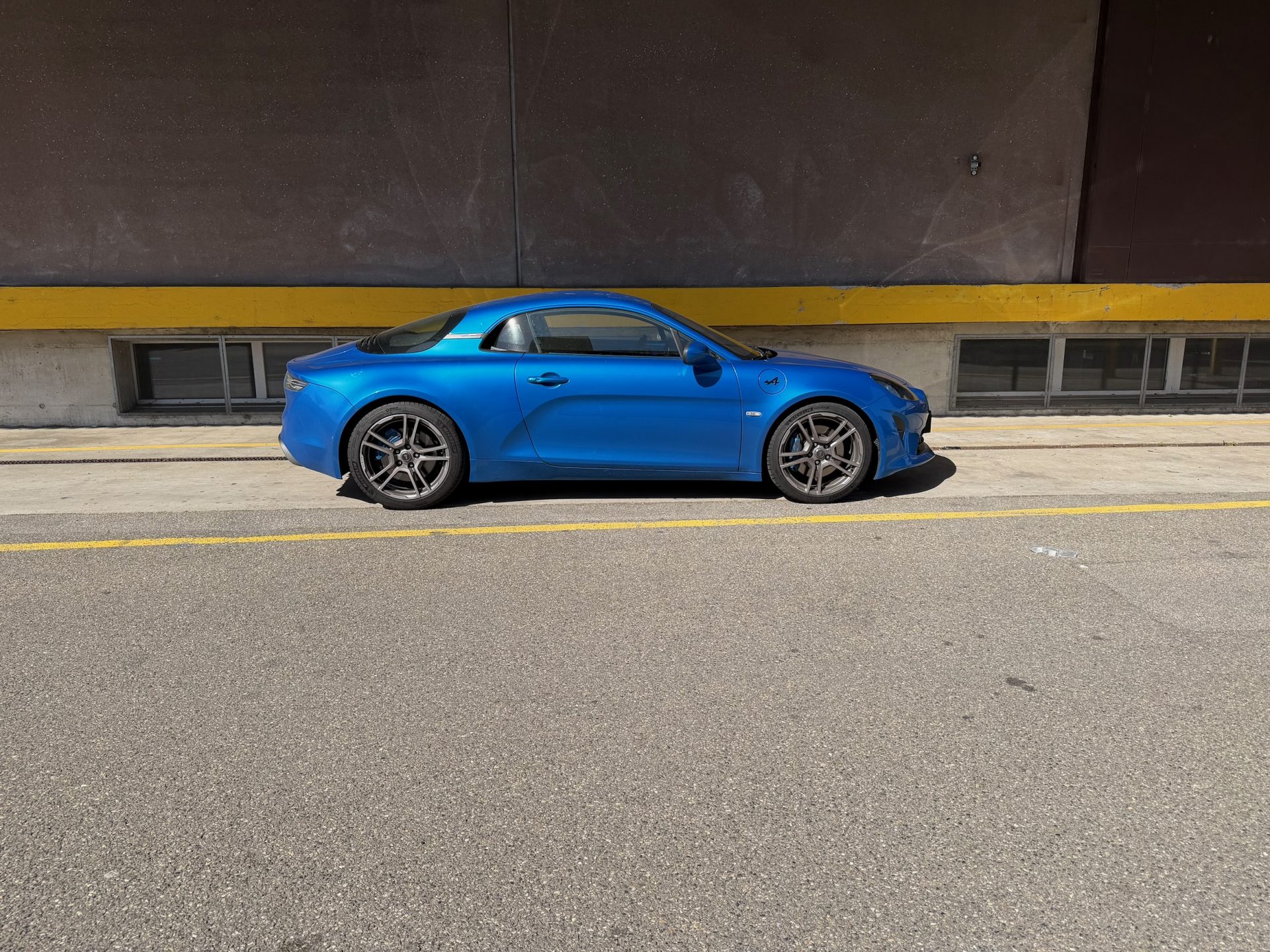
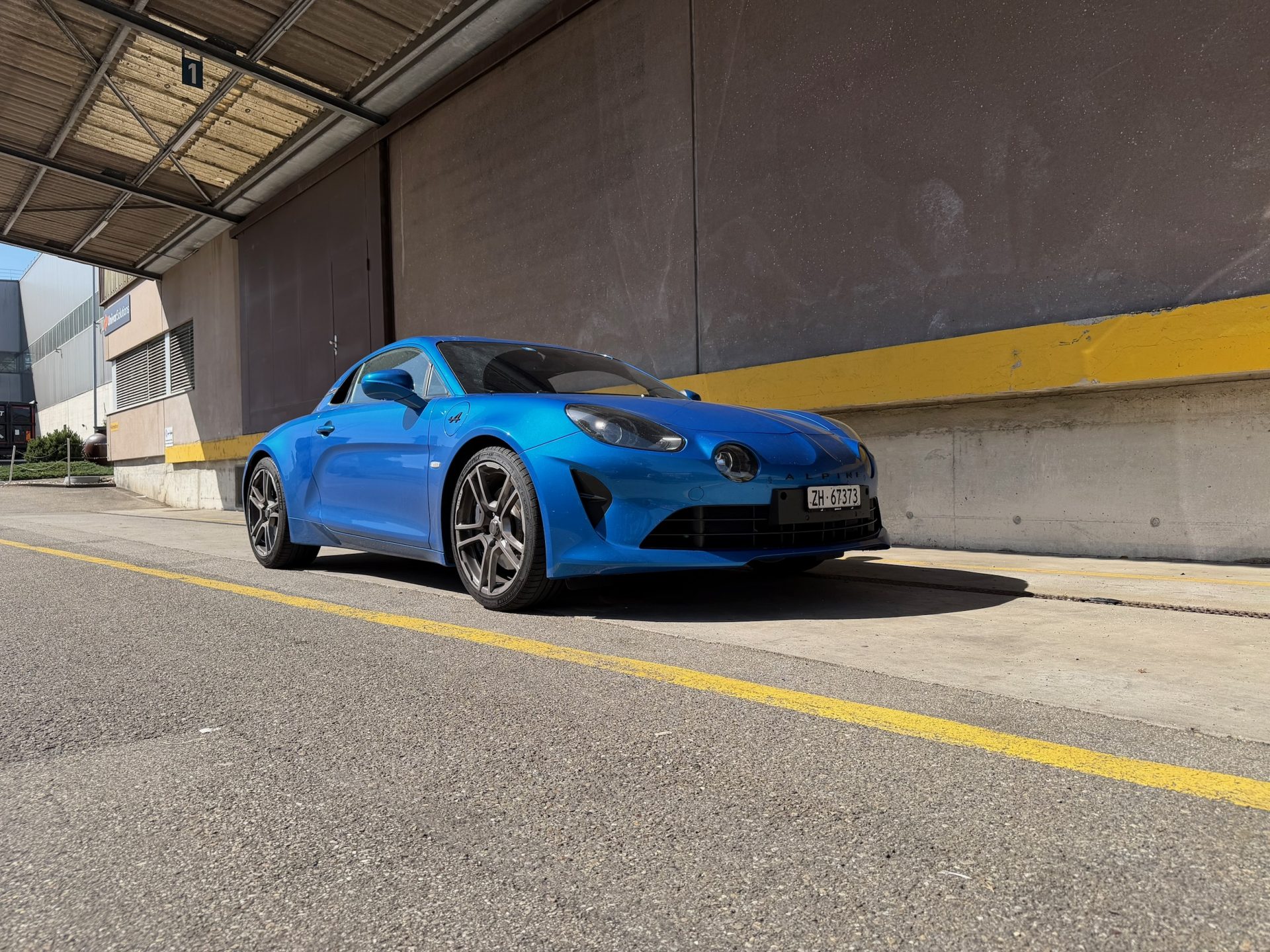
This was probably the last run with a (new, non-electric) Alpine. Oh yes, I’ll miss it; it’s been a constant in my life over the last few years – that’s how sports cars should be: compact, agile, cheerful, pretty, and focused on the driving experience. I always had the feeling that the French didn’t quite grasp what a magnificent car they’d created with the A110 (see also above, marketing concept); perhaps that’s also why sales figures remained fairly modest. Of course, hindsight is always 20/20 – and so: if you still can, you should. There won’t be any more cars like this in the future.

The trip to and around Corsica was superbly organised by sportwagentouren.com. I can wholeheartedly recommend it: fantastic roads, beautiful hotels, excellent food. Trips with Reinhard Loeven aren’t exactly a bargain, but they’re worth every penny – wonderful tours through some of Europe’s most beautiful landscapes.