
Sharp edge
Even senior staff probably don’t know at the moment what the future holds for DS Automobiles, this charming French subsidiary of Stellantis. In conversation, they seem somewhat at a loss; they are reluctant to talk about the future at all and tend to beat about the bush when asked more specific questions – such as about the DS3, which is in urgent need of a successor. But the situation is difficult at Stellantis in general, too; whilst there is a strategic plan called ‘FaSTLAne 2030’, it comes across as rather half-hearted overall – and mentions DS Automobiles only in passing. The French premium brand is set to return to its roots, namely Citroën, but Citroën itself will also play only a minor role in future. The likelihood that DS Automobiles will soon become a trim line seems quite high. How ‘French premium’ is then supposed to fit in with Citroën – a brand that is bracing itself for being positioned as a competitor to Dacia – is another matter entirely. On the other hand: was it really such a good idea back in 2015 to position DS Automobiles as a standalone brand? There was plenty of praise, but the French brand never really took off.
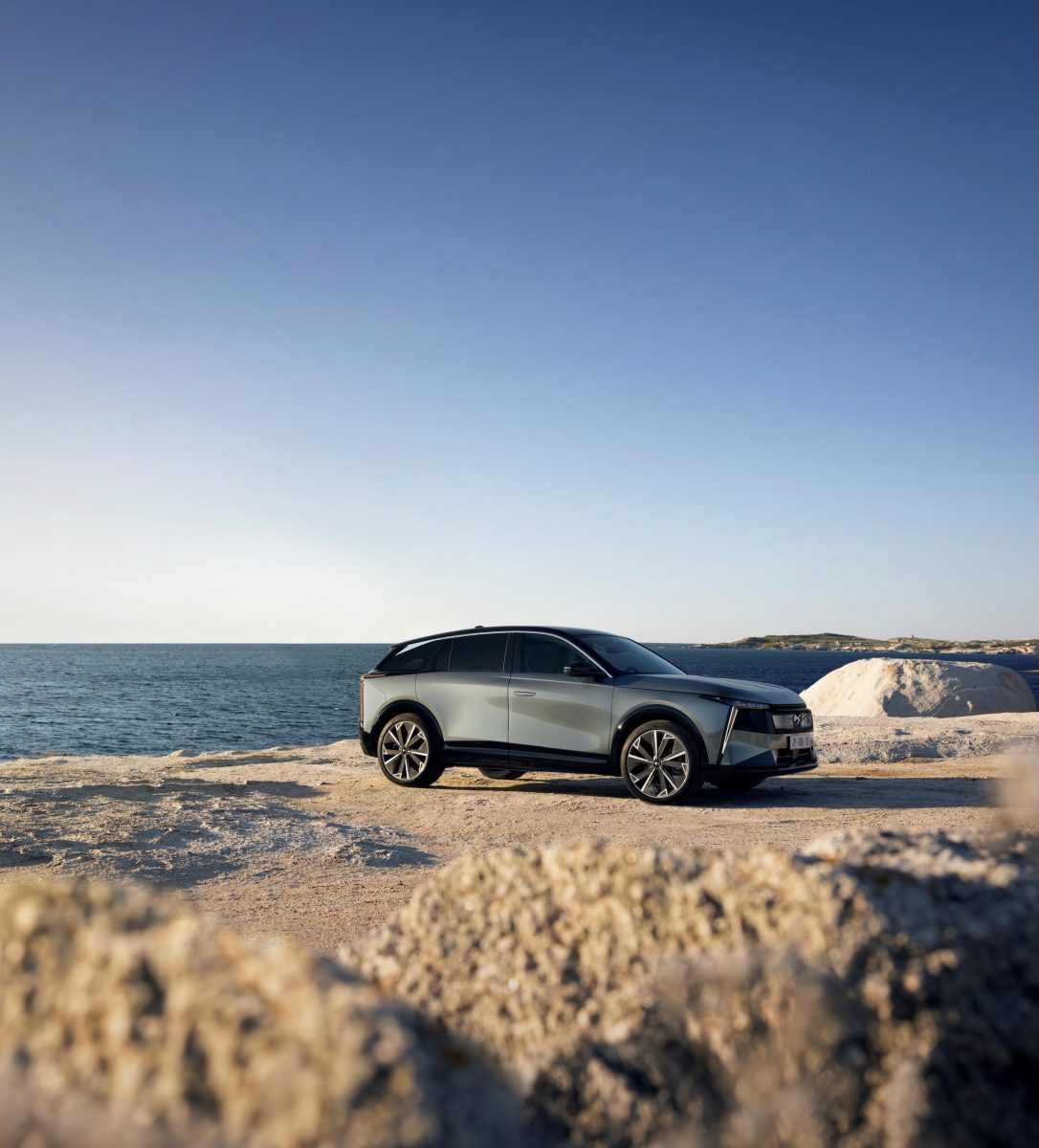
The most successful model in recent years has been the DS7; last year it accounted for a good 50 per cent of DS sales, and around 200,000 units have been sold since 2018. It wasn’t as though the brand’s first truly independent model was a truly exceptional vehicle – just another SUV, just another Stellantis thing on the ever-present EMP2 platform – but it looked quite good, was slightly larger than its competitors (4.57 metres, officially still classified as a C-segment car), better equipped and still at a reasonable price; this went down well, particularly in France, where DS Automobiles generates around a third of its sales. And the new N°7 now aims to capitalise further on this success; it is even larger, measuring 4.66 metres in length, whilst remaining 1.63 metres high and 1.90 metres wide, with the wheelbase increasing by 5 centimetres to 2.79 metres. The amount of space on offer is impressive for a C-segment SUV that’s still almost compact, and this certainly applies to the boot capacity of 560 litres (up to 1,570 litres).
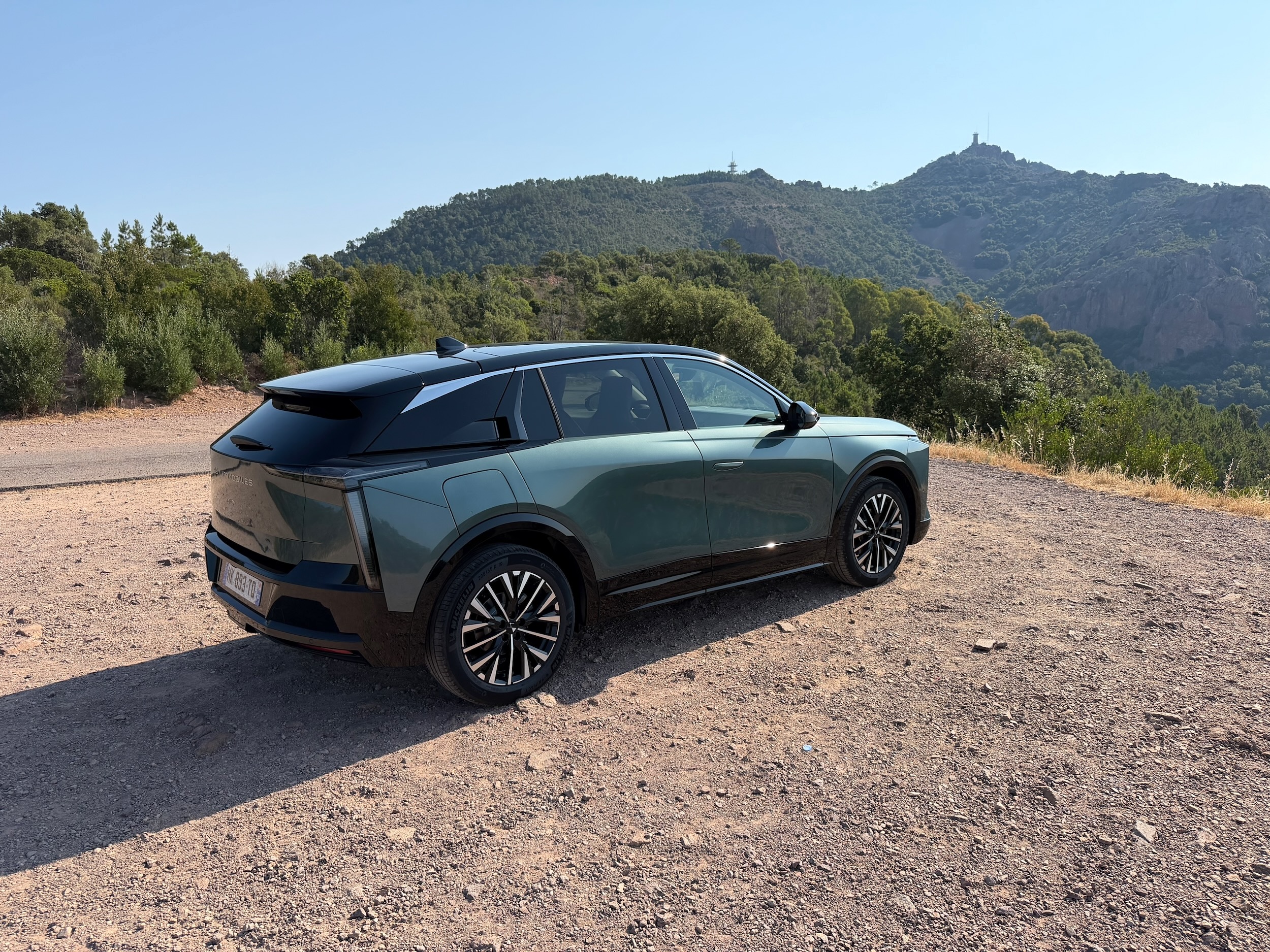
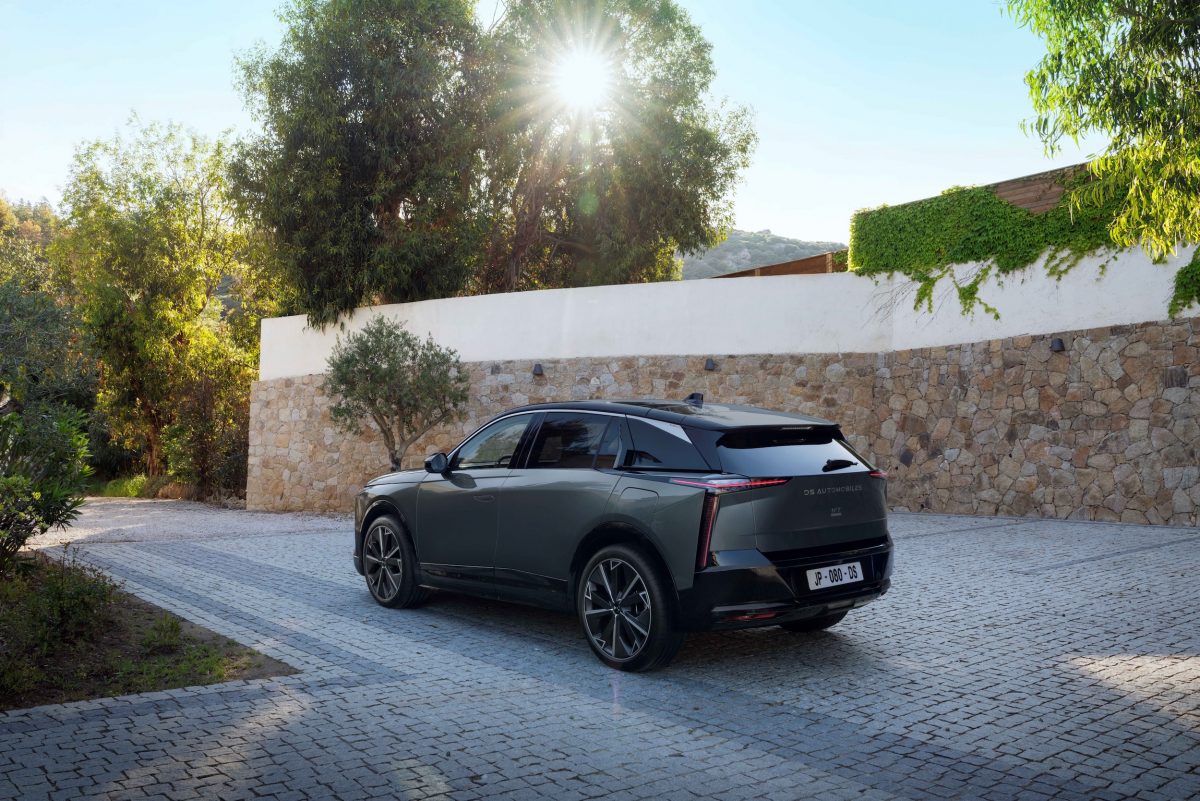
The design is certainly a matter of taste; the designers have had the courage to incorporate quite a few sharp edges and angles, which apparently are just a little bit on trend at the moment. Nevertheless, the N°7 aims to be highly aerodynamically efficient – as is only right for an electric car. It is well known that the STLA Medium platform enables good energy management, which is why the French (the vehicle is built in Melfi, Italy…) are also very optimistic about its range: According to the WLTP, the large battery (97.2 kWh net) is said to offer an impressive range of 740 kilometres. Now, there’s still a big difference between theory and practice – particularly in practice – but DS Automobiles considers a ‘highway range’ of 480 kilometres (i.e. at 130 km/h) to be realistic – and that’s quite a claim. It helps that the French aren’t over-engineered to the point of absurdity; the front-wheel-drive model with the small battery (73.7 kWh) comes with 260 Boost PS (230 PS standard), whilst the front-wheel-drive model with the large battery delivers 280/245 PS, whilst the all-wheel-drive version delivers 375/350 PS; this should enable the 2.3-tonne vehicle to sprint from 0 to 100 in 5.4 seconds. 400 V architecture and a maximum charging speed of 160 kW – though these aren’t exactly top-of-the-range figures.
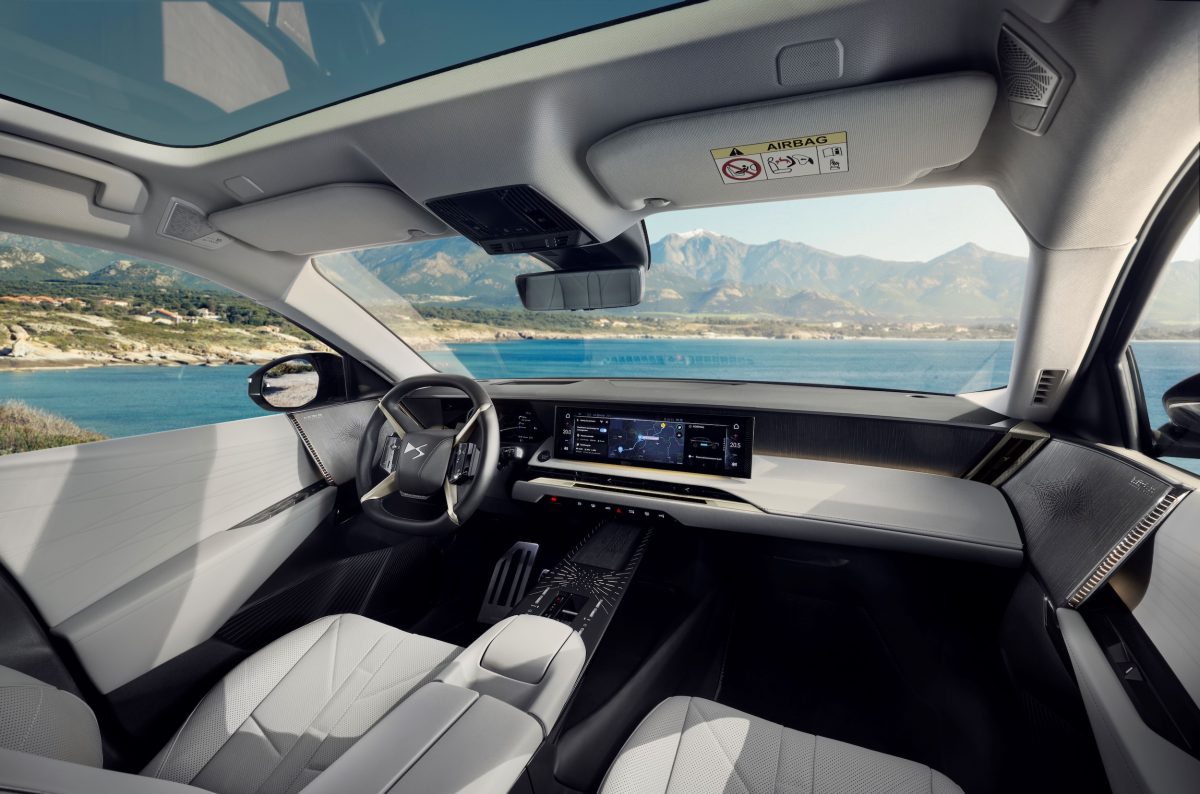
The N°7 drives more than just decently. Naturally, ‘French premium’ is geared towards comfort; thanks to ‘Active Scan Suspension’ (which ‘films’ the road to detect the roughest bumps, allowing the suspension to react in milliseconds), this is said to be even better than the competition’s. That may well be the case, though we didn’t find it particularly impressive, and a pothole is still a pothole. Yet, combined with the truly marvellous quietness, the result is certainly a satisfying glide; life becomes a long, calm river. And that’s definitely not a bad thing. The steering is ok-ish; you’re not going to be yanking the wheel about wildly anyway – and besides, the steering wheel is far too lovely to want to mistreat it. The brakes are easy to modulate, which hasn’t always been the case with electric cars. The interior is rather lovely, cosy, well-organised and tasteful. And the infotainment system is easy to understand; you’ll probably start by disabling the most annoying driver-assistance features anyway, then pair your smartphone, and that’s that. And yes, you can certainly have the interior fitted to a very high standard – the finest materials, very neat workmanship – but that’s what DS Automobiles is all about. Whether you’d be willing to fork out up to 75,000 francs for it, well…
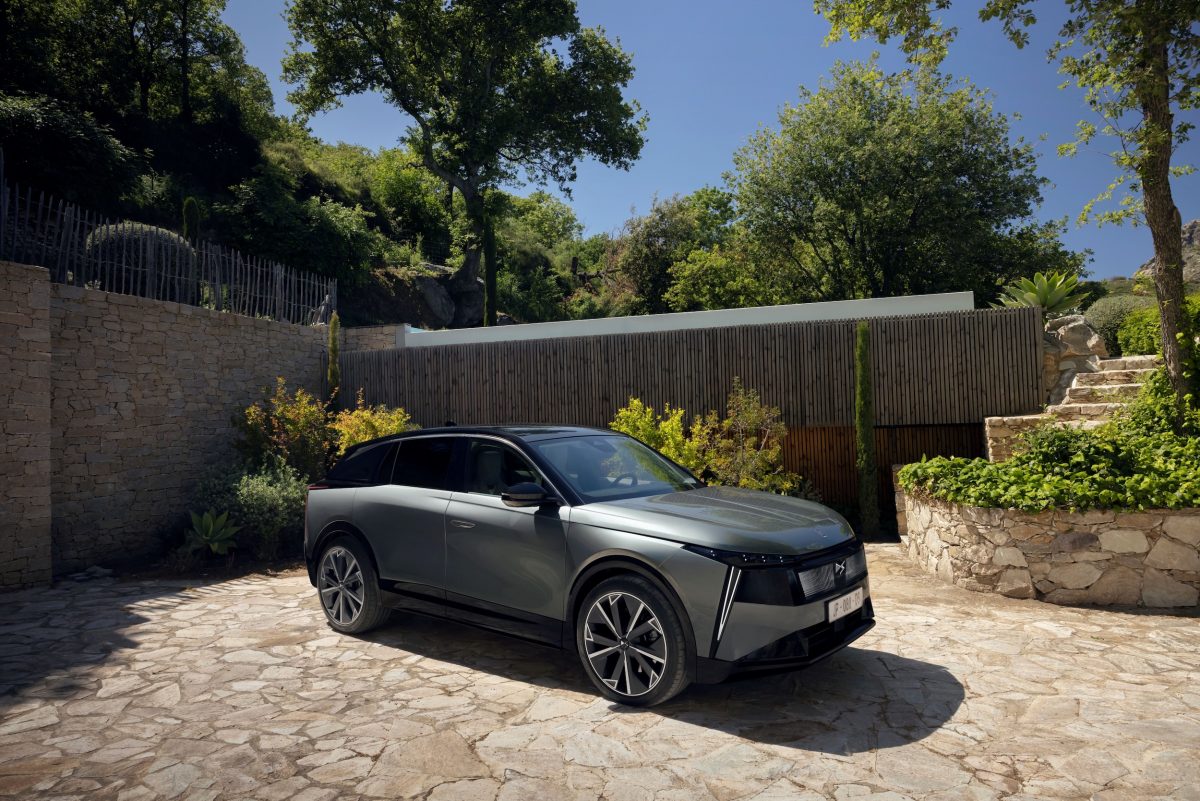
The cheapest way to get the N°7 is to opt for the hybrid, which is available from 42,900 Swiss francs. For that, you get a 1.2-litre three-cylinder engine with 145 PS (though the car itself weighs ‘only’ 1.6 tonnes). That doesn’t sound very promising – and it isn’t. If you’re just cruising along peacefully as a Sunday driver, it might still do the job, but even gentle inclines feel like Alpine passes, and you’d be better off not even thinking about overtaking. No, the plug-in hybrid is no longer available (and there’s no explanation for why); a slightly more powerful petrol version is apparently on the way – probably, or perhaps just maybe. That’s actually a shame; the N°7 is quite a nice car, but somehow you can’t quite bring yourself to believe in a bright future for it. But we’re not alone in that.


