
Not on the top
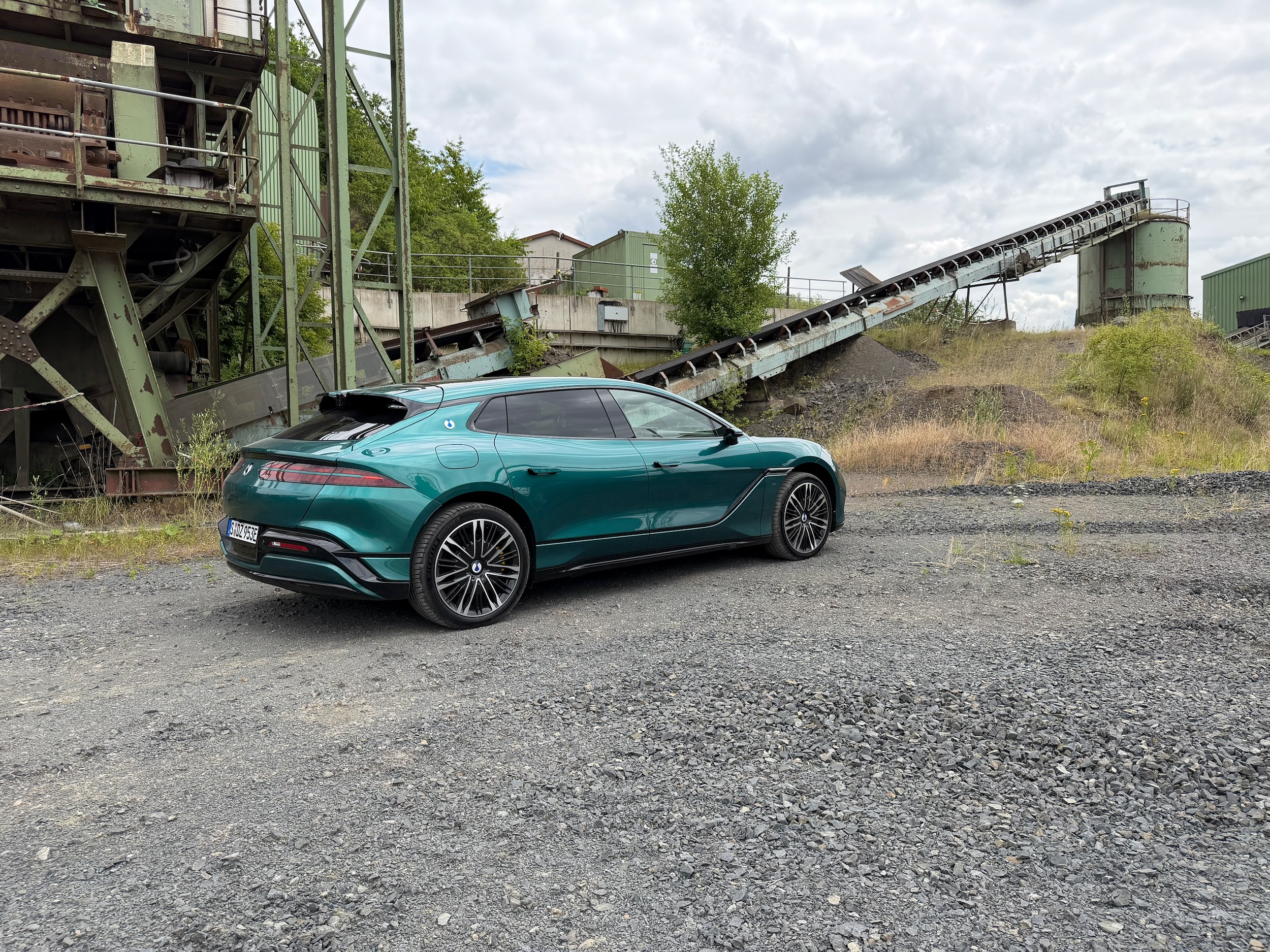
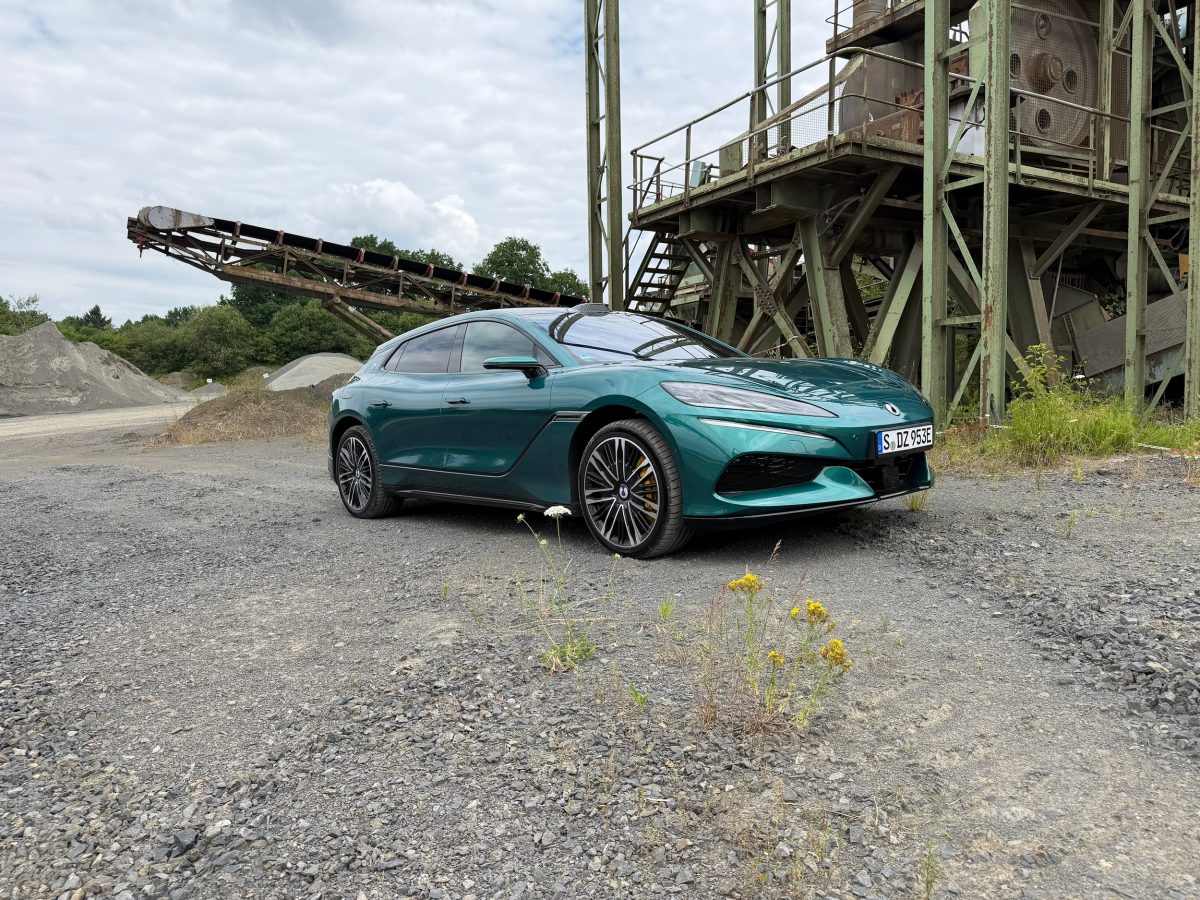
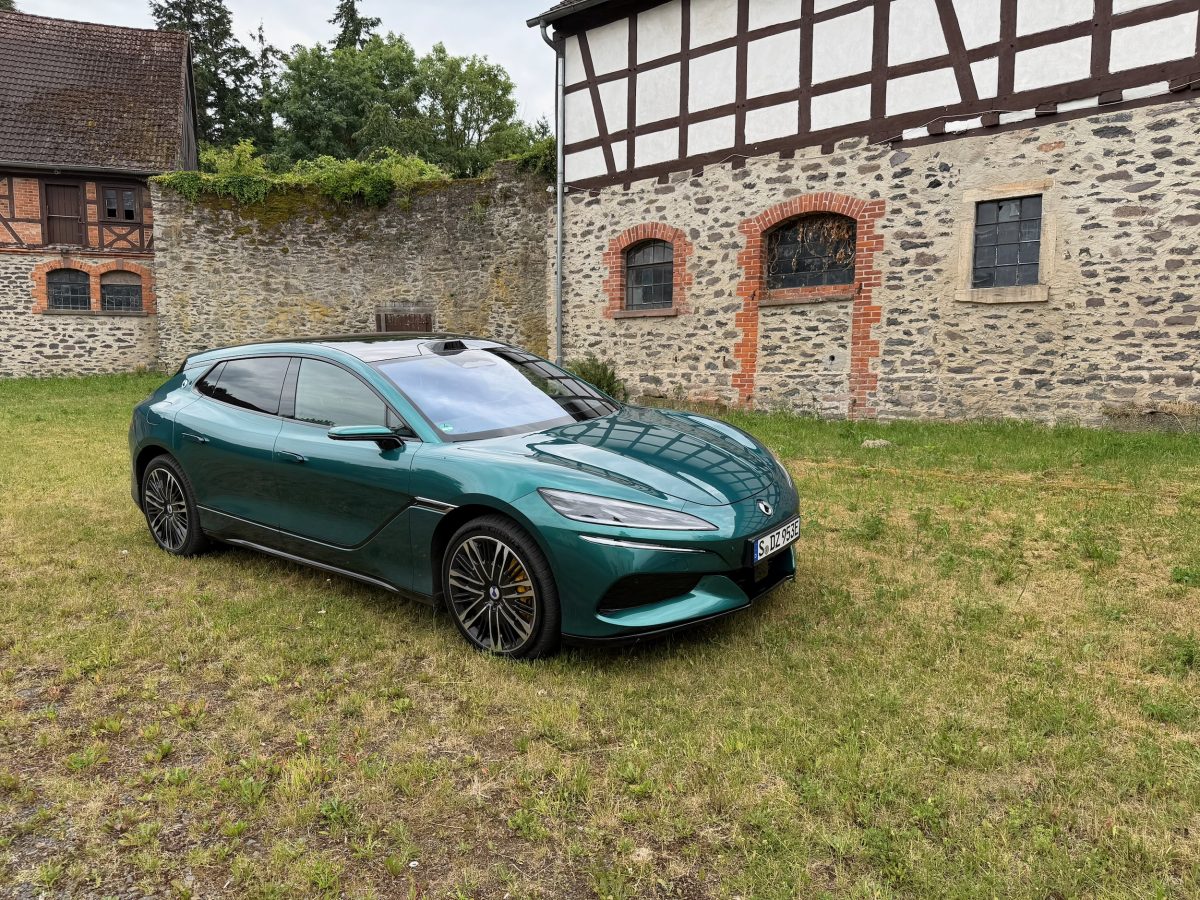
The Denza Z9GT is priced from 117,500 Swiss francs in Switzerland. This makes it currently the most expensive Chinese car in Switzerland (just ahead of the Polestar 5, which starts at 115,000 Swiss francs); the six-figure price tag alone is intended to demonstrate that the BYD subsidiary is very serious about the premium segment and all that. The technical specifications underline this ambition: three electric motors, 1,156 PS, 1,210 Nm, a 122.5 kWh LFP battery, and a charging speed of up to 1,500 kW (!). It goes from 0 to 100 km/h in 2.7 seconds and has a top speed of 270 km/h. Designed by Wolfgang Egger, dual-chamber air suspension, rear-wheel steering, torque vectoring, and so on – in short, everything that’s top-of-the-range and expensive – and which costs far, far more in the competition, such as the Porsche Taycan Turbo GT.
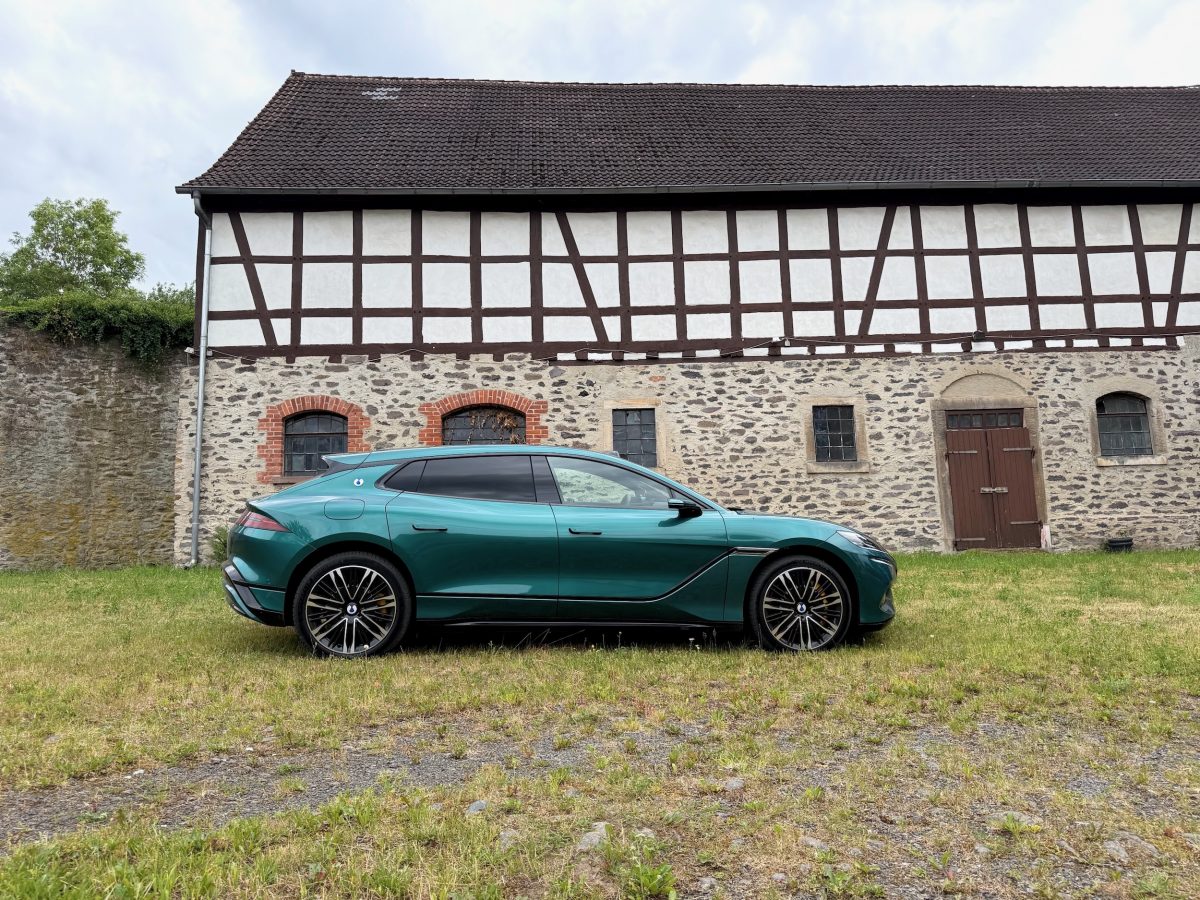
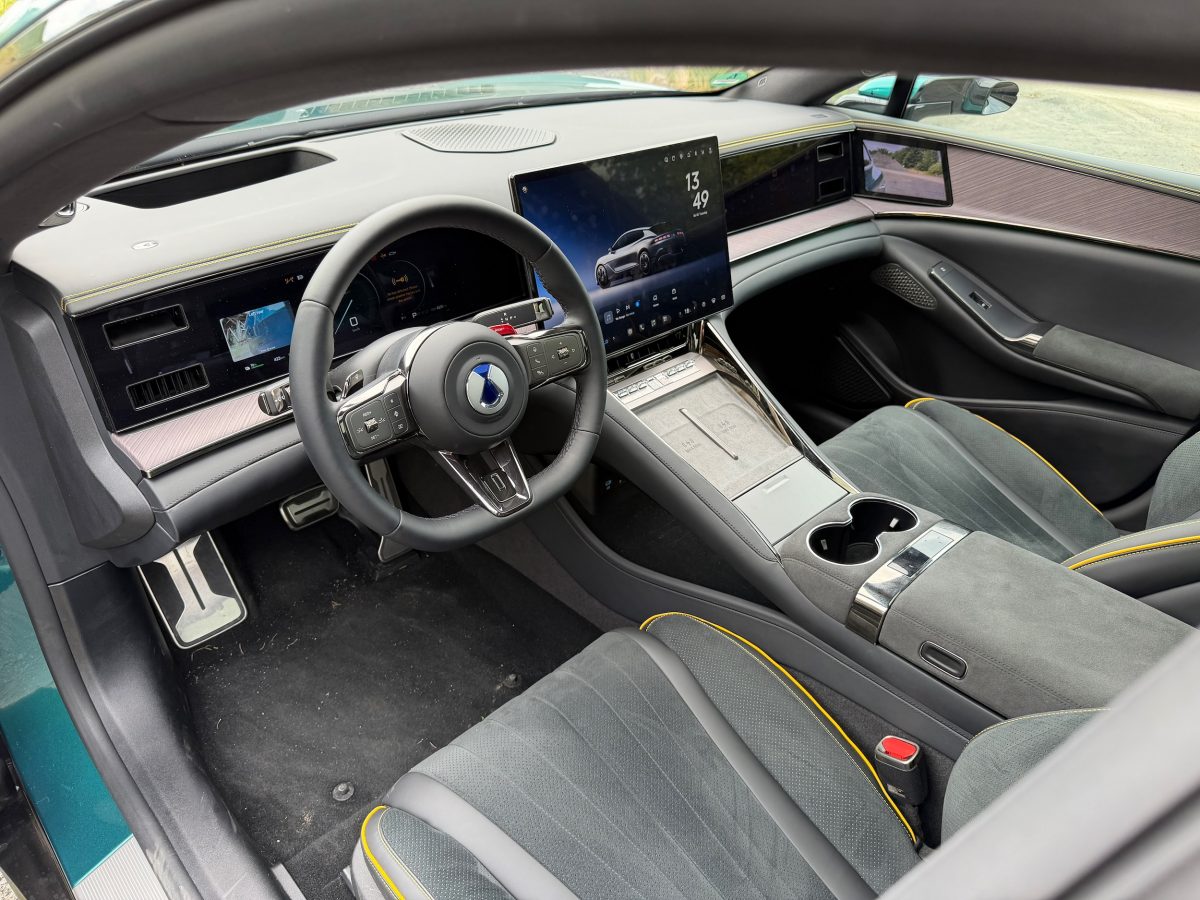
Does the Denza look good? Yes, it certainly does; there’s something about that shooting brake silhouette. The Z9GT is 5.18 metres long, 1.99 metres wide, 1.49 metres high, and has a wheelbase of 3.13 metres. The boot has an impressive capacity of 495 litres; with the rear seats folded down, this increases to 1,680 litres, and there’s also a 53-litre ‘frunk’ at the front. Inside, there’s a central touchscreen – a massive 17.3 inches – plus two smaller screens: one displaying information relevant to the driver, the other for the front passenger’s entertainment. Naturally, there’s also a head-up display. And small screens for the camera-based wing mirrors, which, thankfully, are quite easy to read. The rear seats are sumptuous, as are the front ones, though the driver’s seat is a little work of art, featuring ventilation designed to counteract the forces experienced when cornering.
There’s attractive leather and even real wood – and yet it doesn’t quite feel premium; it all seems so sterile and artificial. You can tell that it wasn’t crafted by the grand master who’s been personally selecting the leather and wood for 40 years and then fitting them with precision; they’ve probably just asked AI how best to achieve this efficiently. Admittedly, Egger certainly knows the best suppliers and can get whatever he wants from them, but a crash course in interior design and finish simply cannot replace the experience gained over many a decade in the luxury segment; fortunately, there are certain things money cannot buy. But this is just moaning on a very high level; after all, a Bentley or a Porsche costs a lot more, so you’re effectively paying for those years of experience as well. Our test drive was too short to provide a detailed assessment of the infotainment system.
What we did notice, however, on this trip, is that you can’t simply buy a good chassis either. What the Denza does well is glide along peacefully and comfortably, even at higher speeds; the wheelbase of over 3 metres ensures excellent stability. But most cars with good longitudinal dynamics can do that – the car’s hefty weight of 2.9 tonnes (!) and, of course, the sophisticated air suspension certainly help. But in the German Car of the Year #GTEST, I always drive the same route (see also: Land Rover Defender Octa), and there are some narrower streets with a few nasty bends – and the Z9GT just doesn’t handle those very well. Sure, it’s a large, heavy car – that’s certainly not its preferred terrain – but what the rear-axle steering gets up to there has to be described as odd. Smooth, cleanly taken bends suddenly become angular – and as the driver, I’ve no idea why. The Denza’s steering is actually good, with decent feedback from the front axle (we’ll come back to that), but what’s happening at the rear is completely unnecessary, baffling – and certainly doesn’t inspire confidence.


Another point: if you press the accelerator a bit harder, the Chinese car rears up like the Ferrari prancing horse. Then the front axle becomes very, very light – and it becomes almost an adventure just to drive in a straight line. Then slam on the brakes – in this case, expensive ceramic brakes – and the exact opposite happens: the Denza becomes very light at the rear. Well, other manufacturers can do this better – much better – Dacia, for example. And I had the feeling that the brake pedal became softer with every slightly more forceful press; I didn’t have any problems, but I didn’t really feel confident either. There’s still a great deal of room for improvement across the whole chassis; perhaps Denza would have been better off starting with 1,000 PS less and without all the bells and whistles. Because a tyre-shattering ‘crab walk’ like the one the Z9GT can pull off is of absolutely no use to me in everyday driving.


Now, the discerning reader might object: you don’t actually have to constantly push these things – or any car, for that matter – to their limits. I can agree with that, at least in part, because, firstly, the reviewer simply enjoys doing it. And secondly, you simply have to be able to expect a vehicle with more than 1,000 PS to have its driving dynamics properly under control; otherwise, it must be classified as dangerous, or at the very least significantly overpowered. Above all, however – and this is the third point – it’s about how a car reacts in emergency situations; evasive or braking manoeuvres, for example, mustn’t pose a problem even for the layperson. And in that respect, I really cannot give the Denza top marks.


It’s certainly true that the better electric cars are coming from China; they’ve left the Europeans far behind, and that gap can no longer be closed, because, as we know, the Chinese do not rest on their laurels. But where it’s more about emotion, craftsmanship, fine materials, the feel of the car, and also driving pleasure – in other words, things you can’t simply learn or hand over to some computer programme, but must sense and feel – there remains a considerable gap. And of course you could put Daniel Craig behind the wheel of a Denza Z9GT – he won’t be able to afford the Aston Martin on his James Bond pension anyway.
Comments are closed, but trackbacks and pingbacks are open.