

Das (wunderbare) Gebastel
Gut, er sieht aus, als ob ein Halbstarker aus einem Vorort von Bochum oder aus Zürich-Schwamendingen mit reichlich Spachtelmasse am ausgelutschten 76er Fiat 131 seiner Grossmutter zugange gewesen wäre. Und irgendwo unterwegs noch die Stossstangen verloren hätte. Aber falsch: Beim Fiat 131 Abarth Rally Stradale handelt es sich um ein Gerät, das die Basis darstellte für gleich drei Konstrukteurs-WM-Titel der Italiener (1977, 1978, 1980) plus eine Fahrer-WM (Walter Röhrl, 1980). Es waren auch keine Bastler, die sich am Fiat austobten, sondern Bertone, diese einst so hochwohlgeborene Carrozzeria, die zweitürige Roh-Karossen direkt ab dem Band in Mirafiori nehmen durfte, dann Kunststoffteile anfügte, die feissen Kotflügel vorne und hinten, Kofferraumdeckel, Motorhaube; die Türen bestanden aus Alu, die Seiten und Hekscheiben aus Plexiglas. Dann gab es etwas Lack drauf, einen Rest von Innenausstattung, einen Transport ins Fiat-Werk Rivalta, wo dann Fahrwerk und vor allem Motor in den nur gerade 1020 Kilo schweren Stradale montiert wurden. Federführender Designer war übrigens: Marcello Gandini.


Das Maschinchen des Fiat 131 Abarth Rally Stradale wurde von Abarth präpariert, der 2-Liter-Reihen-Vierzylinder war mit einem Vierventil-Kopf versehen, dazu gab es einen Weber-Doppelvergaser 34 ADF, was die Leistung auf 140 PS bei 6400/min und das maximale Drehmoment auf 172 Nm bei 3600/min brachte. Ja, 1976 war das grob. Das 5-Gang-Getriebe kam aus dem ganz braven Seien-131er, es wurden ihm jedoch die Synchronringe ausgebaut, denn für die Homologation durften nur unsynchronisierte Getribe verwendet werden. Auch die Standard-Bremsen mussten weg, es kamen für die 400 Exemplare des Stradale, welche das Reglement forderte, die völlig unterdimensionierten Bremsen des Fiat 127 zum Einsatz; im Renn-Trimm war die Wahl der Bremsanlage frei, da konnte man sich für die «Serie» das teure Zeugs sparen. Hinten hatte der Fiat 131 Abarth Rally Stradale eine McPherson-Einzelradaufhängung, ähnlich jener aus dem Fiat 124 Abarth Spider mit Querlenkern, Längslenkern und Federbeinen. Das Sperr-Differential kam aus dem noblen Fiat 130, verfügte aber über ein Alu-Gehäuse.


Nun, der Fiat 131 Abarth Rally Stradale sah ziemlich böse aus – und war es für damalige Verhältnisse auch. Klar, in der Rennausführung waren da dann noch ganz andere Möglichkeiten, Trockensumpfschmierung zum Beispiel, Kugelfischer-Einspritzung, Bilstein-Dämpfer (die Röhrl mitbrachte) – mit etwa 240 PS und 950 Kilo Kampfgewicht war der Fiat 131 Abarth definitiv konkurrenzfähig. Seine Schwäche war der nicht immer zuverlässige Motor, der deutlich weniger Power hatte als sein härtester Konkurrent, der Ford Escort RS1800 mit seinen bis zu 280 PS. Aber dafür war der Fiat ausgesprochen gutmütig zu fahren, Röhrl liebte ihn, quasi mit einer Hand war er zu dirigieren (der Fiat, nicht der Röhrl).


Ob wirklich 400 Exemplare des Fiat 131 Abarth Rally Stradale entstanden – wer weiss das schon? So richtig viele haben nicht überlebt, manch ein gutes Stück – die meisten waren in Rosso Arancio lackiert – musste als Basis für den Kunden-Rennsport hinhalten, andere gingen direkt in die Wand oder über einen Abgrund, deshalb sind die Preise heute für gute «Stradale» doch sehr hoch, es wurden auch schon über 200’000 Euro bezahlt. Das Exemplar, das wir hier zeigen (Chassis-Nummer 2049112) kam Ende Februar 2023 bei Silverstone Auctions unter den Hammer und wurde auf mindestens 120’000 Pfund geschätzt.


–
Chassis-Nummer: 131A00*00741654

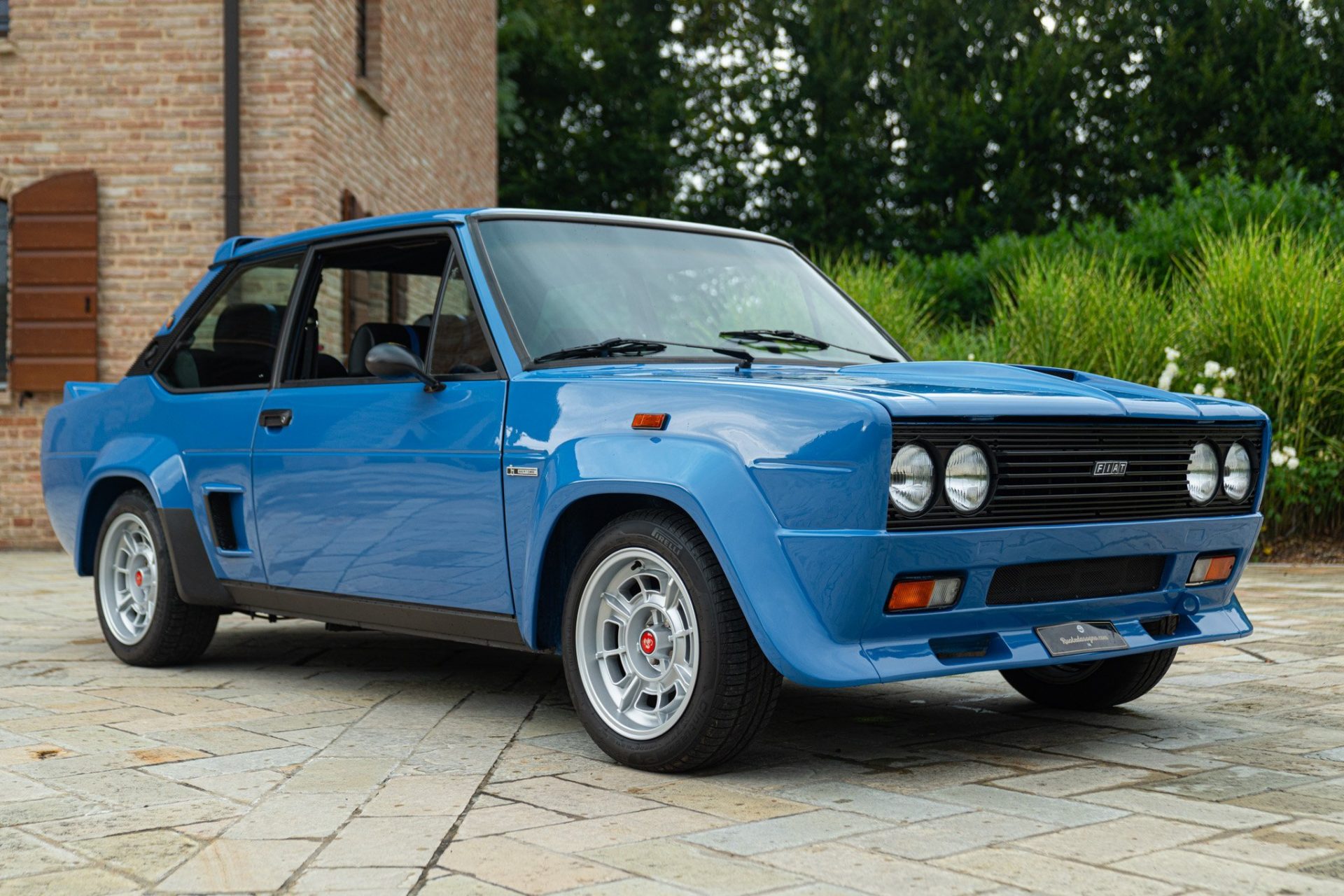


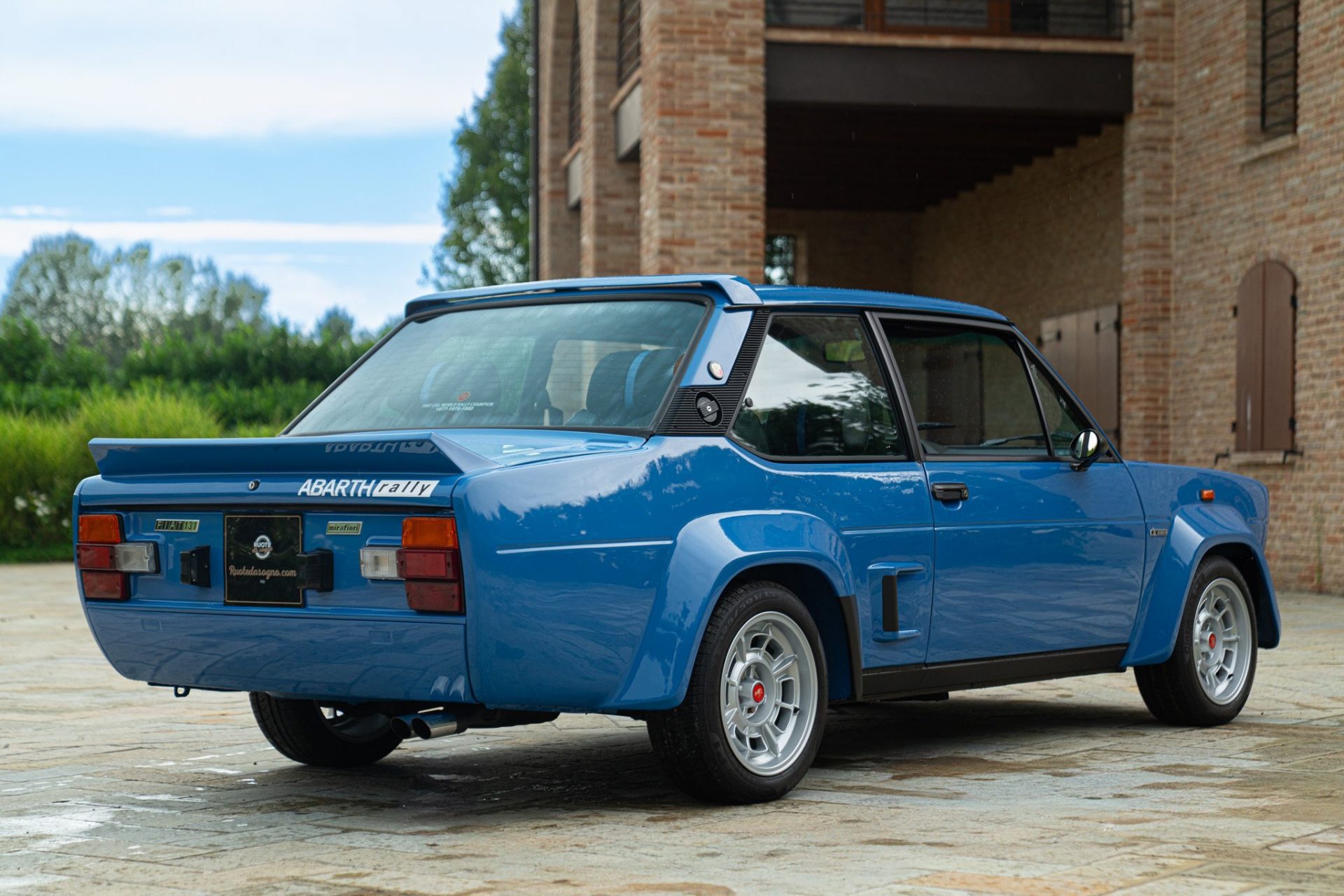

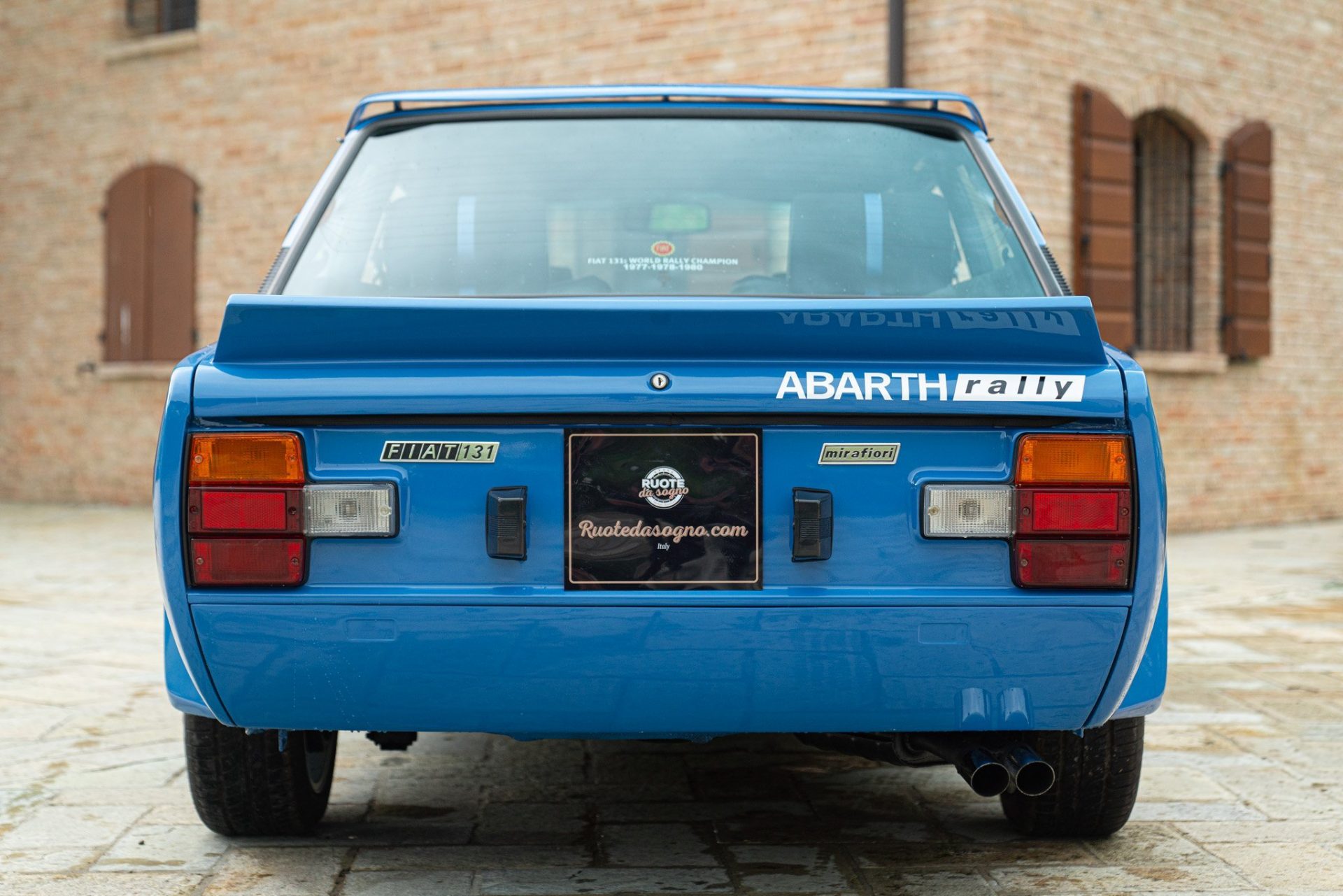


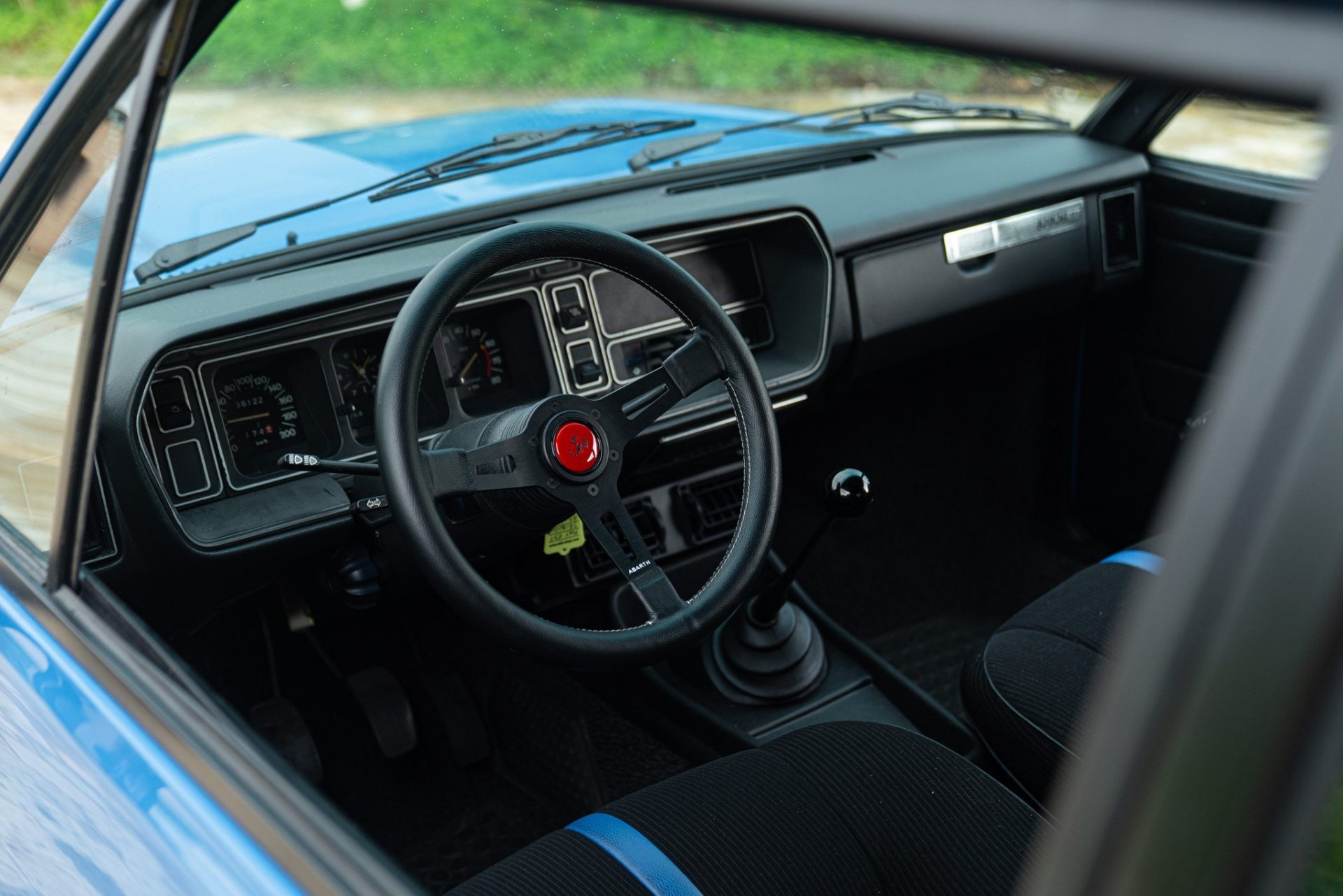


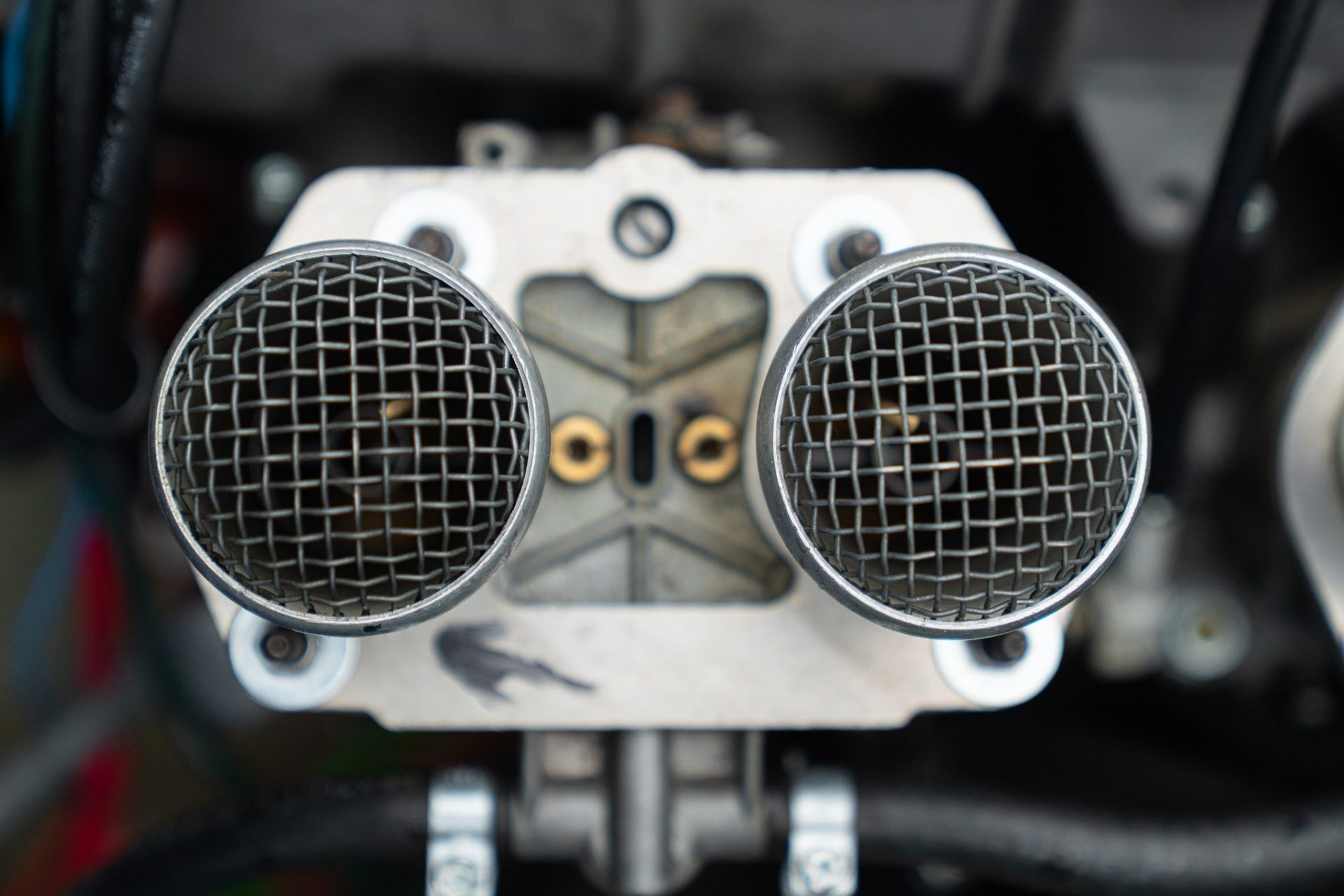

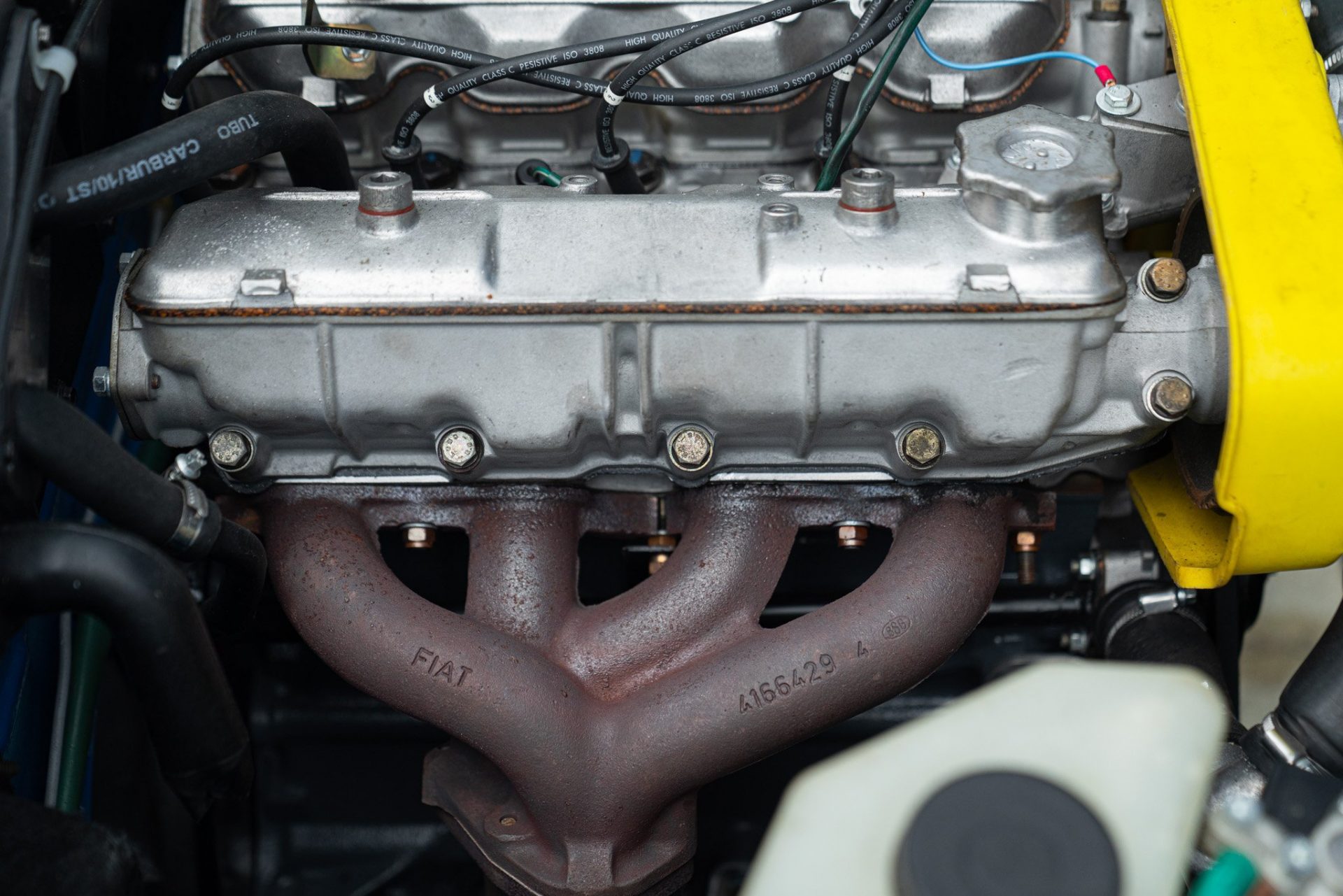
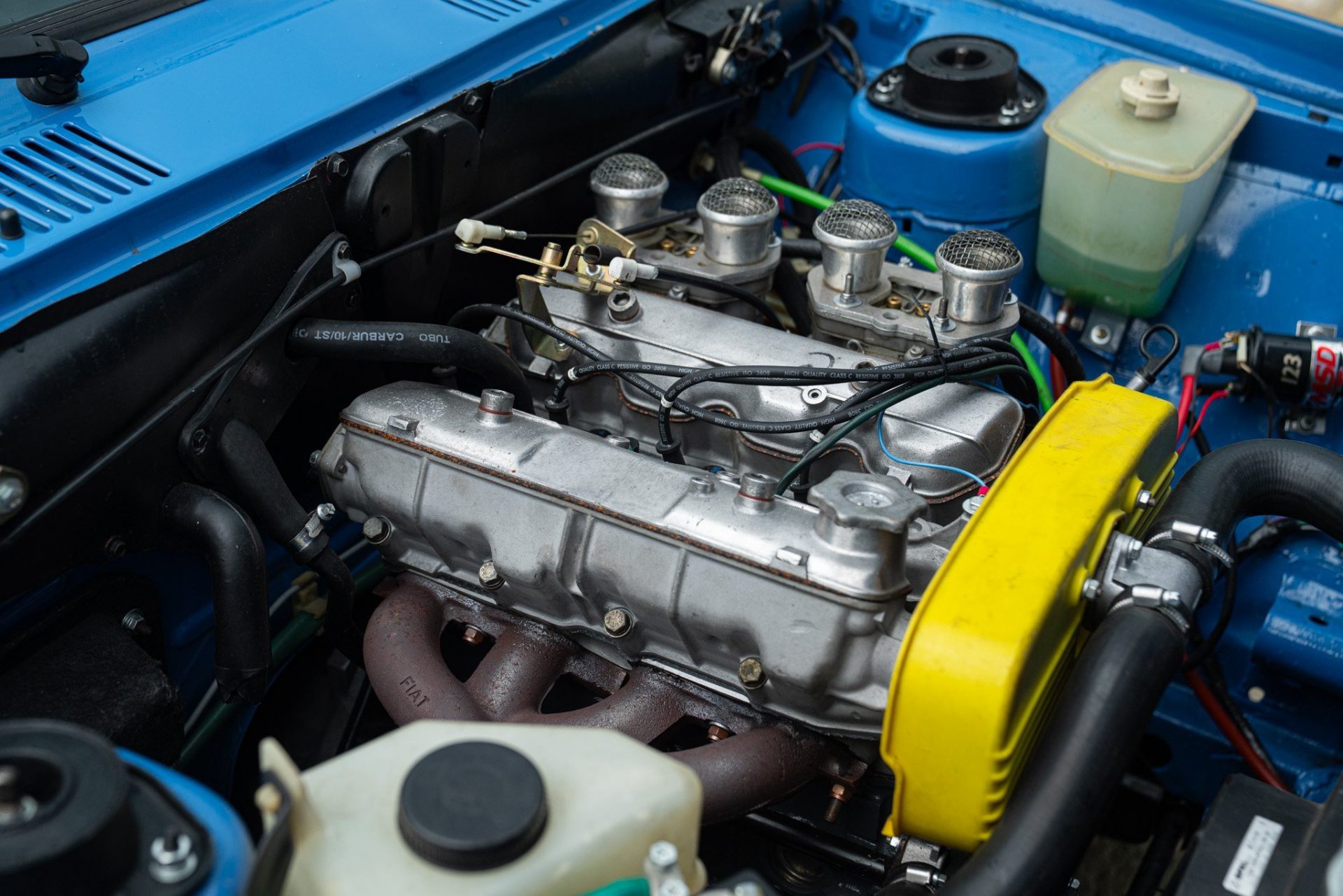

Steht zum Verkauf bei Ruote da Sogno (September 2025).
–
Chassis-Nummer: 131AR*2035579


Auktion: Artcurial, Paris 2025, Schätzpreis 100’000 bis 140’000 Euro. Ist eigentlich ein ganz «normaler» 131 Abarth Rally, wurde erst kürzlich auf Gruppe-4-Spezifikationen umgebaut – leider.
–
Chassis-Nummer: 131AR2036018


Auktion: Broad Arrow, Global Icons Online 2026, Schätzpreis 150’000 bis 175’000 Euro, mit diesen Angaben: «This example was originally owned new by Francesco Rossetti, a noted racing driver from Pescara and proprietor of the local Fiat dealership, who prepared the car to full Group 4 specification using the official factory-supplied kit. One of just 400 homologation examples produced, it is among approximately 75 cars believed to have competed in major championship events of the period, and is further recorded in the official register of Italian motorsport. Campaigned extensively, it enjoyed a long and successful competition career, particularly in Italian hill climbs between 1979 and 1983, where it consistently achieved class-leading results in Group 4 up to 2000 cc. This includes numerous first-place finishes at events such as Rieti-Termillo, Sarnano-Sassotetto, and the Coppa Selva di Fasano. It remained an active competitor into the mid-1980s, later returning for historic appearances through the late 1990s and 2000s. Retaining its highly developed Group 4 configuration, this early-series example benefits from maximum period preparation with carburetors, along with other developments. The mechanics have since been comprehensively overhauled including a complete engine rebuild a noted Abarth specialist. Inside, the largely original interior presents well with its original dashboard, period-correct OMP sports seats, and a three-spoke Abarth steering wheel trimmed in black leather. Additional details include the period correct combination of Cromodora alloy wheels at the front and Gotti units at the rear. Accompanying documentation is extensive, including a large file of race entries, results, and period articles. Remaining in single ownership until 2006 and carefully preserved thereafter, this 131 Abarth stands as a rare, fully documented example of a factory-supported Group 4 competition car.»
–
Chassis-Nummer: 131AR 2040104
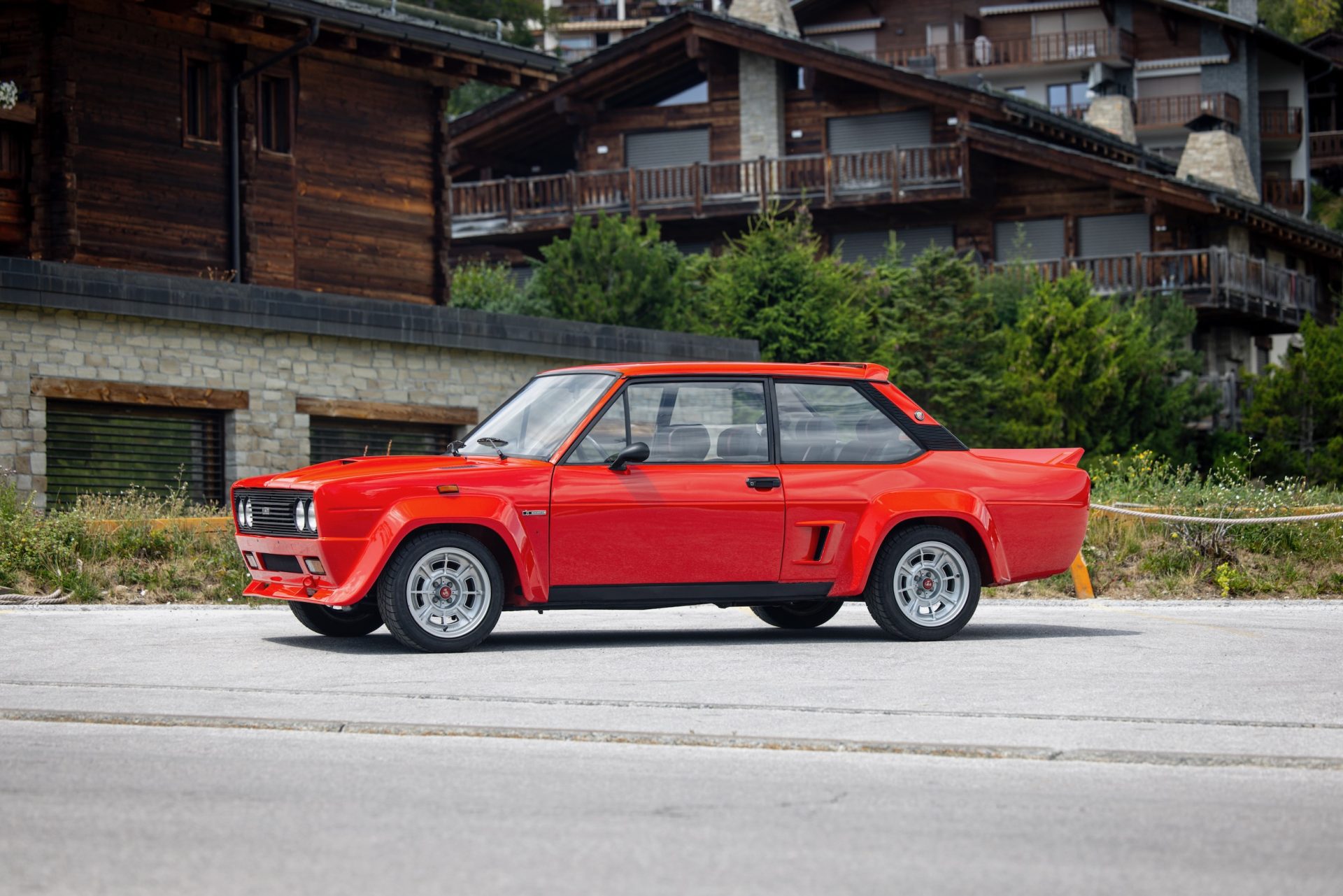


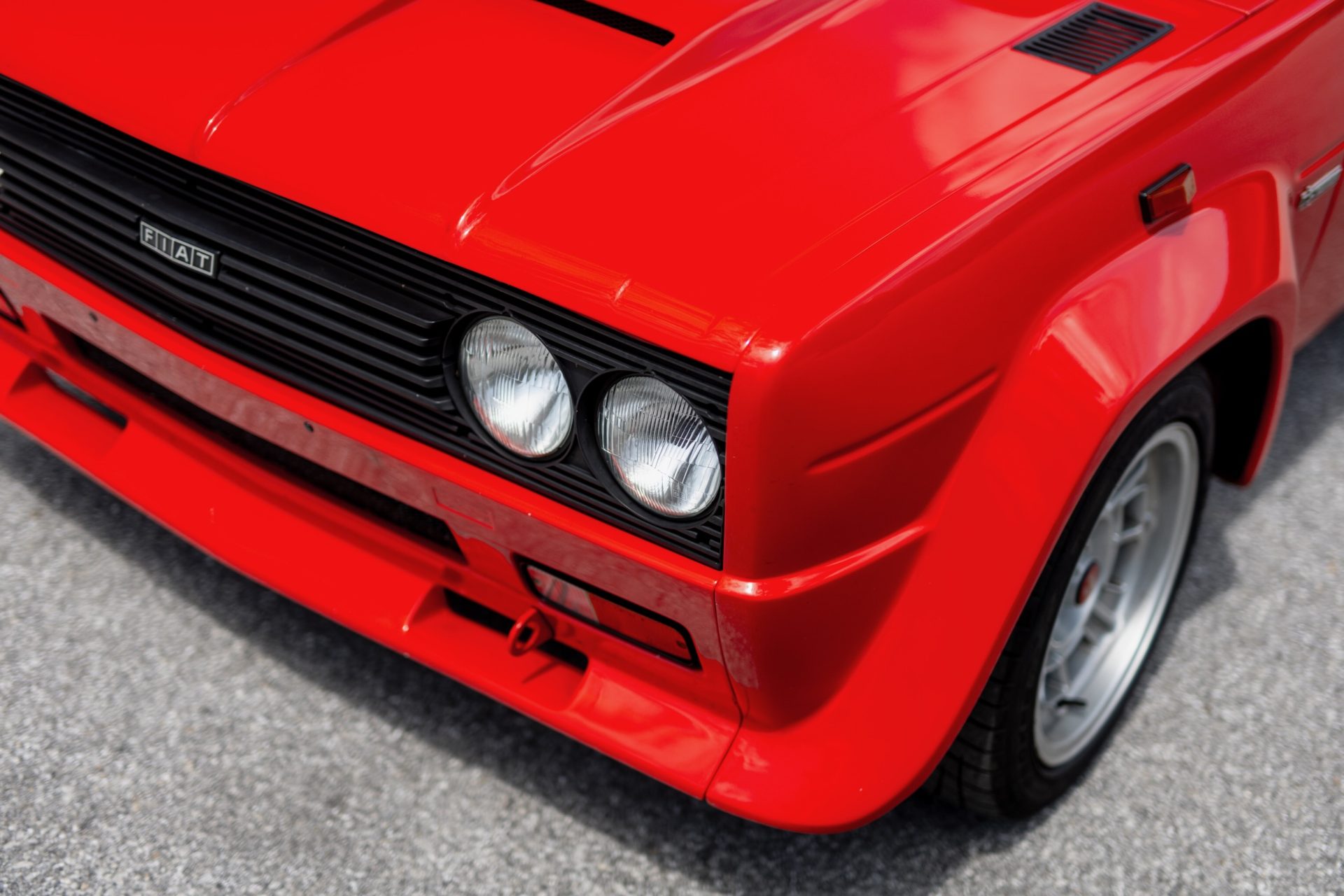
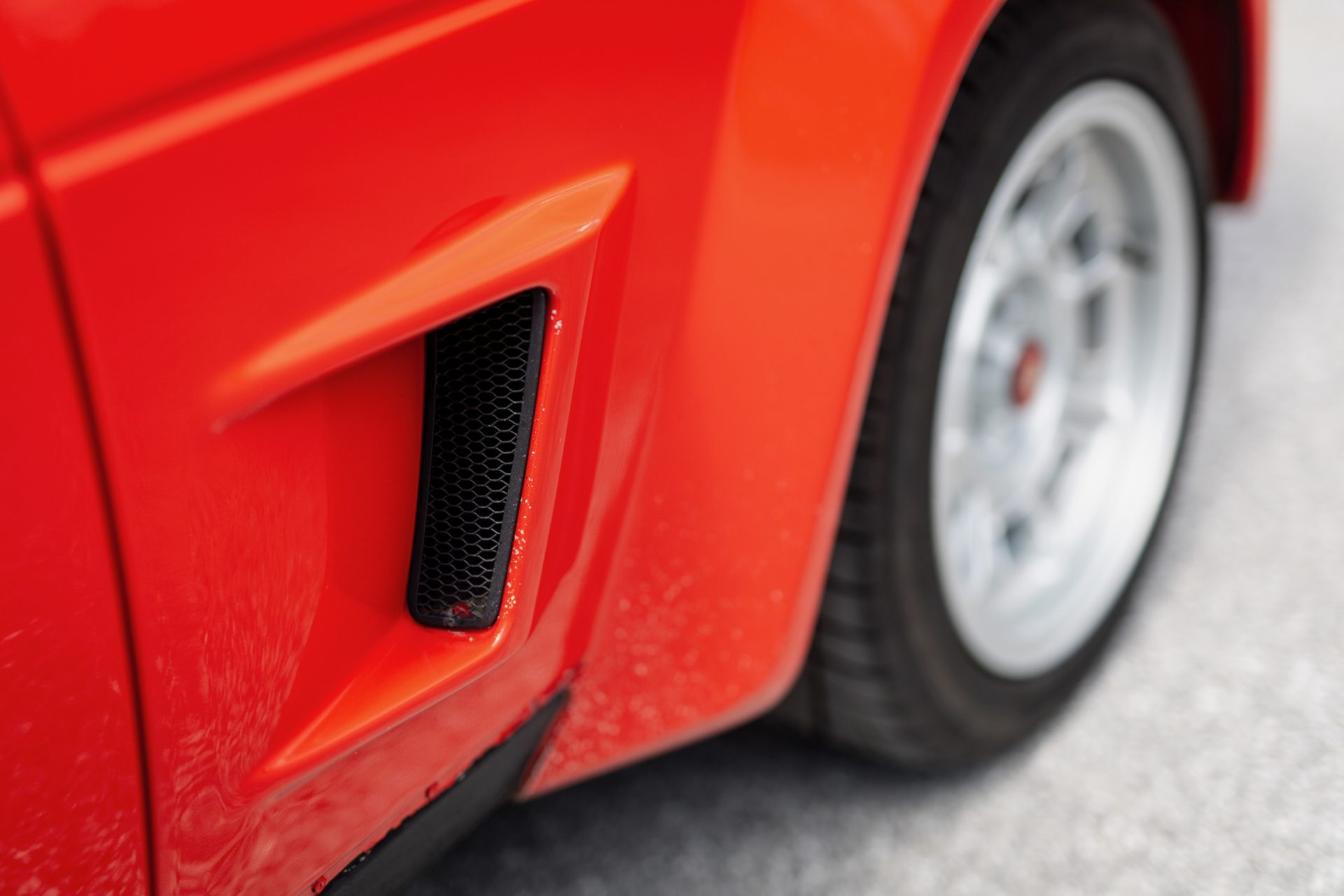
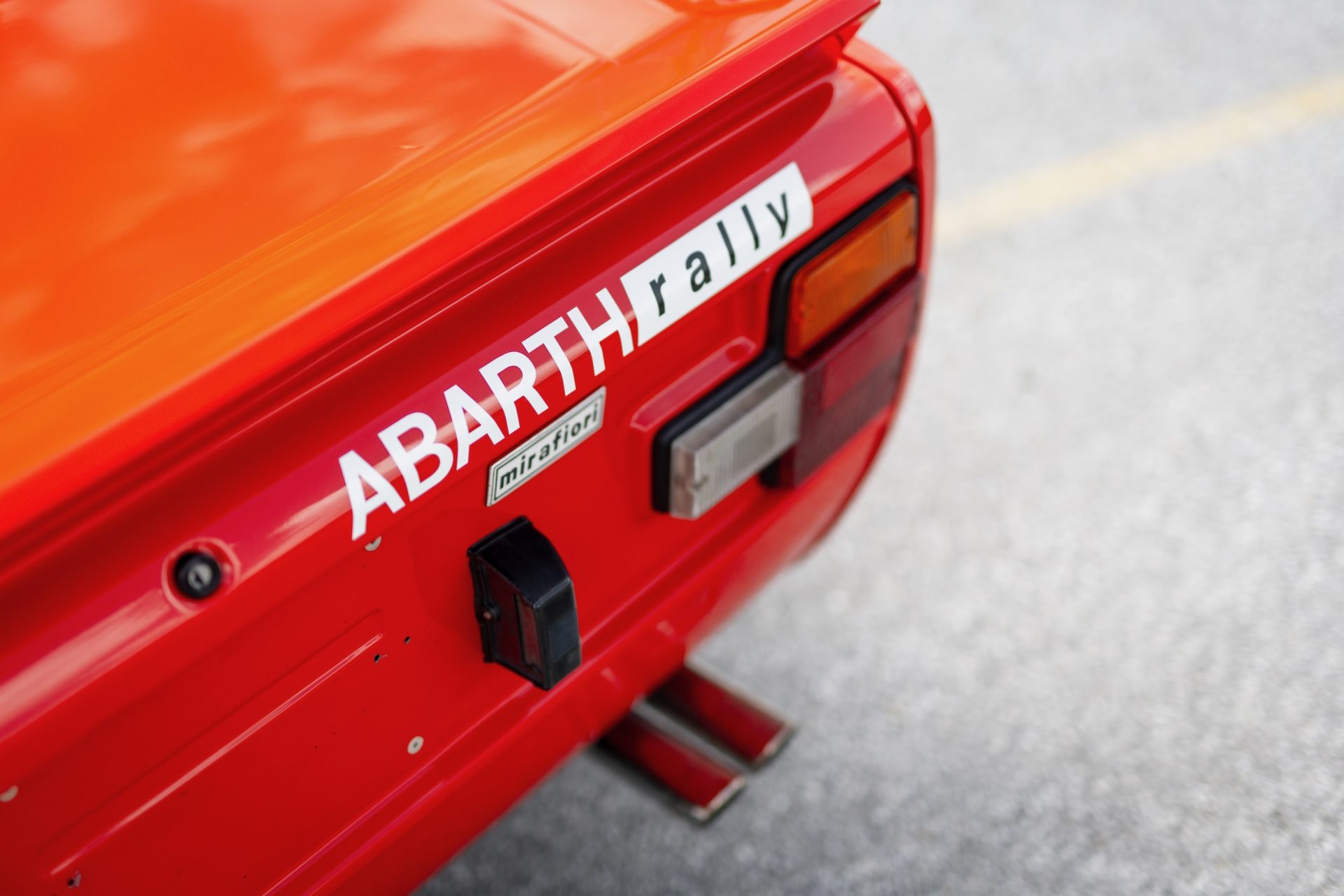
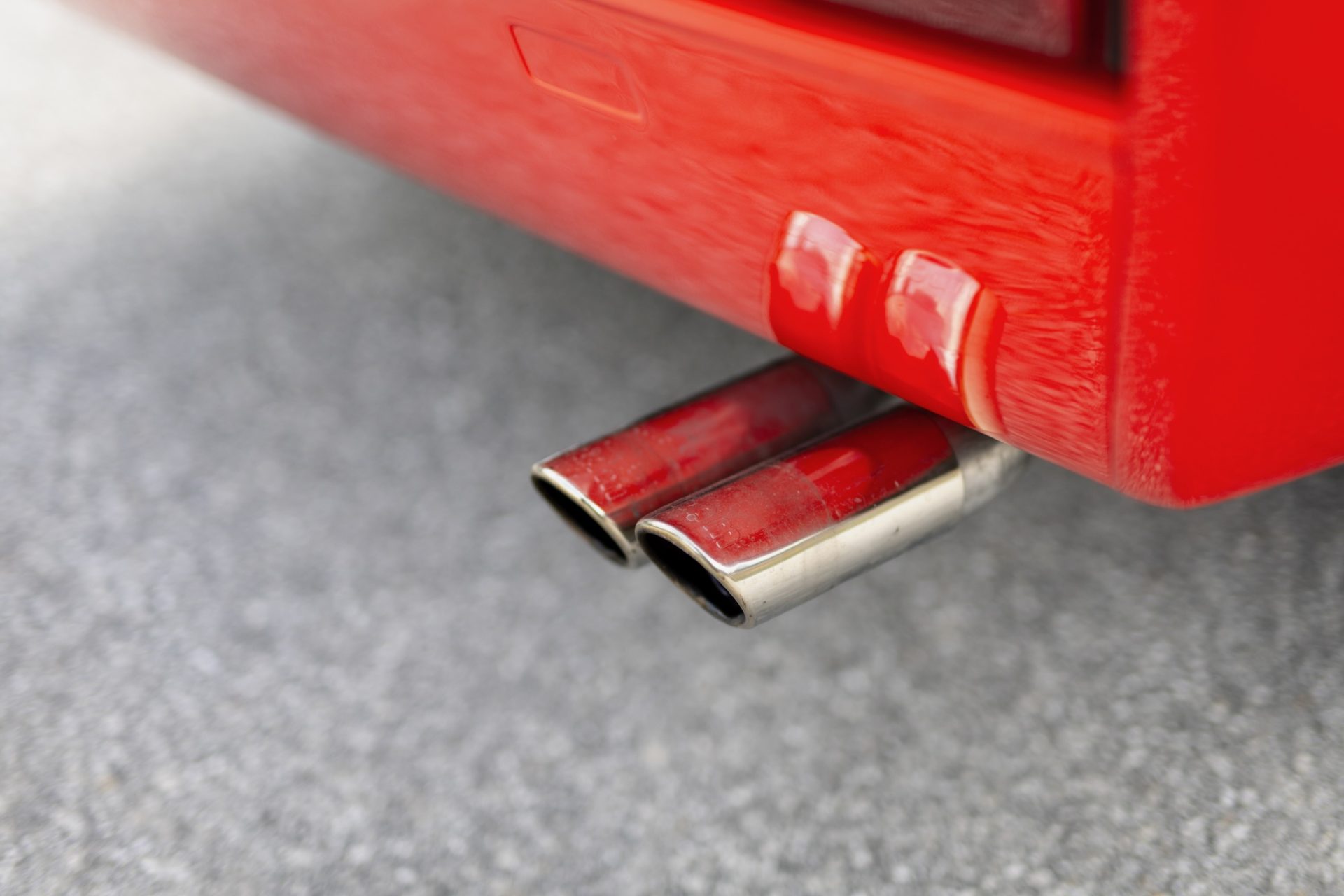
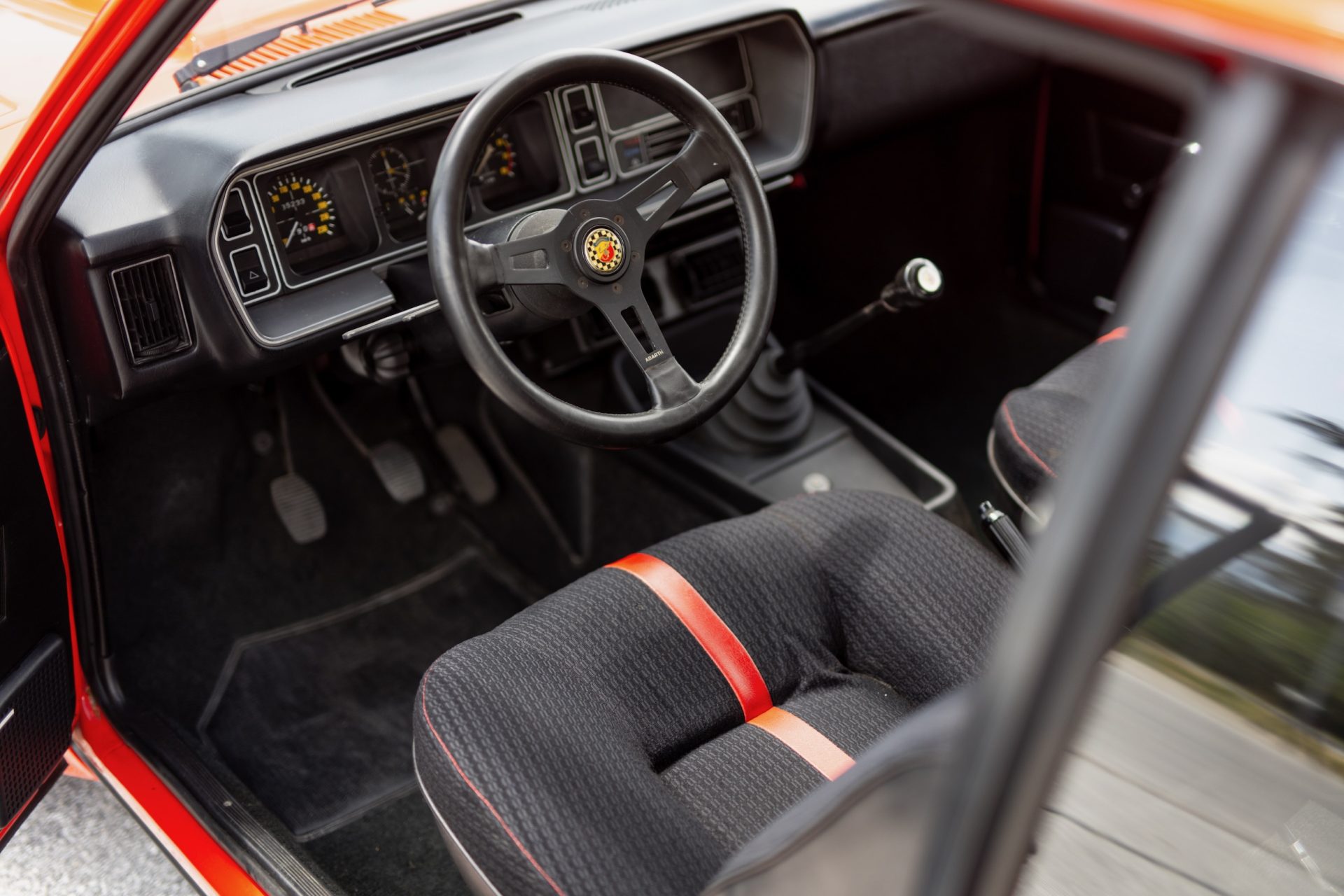
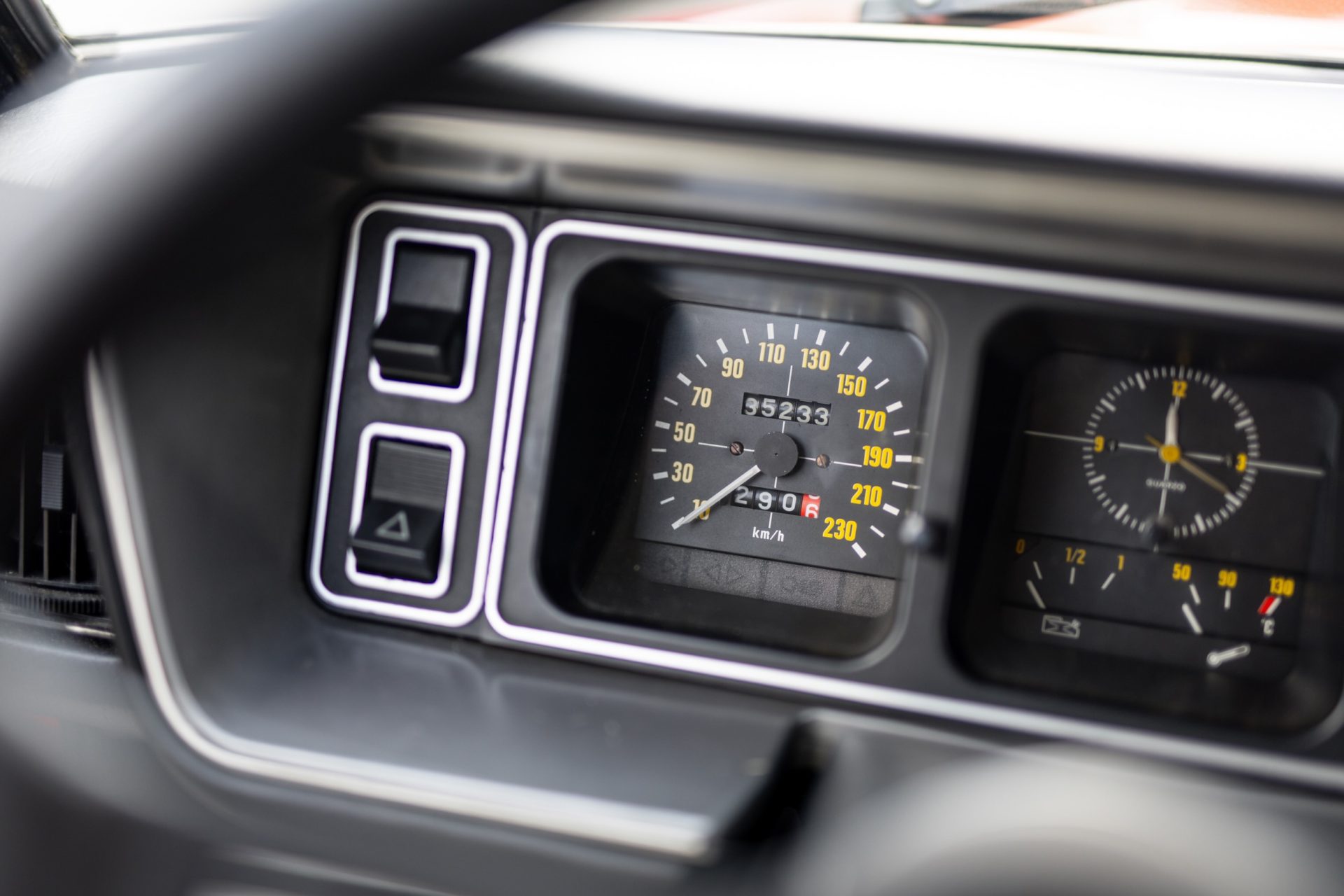
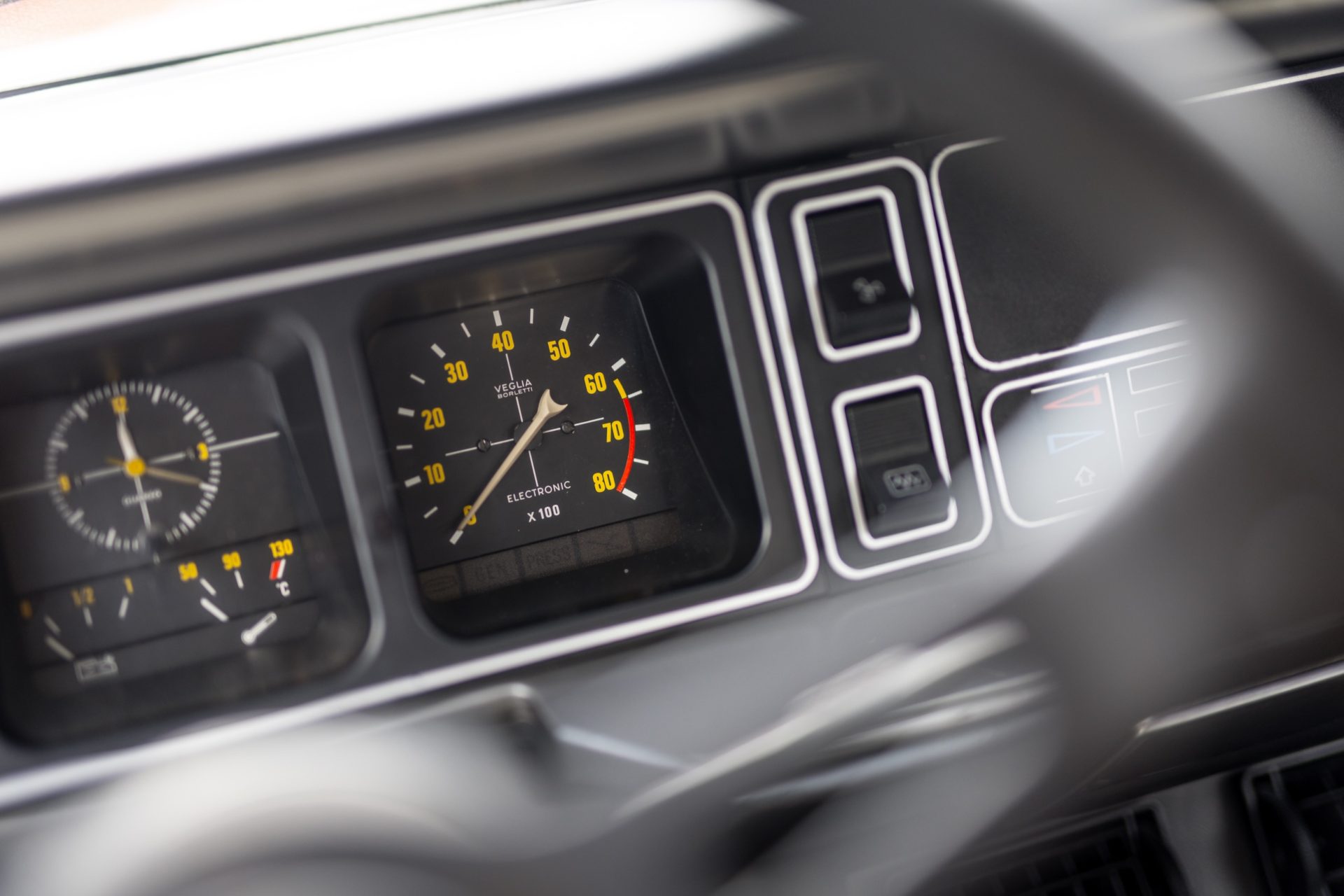
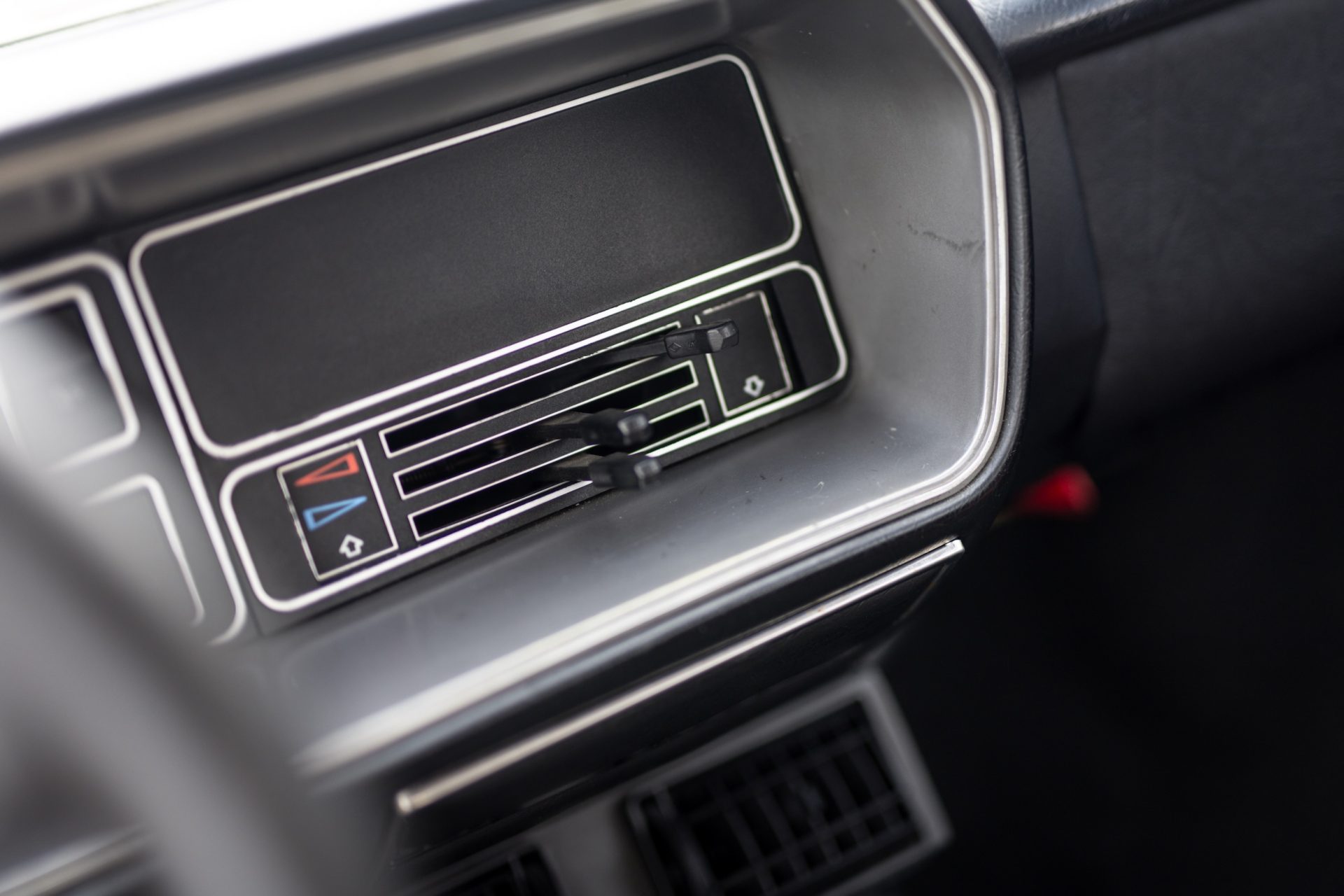
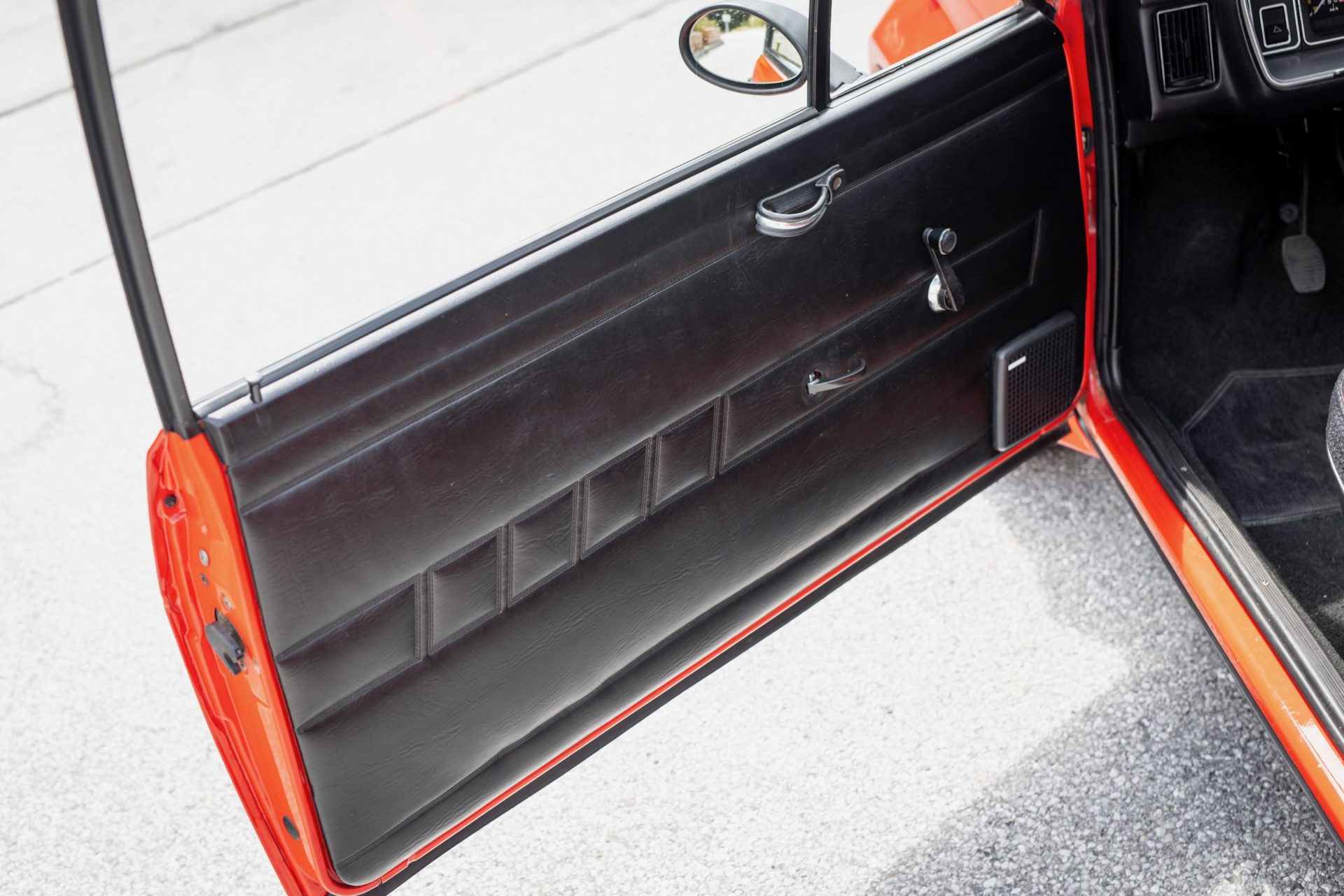
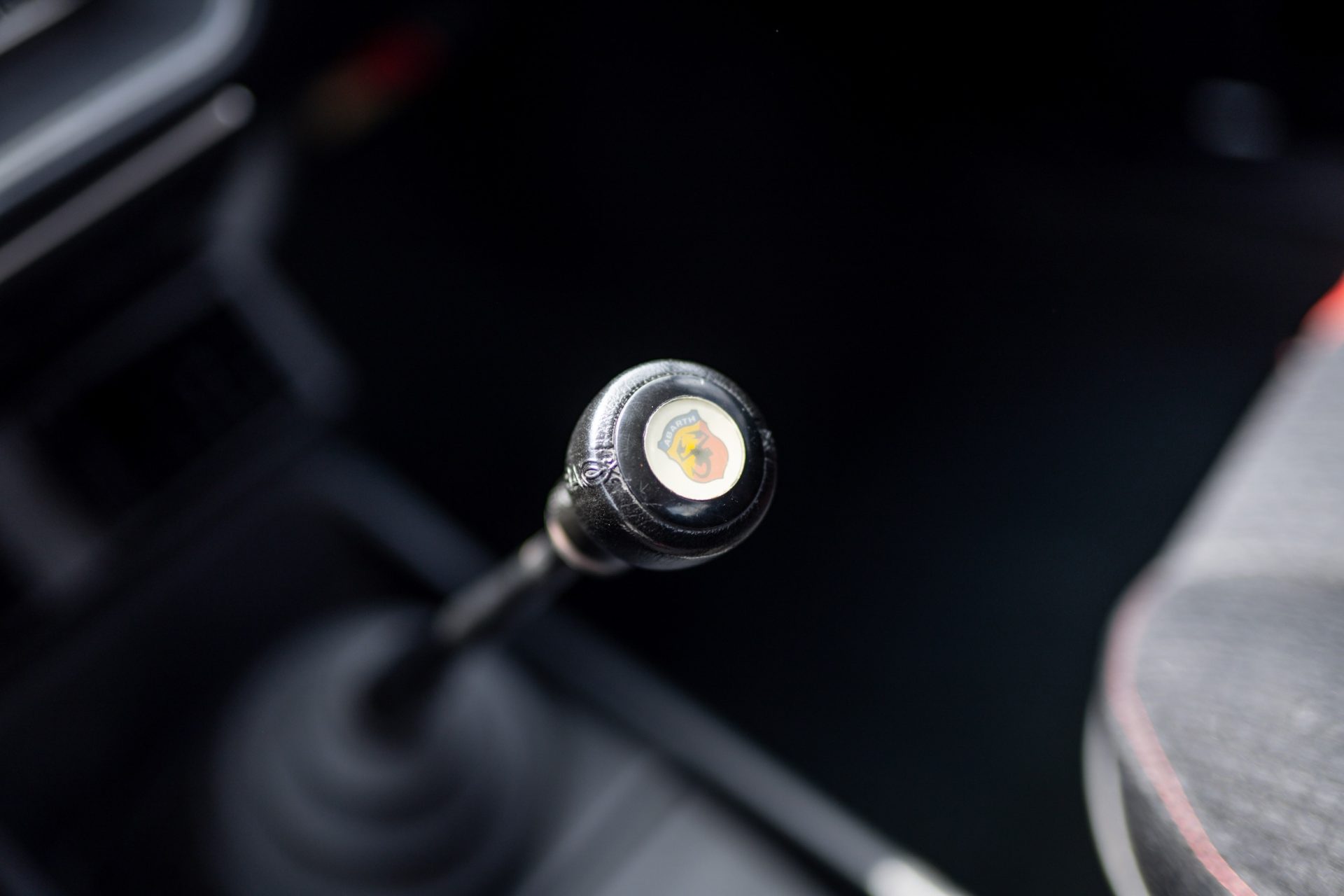
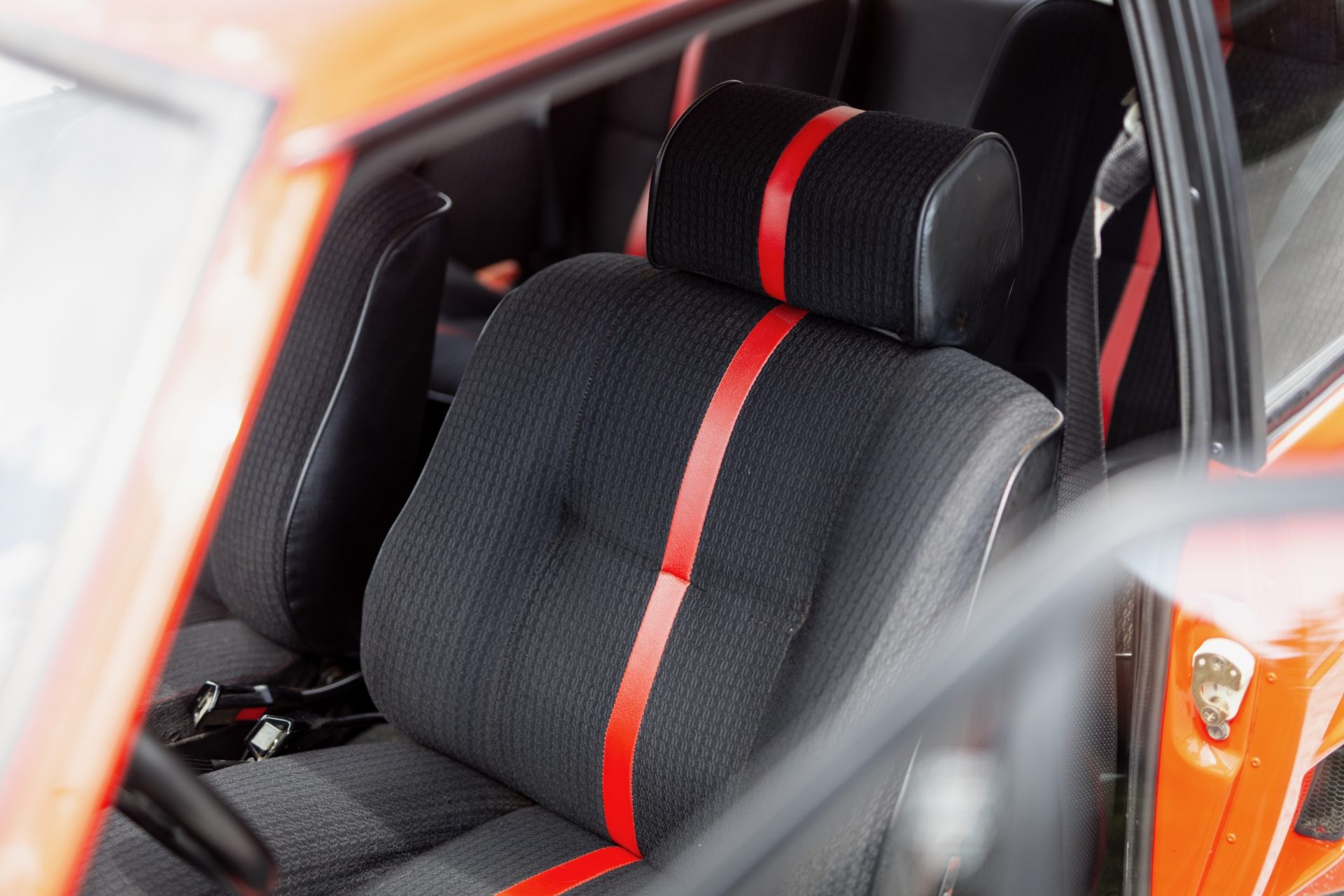

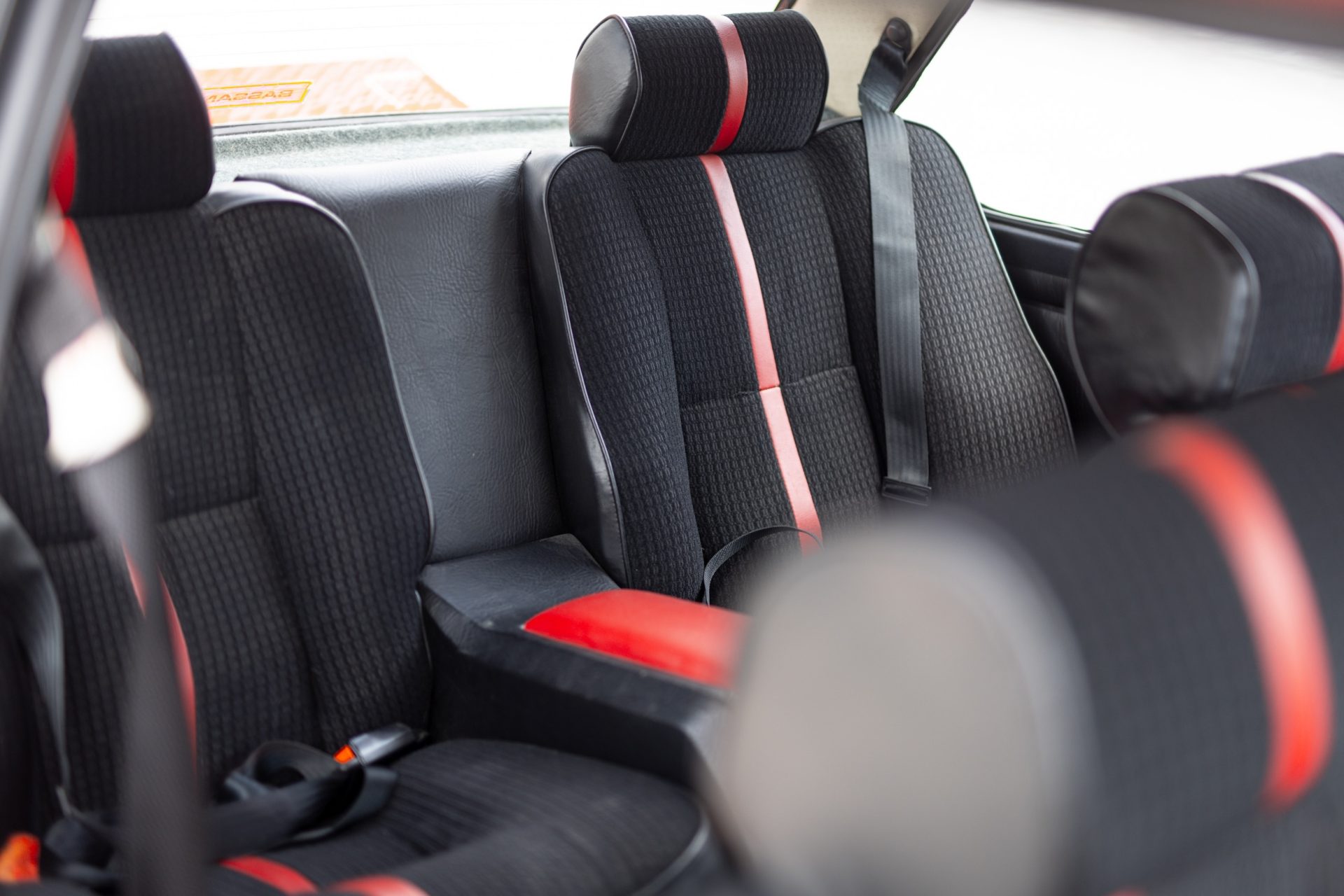


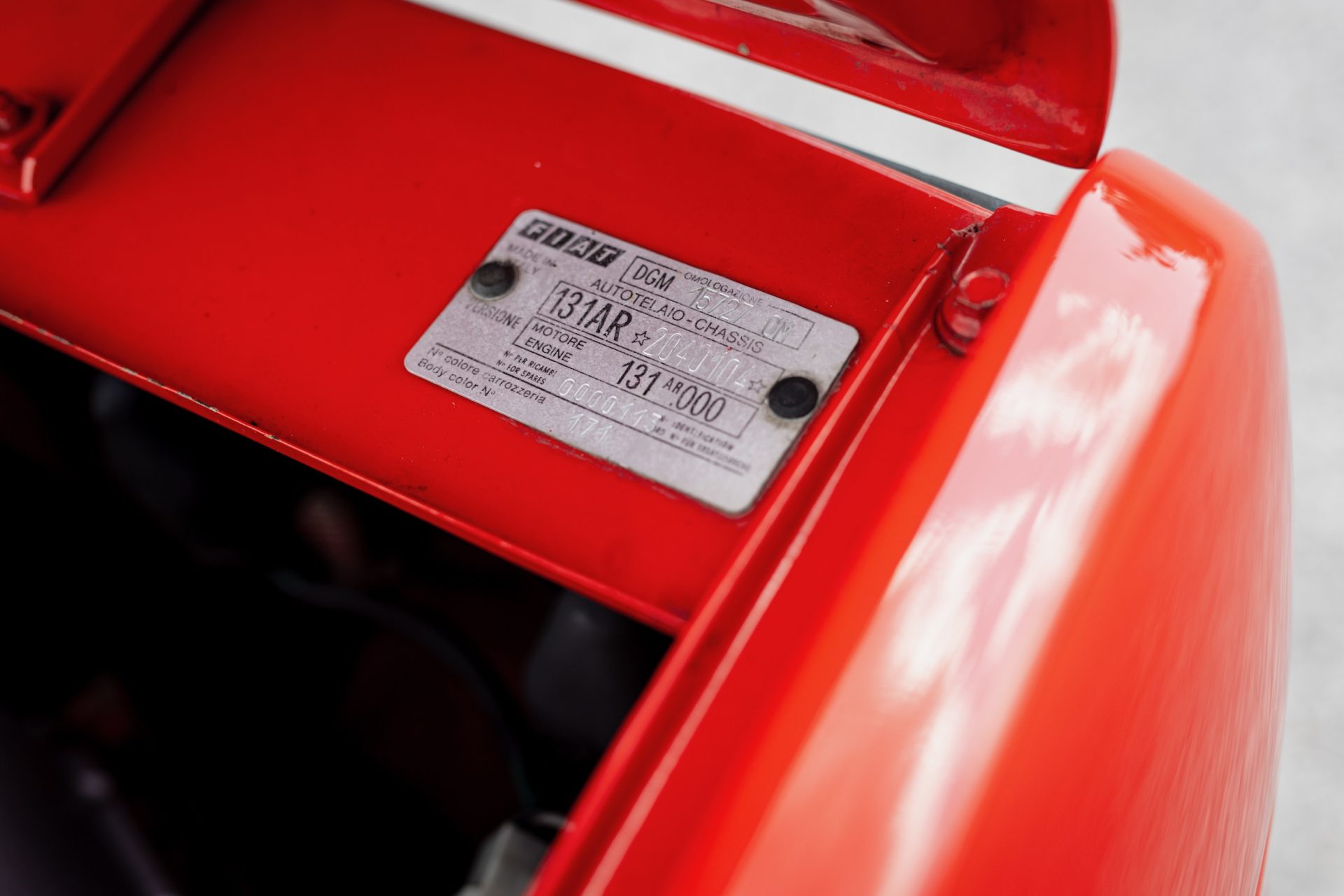

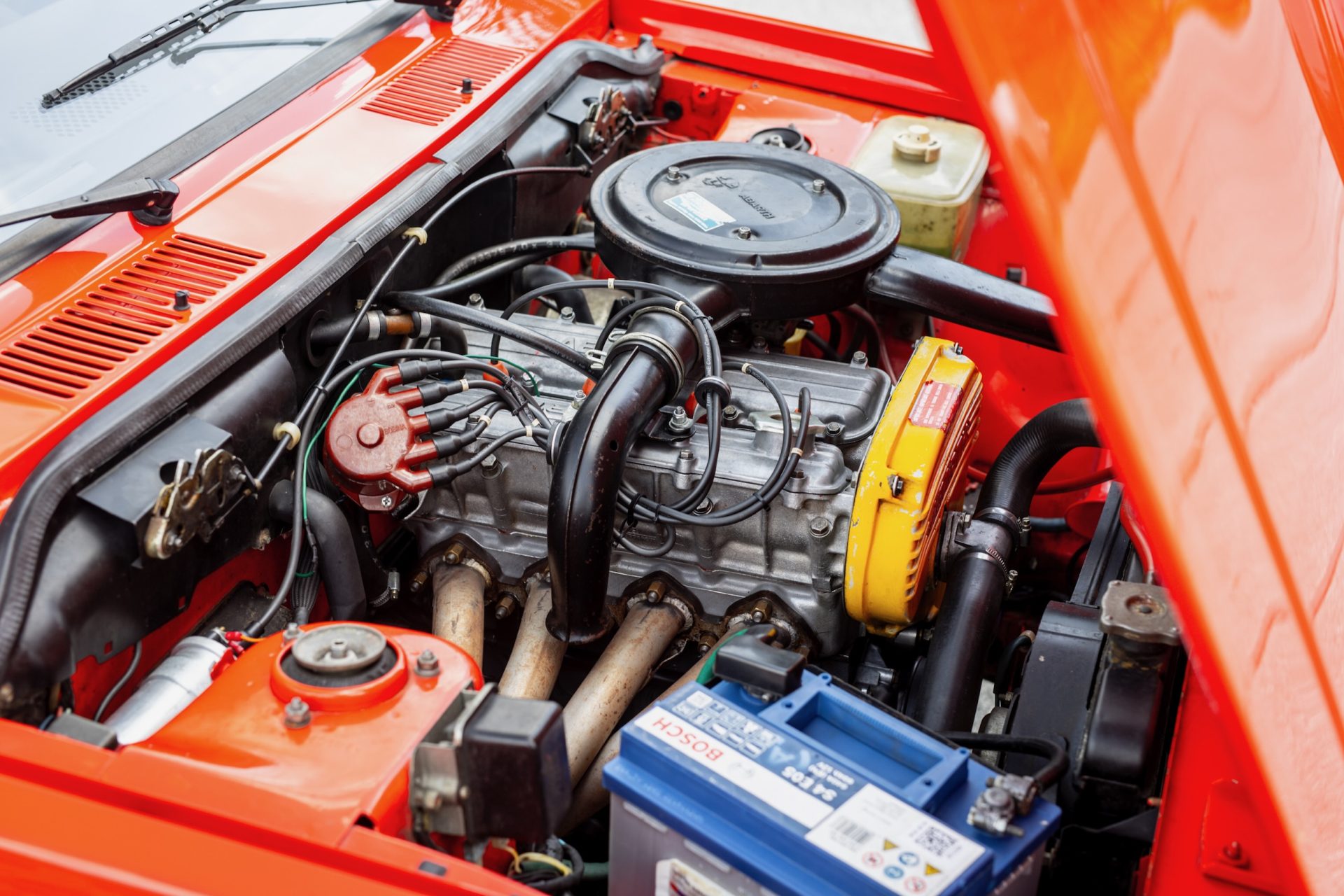
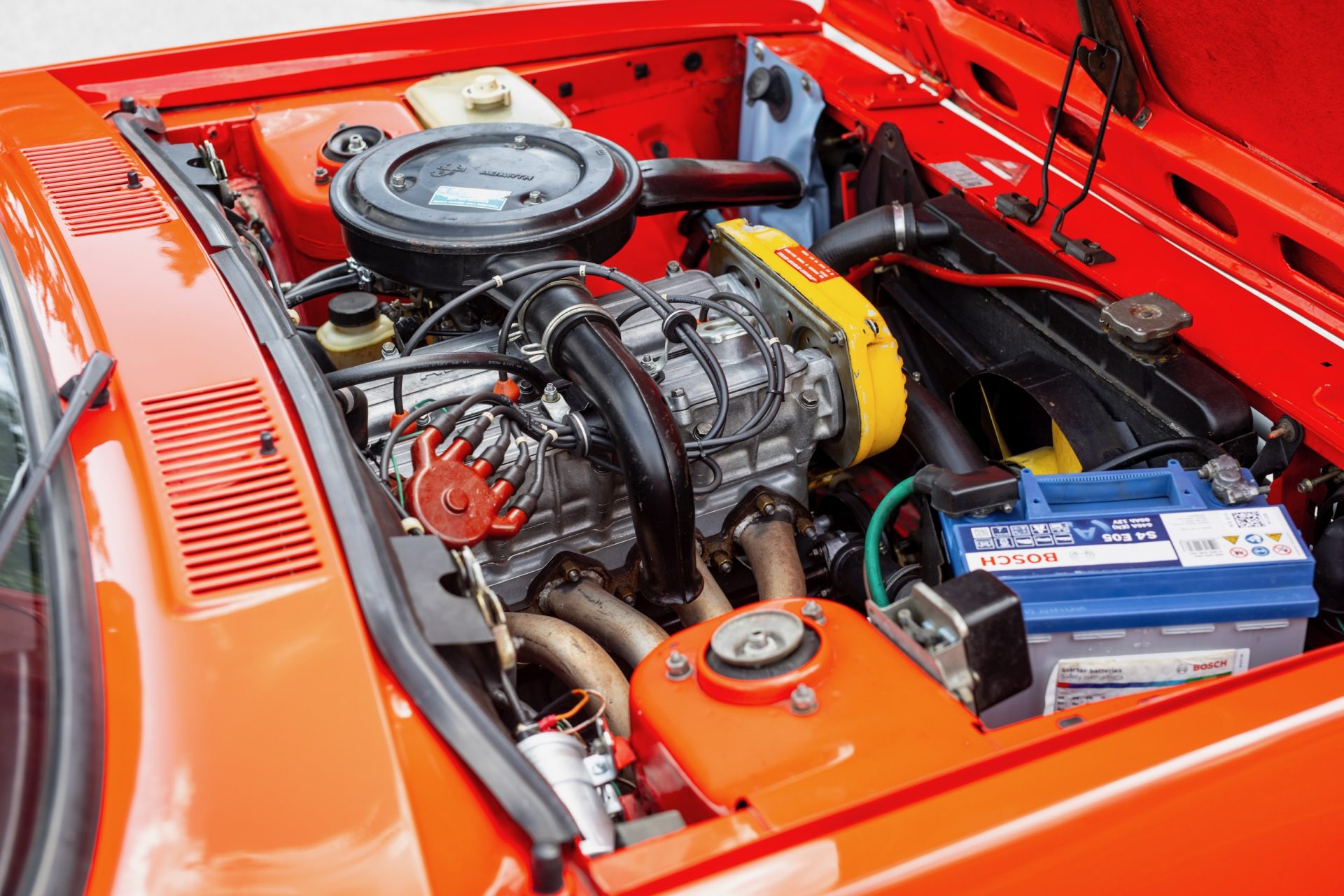
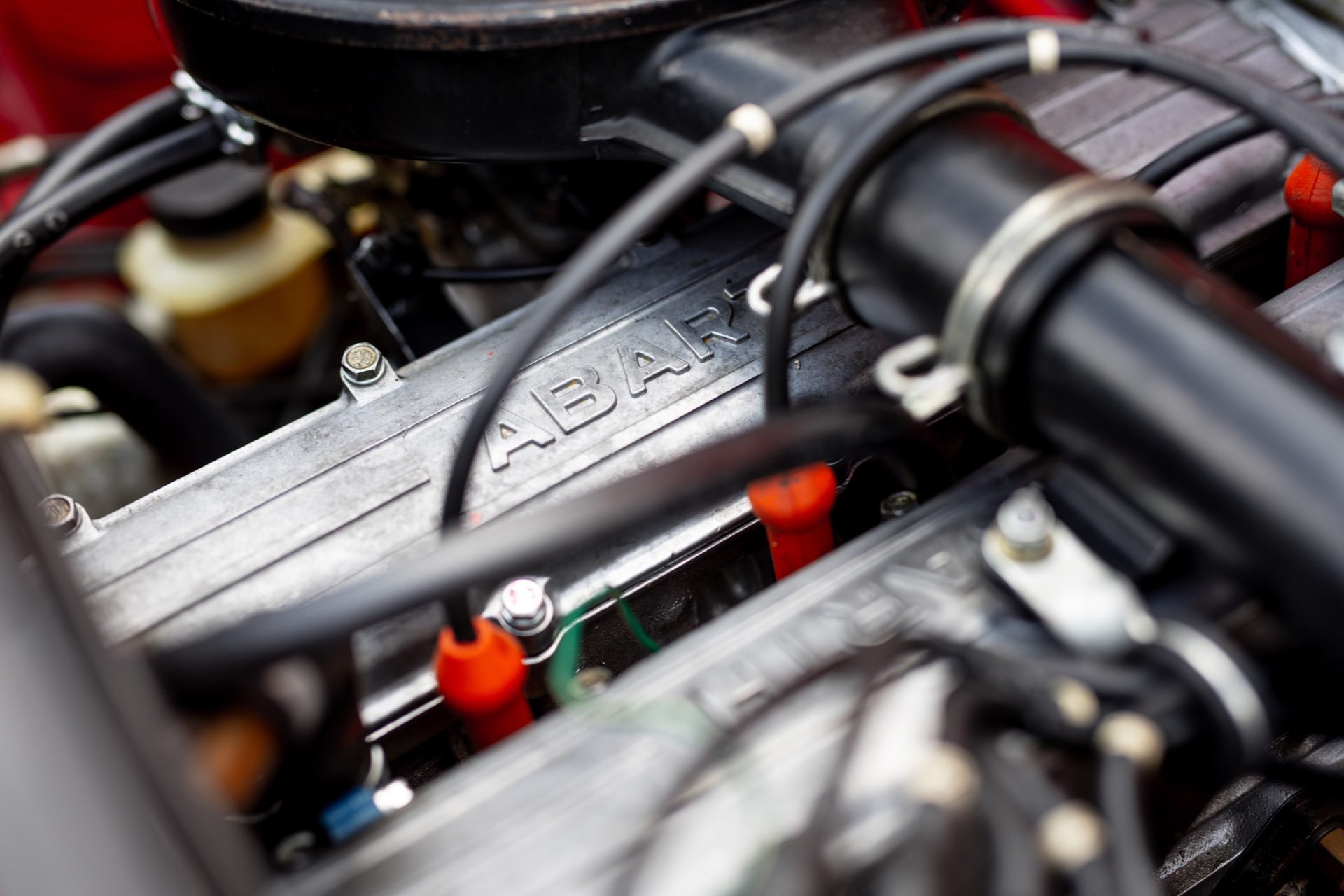

Auktion: RM Sotheby’s, Zürich 2026, Schätzpreis 120’000 bis 180’000 Franken, mit diesen Angaben: «This handsomely finished 131 Abarth is a particularly well-presented example of Fiat’s rare homologation special. While the Fiat’s early history currently remains unknown, by the mid-2010s the car had passed into the collection of an officer of the Automobile Club of Luxemburg. This enthusiast regularly serviced the 131 Abarth at Autopolis SA from 2016 until March 2022, as demonstrated by invoices on file. In July 2022 the Fiat was sold to the consigning owner, a respected collector based in Switzerland. The vendor quickly commissioned a high-level sympathetic restoration by Blue Palm Service of Münsingen, Switzerland, including an overhaul of the cylinder head with new camshafts and adjustment of the valves. The carburettor was rebuilt and new spark plugs were installed. Further service included the installation of new belts, engine mounts, muffler, and battery, while the ignition was rebuilt and the electrical system sorted as needed. Finally, the seats were reupholstered and the Rosso Arancio paint touched up with due care.»
–
So ganz langsam fangen wir dann auch noch an mit den Gruppe-4-Fahrzeugen, ab Werk sollen 46 Stück entstanden sein.
Chassis-Nummer: 131AR2045674
Motoren-Nummer: 909


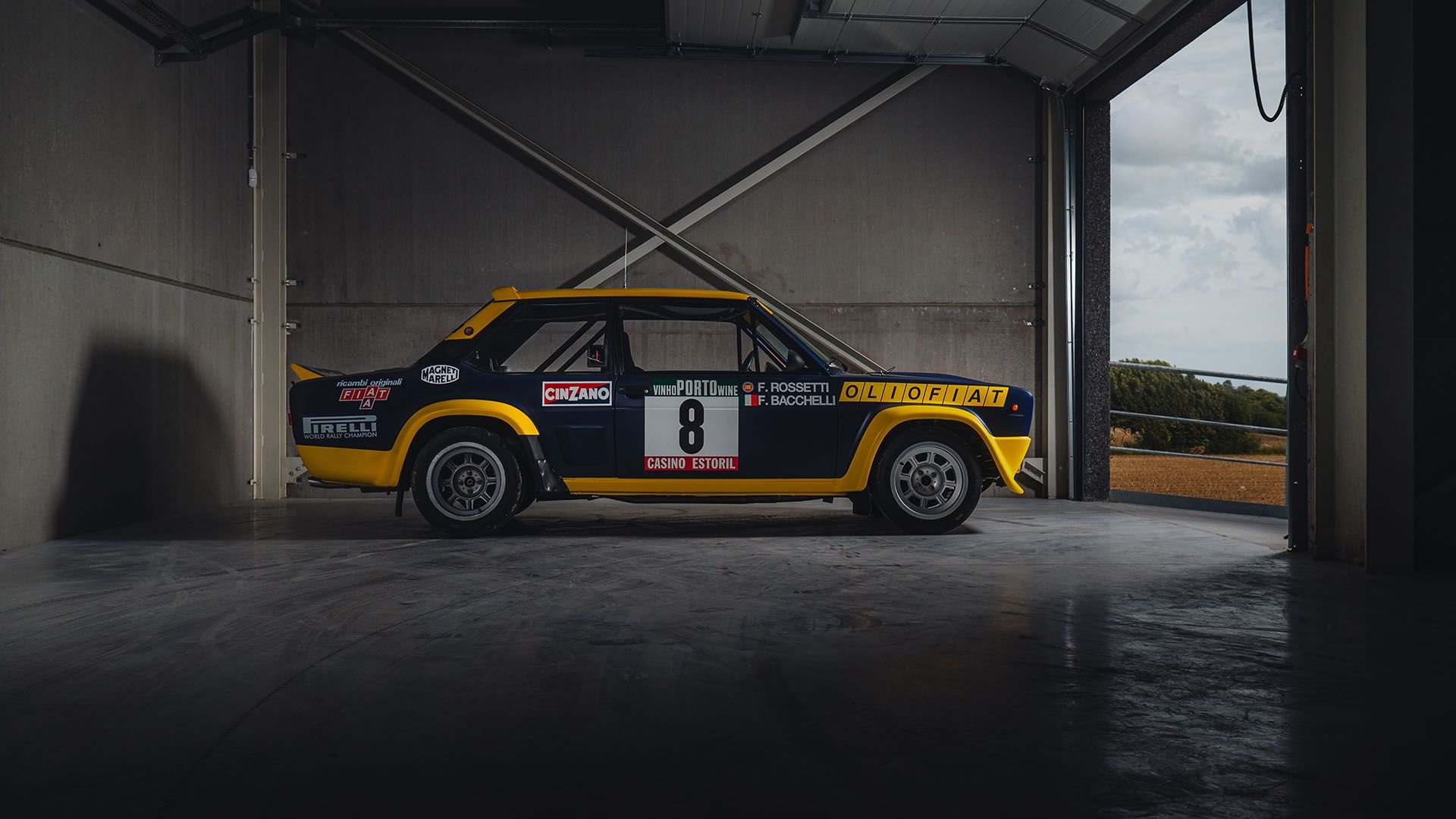
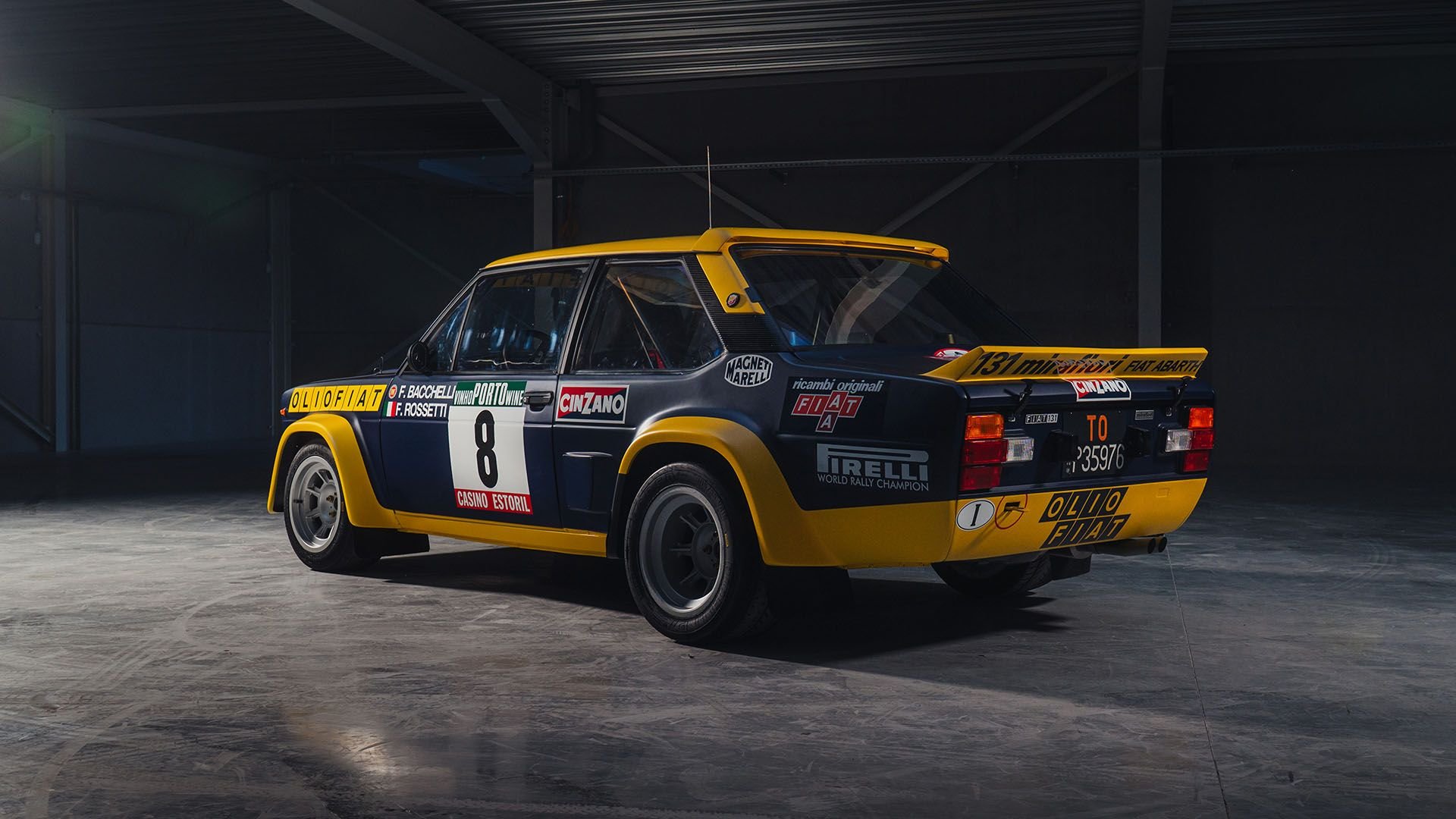


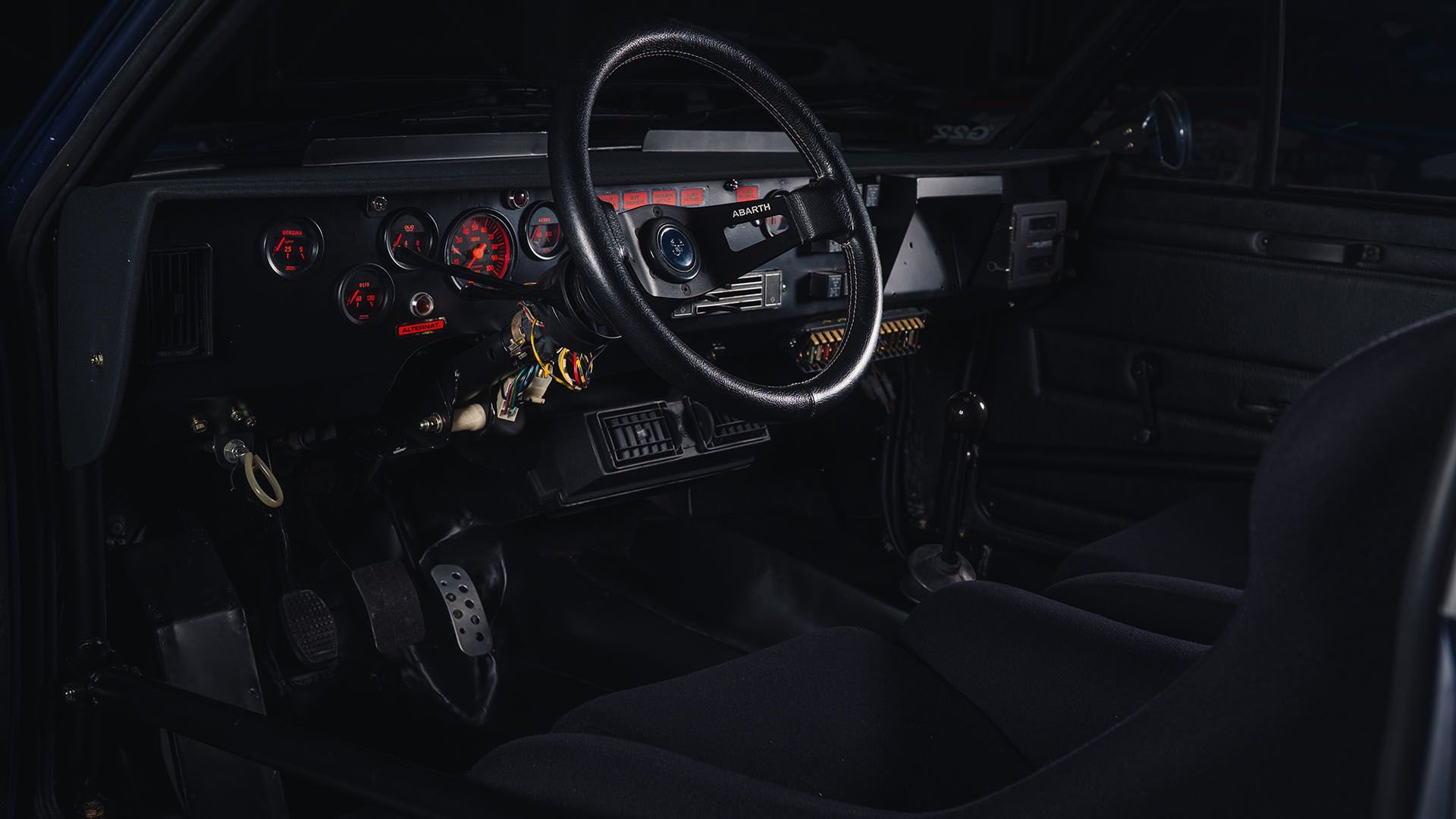


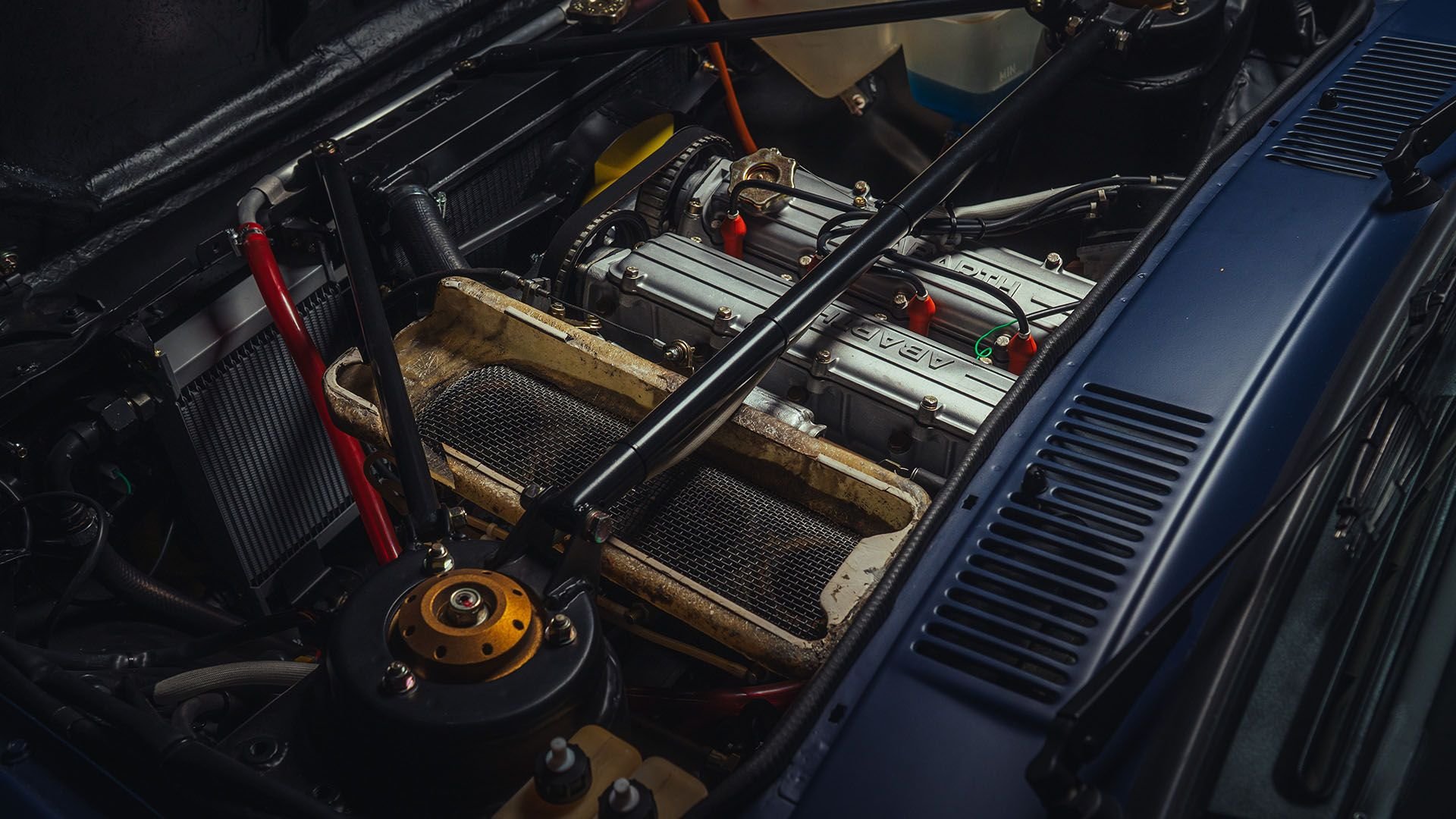

Auktion: Broad Arrow, Zoute 2025, Schätzpreis 320’000 bis 380’000 Euro, mit diesen Informationen: «This 1976 Fiat Abarth Rally Group 4 car was originally registered in Turin, as all Works Fiat and Lancia cars were. It is classified as TO P35976 and sports the “G22” designation, indicating that it was the 22nd Abarth 131 rally car built out of the 46 works cars. This example was campaigned during the 1977 World Rally Championship, clad in the recognizable Olio Fiat livery used by the factory Fiats from 1975 to 1977. During this season, it was raced by Alén/Kivimäki in the 1977 Sveitsin Rally, Valtaharju/Anttila in the 1977 Rally of 1000 Lakes, and Bacchelli/Rossetti at the 1977 Rally Portugal. The following year, the 131 was retained as a test car by the Fiat Works team, sporting the tricolor Alitalia livery and participating as a reserve car in the 1978 Alitalia Rally di Monte Carlo for Verini/Rossetti. It was also a reserve for Darniche/Mahé during the 1978 Tour de Corse, in which the duo would achieve victory and Abarth 131s locked out the top three finishing places. The car was officially retired from competition after the 1978 Tour de Corse and was sold to a private owner in Ecuador that year. It raced successfully here for several years piloted by Adolfo Galindo/Hernán Fuenzalida, before being reimported to Italy and undergoing a restoration at the end of the 1990s. It was featured on the cover of the February 2006 edition of Italian sports car magazine Automobilismo d’Epoca. Later that year, the rally car received its Certificate of Authenticity from L’Automotoclub Storico Italiano (ASI). Its current owner purchased the car a few years ago and commissioned a total restoration back to its factory state. Acclaimed Fiat and Lancia restoration shop Italia Motorsport in Codroipo conducted the thorough and photo-documented restoration of the seasoned rally car, leaving no bolt unturned and no expense spared. Its engine and transmission were removed and received a meticulous rebuild with a thorough evaluation of its electrical components along with the necessary replacements. Additionally, the interior was completely removed and refreshed. Before the painstaking recreation of the Olio Fiat livery as raced by Bacchelli and Rossetti in the 1977 Rally Portugal, the body was first repaired. Only then was the car refinished in its correct satin blue and yellow paint and carefully adorned with the livery’s period sponsor stickers as original by renowned rally graphic designer Giacomo Baj».
–
Chassis-Nummer: 2045727


Auktion: Broad Arrow, Quail 2026, Schätzpreis 275’000 bis 325’000 Dollar, mit diesen Angaben: (siehe Kommentare)
–
Chassis-Nummer: 385549?


Wurde 2023 vom Gooding & Co. in Pebble Beach angeboten, Schätzpreis 250’000 bis 350’000 Dollar, nicht verkauft. Soll ein vom Werk in die USA an Jim Walker Racing ausgeliefertes Fahrzeug sein.
–
Keine Chassis-Nummer:


Verkauft von Broad Arrow, Monterey 2025, für 218’400 Dollar. Soll das Sieger-Fahrzeug von Röhrl/Geistdörfer bei der San Remo 1980 sein.
–
Andere wunderbare Klassiker haben wir in unserem Archiv.
Genialer Wagen! PS. da is ein Bild einer blauen Cobra reingerutscht…
danke )
Hallo.
🌠That again.!
Like 👍
Einfach klasse!
W A L T H E R !!!! 🙂
Ohne „h“. 😉