

Ein Stück Holz
Als «ein Stück Holz mit vier Rädern und einer prächtigen Maschine» bezeichnete der rennfahrende Journalist Paul Frère den Ferrari 750 Monza. Aber so schlimm kann es nicht gewesen sein, bei der RAC Tourist Trophy, dem zweitletzten Lauf zur Sportwagen-Weltmeisterschaft 1954, schafften Hawthorn/Trintignant auf solch einem 750 Monza (#0440MD) den Gesamtsieg. Der dann allerdings nicht für Gesamtwertung zählte, dafür wurde die Index-Wertung an den Haaren herbeigezogen, die sich ein DB HBR gesichert hatte. Der sogar über nur zwei Zylinder verfügte.

Der Reihen-Vierzylinder war eine Konstruktion von Aurelio Lampredi, eigentlich die gleiche Maschine wie im 500 Mondial, Bohrung x Hub war allerdings 103 x 99 mm anstatt 90 x 78 mm. Das ergab einen Hubraum von 2999 cm3, eine Leistung von 260 PS bei 6400/min und ein maximales Drehmoment von 272 Nm; geschaltet wurde über ein in Transaxle-Bauweise angebrachtes, unsynchronisiertes 5-Gang-Getriebe. Es war keine sehr komplexe Konstruktion, zwei obenliegende, über Zahnräder angetriebene Nockenwellen, zwei Weber-Doppelvergaser (58 DCO A/3). Interessant war, dass Zylinderblock und Zylinderkopf aus Alu zusammengegossen wurden, die Laufbuchsen mussten von unten eingeschraubt werden.

Die Ferrari 750 Monza standen auf einem klassischen, von Gilco gebauten Leiterrahmen aus ovalen Längs- und runden Querstreben, vorne gab es eine Einzelradaufhängung mit Doppelquerlenkern und einer Querblattfeder (später: Schraubenfedern), hinten eine DeDion-Achse mit Querblattfeder sowie Hebelstossdämpfern. Gebremst wurde mit Trommelbremsen. Und der Aufbau, der vielleicht noch von Dino Ferrari entworfen worden war, aber sicher von Scaglietti kam, bestand selbstverständlich aus Leichtmetall – es entstanden wahrscheinlich 33 Spyder. Die Bezeichnung «Monza» sollen sie erst nach einem Sieg von Hawthorn/Maglioli bei der Supercortemaggiore Monza erhalten haben, bloss: dort fuhren die beiden Herren – wahrscheinlich – einen 735 S (von dem es drei Stück gab, 2,9 Liter Hubraum, alle sehr ähnlich wie die 750 Monza).


Die Scuderia Ferrari setzte den 750 Monza nicht lange ein, 1955 noch bei den 1000 Kilometer von Buenos Aires (Maglioli/Bucci wurden disqualifiziert, weil sie am Start angeschoben wurden), doch schon ab Ende 1954 wurden die ersten Exemplare an Privatfahrer verkauft. Die damit sowohl in Europa sowie vor allem in den USA zahlreiche Erfolge erzielten, bei insgesamt 219 Rennteilnahmen kamen die Ferrari auf 55 Gesamt- und noch 24 Klassen-Siege. Viele bekannte Teamchefs hatten einen 750 Monza, Swaters, Parravano, von Neumann, manch ein berühmter Fahrer prügelte den Vierzylinder um die Rundstrecken, Phil Hill, Carroll Shelby, Masten Gregory; Alberto Ascari starb auf einer Testfahrt in Monza in einem 750 Monza (#0562MD). Da wollen wir dann noch ein paar Geschichten erzählen.


Etwa jene zum Fahrzeug, das wir oben zeigen, #0510M. Das Anfang 1955 an Allan Guiberson ausgeliefert wurde, einen reichen Unternehmer aus Dallas. Der meldete es für die 12 Stunden von Sebring. Kein Geringerer als Phil Hill fuhr mit einem Transporter von Dallas nach New York, um den Ferrari bei Importeur Luigi Chinetti abzuholen – und dann gleich weiter nach Florida, zum Rennen. Dort lieferte er sich zusammen mit Carroll Shelby über 12 Stunden einen heroischen Kampf gegen den ganz neuen Jaguar D-Type von Hawthorn/Walters – und ging als Sieger durchs Ziel. Bloss: Als die Rennleitung nachzählte, bemerkte sie, dass der Jaguar wahrscheinlich doch vorne lag, 25 Sekunden nach mehr als 1500 Kilometern.


Ende 1955 kauften die Gebrüder Hall den Ferrari, Carroll Shelby schaffte 1956 bei sechs Rennen fünf Gesamtsiege (und einen zweiten Platz). 1957 kam dann Jim Hall (ja, genau der von Chaparral) zu seinen ersten Einsätzen – und im Gegensatz zu Paul Frère liebte er den 750 Monza: «Er hatte ein fantastisches Drehmoment, die Bremsen waren hervorragend, obwohl es nur Trommeln waren. Für mich war es ein grossartiger Rennwagen». 1958 stellte Jim Hall #0510MD, der unterdessen ihm persönlich gehörte, in die Garage – und pflegte den Ferrari fast 60 Jahre bestens. 2016 wurde der sehr originale, sehr geschichtsträchtige Ferrari 750 Monza von RM Sotheby’s für 5,225 Millionen Dollar versteigert.

Selbstverständlich kommt hier auch eine Sammlung.
Chassis-Nummer: 0498M


Verkauft über Tom Hartley Jnr., mit diesen Angaben: «Chassis 0498M is a highly significant example, completed in 1954 and delivered new through Luigi Chinetti in New York. The car went on to enjoy an active and well-documented competition career, most notably achieving an excellent 5th overall finish at the 1955 12 Hours of Sebring in the hands of Piero Taruffi and Harry Schell. It was subsequently raced by Phil Hill, the only American-born Formula One World Champion. In more recent years, the car was returned to Ferrari and underwent a total restoration within their Classiche department and was subsequently awarded the ‘Red Book’ Classiche certification.»
–
Chassis-Nummer: 0502M

Auktion: RM Sotheby’s, Monterey 2007, verkauft für 1,54 Millionen Dollar. Dann, wieder RM Sotheby’s, London 2011, Schätzpreis 1,55 bis 1,8 Millionen Pfund, nicht verkauft, mit folgenden Angaben: (siehe Kommentare).


–
Chassis-Nummer: 0522M
Motoren-Nummer: 0522M (what a surprise…)
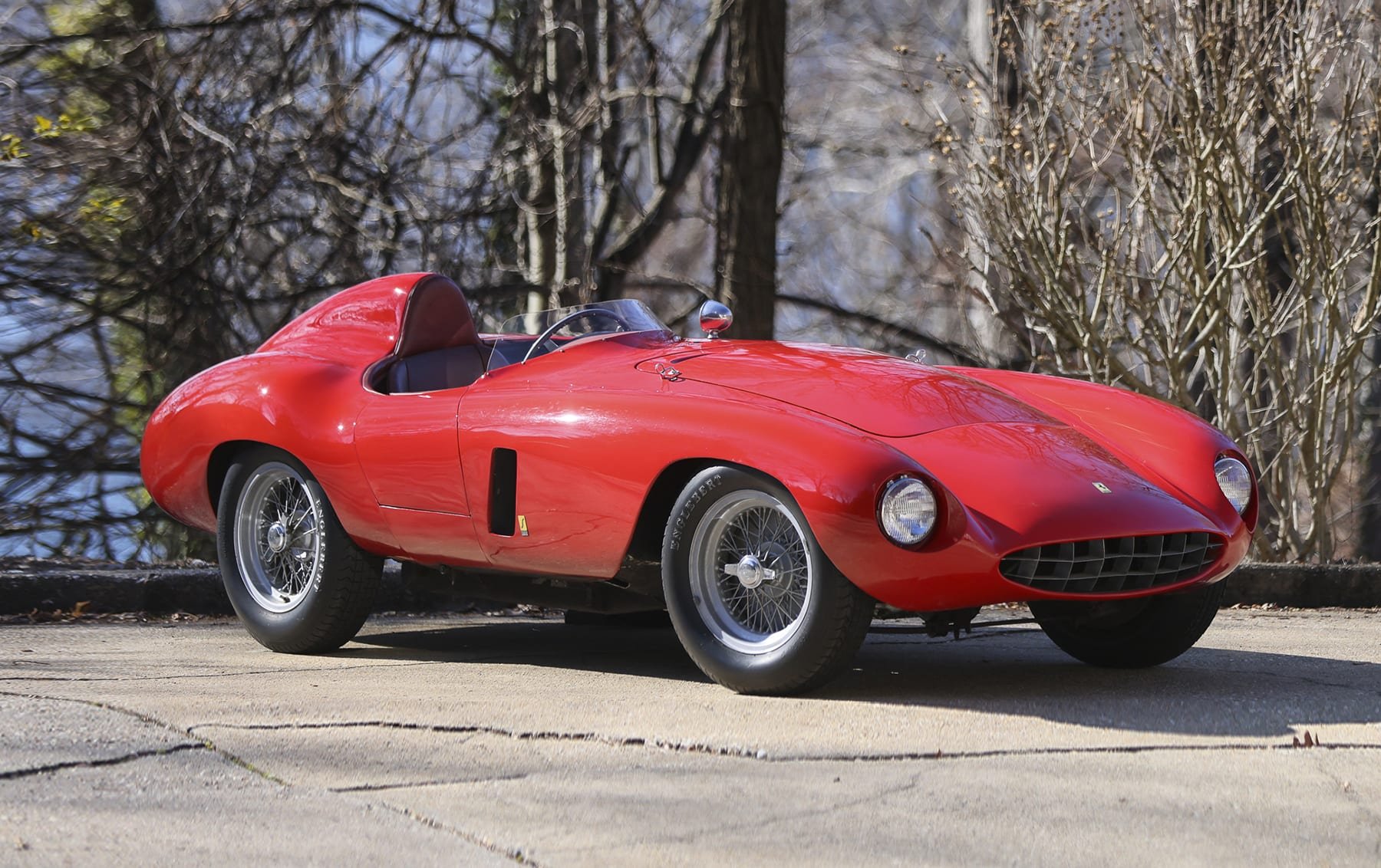
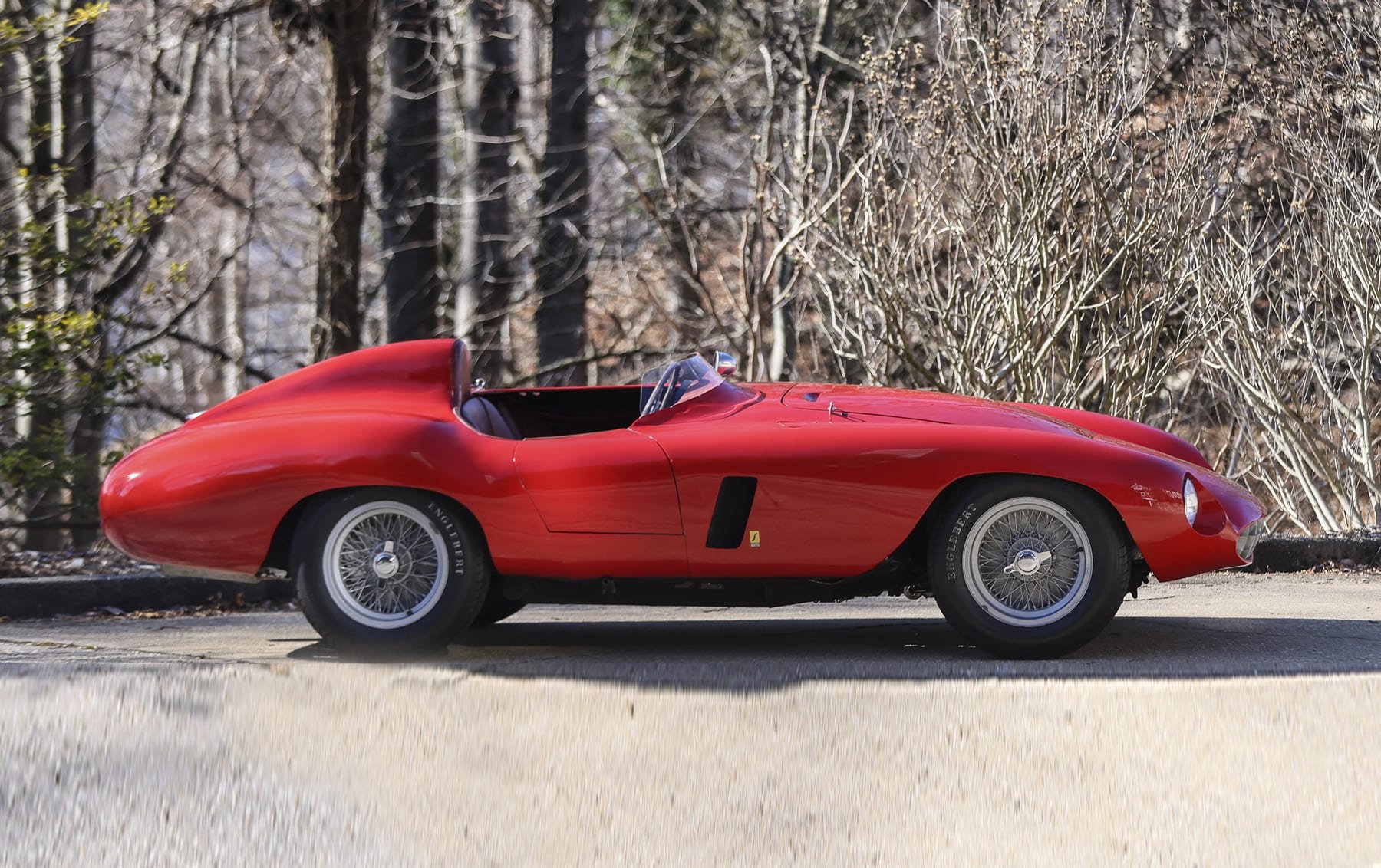
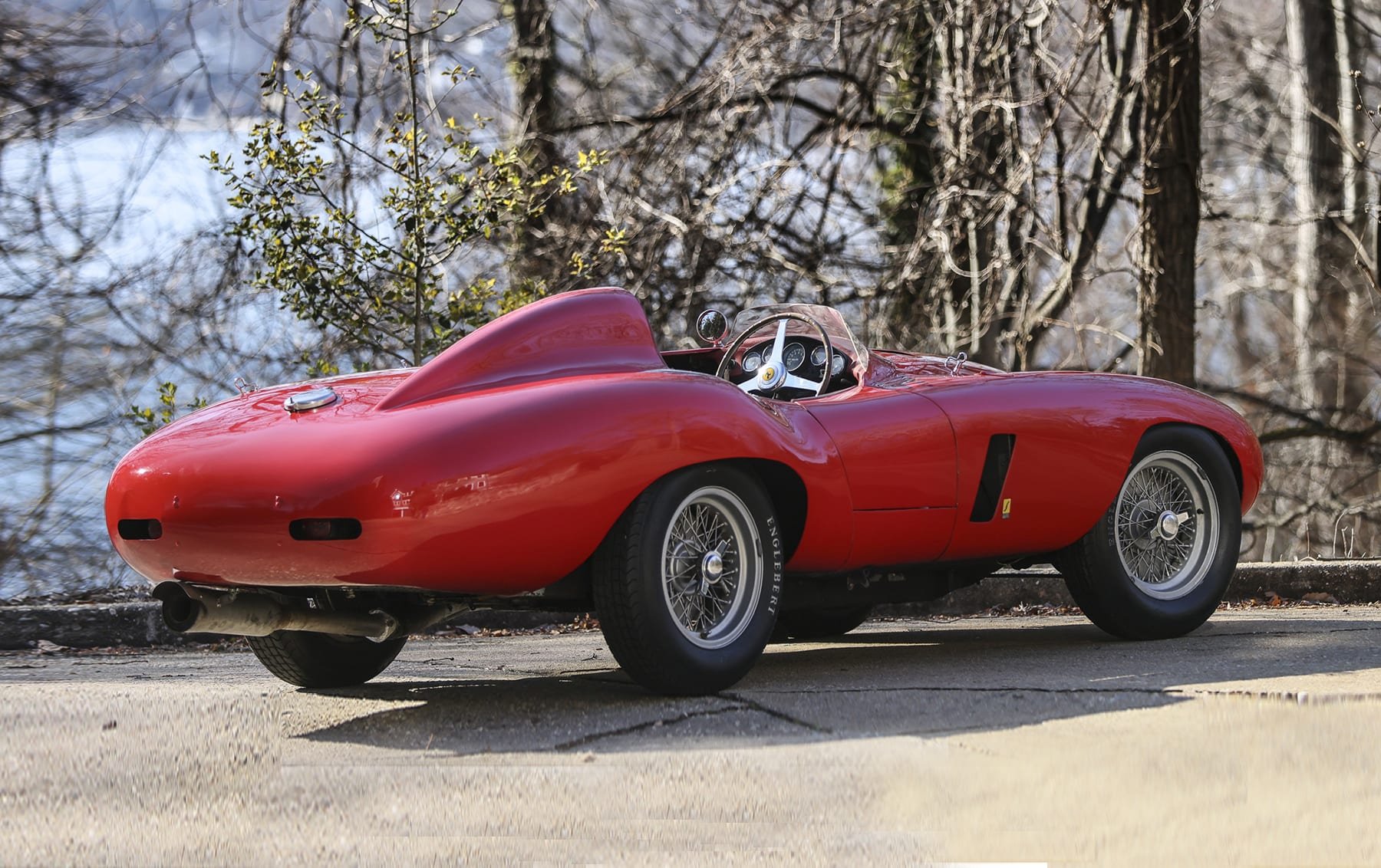
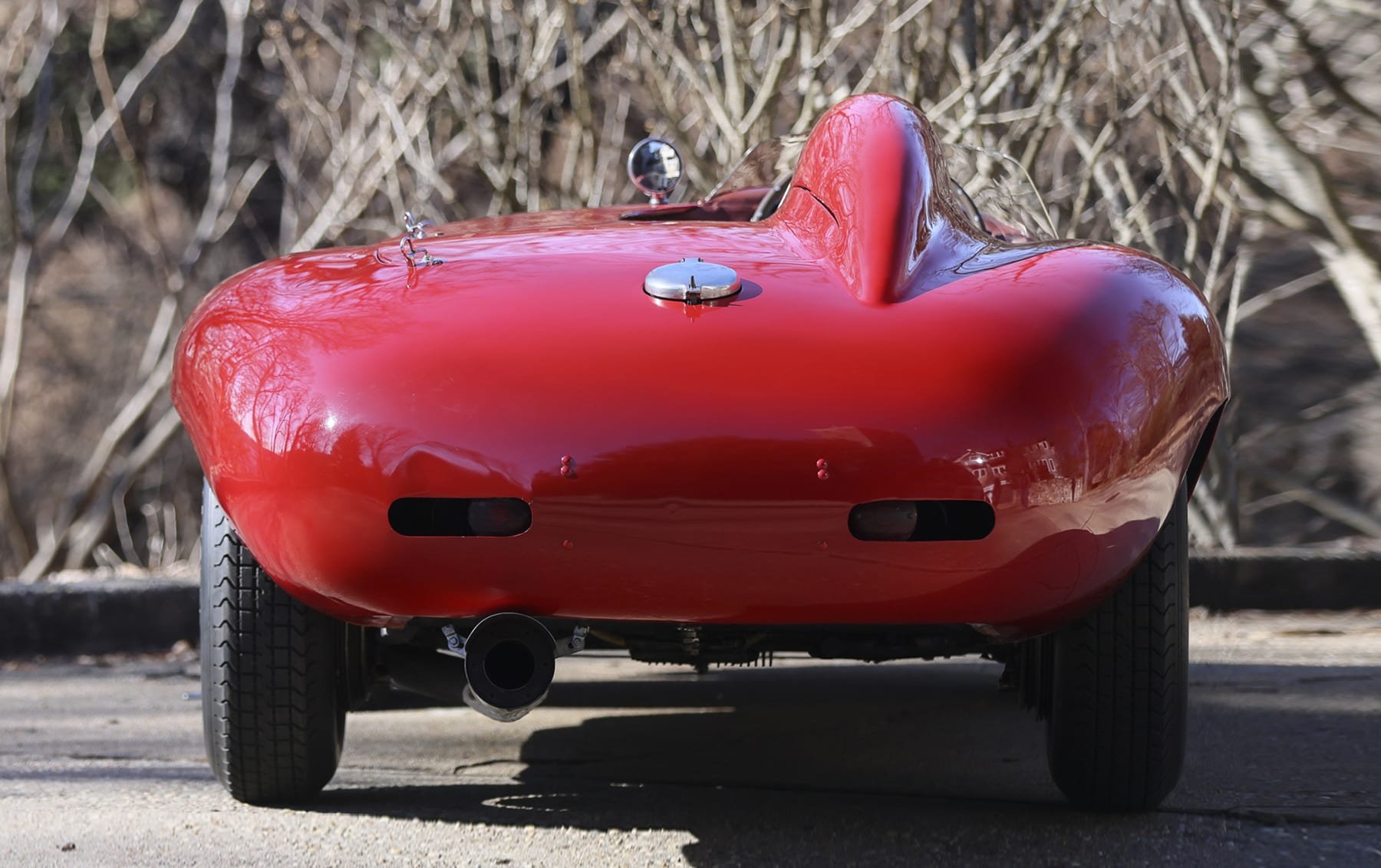
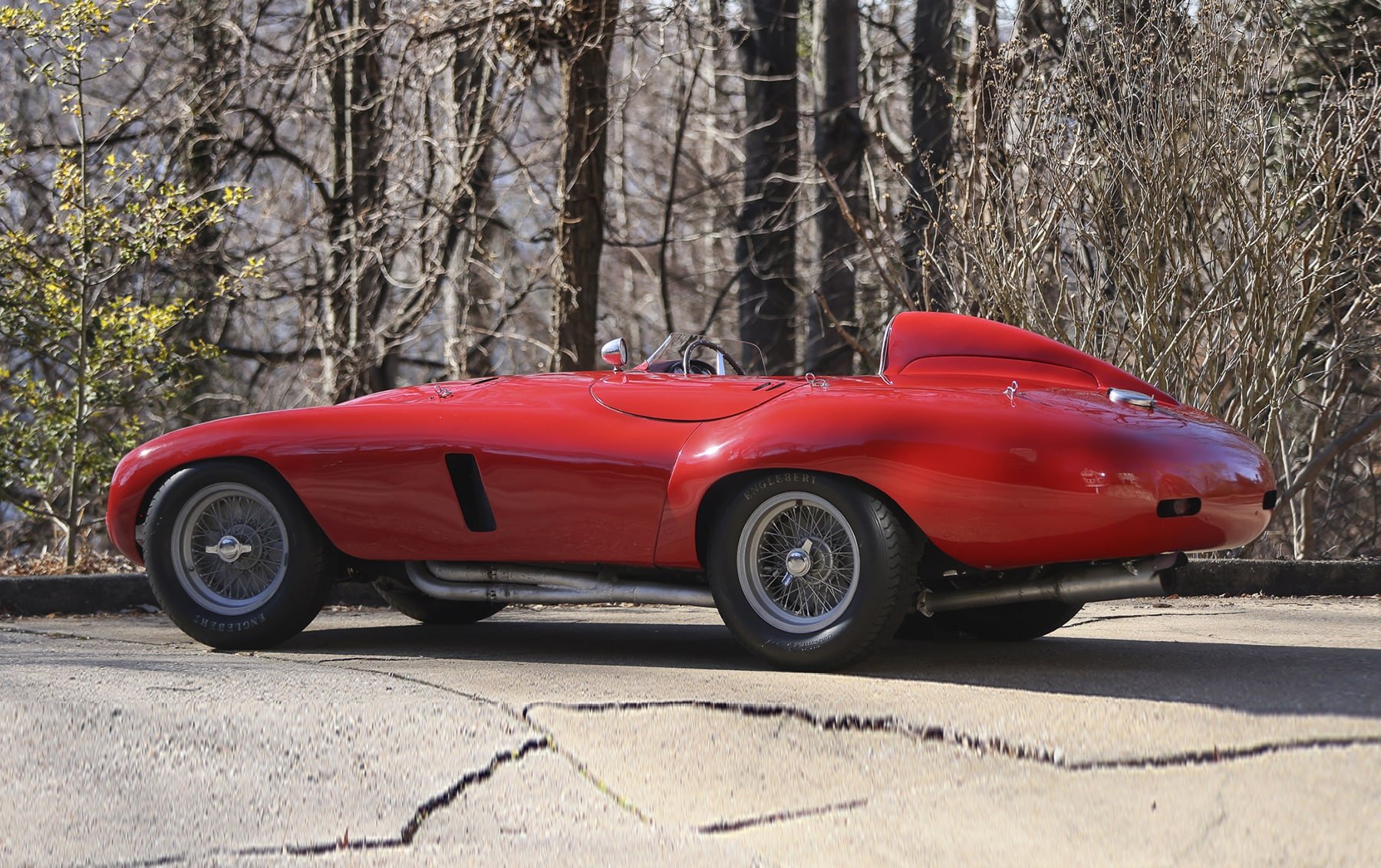
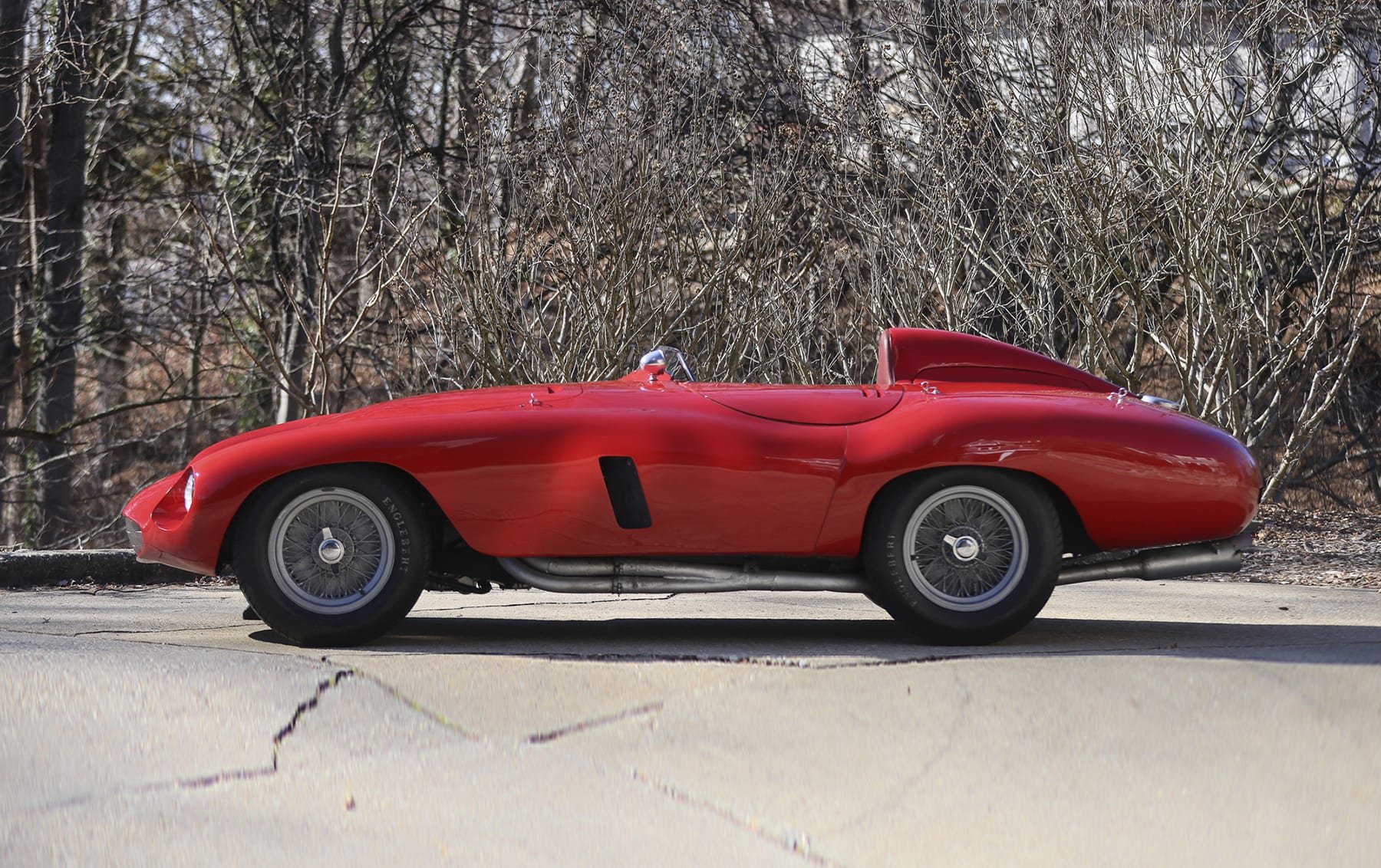

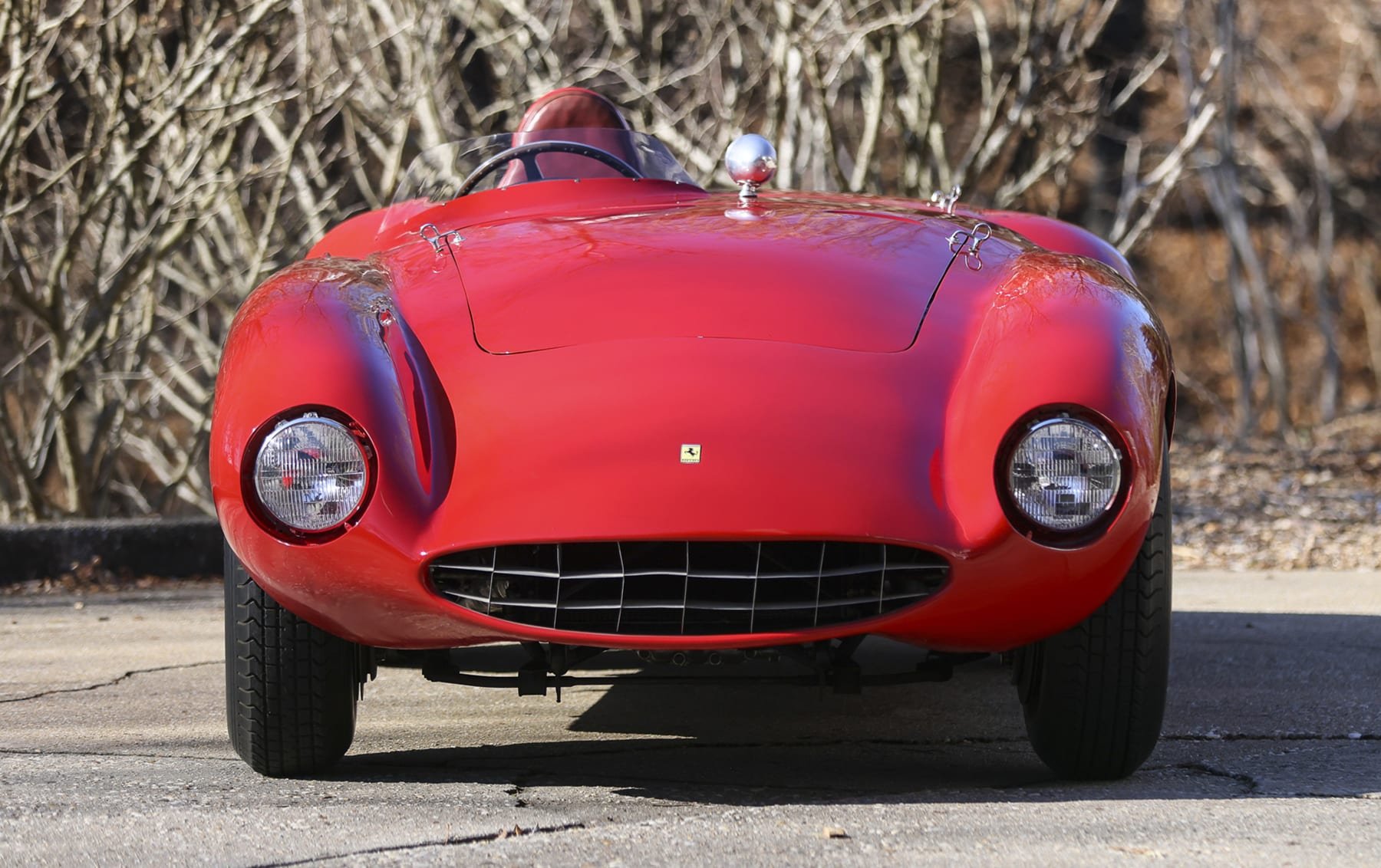
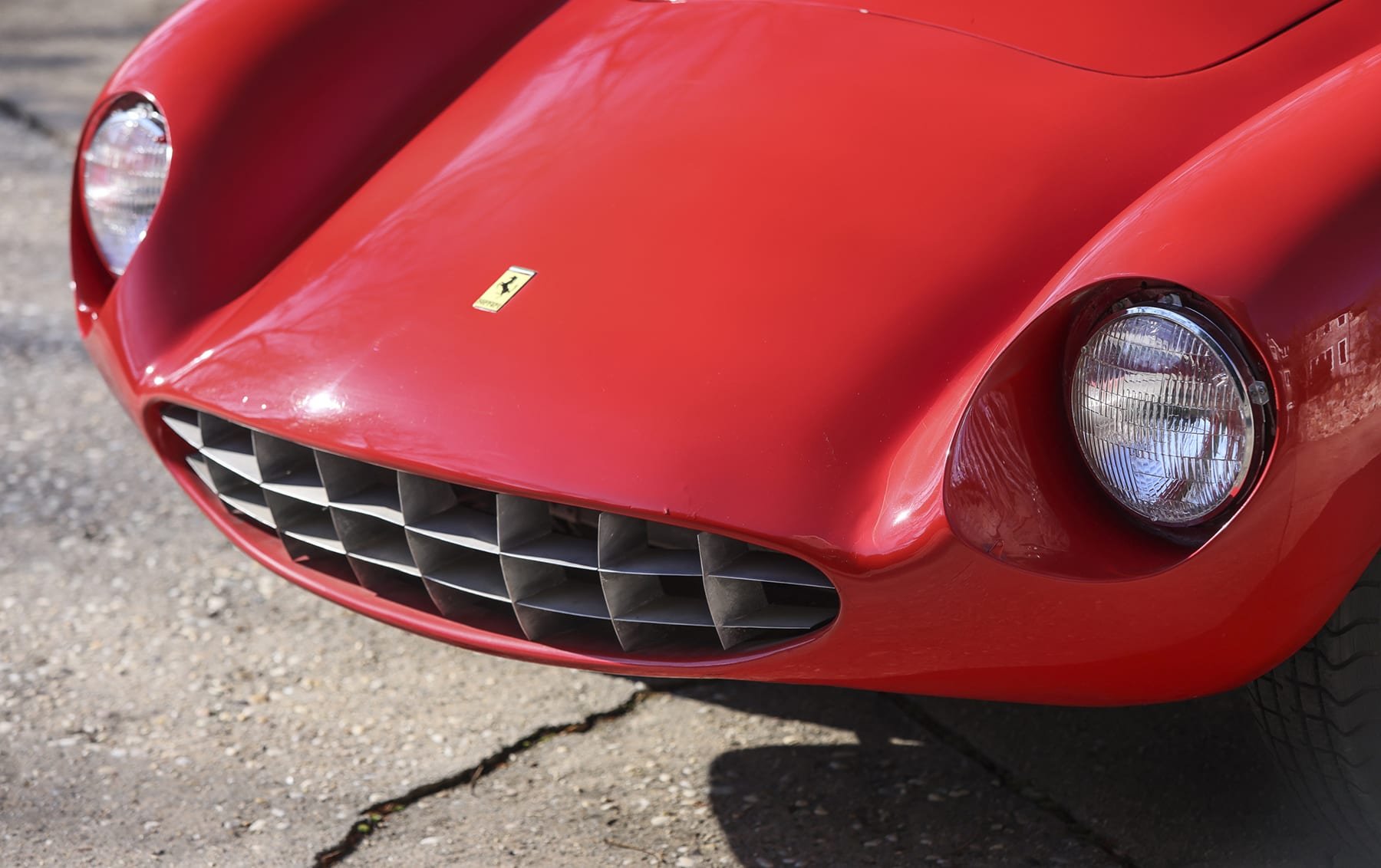
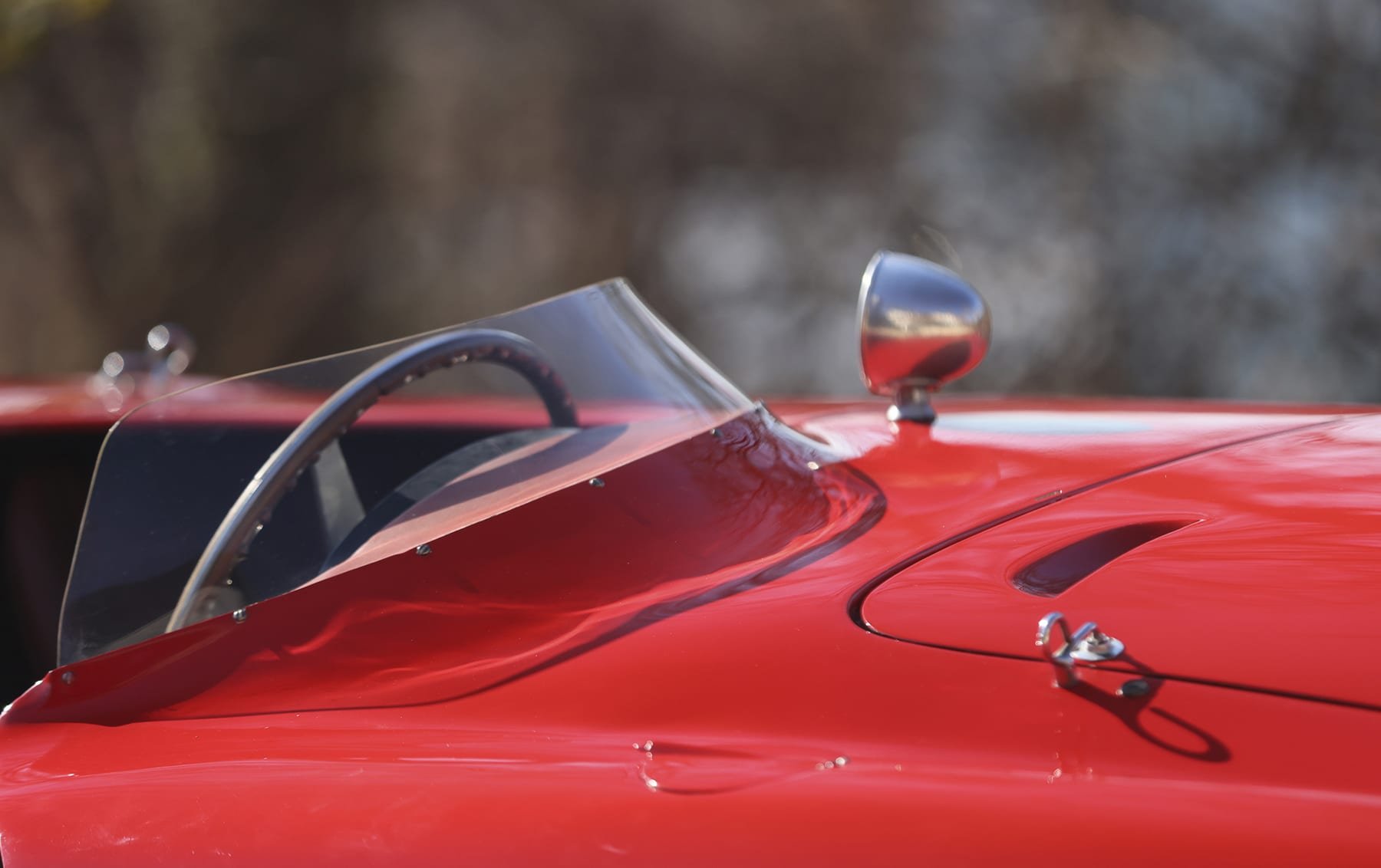


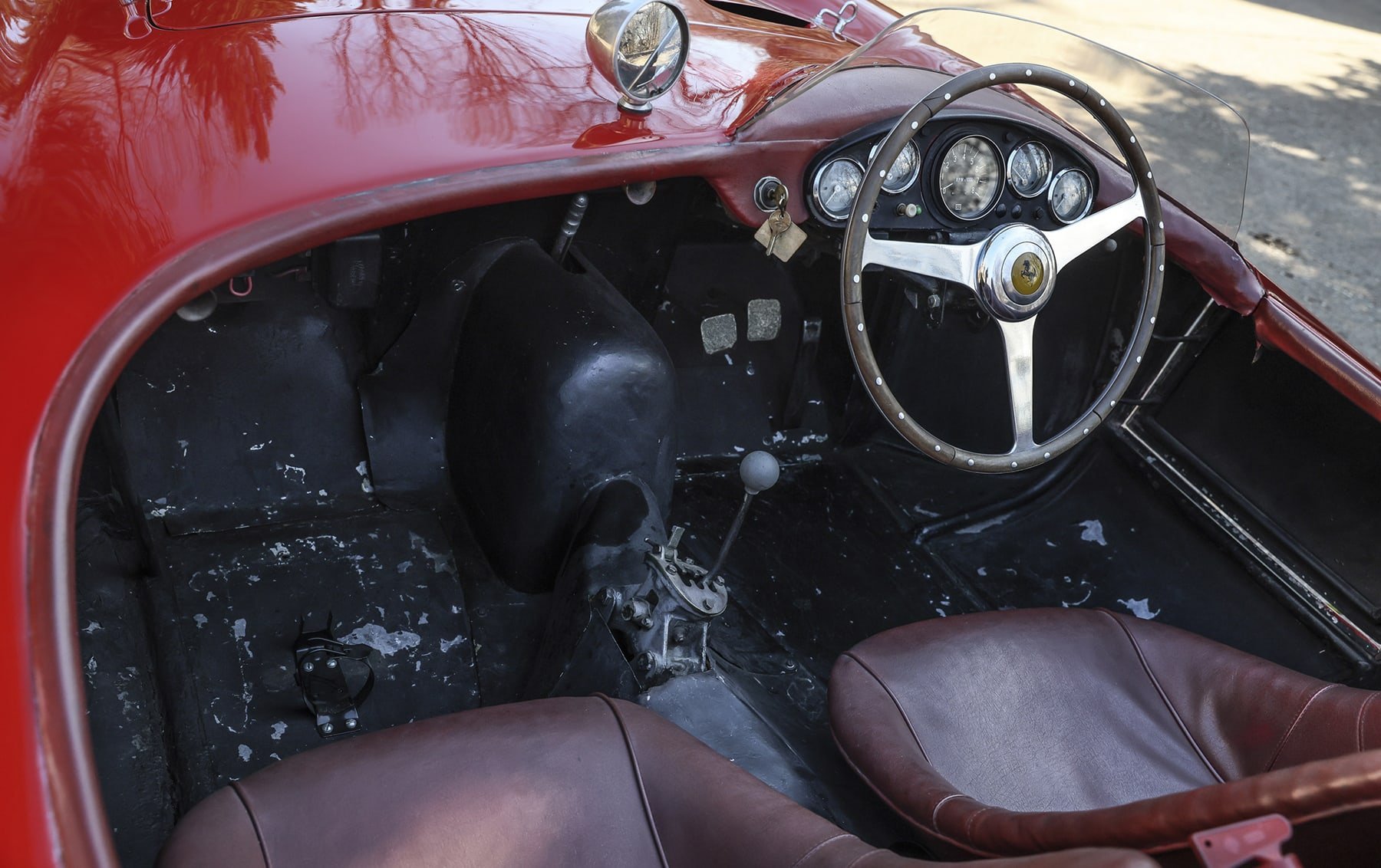


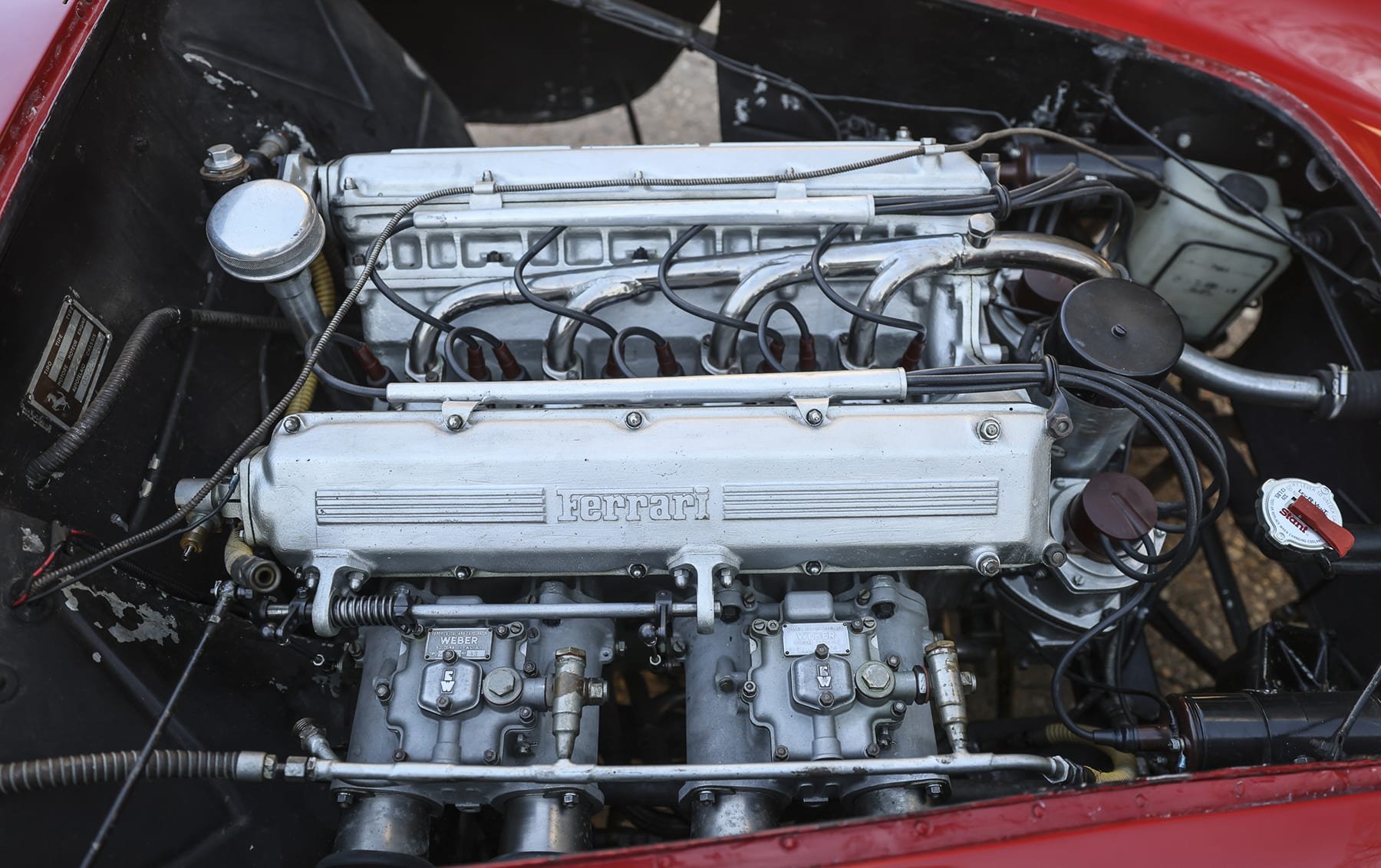
Auktion: Gooding Christie’s, Amelia Island 2026, Schätzpreis 3,5 bis 4,5 Millionen Dollar, mit diesen Angaben: «The 750 Monza offered here, chassis 0522 M, is an exceptional example of this rare and important model. As documented by Ferrari historian Marcel Massini, chassis 0522 M was completed in early 1955 and delivered new in March of that year to one of the most influential figures in early Ferrari history: Franco Cornacchia. Born in Brescia in 1907, Cornacchia was among Ferrari’s most important early customers, combining the roles of dealer, team owner, and accomplished driver in the immediate postwar years. He founded Milan’s first official Ferrari dealership and established Scuderia Guastalla, through which he campaigned Ferraris with notable success across Europe and the Americas. Cornacchia entered Ferraris in many of the most demanding competitions of the era, including multiple editions of the 1000 Miglia, the 24 Hours of Le Mans, the Carrera Panamericana, and countless hill climbs, where his skill and bravery as a driver were particularly evident. With 0522 M, Cornacchia entered two Italian hill climbs in 1955 – Corsa Sulle Torricelle in March and Parma-Poggio di Berceto in June – as well as the Gran Premio di Bari, where it was driven by Brazilian ace Chico Landi to a 9th place finish. Following these appearances, Cornacchia sold 0522 M, and the Monza was exported to the US, where it soon entered the glamorous Southern California sports car scene. The Ferrari passed into the hands of Los Angeles car dealer and racer Ernie McAfee, one of the central figures of West Coast sports car racing in the 1950s. An early hot-rodder turned importer and dealer, McAfee operated a prominent showroom on Sunset Boulevard and became the go-to source for affluent Angelenos seeking the latest Italian exotica. His dealership represented marques including Alfa Romeo, Siata, Moretti, OSCA, and Ferrari, and McAfee himself was among the leading drivers until his tragic death at the 1956 Del Monte Trophy at Pebble Beach. Like many Ferraris sold through McAfee, 0522 M enjoyed an active competition career in Southern California. Between October 1956 and May 1957, the Monza was campaigned as a D-Modified entry in SCCA National events at Palm Springs and in California Sports Car Club (CSCC) races at Pomona and Santa Barbara. During this period, it was driven by Robert Path of Santa Monica for its owner, the successful novelist and screenwriter Alan Brown Le May, best known for his classic Western novels The Searchers (1954) and The Unforgiven (1957). As noted in Tony Adriaensens’s book Weekend Heroes, Le May “loved the tremendous power and acceleration, but never felt that he mastered the Italian thoroughbred; Alan had never driven a race car before he was 50, and was the oldest driver by a large margin in any race he entered. Luckily, Alan came to the conclusion that he was not ready for this level of car and entered it with other drivers in a number of races… Le May got rid of the Ferrari before anyone got hurt and the car ended up in Ernie McAfee’s showroom, where a young man from Pasadena picked it up: Jack Bates.” Jack Bates, best known for campaigning a Mercedes-Benz 300 SL Gullwing, was President of Frank Monise’s foreign car dealership in Pasadena and an enthusiastic competitor in local sports car races. Bates refinished 0522 M in a striking metallic silver-blue with white stripes to match his Gullwing, and entered the Ferrari in CSCC events at Pomona, Santa Barbara, and Riverside between July and September 1957. His best result came at Riverside, where he placed 5th Overall in the main race. At the conclusion of the 1957 season, the Monza was sold to Dr. R.P. McGuire of Fort Worth, Texas. During his brief ownership, the car was repainted dark blue and entered in a single event: the SCCA Frost Bite races held at Eagle Mountain National Guard Base in January 1958, where it was reportedly driven by a young Jim Hall. Following its active racing career, 0522 M was eventually acquired by Otto Zipper and returned to Los Angeles. In the 1960s, Zipper sold the Ferrari to his friend and fellow racer, the legendary American sportsman and collector Briggs S. Cunningham. Registered in California as “NSV 919,” the Monza was displayed in the renowned Cunningham Automotive Museum in Costa Mesa and appeared in the museum’s series of postcards. The Ferrari remained with Cunningham until 1985, when it was sold to another towering figure in American motorsport history: Augie Pabst of Milwaukee, Wisconsin, heir to the Pabst brewing fortune. Pabst raced the Monza once, at the Chicago International Historic Races at Road America in July 1985, before selling it to fellow Wisconsin-based collector Bill Schley. From Schley, the Ferrari passed to Mark J. Smith of Pennsylvania, from whom the current owner acquired it in 1987. Largely unseen for nearly four decades, 0522 M appears today much as it did during its time on display in the Cunningham Automotive Museum. A remarkable survivor, it stands out as one of the only 750 Monzas known to remain in largely unrestored condition and is believed to retain its original chassis, Scaglietti coachwork, engine (internal no. 8 MZ), and transaxle (internal no. S 23). The car presents with decades-old paint and wonderfully patinated red vinyl upholstery which may well be original.»
–
Es ist dies eine «related»-Story zur Sportwagen-Weltmeisterschaft 1954, mehr schöne Geschichten gibt es in unserem Archiv.